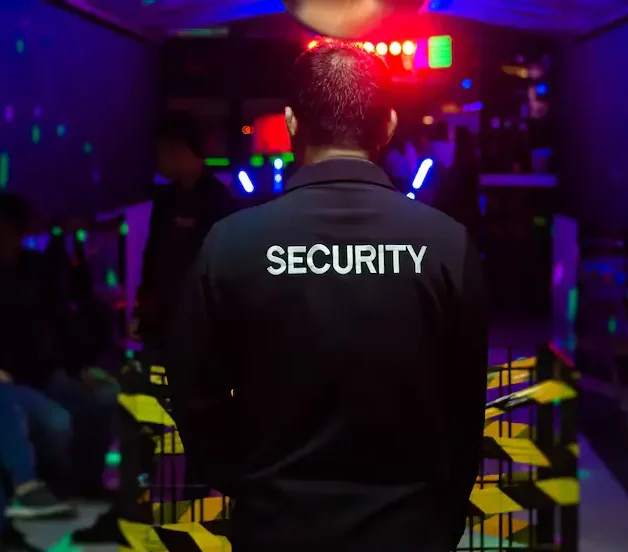
Passing a door supervisor qualification is an important step towards working in the UK’s private security industry. However, completing the course is not the same as being ready to start licensed work. There are several stages between finishing your training and beginning employment, including applying for the appropriate Security Industry Authority (SIA) licence, completing the required checks and finding suitable work.
For people planning a security career in London, understanding what happens after training can make the process much easier. London has a wide range of security opportunities, from licensed premises and events to commercial buildings, hospitality venues and private security services.
This guide explains the typical steps that follow completion of a door supervisor qualification and what new candidates should consider when preparing for their first security role.
Passing the Course Is Only the Beginning
A door supervisor course provides the training required for the relevant SIA licence-linked qualification. It helps candidates understand the responsibilities associated with door supervision, including areas such as conflict management, physical intervention, searching procedures, licensing law and emergency response.
However, completing the qualification does not automatically give someone permission to work as a licensed door supervisor.
Candidates must still apply to the SIA for the appropriate licence and meet its eligibility requirements. The SIA is responsible for regulating individuals working in designated private security activities in the UK.
This distinction is important because some new candidates assume that their course certificate is equivalent to a licence. It is not.
The qualification demonstrates that the required training has been completed. The SIA licence is the authorisation that allows an individual to undertake regulated security work.
Applying for an SIA Licence
After completing the required qualification, the next major step is normally applying for an SIA licence.
The application process involves providing information that allows the SIA to establish the applicant’s identity, eligibility and suitability to hold a licence. The SIA carries out checks as part of this process.
Applicants should make sure that the information supplied during the application is accurate and complete. Mistakes or missing information can create delays.
The SIA provides current guidance on applying for licences and explains the documents and information applicants may need to provide.
It is worth checking the latest official requirements before submitting an application because licensing procedures can change.
Identity and Background Checks
An important part of the licensing process is checking an applicant’s identity and background.
The SIA uses information supplied by applicants to carry out the necessary checks. Depending on the circumstances, this can include criminal record checks and verification of identity or other information.
Having a previous conviction does not necessarily mean that someone will automatically be refused a licence. The SIA considers relevant circumstances under its licensing criteria.
Candidates should therefore answer questions honestly rather than assuming that a particular issue will automatically prevent them from obtaining a licence.
Providing incorrect information can create additional problems and may affect the application.
Waiting for the Licence
Once an application has been submitted, applicants may need to wait while the SIA completes its checks.
The time required can vary depending on the circumstances of the application. Straightforward applications may progress without major issues, while applications requiring additional information or checks can take longer.
During this period, candidates can use the time productively by preparing for employment.
For example, they can create a professional CV, research security companies, look at available vacancies and prepare for interviews.
Candidates can also review the practical knowledge gained during training so that it remains fresh when they begin working.
Looking for Your First Security Job
Once the licensing process is complete, the next challenge is finding employment.
London offers a large and varied private security market, but competition can also be significant. Employers may receive applications from people with different levels of experience, so presenting yourself professionally can make a difference.
Newly qualified candidates can search for roles through security companies, recruitment agencies, job websites and direct applications.
Potential job titles may include:
- Door Supervisor
- Event Security Officer
- Licensed Premises Security Officer
- Nightclub Door Supervisor
- Security Officer
- Event Steward, where licensing requirements allow
- Security roles involving access control and visitor management
The exact responsibilities will depend on the employer, venue and licence requirements.
A new candidate should always check that the duties being offered match the licence they hold.
Building a Professional CV
A strong CV can help a new security professional compete for entry-level opportunities.
The CV should clearly identify the relevant security qualification and licence status. It can also include previous employment, customer service experience, communication skills, teamwork and other responsibilities that demonstrate reliability.
Candidates who have worked in hospitality, retail, customer service, transport or other public-facing environments may already have transferable skills.
For example, dealing with customers calmly can be valuable in a security environment. Similarly, experience working night shifts or following workplace procedures may demonstrate suitability for certain positions.
A CV does not need to be complicated. Clear information and an easy-to-read structure are generally more useful than excessive design.
Preparing for a Security Interview
Security employers may use interviews to assess more than qualifications.
They may want to understand how a candidate communicates, deals with pressure and approaches difficult situations.
Interview questions can involve hypothetical scenarios. A candidate might be asked how they would deal with an aggressive customer, an individual refusing to follow instructions or a suspected incident at a venue.
The safest approach is to demonstrate calm decision-making, communication and awareness of company procedures.
A professional security officer should not look for confrontation. The objective is generally to prevent situations from escalating while maintaining safety and following the relevant policies and legal requirements.
Understanding the Workplace
A door supervisor’s responsibilities can vary considerably depending on the venue.
Working at a busy nightclub can be very different from working at a hotel, restaurant, concert venue or private event.
Before accepting a position, candidates should understand the basic expectations of the employer.
Questions worth considering include:
- What type of venue is it?
- What are the working hours?
- How large is the security team?
- What responsibilities will the role involve?
- Is the position permanent or temporary?
- What procedures are used for incidents?
- What uniform or equipment is required?
- Who supervises the security team?
Understanding these details can help candidates decide whether a particular position is appropriate for them.
Your First Shift
The first shift can feel very different from classroom training.
In a real workplace, security professionals have to apply their knowledge while working alongside colleagues and dealing with members of the public.
A new door supervisor may initially spend time learning the venue layout, entrances and exits, emergency procedures, staff areas and communication arrangements.
The employer may also explain procedures for searches, access control, incident reporting and dealing with specific types of incidents.
Listening carefully during the induction is important. Every venue has its own procedures, and employees are expected to follow them.
Working as Part of a Team
Door supervision is rarely an isolated job.
Security teams often work together to monitor entrances, communicate about incidents and respond to changing situations.
Teamwork is particularly important at busy venues. One member of the team may be dealing with an issue at an entrance while another monitors the surrounding area.
Clear communication helps prevent misunderstandings and allows incidents to be managed efficiently.
New staff should learn who the supervisor is, how colleagues communicate and what procedure should be followed when additional assistance is required.
Dealing With Conflict
Conflict management is an important part of professional door supervision.
Security personnel may encounter people who are frustrated, intoxicated, angry or unwilling to follow venue rules.
The ability to remain calm can be more valuable than trying to demonstrate authority through confrontation.
A professional approach generally involves clear communication, reasonable instructions and awareness of personal safety. If a situation becomes more serious, the appropriate escalation procedure should be followed.
Training provides a foundation, but practical experience helps people understand how different situations develop.
Physical Intervention
Door supervisor training includes physical intervention because there can be circumstances where physical action becomes necessary within the applicable legal and professional framework.
However, physical intervention should never be treated as the first solution to every disagreement.
Security professionals should understand the limits of their authority and follow their employer’s procedures and relevant law.
In practice, prevention, communication and early intervention can help avoid situations reaching the point where physical intervention is considered.
This is one reason why professional judgement is so important in security work.
Record Keeping and Incident Reports
Security work also involves documentation.
Depending on the employer and role, door supervisors may be expected to record incidents, refusals of entry, accidents, ejections or other relevant events.
An incident report should be factual and clear.
Security personnel should avoid unnecessary opinions or exaggerated descriptions. The purpose of documentation is to create an accurate record of what happened.
Good written communication can therefore be an important professional skill.
Working Different Shifts
Many security positions involve evenings, nights, weekends or public holidays.
Licensed premises, events and hospitality venues may be busiest outside traditional working hours.
Candidates should consider whether they are comfortable with this type of schedule before accepting a role.
Shift work can also provide opportunities for people who already have daytime responsibilities, although working late hours can require careful management of sleep, travel and personal commitments.
Reliability is especially important in security because an absent member of a security team can affect the operation of an entire venue.
Developing Experience
The first security job is often an opportunity to build practical experience.
New professionals can learn how different venues operate, improve their communication skills and become more comfortable dealing with members of the public.
Over time, experience can open the door to different types of security work.
Some people remain focused on door supervision, while others move into event security, security guarding, supervisory positions or specialist areas of the private security industry.
Career progression is not identical for everyone. It depends on qualifications, experience, performance and the type of work a person chooses to pursue.
Additional Qualifications
A door supervisor qualification can be a starting point rather than the final stage of a security career.
Depending on career goals, an individual may later consider additional training for other security roles.
For example, someone interested in protecting individuals might explore close protection training. Another person may prefer CCTV operations, while someone else may want to develop towards supervisory or management responsibilities.
Additional qualifications should be selected based on a clear career objective rather than simply collecting certificates.
Before enrolling on further training, candidates should check the current SIA requirements and determine whether the qualification is relevant to the licence or role they want.
Keeping Your Licence and Training Requirements in Mind
Security professionals should not assume that their responsibilities end once the licence is issued.
The SIA can introduce or update requirements relating to licensing and training. For example, refresher training requirements for door supervisors and security guards have changed in recent years.
The SIA announced that from 1 April 2025, applicants renewing relevant Door Supervisor or Security Guard licences need to complete the required refresher qualification and hold an appropriate Emergency First Aid at Work qualification or equivalent before undertaking the refresher training.
This makes it important for licence holders to monitor official SIA information rather than relying entirely on information from colleagues or older online content.
Professionalism Matters
A security licence provides the legal foundation for regulated work, but professional behaviour can determine how successful someone becomes in the industry.
Employers and clients value people who arrive on time, follow procedures, communicate clearly and treat members of the public respectfully.
A door supervisor may represent both the security company and the venue. Poor behaviour can therefore have consequences beyond the individual employee.
Professionalism includes appearance, communication, reliability, confidentiality and the ability to remain composed when dealing with difficult situations.
What Candidates Should Expect in London
London’s security sector includes a broad range of workplaces, which means new door supervisors may encounter very different working conditions.
A candidate might begin at a small licensed venue and later work at larger events or different types of premises.
The city also has a high concentration of hospitality, entertainment, retail and commercial activity, creating a wide range of potential security environments.
However, candidates should avoid assuming that completing a qualification guarantees immediate employment. Competition, employer requirements, previous experience, availability and the specific needs of a venue can all influence recruitment.
A realistic approach is to treat the qualification as the foundation of a career rather than a guarantee of a particular job.
Final Thoughts
Passing a door supervisor course is an important achievement, but it is only one stage in becoming a licensed security professional.
After completing the qualification, candidates normally need to progress through the SIA licensing process, prepare for employment and understand the responsibilities associated with working in real security environments.
The transition from classroom training to professional work can involve a learning curve. New security professionals need to become familiar with workplace procedures, teamwork, communication, incident reporting and the practical realities of dealing with the public.
For anyone researching a Door Supervisor Course London, understanding these next steps can help create realistic expectations before beginning a career in the sector.
The most important approach is to stay informed, follow current SIA requirements, choose suitable employment and continue developing professional skills. With the right preparation and attitude, the initial qualification can provide a foundation for exploring a wide range of opportunities within the UK’s private security industry.