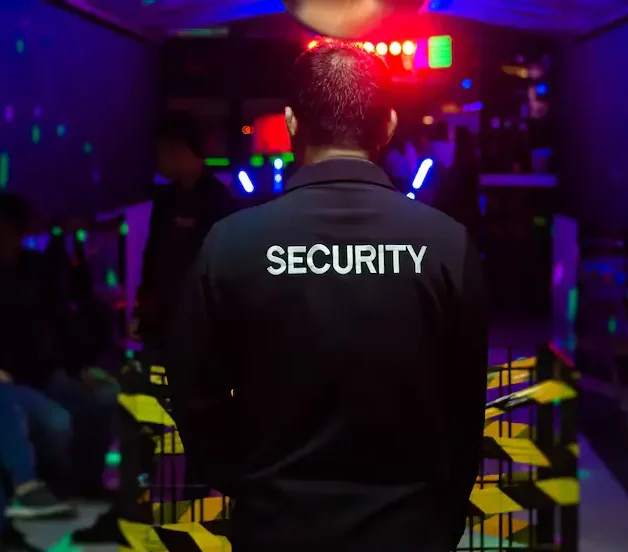
Starting a career in the private security industry can be an attractive option for people looking for flexible employment, varied working environments and opportunities to develop practical skills. In London, security professionals work across licensed premises, events, commercial buildings, retail locations, construction sites and other environments.
One of the most common questions for people entering the industry is simple: how soon can you start working after obtaining an SIA licence?
The answer depends on several stages. Completing training is not the same as receiving an SIA licence, and receiving a licence does not automatically mean that a job is already available. Understanding the process can help new applicants plan their training, application and job search more realistically.
For anyone considering a Door Supervisor Course London, it is particularly useful to understand what happens after the course, how the licensing process works and what factors can affect the time before starting employment.
Understanding the Difference Between Training and Licensing
The first step is understanding that an SIA licence and a security qualification are two different things.
For many front-line security roles, applicants must first complete the relevant licence-linked qualification. The qualification demonstrates that the individual has completed the required training. The SIA licence is the legal authorisation required to carry out regulated security activities.
Completing a training course therefore does not automatically give someone permission to work in a licensed security role.
The SIA states that applicants for front-line licences generally need to hold the appropriate qualification before applying. Applicants must also meet other requirements, including being at least 18 years old and completing identity and criminal record checks where applicable.
This means that a new entrant should think of the process as a series of stages rather than one event:
Training → Qualification → SIA application → Checks → Licence decision → Employment
The time required at each stage can vary.
Step One: Complete the Required Training
Before applying for a front-line licence, you normally need to complete the appropriate qualification for the activity you intend to undertake.
For door supervision, this means completing the relevant SIA-approved training and assessment requirements.
Training introduces candidates to subjects that are relevant to professional security work. Depending on the qualification, these can include legal responsibilities, communication, conflict management, physical intervention, emergency procedures and other areas relevant to the role.
The amount of time required to complete training depends on the qualification, the training provider and the course schedule.
Some providers offer intensive programmes, while others spread training across several weeks. Candidates should consider the full timetable rather than simply looking at the advertised number of days.
Completing the course quickly can make someone eligible to move to the next stage sooner, but it does not guarantee that the SIA licence will be issued immediately afterwards.
Step Two: Receive Your Qualification
After completing the required training and assessments, the qualification needs to be processed.
This is an important stage because the SIA needs evidence that the applicant has completed the required qualification before the relevant licence can be granted.
The exact administrative process can depend on the qualification and awarding organisation. Candidates should therefore keep their course documentation and follow instructions provided by their training provider.
If there are delays in qualification processing, the licence application may also be affected.
This is one reason it is useful to choose a reputable training provider and ask questions about the qualification process before enrolling.
Step Three: Apply for the SIA Licence
Once the necessary qualification requirements have been met, the applicant can proceed with the SIA licensing process.
The SIA application involves providing personal information and completing the checks required by the regulator.
Applicants need to provide appropriate identity documentation and information about their history where required. The SIA uses this information to assess whether the applicant meets its licensing criteria.
It is important to complete the application accurately. Missing information, incorrect documents or difficulties confirming identity can cause delays.
Applicants should therefore read the instructions carefully and respond promptly if the SIA asks for additional information.
How Long Does an SIA Application Take?
There is no single guaranteed timeframe for every applicant.
Some applications may progress relatively quickly, while others can take longer because of additional checks or complications involving identity, criminal record information, overseas history or other circumstances.
The SIA explains that licence processing times can vary and that applicants may be contacted if additional information is required.
This means that candidates should avoid making firm employment commitments based on an assumed licensing date.
Instead, it is sensible to allow some flexibility between submitting the application and receiving the final licence decision.
What Can Cause a Delay?
Several factors can affect the time required to process an application.
Identity Verification
The SIA needs to establish that the applicant is who they claim to be. If identity documents are incomplete, unclear or difficult to verify, further information may be required.
Providing accurate and valid documentation can help avoid unnecessary delays.
Criminal Record Checks
The SIA conducts criminality checks as part of the licensing process.
A criminal record does not automatically mean that a person cannot obtain an SIA licence. The regulator considers relevant circumstances under its licensing criteria.
However, applications involving additional checks may take longer than straightforward applications.
Applicants should provide accurate information rather than attempting to hide previous convictions or other relevant history.
Overseas Residence
People who have lived outside the UK for certain periods may have additional requirements relating to criminal record information.
Obtaining documentation from another country can sometimes take time. This means applicants with overseas history should start preparing relevant documents as early as possible.
Incorrect Application Information
Small mistakes can create avoidable delays.
An applicant should make sure that names, dates, addresses and other information are entered correctly and consistently with official documentation.
If the SIA requests additional information, responding promptly can also help keep the application moving.
Can You Work While Your Application Is Being Processed?
This is an important question for new security professionals.
Generally, a person cannot simply start carrying out regulated front-line security activities because they have completed their training or submitted an SIA application.
The relevant licensing rules need to be followed before undertaking licensable work.
There are some circumstances in which an individual may be able to work under specific arrangements, such as the rules surrounding licence-linked employment or temporary arrangements, but these should never be assumed.
Employers are responsible for checking that security personnel have the appropriate authority to perform the duties assigned to them.
Anyone unsure about whether they can legally work while waiting for a licence should check the current SIA guidance and confirm the position with the prospective employer.
When Should You Start Looking for a Job?
You do not necessarily need to wait until your licence has been issued before preparing for employment.
In fact, starting your job search early can be useful.
While completing training, candidates can research employers, understand the types of vacancies available in their area and prepare their CV.
This does not mean claiming to be licensed when you are not. Instead, it means preparing for the employment stage so that you are ready once you become eligible to work.
A candidate can research security companies, event security providers, retail security positions, licensed premises and other potential employers.
It is also useful to understand the shift patterns commonly offered in London.
Some security jobs operate during daytime hours, while others involve evenings, nights, weekends or rotating shifts. Understanding these requirements can help candidates identify suitable vacancies.
What Employers Look For
Having the appropriate licence is an essential requirement for many security positions, but employers can consider other factors as well.
Professional communication is particularly important for door supervisors because the role involves regular interaction with members of the public.
Employers may also value:
- Reliability and punctuality
- Professional presentation
- Good communication
- Conflict management skills
- Awareness of surroundings
- Ability to follow instructions
- Teamwork
- Accurate incident reporting
- Calm behaviour under pressure
- Flexibility with working hours
Security work involves responsibility. Employers want people who can follow procedures and make sensible decisions rather than simply relying on physical strength.
Preparing Your CV
A good CV can make the transition from training to employment easier.
A new applicant may not have previous security experience, and that is not necessarily a barrier to entering the industry.
Instead, the CV can highlight transferable skills from previous employment.
For example, experience in customer service can demonstrate communication skills. Hospitality experience can show that the applicant is comfortable working with the public. Warehouse or site work may demonstrate awareness of procedures and responsibility.
Training and qualifications should also be presented clearly.
If an applicant has completed the required course but is waiting for the licensing process to be completed, the CV should state the situation accurately.
Applicants should never describe themselves as SIA licensed before the licence has actually been issued.
Working in London’s Security Industry
London provides a wide variety of potential security environments.
Door supervisors may work in restaurants, pubs, bars, nightclubs, entertainment venues and events. Security guards may work in offices, warehouses, construction sites and commercial buildings.
The working environment can influence the skills required.
For example, a busy entertainment venue may require frequent communication with members of the public, while a commercial site may place greater emphasis on access control and site monitoring.
Understanding these differences before applying for jobs can help new security professionals target positions that match their skills and expectations.
Does a Door Supervisor Licence Offer More Flexibility?
For some candidates, the broader scope associated with a Door Supervisor licence can be attractive.
The SIA explains that a Door Supervisor licence also covers security guarding activities. By contrast, a Security Guard licence does not cover door supervision.
This means someone interested in both types of work may consider door supervision as part of their career planning.
However, the decision should be based on the type of work the individual actually wants to perform.
Door supervision can involve challenging public-facing situations, particularly in busy licensed premises and entertainment environments. Candidates should therefore consider the responsibilities of the role rather than choosing a qualification simply because it appears broader.
Keeping Your Licence and Training Up to Date
Getting the first licence is not the end of the process.
Security professionals need to remain aware of SIA requirements and any changes affecting their licence.
For example, the SIA introduced new refresher training requirements for door supervisors and security guards from 1 April 2025. People renewing these licences must complete the appropriate refresher qualification and have the required first aid qualification or equivalent before taking the refresher training.
This change demonstrates why security professionals should periodically check official SIA guidance instead of relying on information they received when they first entered the industry.
Licence holders should also pay attention to their licence expiry date and allow enough time to complete any required renewal training and application procedures.
How to Make the Transition Faster
Although applicants cannot control every part of the licensing process, they can reduce avoidable delays.
First, choose the correct qualification for the role you want to pursue.
Second, complete the course requirements properly and keep all relevant documentation.
Third, prepare identity documents and other information before beginning the application.
Fourth, provide accurate information throughout the process.
Fifth, respond quickly if the SIA requests additional documents or clarification.
Finally, begin preparing for employment before the licence is issued so that you are ready to apply for suitable positions when legally permitted.
These steps cannot guarantee a particular licensing timeframe, but they can make the overall process more organised.
Is It Possible to Start a Security Career Quickly?
Yes, it can be possible to enter the security industry relatively quickly, but the exact timeframe depends on individual circumstances.
Someone who already has the necessary documentation, completes the required training promptly and has a straightforward licensing application may progress more efficiently than someone whose application requires additional checks.
The key point is that there is no universal number of days between finishing a course and starting work.
The process involves several separate stages, and each stage needs to be completed correctly.
Candidates should therefore avoid companies or individuals promising guaranteed licences or immediate employment. Licensing decisions are made through the appropriate regulatory process, and legitimate training providers should clearly explain what their course does and does not provide.
Final Thoughts
Starting work in London’s private security industry involves more than completing a training course. Candidates need to understand the difference between obtaining a qualification, applying for an SIA licence and becoming legally eligible to perform regulated security duties.
For someone considering a career as a door supervisor, planning ahead can make the process much easier. Completing the appropriate training, preparing documentation, submitting accurate information and beginning an organised job search can all help create a smoother transition into employment.
A Door Supervisor Course London can provide the training foundation required for the relevant licensing route, but candidates should always check the latest SIA requirements before applying for a licence or starting work.
Ultimately, the time it takes to begin a security career depends on the individual applicant, their qualification, the completeness of their application and the checks required. Rather than focusing only on speed, prospective security professionals should focus on completing every stage correctly and entering the industry with the knowledge, qualifications and professional attitude required for the role.