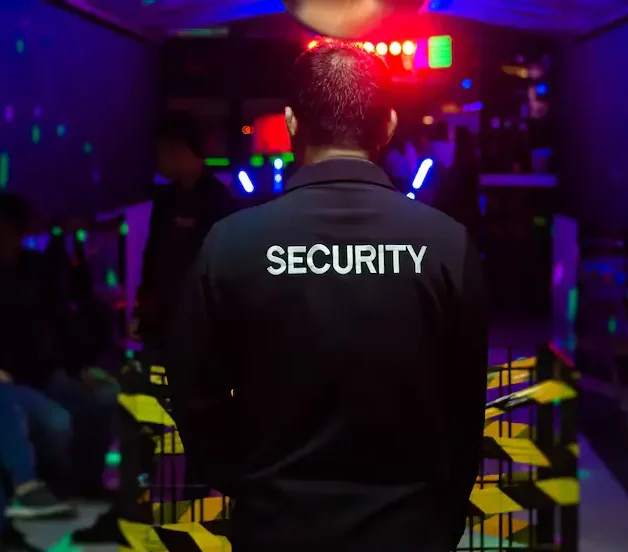
Door supervision is often associated with checking identification, controlling access and maintaining order at licensed premises and events. However, effective door supervision involves much more than physical presence. Communication is one of the most important professional skills a door supervisor can develop because many situations can be resolved through clear, calm and respectful interaction before they become serious incidents.
A door supervisor may communicate with customers, venue managers, colleagues, emergency services, contractors and other professionals during the same shift. Each interaction can require a different approach. Being able to explain a decision, listen carefully, manage disagreement and pass accurate information to colleagues can directly contribute to safety.
For anyone considering a career in the private security industry, communication should therefore be treated as a core professional skill alongside knowledge of legal responsibilities, conflict management and physical intervention.
Why Communication Matters in Door Supervision
Door supervisors frequently work in environments where emotions can change quickly. Licensed premises may become busy, particularly during evenings, weekends and special events. Customers may be excited, frustrated, intoxicated or confused about venue policies.
A communication mistake can sometimes turn a minor disagreement into a larger confrontation. Conversely, a calm explanation can help prevent unnecessary escalation.
Effective communication allows a door supervisor to:
- Explain venue rules clearly
- Give customers understandable instructions
- Identify potential problems at an early stage
- Manage disagreements professionally
- Obtain useful information from people involved in incidents
- Coordinate effectively with colleagues
- Communicate with venue management
- Provide accurate information when emergency services become involved
- Record and report incidents properly
Communication is therefore closely connected to prevention. A professional door supervisor does not simply react to incidents; they continually observe, communicate and make decisions to maintain a safe environment.
Active Listening
One of the most useful communication skills for door supervisors is active listening.
Active listening means paying attention to what someone is actually saying instead of preparing a response before they have finished speaking. This becomes particularly important when dealing with complaints or disagreements.
For example, a customer may believe they have been refused entry unfairly. Interrupting them immediately may increase frustration. Allowing them to explain their concern can provide an opportunity to understand what has happened.
Active listening includes:
- Giving the person appropriate attention
- Allowing them to explain their concern
- Asking relevant questions
- Avoiding unnecessary interruptions
- Clarifying information when something is unclear
- Remaining focused on the situation rather than becoming personally involved
Listening does not mean agreeing with everything a person says. A door supervisor can listen respectfully while still applying the venue’s policies and making an appropriate decision.
Speaking Clearly and Confidently
A door supervisor may need to communicate instructions in environments where there is significant background noise. Clubs, concerts and busy venues can make ordinary conversation difficult.
Clear speech can reduce misunderstandings.
Instructions should generally be straightforward and easy to understand. Instead of using complicated language, a door supervisor can explain what is required in a direct and professional manner.
Confidence is also important. There is a difference between being confident and being aggressive.
A confident communication style can involve:
- Speaking at an appropriate volume
- Using clear language
- Maintaining professional body language
- Giving reasonable instructions
- Avoiding unnecessary arguments
- Remaining composed when challenged
Aggressive communication, on the other hand, can make people defensive and may unnecessarily increase tension.
Remaining Calm Under Pressure
Door supervisors may encounter people who are angry, upset or verbally confrontational. The ability to remain calm is therefore essential.
People often respond to the behaviour of the person speaking to them. If a door supervisor becomes visibly angry, raises their voice unnecessarily or responds with insults, the situation may escalate.
Remaining calm does not mean ignoring inappropriate behaviour. It means maintaining professional control while addressing the situation.
A calm approach can include speaking slowly, using neutral language and avoiding emotional reactions.
For example, if someone begins shouting, responding by shouting louder is unlikely to improve communication. A composed response can help maintain control and provide an opportunity for the situation to settle.
Conflict Management
Conflict management is closely connected with communication.
Door supervisors may encounter disagreements over entry decisions, venue rules, identification, behaviour or removal from premises. Not every disagreement develops into violence, and early communication can sometimes prevent further escalation.
Useful conflict-management communication includes:
- Listening to the person’s concern.
- Identifying the main issue.
- Explaining the relevant rule or decision.
- Avoiding provocative language.
- Providing clear instructions where appropriate.
- Allowing reasonable opportunities for the person to comply.
- Seeking assistance when necessary.
The objective is not to “win” an argument. The objective is to maintain safety and deal with the situation professionally.
Non-Verbal Communication
Communication is not limited to spoken words.
Body language can influence how a door supervisor is perceived. Posture, facial expression, distance, gestures and eye contact can all affect an interaction.
Professional body language can help communicate confidence without appearing threatening.
A door supervisor should be aware of:
- Standing posture
- Facial expressions
- Hand movements
- Personal space
- Positioning
- Eye contact
- Tone of voice
For example, standing extremely close to an agitated person may increase their sense of confrontation. Maintaining appropriate personal space can create a more professional interaction.
Body language should also support verbal communication rather than contradict it.
Tone of Voice
The words used during an interaction are important, but tone can be equally significant.
The same sentence can sound completely different depending on whether it is delivered calmly, sarcastically, aggressively or respectfully.
Door supervisors should generally aim for a professional and controlled tone. This is especially important when giving instructions or explaining decisions.
A respectful tone can help maintain cooperation, while an unnecessarily hostile tone may cause a person to become defensive.
This does not mean every situation requires a soft approach. The communication style should reflect the circumstances while remaining professional and proportionate.
Giving Clear Instructions
Door supervisors may need to give instructions to customers or colleagues.
Instructions should be clear enough that the recipient understands what is expected.
For example, if a person is asked to leave a restricted area, simply saying “Move” may create confusion or appear unnecessarily confrontational. A clearer explanation could identify the area and what the person needs to do next.
Clarity can be particularly important when dealing with people who are confused, distressed or affected by alcohol.
A door supervisor should avoid giving multiple complicated instructions at once when a simple step-by-step explanation would work better.
Dealing With Intoxicated Customers
Licensed venues frequently involve customers who have consumed alcohol. Alcohol can affect judgement, behaviour, coordination and communication.
A person who is intoxicated may misunderstand instructions or become frustrated more quickly.
This makes communication especially important.
Door supervisors should avoid unnecessarily provocative language and should explain relevant decisions as clearly as possible. If the person is not understanding the explanation, repeating the same point calmly may be more effective than becoming frustrated.
Observation is also important. Communication should be considered alongside the person’s behaviour and the overall circumstances.
Dealing With People From Different Backgrounds
London is a diverse city, and door supervisors may interact with people from many cultural and linguistic backgrounds.
Professional communication requires awareness that people may have different communication styles, levels of English proficiency and expectations.
A door supervisor should avoid making assumptions about someone based on their accent, appearance, nationality or background.
Where a language barrier exists, using simple language and repeating important information may help. In situations requiring more formal assistance, the appropriate support or venue procedures should be followed.
Respectful communication contributes to a professional environment and can reduce unnecessary misunderstandings.
Communicating With Colleagues
Door supervision is often a team activity.
Effective communication between security personnel helps colleagues maintain awareness of what is happening around the venue.
A door supervisor may need to tell colleagues about:
- A developing incident
- A person who has been refused entry
- A potential safety concern
- Changes in access arrangements
- A customer requiring assistance
- An incident requiring management attention
Information should be communicated accurately rather than exaggerated.
For example, saying that someone “looked suspicious” provides limited useful information. Describing observable behaviour is generally more helpful, such as explaining what the person did, where they were and what happened.
This distinction between observation and assumption is an important professional communication principle.
Radio Communication
Many security teams use radios to communicate during shifts.
Radio communication should be concise because multiple members of a team may need access to the same communication channel.
Good radio communication generally involves:
- Identifying the appropriate colleague or team
- Giving relevant information
- Speaking clearly
- Avoiding unnecessary conversations
- Confirming important instructions
- Protecting confidential information
The objective is to communicate useful information quickly without creating confusion.
Door supervisors working at large venues or events may rely heavily on radio communication because team members can be positioned in different areas.
Communicating With Venue Management
Door supervisors also need to communicate professionally with managers and other authorised venue staff.
Management may need information about incidents, customer complaints, access issues, safety concerns or operational problems.
When reporting an incident, factual communication is particularly important.
A professional report should focus on what happened, when and where it happened, who was involved and what actions were taken, where those details are relevant.
Personal opinions should not replace factual observations.
Accurate communication helps management make informed decisions and can also support later investigations.
Writing and Incident Reporting
Communication skills also include written communication.
Door supervisors may be required to complete incident reports, handover notes or other workplace records depending on their role and employer.
Written information should be:
- Accurate
- Clear
- Objective
- Relevant
- Legible where handwritten
- Completed according to workplace procedures
An incident report should distinguish between what the writer personally observed and information received from another person.
For example, there is a significant difference between writing “the customer was violent” and recording specific behaviour that was observed. Objective descriptions provide more useful information to management and other relevant parties.
Communicating With Emergency Services
Serious incidents may require contact with emergency services.
In these situations, clear communication becomes particularly important. Information should be factual and relevant.
Depending on the circumstances, security personnel may need to communicate details about the location, nature of the incident, people involved and immediate safety concerns.
Remaining calm can help ensure that important information is not forgotten or unnecessarily confused.
Door supervisors should also understand the limits of their role and follow workplace procedures when emergency services become involved.
Communication and Professional Boundaries
Being approachable does not mean becoming overly familiar with customers.
Door supervisors should maintain professional boundaries. They represent their employer or security company and may be responsible for enforcing venue policies.
Personal arguments, insults or emotional reactions should be avoided.
Professional boundaries also help ensure that decisions are based on relevant circumstances rather than personal preferences.
A good door supervisor can be firm while remaining respectful.
Communication During Entry Decisions
Entry decisions can be sensitive because customers may feel disappointed or embarrassed when they are refused entry.
The communication surrounding such decisions can influence how the situation develops.
Where appropriate, the door supervisor should explain the relevant reason clearly without unnecessarily debating the decision.
If a venue has specific entry policies, those policies should be applied consistently and according to the instructions and legal framework relevant to the role.
The aim should be to communicate the decision professionally rather than turn the interaction into an argument.
Communication During Ejections or Removals
When someone needs to leave a venue, communication can remain important even when the person is unwilling to cooperate.
A door supervisor should understand the legal and operational procedures relevant to the situation and communicate appropriately.
The person may need to be given clear information about what is expected. If communication fails or the situation becomes unsafe, the door supervisor should follow the appropriate procedures and seek assistance where necessary.
Communication should never be viewed as a substitute for following the law, workplace procedures or appropriate safety measures.
Emotional Intelligence
Emotional intelligence is another valuable skill for security professionals.
It involves recognising emotions, understanding how behaviour can affect an interaction and controlling one’s own emotional response.
A door supervisor who can recognise that someone is becoming increasingly frustrated may be able to adjust their communication before the situation escalates.
This can include changing tone, allowing the person time to explain themselves or involving another member of the team when appropriate.
Emotional intelligence does not mean tolerating unacceptable behaviour. It means responding thoughtfully rather than automatically reacting.
Building Professional Trust
Good communication can also build trust.
Customers may not always agree with a security decision, but they are more likely to view the interaction as professional when they are treated respectfully.
Colleagues also need to trust that information passed between team members is accurate.
Managers need confidence that security staff will report incidents honestly and clearly.
Over time, these communication habits contribute to a professional reputation.
Developing Communication Skills Through Training
Communication is not simply a personality trait. It can be developed through training, practice and experience.
People considering security work should look for training that addresses the practical responsibilities of the role, including communication, conflict management, legal responsibilities and appropriate responses to incidents.
Those planning to work in London and considering a Door Supervisor Course London should also research the current requirements before enrolling. Training requirements and licensing arrangements can change, so current information from the Security Industry Authority should always be checked.
Final Thoughts
Communication is one of the foundations of effective door supervision.
A door supervisor may spend a large part of a shift interacting with people, making communication skills relevant to almost every aspect of the job. Listening carefully, speaking clearly, remaining calm, understanding body language, managing conflict and recording information accurately can all contribute to safer and more professional security operations.
The strongest security professionals understand that communication is not about being overly friendly or intimidating. It is about being clear, respectful, confident and appropriate for the situation.
For anyone considering a career in door supervision, developing these skills alongside the required professional training can provide a strong foundation for working effectively in London’s diverse private security environment.