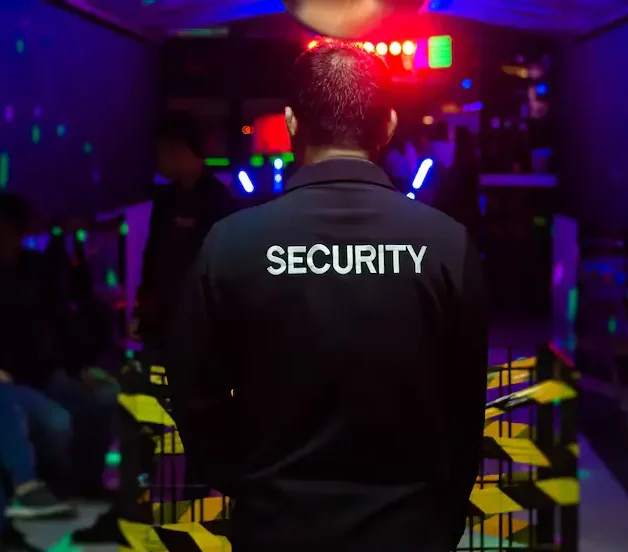
For security professionals in the UK, an SIA licence is an important part of working legally in regulated private security activities. However, obtaining a licence is not the end of the process. SIA licences have an expiry date, and anyone who wants to continue working in a licensable role needs to understand what happens when renewal becomes necessary.
Renewal is more than simply submitting another application. Depending on the type of licence, applicants may need to complete refresher training, maintain relevant qualifications and meet the current requirements of the Security Industry Authority (SIA). The process can also be different depending on whether someone is renewing an existing licence or applying for a different type of licence.
For security professionals working in London, understanding these requirements in advance can help prevent unnecessary delays or periods when they cannot legally carry out certain duties.
What Is an SIA Licence?
The Security Industry Authority regulates the private security industry in the UK. Its responsibilities include licensing individuals who carry out specific front-line security activities and setting standards for the private security sector.
Different activities require different licences. These include door supervision, security guarding, close protection, public space surveillance using CCTV and other regulated activities.
An SIA licence is therefore connected to the work a person performs rather than simply being a general qualification for employment in security.
For example, someone working as a door supervisor at a licensed venue may require a Door Supervisor licence, while someone working in a commercial building as a security guard may require a Security Guard licence.
Understanding the exact activity covered by a licence becomes especially important when renewal time approaches.
How Long Does an SIA Licence Last?
SIA licences are normally issued for a fixed period. According to current SIA guidance, front-line licences are generally valid for three years.
A licence does not automatically continue indefinitely. The licence holder is responsible for applying for renewal and ensuring they meet the applicable requirements.
This means security professionals should not wait until the final days before expiry to think about the renewal process. Training, qualifications, identity checks and other parts of an application may require preparation.
Planning ahead can reduce the risk of being unable to work because an existing licence has expired.
Renewal Is Not Exactly the Same as a New Application
One common misunderstanding is that renewing an SIA licence is identical to applying for one for the first time.
There are similarities, but the requirements can differ depending on the circumstances.
Someone applying for a licence for the first time normally needs to complete the relevant licence-linked qualification. A person renewing a licence may instead need to complete the required refresher training where applicable.
The SIA introduced changes to refresher training requirements for certain licence holders, making ongoing training an increasingly important part of maintaining eligibility.
This is particularly relevant for door supervisors and security guards.
Refresher Training for Door Supervisors
Door supervisors have responsibilities that can involve access control, conflict management, incident response and maintaining safety in busy public environments.
Because the role can involve changing risks and responsibilities, refresher training helps licence holders keep their knowledge and practical skills current.
The SIA announced that from 1 April 2025, people renewing a Door Supervisor or Security Guard licence need to complete the relevant refresher qualification before renewal. The refresher requirements include updated training elements covering areas such as physical intervention, safety and emergency procedures.
The exact training requirements should always be checked against the latest SIA guidance because regulatory requirements can change.
For someone planning to start or progress towards a career in door supervision, researching a recognised Door Supervisor Course London can also help them understand the initial qualification route before considering future renewal requirements.
Why Refresher Training Matters
Refresher training is not simply an administrative requirement.
Security professionals may encounter new procedures, updated legal expectations, different operational risks and changing workplace environments during their careers.
Regular training provides an opportunity to revisit knowledge that may not be used every day.
For example, a door supervisor may regularly deal with access control but only occasionally encounter a serious incident requiring physical intervention. Training helps ensure that important procedures remain familiar rather than being forgotten after the original qualification.
It can also reinforce the importance of using appropriate communication and de-escalation techniques whenever possible.
First Aid Requirements
First aid is another important part of the renewal process for relevant SIA licences.
The SIA states that people renewing Door Supervisor or Security Guard licences must have an Emergency First Aid at Work qualification or an equivalent qualification before completing the relevant refresher training.
This requirement reflects the nature of security work. Security personnel can be among the first people present when someone becomes injured or requires immediate assistance.
A security professional does not replace medical professionals, but basic first-aid knowledge can be valuable while appropriate emergency assistance is being arranged.
Anyone approaching renewal should therefore check whether their first-aid qualification meets the current requirements and whether it remains valid for the training they intend to complete.
Checking Your Licence Expiry Date
One of the simplest steps is also one of the most important: check the expiry date of the current licence.
Security professionals should not assume that their employer, training provider or another organisation will automatically manage the renewal.
The SIA provides online services that allow licence holders and employers to access relevant information.
Checking the date early provides time to investigate training requirements, arrange refresher courses and prepare the application.
Leaving everything until the last minute can create avoidable problems, particularly for people who depend on security work as their main source of income.
What Happens If Your Licence Expires?
An SIA licence is required for certain regulated security activities. If the licence expires, the person may no longer be legally authorised to carry out the activity covered by that licence.
This can have practical consequences for both the worker and employer.
A security company may not be able to schedule an individual for licensable duties if the required licence is no longer valid.
This is why renewal should be treated as part of professional career management rather than something to consider only when an employer asks about it.
The safest approach is to begin checking requirements well before the expiry date.
Does Renewal Guarantee Another Licence?
Completing refresher training does not mean that a licence is automatically guaranteed.
The SIA considers the application and carries out the relevant checks. Applicants must continue to meet the licensing requirements.
These can include identity verification, criminal record checks and other eligibility considerations.
The SIA can also consider information relevant to whether an individual is suitable to hold a licence.
Therefore, refresher training should be viewed as one part of the renewal process rather than the entire process.
Criminal Record and Suitability Checks
Security professionals are trusted with responsibilities that can affect the safety and security of members of the public, businesses and property.
For this reason, the SIA carries out criminal record checks as part of its licensing process.
Licence holders should understand that obtaining a licence in the past does not mean every future application will automatically receive the same outcome.
The SIA can assess relevant information under its licensing criteria.
This does not mean that every minor issue will automatically prevent someone from obtaining a licence. The regulator uses its published eligibility and criminal record guidance when assessing applications.
Anyone concerned about their individual circumstances should consult the SIA’s current guidance rather than relying on informal advice.
What If Your Personal Details Have Changed?
Renewal is also a good opportunity to ensure that the information associated with your licence remains accurate.
Personal circumstances can change over a three-year period. People may move address, change names or experience changes in identification documents.
Applicants should provide accurate information and follow the SIA’s instructions about identity and documentation.
Providing incorrect or outdated information can complicate an application.
Keeping records updated throughout the licence period can make the renewal process easier.
Changing From One Licence Type to Another
Renewal can sometimes be an opportunity to reassess career plans.
A security professional who originally chose security guarding may later decide that they want to work in licensed premises or events. Another person may progress towards close protection or another specialist area.
Each activity has its own requirements.
A person should therefore not assume that renewing one licence automatically qualifies them for every type of security work.
If the intended career direction has changed, it is worth checking the SIA’s current licensing and qualification requirements before enrolling on training.
Door Supervision and Career Flexibility
Door supervision can be an attractive route for people who want to work across different security environments.
Although the role is strongly associated with pubs, clubs and licensed venues, door supervisors may also find opportunities in events and other environments where their licence and duties are appropriate.
A Door Supervisor licence also covers security guarding activities, subject to the relevant rules. This can give licence holders greater flexibility when searching for work.
However, flexibility should not be confused with unlimited permission to perform every security activity.
Each job should be assessed according to the duties actually being performed and the licensing requirements that apply.
Planning Renewal Around Employment
Security professionals often work shifts, weekends and nights. Finding time for training can therefore be challenging.
Planning ahead allows workers to choose training dates that fit around employment.
This can be particularly useful in London, where security staff may work irregular schedules across hospitality, retail, corporate security and events.
A worker who waits until a licence is close to expiry may have fewer options for arranging training.
By preparing early, they can reduce disruption to their working schedule.
Choosing a Training Provider
When refresher training is required, the training provider should be selected carefully.
The most important consideration is whether the qualification and training meet the current SIA requirements.
Prospective learners should check the course details, qualification information, training location, assessment arrangements and any prerequisites.
They should also avoid relying solely on advertising claims. The SIA’s official information should be used to confirm what qualification is required for the intended licence.
Training is an important investment, so checking the details before booking can prevent confusion later.
What Security Professionals Should Check Before Renewal
A simple preparation process can make renewal easier.
First, check the expiry date of the current licence. Next, identify the licence category and confirm whether refresher training is required.
After that, check whether an appropriate first-aid qualification is required and whether it meets the current criteria.
The next step is to arrange the relevant training and prepare the documents needed for the SIA application.
Finally, submit the application through the official process and monitor its progress.
The exact requirements can change, so applicants should always use current SIA guidance rather than relying on information from an older course, social media post or forum discussion.
Common Renewal Mistakes
Several avoidable mistakes can make the process more difficult.
One is waiting until the licence has almost expired before checking training requirements.
Another is booking a course without first confirming that it is the appropriate qualification for the licence being renewed.
Some people may also assume that completing a course automatically renews their licence. It does not. The SIA licensing process remains separate from training.
Another common mistake is failing to check first-aid requirements where they apply.
Finally, applicants should make sure that personal information and documentation are accurate.
Taking a few minutes to check these details early can save considerable time later.
Renewal as Part of a Long-Term Security Career
An SIA licence should not be viewed simply as a card that needs replacing every few years.
The renewal cycle can be used as an opportunity to review professional development, assess career goals and identify additional skills that could be useful.
A door supervisor may decide to develop experience in event security. A security guard may want to move into a different specialist area. Someone with several years of experience may decide to pursue supervisory responsibilities.
The security industry contains a range of career paths, and continuing education can help professionals adapt as their goals change.
Staying Informed About SIA Changes
Perhaps the most important lesson about renewal is that security professionals should stay informed.
Regulatory requirements can change over time. Training standards, refresher requirements and application procedures may be updated.
The SIA publishes official guidance and announcements about licensing and training requirements. Checking those sources before starting the renewal process is the best way to ensure that information is current.
Training providers can also explain course requirements, but the regulator remains the authoritative source for licensing rules.
Final Thoughts
When an SIA licence approaches renewal, the process can involve more than submitting a simple application. Depending on the licence category, security professionals may need to complete refresher training, maintain appropriate first-aid qualifications and satisfy the SIA’s current licensing requirements.
Door supervisors and security guards are particularly affected by refresher training requirements introduced in recent years. Understanding these requirements early can help professionals avoid unnecessary interruptions to their careers.
For anyone considering entering the sector, renewal is also worth thinking about from the beginning. Choosing appropriate training, keeping qualifications current and staying informed about regulatory changes can make it easier to build a sustainable career in private security.
Whether someone is preparing for their first security qualification or planning their next renewal, the key is to use current official information, understand the licence that matches their duties and prepare well before the existing licence expires. For people interested in beginning their journey in door supervision in the capital, researching a suitable Door Supervisor Course London can be an appropriate first step towards understanding the qualification and training pathway.