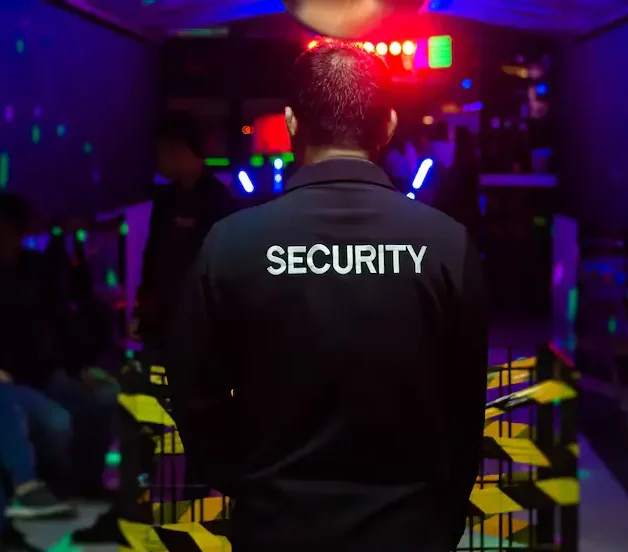

Choosing the right Door Supervisor Course in London is an important decision if you want to start a career in private security. There are many training providers advertising courses, different prices and different course formats, so it can be difficult for a beginner to know which option is suitable.
The most important point is to make sure the course leads to a qualification that is currently accepted for an SIA Door Supervisor licence. The SIA states that first-time applicants need a recognised licence-linked qualification before applying for a front-line licence.
This guide explains what to check before booking your training and how to compare providers more confidently.
Understand What You Need
Before comparing training centres, understand the qualification you actually need.
For a first-time Door Supervisor licence application, you need one of the current recognised Door Supervisor qualifications. The SIA publishes the current qualifications and awarding organisations on its official guidance.
This means you should not simply search for the cheapest “security course.”
Look specifically for a Door Supervisor qualification that meets the current SIA requirements.
A course that teaches general security skills may not provide the qualification required for the licence you want.
Check the Training Provider
One of the biggest mistakes beginners make is assuming that a training company is directly approved by the SIA.
The SIA explains that it does not directly approve or vet individual training providers. Training providers are approved by awarding organisations that offer SIA licence-linked qualifications.
The SIA provides an online search tool that allows learners to find training providers offering licence-linked training in their area.
Before booking, check the provider through the official search system and, where necessary, confirm its approval with the relevant awarding organisation.
Be particularly cautious if a company claims to be “SIA approved” without explaining its relationship with an awarding organisation.
Check the Awarding Organisation
The awarding organisation is important because it issues the qualification and uploads the qualification information to the SIA licensing system.
Current recognised awarding organisations include:
- Highfield Qualifications
- Laser Learning Awards
- NOCN
- Pearson
- Qualifications Network (QNUK)
- SFJ Awards
The SIA’s current guidance also discusses BIIAB, but states that it will not accept BIIAB qualifications granted on or after 10 August 2026.
This is particularly important for anyone booking a course now.
Do not rely on an old blog post, social media advertisement or outdated course page. Check the current SIA information before making payment.
Look at the Complete Course Content
A good Door Supervisor Course should cover the areas required for the relevant licence-linked qualification.
The published SIA training requirements include subjects relating to security industry knowledge, Door Supervisor responsibilities, conflict management and physical intervention.
Before enrolling, ask the provider:
- What qualification will I receive?
- Which awarding organisation issues it?
- How many training hours are included?
- What assessments are required?
- Is physical intervention included?
- Is the first aid qualification included or separate?
- What study materials are provided?
A provider should be able to answer these questions clearly.
Check the Course Duration
Do not choose a course simply because it appears to be shorter.
The SIA’s published Door Supervisor requirements specify 45 hours of training, with training delivered over a minimum period of four days where distance learning has been used.
If an advertisement promises a qualification through an unusually short course, investigate carefully.
Ask the provider how its schedule meets the current SIA and awarding-organisation requirements.
A legitimate provider should be transparent about the structure and duration of the training.
Compare Course Prices Carefully
Price is obviously important, but the cheapest course is not always the best choice.
When comparing prices, find out exactly what is included.
One provider might advertise a low course fee but charge separately for:
- Registration
- Assessment fees
- Learning materials
- First aid
- Resits
- Certification
- Administration
Another provider may include several of these costs in one package.
Create a simple comparison based on the total cost, rather than the headline price.
Check the First Aid Requirement
First aid is an important part of the process.
The SIA requires learners to have an appropriate first aid qualification before taking the training required for a full Door Supervisor qualification. The first aid qualification must have at least another 12 months of validity when the training begins.
Ask your provider whether:
First aid is included
or
You need to complete it separately.
If you already have a first aid qualification, ask the provider to confirm whether it meets the current SIA requirements.
Consider the Training Location
London is a large city, so location matters.
A course may look attractive online but become inconvenient if you need to spend several hours travelling each day.
Consider:
- Distance from home
- Public transport
- Travel time
- Course start time
- Parking availability
- Training venue facilities
A convenient location can make it easier to attend every session on time.
Look at the Training Schedule
Different learners have different schedules.
Some people may prefer weekday training, while others may need weekend or evening options.
Before booking, check the complete timetable.
Make sure you can attend every required session.
Missing training can create unnecessary problems, particularly when practical sessions and assessments are involved.
Ask About Assessment Arrangements
Assessment is an important part of obtaining the qualification.
The SIA explains that applicants need to complete recognised training and pass the relevant assessments before proceeding with the licensing process.
Ask the provider:
- How are the assessments conducted?
- When do assessments take place?
- Are assessment fees included?
- What happens if I fail?
- Is a resit available?
- How much does a resit cost?
Understanding the assessment process before booking can prevent surprises later.
Check Whether Physical Training Is Included
Physical intervention is an important part of Door Supervisor training.
The published requirements include a Physical Intervention Skills Module as part of the Door Supervisor training route.
Ask about the practical training arrangements before enrolling.
Find out what clothing and footwear you need and whether the provider has an appropriate practical training environment.
A provider that clearly explains the practical element is generally easier for beginners to prepare for.
Consider Class Size
Class size can affect your learning experience.
A very large group may mean less individual attention, while a smaller class may give you more opportunities to ask questions and practise skills.
Ask the training provider how many learners are normally in a class.
You should also ask how practical exercises are organised.
This is especially relevant for physical intervention training, where learners need appropriate instruction and supervision.
Check the Trainers’ Experience
The quality of instruction can make a major difference.
The SIA requires training providers and trainers to meet specific requirements, including appropriate qualifications, experience and approval arrangements.
You can ask the provider about the trainers’ experience and qualifications.
An experienced trainer should be able to explain complex security subjects in straightforward language and connect classroom learning with realistic workplace situations.
Read Reviews Carefully
Online reviews can provide useful information, but do not rely on reviews alone.
Look for patterns in feedback about:
- Trainer quality
- Course organisation
- Communication
- Assessment preparation
- Facilities
- Professionalism
- Administration
Be cautious about choosing a provider solely because it has hundreds of five-star reviews.
Look for detailed and recent feedback rather than focusing only on the overall rating.
Avoid Unrealistic Promises
Be careful with advertisements that make unrealistic promises.
A training provider cannot guarantee that you will automatically get a security job simply because you complete its course.
Similarly, passing a course does not automatically mean you have an SIA licence.
The SIA confirms that once you successfully obtain the required qualification, the awarding organisation must notify the SIA before you can submit your licence application.
A professional provider should explain the process honestly rather than promising guaranteed employment.
Understand the Difference Between Qualification and Licence
This is one of the most important things for beginners to understand.
Course → Qualification → SIA Licence Application → Licence → Licensed Work
Completing your training gives you the qualification needed for the next stage.
It does not automatically give you an SIA licence.
You must complete the separate licensing process and meet the SIA’s requirements.
Understanding this distinction can prevent confusion when comparing training providers.
Ask About Support After Training
Some providers offer help with the next steps after completing the qualification.
This might include:
- Guidance on the SIA application
- CV advice
- Job-search information
- Interview preparation
- Career advice
These services can be useful, particularly for beginners.
However, treat job-placement claims carefully. Training and employment are separate matters, and no course can guarantee a job.
Think About Your Career Goals
Before choosing a course, consider what type of security work you want to pursue.
You might eventually want to work in:
- Nightclubs
- Pubs
- Bars
- Concerts
- Festivals
- Sporting events
- Hotels
- Entertainment venues
- Private events
A Door Supervisor qualification can provide a foundation for different security environments.
If you already know the type of work you want, ask providers whether their course and additional support are suitable for your goals.
Check Current SIA Information Before Paying
SIA requirements can change, making this one of the most important steps when choosing a course.
In 2026, there have been significant changes involving BIIAB. The SIA announced that it was ending its endorsement of BIIAB and would not accept BIIAB qualifications granted on or after 10 August 2026.
This demonstrates why an old course advertisement can potentially contain outdated information.
Always check the current official SIA guidance immediately before enrolling.
A Simple Course Comparison Checklist
Before making your final decision, compare each provider using the same questions.
Qualification: Is the qualification currently accepted by the SIA?
Awarding organisation: Who issues the qualification?
Provider approval: Is the provider approved by the relevant awarding organisation?
Training hours: Does the course meet the current requirements?
First aid: Is it included or separate?
Assessments: Are assessment fees included?
Location: Is the centre convenient?
Schedule: Can you attend every required session?
Practical training: Is physical intervention included?
Total price: What will you actually pay from start to finish?
Support: What assistance is available after the course?
Reviews: What are recent learners saying?
This approach makes it easier to compare providers objectively.
Red Flags to Watch For
There are several warning signs that should make you investigate a provider more carefully.
Be cautious if a provider:
- Claims to be directly “SIA approved”
- Cannot clearly identify its awarding organisation
- Offers an unusually short route to qualification
- Does not explain assessment arrangements
- Gives unclear pricing
- Makes guaranteed job promises
- Uses outdated qualification information
- Avoids questions about approval
- Pressures you to pay immediately
A trustworthy provider should be willing to explain the course clearly before you commit.
What Makes a Good Door Supervisor Course?
A good course should provide a structured learning experience based on the current licence-linked qualification requirements.
You should expect clear information about the qualification, awarding organisation, training schedule, assessments and costs.
You should also receive appropriate practical instruction and have opportunities to ask questions.
Most importantly, the course should prepare you for the responsibilities of working professionally in private security rather than simply helping you obtain a certificate.
Frequently Asked Questions
How do I choose the right Door Supervisor Course in London?
Check that the course leads to a current SIA-recognised licence-linked qualification, verify the awarding organisation and provider approval, compare the complete cost and check the training schedule before booking.
Is there such a thing as an SIA-approved training provider?
The SIA explains that it does not directly approve or vet individual training providers. Providers are approved by awarding organisations that offer SIA licence-linked qualifications.
How do I check whether a training provider is approved?
You can use the SIA’s training-provider search tool and, where necessary, contact the relevant awarding organisation to confirm the provider’s approval.
What qualification do I need for an SIA Door Supervisor licence?
You need one of the current full licence-linked Door Supervisor qualifications recognised by the SIA. The accepted qualifications and awarding organisations are listed in the SIA’s current guidance.
Do I need first aid before starting the course?
Yes. You must have an appropriate first aid qualification before taking the required Door Supervisor training, and it must have at least 12 months remaining when you begin.
How much does a Door Supervisor Course in London cost?
Prices vary between providers and course packages. Compare the complete price, including registration, assessments, first aid, learning materials and any potential resit fees.
How long is the Door Supervisor Course?
The published SIA requirements specify 45 hours of Door Supervisor training. Where distance learning has been used, the training must be delivered over a minimum of four days.
Does the course include physical intervention?
Physical intervention is part of the required Door Supervisor training route. Check with your provider for the exact practical training and assessment arrangements.
Can a training provider guarantee me a security job?
No responsible provider should imply that completing training automatically guarantees employment. The qualification and SIA licensing process are separate from finding an employer.
Should I choose the cheapest course?
Not necessarily. Compare qualification recognition, provider approval, course content, assessments, location, support and the total cost before deciding.
Conclusion
Choosing the right Door Supervisor Course in London requires more than comparing prices.
Start by checking the current SIA requirements and identifying a recognised Door Supervisor qualification. Then verify the awarding organisation and training provider, confirm the course structure, check first aid requirements and compare the total cost.
Pay particular attention to current qualification changes. The SIA’s 2026 guidance shows why checking official information is essential, especially regarding awarding organisations and accepted qualifications.
A well-chosen course can give you the knowledge, practical skills and recognised qualification needed to move towards an SIA Door Supervisor licence and begin your security career.
For the latest provider information, use the official SIA training provider search tool and verify the qualification against the current SIA training requirements before making your booking.