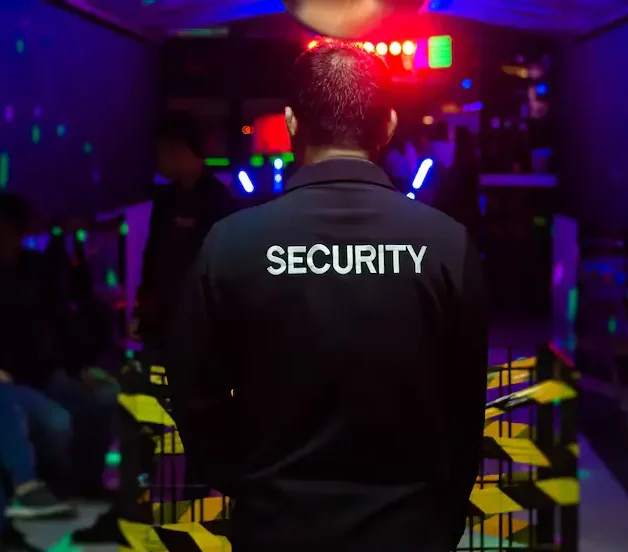

Round-the-clock security cover is one of the biggest ongoing costs for construction sites, retail units, corporate offices and event venues across the UK. But the price is often misunderstood, because “24-hour security” rarely means one guard working a full day non-stop. It means a rotating team, careful shift planning, and a cost structure that shifts depending on the hour, the risk, and the location. This guide breaks down what round-the-clock manned guarding actually costs in the UK in 2026, what drives the price up or down, and where SIA-licensed door supervisors fit into the picture — useful reading if you’re also weighing up training routes such as a Door Supervisor Course in London.
Why One Guard Can’t Cover 24 Hours Alone
Under the Working Time Regulations, employees are entitled to rest breaks and limits on consecutive working hours, so a single lone worker cannot legally or safely staff a full day on their own. Fatigue also becomes a genuine safety risk on any site that runs through the night. In practice, “24-hour cover” is delivered through shift patterns — usually two 12-hour shifts or three 8-hour shifts — with different guards handling the day and the night. This is the first thing to budget for: you are paying for a team, not a single person’s daily wage.
Average Hourly Rates in the UK (2026)
Rates vary widely depending on location and the type of work involved. As a general guide for 2026:
- Standard day-shift manned guarding: roughly £14–£25 per hour outside London, rising to £28–£35+ in London and the South East
- Night shifts: typically £16–£25 per hour, reflecting a 15–25% premium over daytime rates
- Weekend and bank holiday cover: can add a further 25–50% on top of the standard rate
- High-risk or specialist assignments (construction sites, close protection, surveillance work): often £25–£45 per hour
Quotes that sit well below £14 an hour outside London are worth treating with caution — at that price a company is unlikely to be covering SIA licensing, vetting, insurance and a fair wage all at once.
What a Full Day of Cover Actually Costs
Once you combine a day shift and a night shift into one 24-hour period, the numbers add up quickly. A 12-hour day shift at a standard rate might land around £200–£250, while a 12-hour overnight shift — with its premium — often comes to £280–£420, particularly on higher-risk sites like construction. Put together, a single day of genuine 24-hour cover commonly falls somewhere between £480 and £670, before any weekend or bank holiday uplift.
Scaled up, that puts a full week of continuous cover in the region of £3,500–£4,500, and a month of round-the-clock guarding anywhere from £5,500 to £10,000 for a standard commercial site. Larger corporate premises in London with more complex requirements can see monthly spend climb well beyond that, sometimes into the tens of thousands, once multiple entry points, CCTV monitoring and reception-style duties are factored in.
London vs the Rest of the UK
Location has a bigger impact on price than almost any other factor. Guards in London and the South East typically command 20–40% more than the same role in the Midlands, Yorkshire or the North of England, driven by higher living costs and stronger demand. A provincial construction site might budget £5,500–£8,500 a month for full cover, while a London corporate building with continuous on-site presence can sit closer to £25,000+ a month. If your business operates across multiple regions, it’s worth pricing sites separately rather than assuming one national rate applies.
What Pushes the Price Up
Several factors combine to determine the final hourly rate:
- Site risk — construction sites, cash-in-transit and high-value retail carry a premium over low-risk office reception work
- Time of day — evenings, nights, weekends and bank holidays all attract extra pay
- Specialist licensing — door supervision, CCTV operation and close protection all require additional SIA qualifications, which is reflected in the rate
- Vetting standards — guards vetted to BS 7858 (the industry standard for pre-employment screening) typically cost more than unvetted staff
- Contract length — short-notice or one-off bookings usually cost more per hour than long-term contracts
Getting Better Value Without Cutting Corners
The cheapest quote is rarely the best value, since a rate that’s too low often means gaps in licensing, vetting or insurance. A few ways businesses genuinely reduce cost without compromising safety:
- Agreeing a fixed daily or weekly rate instead of paying hourly, which often works out cheaper for longer shifts
- Committing to a longer contract, since many providers offer a discount for annual agreements
- Combining static guarding with technology such as CCTV and remote monitoring to reduce the number of physical hours needed
- Reviewing whether every hour genuinely needs a licensed guard, or whether some periods could be covered by alarm response instead
Where Door Supervisors Fit Into 24-Hour Security
Not every 24-hour contract calls for the same type of licence. Pubs, clubs, hotels and licensed venues that need cover through the evening and into the night specifically require SIA-licensed door supervisors, rather than a general security guard licence. Demand for trained door supervisors has stayed strong in London in particular, where evening and night-time economy venues make up a large share of the 24-hour security market. Anyone looking to move into this side of the industry, or add a door supervisor qualification to an existing security career, can find full details of accredited training on our Door Supervisor Course in London page.
Frequently Asked Questions
How much does a 24-hour security guard cost in the UK?
A full 24 hours of cover typically costs between £480 and £670 per day once you combine a day shift and a night shift, working out to roughly £5,500–£10,000 a month for a standard commercial site. London sites and high-risk locations can cost considerably more.
Can one security guard work a full 24-hour shift?
No. Working Time Regulations and basic fatigue and safety concerns mean a single guard cannot cover a full day alone. Genuine 24-hour cover is delivered through shift patterns, usually two 12-hour shifts or three 8-hour shifts handled by different staff.
What is the average hourly rate for a security guard in the UK in 2026?
Standard day-shift rates typically range from £14 to £25 per hour outside London, and £28 to £35 or more within London and the South East. Night shifts usually add a 15–25% premium on top of the daytime rate.
Is security more expensive in London than the rest of the UK?
Yes. London and the South East typically command 20–40% higher rates than the Midlands, Yorkshire or the North, largely due to higher living costs and stronger demand for licensed guards.
How much does 24/7 security cost per month?
Most standard commercial sites budget between £5,500 and £10,000 a month for continuous cover. Larger or higher-risk sites, and corporate buildings in London, can see monthly costs rise well beyond that figure.
Do night shifts cost more than day shifts?
Yes. Night shifts typically carry a 15–25% premium over standard day rates, reflecting the less sociable hours and added responsibility of working overnight. Weekend and bank holiday shifts often add a further premium on top.
What qualifications does a UK security guard need?
All uniformed security guards in the UK must hold a valid SIA licence, which lasts three years. Additional qualifications, such as CCTV operation, first aid or a door supervisor licence, are often required depending on the type of site and hours being covered.
Why do fixed daily rates sometimes work out cheaper than hourly rates?
Fixed daily pricing spreads the cost across a longer shift, which can reduce the administrative overhead for the security provider and often works out more cost-effective than paying an hourly rate for extended cover, particularly on 12-hour shifts.
What’s the difference between a security guard and a door supervisor?
A general security guard licence covers static and mobile guarding duties, while a door supervisor licence specifically authorises someone to control entry to licensed premises such as pubs, clubs and hotels, including managing access and dealing with conflict. Anyone wanting to work in the evening and night-time economy typically needs the door supervisor qualification, which is covered in detail on our Door Supervisor Course in London page.
How can businesses reduce the cost of 24-hour security without cutting corners?
Options include negotiating a fixed daily rate rather than an hourly one, committing to a longer-term contract for a discount, pairing static guarding with CCTV or remote monitoring to reduce the hours a physical guard is needed, and reviewing whether every hour genuinely requires a licensed guard on site.