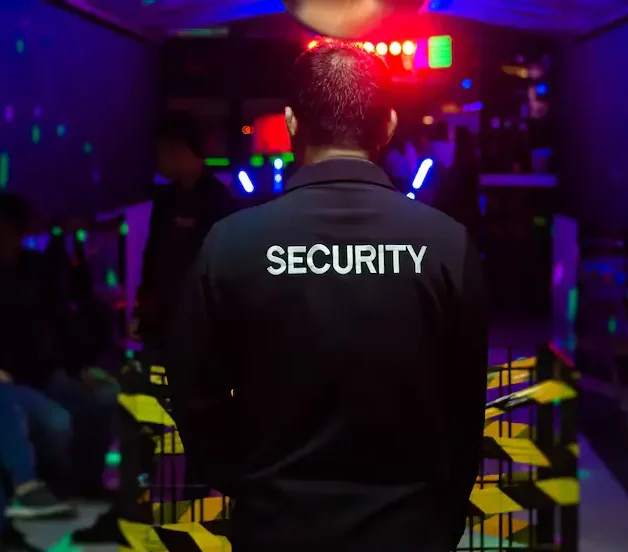
Customer Service Skills That Matter on the Door
In the contemporary UK security industry, the “door” is rarely just a physical barrier or an access point; it is the venue’s vital first point of contact and the primary setting for the entire customer experience. While your fundamental responsibility is the safety and security of the premises, your ability to provide exceptional customer service is what truly differentiates a high-performing professional from a mere gatekeeper. On the door, customer service is not about being “nice” or “accommodating”—it is a sophisticated, tactical tool for risk management, de-escalation, and brand protection. By managing the atmosphere, you are effectively reducing the likelihood of conflict before it even begins.
The Professional First Impression
The way you greet an individual dictates the tone for their entire visit. A professional, approachable, and confident demeanor can instantly set a guest at ease, making them significantly more likely to cooperate with security requests, such as bag searches, ID verification, or capacity-based entry restrictions.
- The “Welcome” Factor: Even during high-volume periods or stressful situations, a simple nod, eye contact, and a polite, audible “Good evening” humanize you. It signals that while you are the authority figure, you are present to facilitate a safe and enjoyable experience, not simply to police the crowd.
- Active Listening: When a guest has a query, a grievance, or a request, listen fully before responding. Interrupting a patron, even if you are certain you already know the answer, makes them feel devalued and disrespected. This common mistake often triggers unnecessary defensiveness, turning a minor interaction into a significant confrontation.
- Non-Verbal Communication: Body language is your most immediate form of communication. Avoid crossed arms, slouching, or staring at your phone. Standing tall with an open, relaxed, yet ready stance signals that you are confident and in control, rather than aggressive, bored, or confrontational.
De-escalation through Strategic Communication
The most critical customer service skill a door supervisor possesses is the ability to turn a potential conflict into a calm, resolved situation. This is where your communication skills move from being “service” to being “safety.”
- The Power of Empathy and “The Why”: When you are forced to refuse entry—whether due to intoxication, dress code, capacity limits, or a breach of venue policy—never do so without explanation. Using clear phrases like, “I understand you’re frustrated, and I appreciate you coming to the venue, but I cannot allow entry because…” demonstrates that you are making a principled decision based on safety policy, not a personal whim. This shifts the focus from you versus the patron to the policy versus the situation.
- Clarity and Simplicity: Avoid industry jargon, overly technical language, or aggressive tone. Use simple, direct, and unambiguous sentences. When someone is stressed, cold, or has consumed alcohol, their ability to process complex instructions is compromised. Keeping your communication simple minimizes confusion and reduces the risk of the patron feeling “talked down to.”
- Maintaining Unwavering Composure: A patron may occasionally attempt to bait you with insults, personal attacks, or aggressive posturing. A top-tier professional understands that their reaction is a conscious choice. By remaining calm, neutral, and indifferent to hostility, you retain the “moral high ground” and, more importantly, the tactical advantage. You never descend to their level, because the moment you do, you lose the professional control that the role demands.
Proactive Support for Vulnerable Guests
Part of your customer service remit is an acute, heightened awareness of the vulnerable. Whether someone has been separated from their friends, feels physically unwell, is in distress, or is being harassed, your role is to provide a “safety-first” service that transcends typical security duties.
- Proactive Assistance: If you observe someone struggling, offer assistance before they are forced to ask. Simple interventions—such as “Are you okay? Do you need a glass of water, a place to sit, or a taxi called?”—go a long way toward building genuine trust. This creates a positive reputation for the venue, which in turn makes the crowd more cooperative.
- In-Depth Knowledge: Be an expert on your venue. Being able to quickly and accurately direct someone to the nearest taxi rank, the location of the cloakroom, the status of the bar, or a quiet area if they are feeling overwhelmed is a hallmark of a professional who cares about the total guest journey.
Building Strategic Relationships
Excellent customer service extends far beyond the interaction with the guest; it encompasses how you interact with the venue’s staff and regular patrons.
- The Collaborative Mindset: View the bar staff, floor managers, and your fellow security team as partners, not separate entities. When you work seamlessly with them, the venue runs with significantly higher efficiency, which naturally results in fewer security incidents.
- Recognizing Regulars: A simple, respectful “Welcome back” to a regular patron builds lasting rapport. That relationship can prove invaluable if that same regular ever needs to be asked to leave or follow a restrictive rule later in the evening. They are far more likely to respect the request because they know, trust, and respect you as a professional.
Why This Matters for Your Career
While these may be categorized as “soft skills,” they are, in practice, the ultimate proactive security measures. When you provide a respectful, professional experience, you effectively dismantle the “us vs. them” mentality that so often precedes physical violence. When you show genuine respect to every guest, you create an environment where the vast majority of people want to follow the rules, drastically reducing the number of times you are forced to use physical force, evict a patron, or involve the police.
In short, the best door supervisors do not simply “guard” the door—they manage the entire atmosphere of the venue. When you approach every single interaction with the goal of being both professional and helpful, you protect the venue’s reputation, keep your team safe, and demonstrate that you are a high-caliber professional who understands the nuance of the modern security landscape.
Think back to a challenging interaction you recently had at the door; if you had used a different approach—perhaps focusing more on the “why” or using a calmer, more empathetic tone—do you think the outcome would have been more successful, and what is one specific phrase you can add to your “toolkit” for the next time you face a difficult guest?