
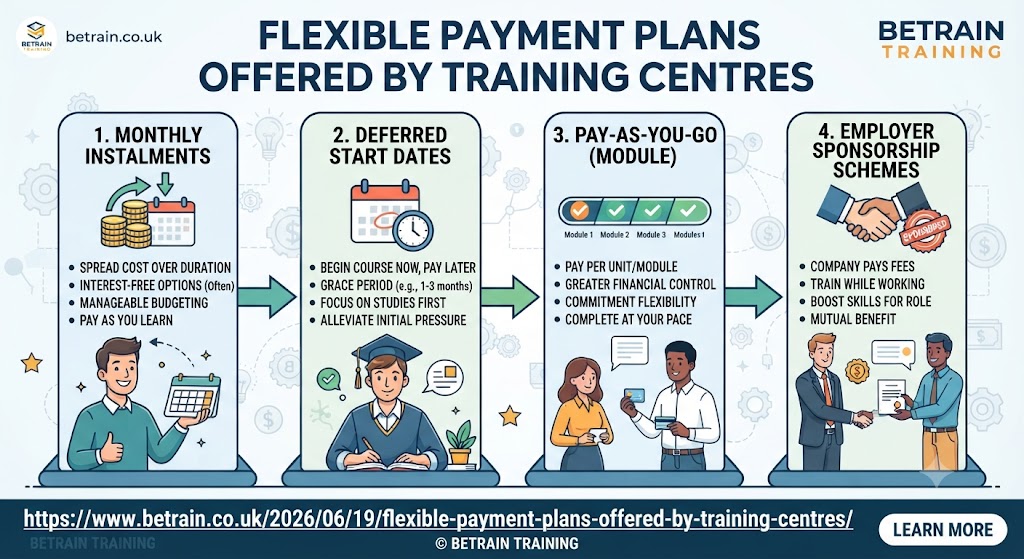
Flexible Payment Plans Offered by Training Centres
The cost of a door supervisor course in London can be a big factor for many people, especially if you are between jobs or just starting out in a new career. The good news is that many training centres now understand this and offer flexible payment plans to make the course more affordable. In this guide, we will look at the different types of payment plans available, how they work, and what to consider before choosing one.
Why Payment Plans Have Become More Common
A few years ago, most training providers only accepted full payment upfront. This meant that many people who wanted to become door supervisors simply couldn’t afford to start, even if they were fully capable of passing the course and doing the job well.
As competition between training centres has grown, many providers now offer flexible ways to pay for a door supervisor course in London. This makes training more accessible to a wider range of people, including students, career changers, and those currently unemployed but eager to start working quickly.
Common Types of Payment Plans
1. Deposit Plus Instalments
This is one of the most common options. You pay a deposit to secure your place on the course, and then pay the remaining balance in smaller instalments over a set period, such as weekly or monthly payments.
This option works well if you don’t have the full amount available right away but know you can pay it off gradually.
2. Pay After You Start Working
Some training centres offer a “pay later” or “pay when you earn” option. This means you can start the course with little or no upfront payment, and repay the cost once you start working and earning money as a door supervisor.
This can be a helpful option for people who are short on cash now but confident they will find work quickly after finishing their door supervisor course in London.
3. Buy Now, Pay Later Services
Some providers partner with third-party finance companies that offer buy now, pay later services, similar to what you might see when shopping online. This allows you to split the cost into smaller payments, sometimes interest-free if paid within a certain time frame.
4. Employer-Sponsored Training
In some cases, security companies looking to hire door supervisors may offer to pay for your training course, especially if you agree to work for them afterwards. This isn’t offered by every employer, but it’s worth asking about if you already have a security company interested in hiring you.
5. Government-Funded or Subsidised Training
Depending on your circumstances, such as being unemployed or on certain benefits, you may be eligible for funding schemes that cover part or all of the cost of your door supervisor course in London. Local job centres or council employment schemes sometimes offer this kind of support.
What to Ask About Payment Plans Before Booking
Before you commit to a payment plan, it’s worth asking the training provider a few clear questions:
- Is there an interest charge on instalment payments?
- What happens if I miss a payment?
- Do I still get my certificate if I haven’t finished paying?
- Is the deposit refundable if I can’t attend the course?
- Are there any hidden fees involved in the payment plan?
Getting clear answers to these questions helps you avoid unexpected costs down the line.
Are Payment Plans More Expensive Overall?
This depends on the provider. Some payment plans are interest-free, meaning you pay the same total amount as if you paid upfront, just spread out over time. Others may include a small added fee or interest charge for the convenience of splitting payments.
Before choosing a plan, compare:
- The total cost if paid upfront
- The total cost if paid through instalments
- Any extra administration or interest fees
If the difference is small, a payment plan can be a smart way to manage your budget without paying much extra. If the difference is large, it might be worth saving up a bit longer to pay in full instead.
Do You Get Your Certificate Before Paying in Full?
This is an important question to ask directly. Some providers will only release your final certificate once the course is fully paid off, even if you have already passed your exam. Others may release it as soon as you pass, regardless of outstanding payments.
Since you need your certificate to apply for your SIA licence, it’s important to understand this policy clearly. Ask:
- Will I receive my certificate immediately after passing, even if I still owe money?
- If not, how quickly can I get it once the balance is paid?
This can affect how soon you’re able to start applying for door supervisor jobs after finishing your door supervisor course in London.
Benefits of Flexible Payment Plans
Flexible payment options offer several advantages for students:
- Lower barrier to entry – you don’t need to save the full amount before starting
- Better cash flow management – smaller regular payments are easier to plan around
- Faster start to your career – you can begin training sooner rather than waiting to save up
- Access for more people – including students, single parents, or those between jobs
For many people, a payment plan is the difference between starting a new career now or putting it off for months while saving money.
Potential Downsides to Consider
While payment plans can be helpful, there are a few things to watch out for:
- Interest or added fees – always check if the total cost is higher than paying upfront
- Commitment even if you can’t finish the course – some plans require continued payments even if personal circumstances change
- Credit checks – some finance-based payment plans may involve a credit check, which could affect your credit score
- Late payment penalties – missing a payment could result in extra charges or even losing your place on the course
Reading the full terms and conditions before signing up for any payment plan is always a smart move.
How to Choose the Right Payment Option for You
Everyone’s financial situation is different, so the best payment option depends on your personal circumstances. Here are a few things to think about:
If You Have Some Savings But Not the Full Amount
A deposit plus instalment plan might work well. You can secure your place with a smaller upfront payment and spread the rest over a few weeks or months.
If You Have No Savings but Are Confident About Finding Work Quickly
A pay-after-you-start-working option, if available, could help you begin your door supervisor course in London without financial pressure right away.
If You’re Currently Unemployed
It’s worth checking with your local job centre or council to see if there are any funding schemes available to cover part or all of your training costs.
If You Already Have a Job Offer
Ask the security company if they offer any sponsorship or repayment support for new door supervisors, especially if they are actively trying to fill positions.
Comparing Payment Plans Across Different Providers
When comparing training centres, it helps to look beyond just the course price and consider the full payment structure. Make a simple list including:
- Total course price
- Deposit amount required
- Number and size of instalments
- Any interest or added fees
- Certificate release policy
- Refund policy if you can’t complete the course
This gives you a clearer picture of which provider offers the best overall value, not just the lowest advertised price.
Red Flags to Watch For With Payment Plans
Be cautious if a provider:
- Pressures you to sign up for a payment plan quickly without explaining the terms
- Is vague about total costs or added fees
- Doesn’t provide anything in writing about the payment schedule
- Has poor reviews specifically mentioning payment or certificate issues
Taking your time to read the details, rather than rushing into a decision, protects you from unexpected problems later.
Final Thoughts
Flexible payment plans have made it much easier for people to access a door supervisor course in London, without needing to pay the full amount upfront. Whether it’s a simple instalment plan, a pay-later option, or support through a job centre, there are more ways than ever to start your training without financial stress.
Before choosing a provider, take time to compare not just the price, but the full payment terms, including any fees, the certificate release policy, and what happens if your circumstances change. A little research now can help you choose a plan that fits your budget and gets you started on your new career with confidence.