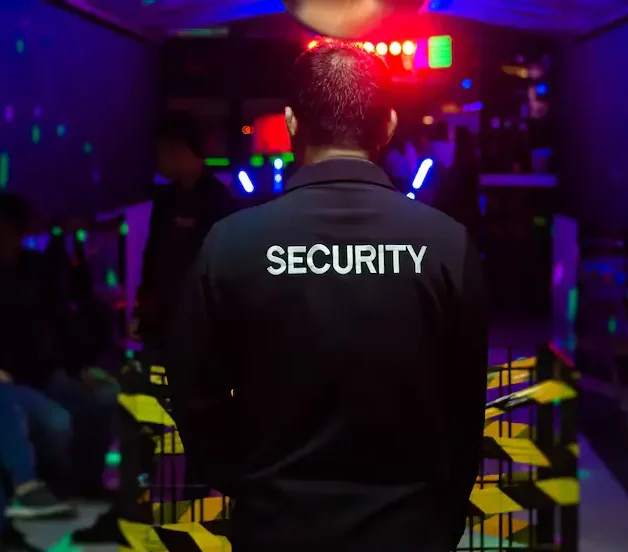

Working as a door supervisor in London is one of the most accessible ways to enter the private security industry. Pubs, clubs, festivals, and corporate events across the capital constantly need licensed, well-trained staff to manage entry points, handle conflict, and keep guests safe. If you’re considering this career path, understanding exactly how the licensing process works will save you time, money, and unnecessary stress.
This guide walks through every step of getting your SIA Door Supervisor Licence in London, from training requirements to application timelines, so you know precisely what to expect before you start.
What Is a Door Supervisor Licence?
A Door Supervisor Licence is issued by the Security Industry Authority (SIA), the body responsible for regulating private security work across the UK. It is a legal requirement for anyone working as a door supervisor, bouncer, or venue security officer in England, Scotland, and Wales. Without this licence, it is illegal to carry out licensable door supervision activities, and both the individual and the employer can face penalties.
The licence confirms that you have completed the required training, passed a criminal background check, and met the SIA’s standards of competence for managing public safety in licensed premises.
Why London Specifically Has High Demand
London’s nightlife, hospitality, and events sectors are some of the largest in the UK. With thousands of bars, nightclubs, hotels, stadiums, and concert venues operating across the city, there is a constant and growing need for trained door supervisors. Major events, seasonal demand spikes around holidays, and the city’s 24-hour licensing culture all contribute to steady job opportunities for newly licensed individuals.
Beyond nightlife venues, London also hosts a high volume of corporate functions, award ceremonies, exhibitions, and large-scale festivals throughout the year, each of which requires temporary or contracted security staff. This variety means licensed door supervisors aren’t limited to one type of venue or working pattern; many build flexible schedules that combine weekend club work with weekday event security, giving the role a level of adaptability that’s harder to find in other entry-level industries.
This makes London one of the best places in the country to start a security career, provided you go through the correct training and licensing route from the beginning.
Step-by-Step Process to Get Your Door Supervisor Licence
Step 1: Check the Eligibility Requirements
Before enrolling in any course, confirm you meet the SIA’s basic eligibility criteria. You must be at least 18 years old and legally entitled to work in the UK. The SIA will also run a criminal record check as part of your application, so it’s worth understanding in advance that certain unspent convictions can affect eligibility.
Step 2: Complete an SIA-Approved Door Supervisor Course
This is the most important step. You cannot apply for an SIA licence without first completing approved training through a recognised provider. The course is not optional reading or self-study; it involves structured classroom or practical sessions covering the legal, physical, and procedural sides of the job.
A typical door supervisor course in London covers:
- Working in the private security industry, including relevant law and SIA regulations
- Health and safety awareness for security operatives
- Fire safety procedures and emergency response
- Conflict management techniques to de-escalate confrontational situations
- Physical intervention skills, used only as a last resort and within legal limits
Courses are usually delivered over several days, combining theory with hands-on practical training, and end with assessments that must be passed to receive your certificates. Choosing a properly accredited training provider matters here, since the SIA will only accept qualifications issued by approved awarding bodies. BeTrain’s Door Supervisor Course in London is delivered as an intensive five-day, fully accredited programme covering conflict management, physical intervention, and emergency procedures, designed to get learners ready for SIA licensing without unnecessary delays.
Step 3: Pass the Required Assessments
At the end of training, you’ll sit written exams and practical assessments. These test your understanding of the law, your ability to handle conflict situations appropriately, and your competence in physical intervention techniques. Passing these assessments results in a recognised qualification, which is the document you’ll need to submit alongside your SIA licence application.
Step 4: Apply for Your SIA Licence
Once you hold a valid qualification certificate, you can apply directly to the SIA. The application is completed online and requires proof of identity, proof of your right to work in the UK, a passport-style photo, and your training certificate details. You’ll also need to pay the licensing fee.
As part of the process, the SIA conducts identity verification and a criminal record check. Processing times vary, but applicants should budget for several weeks before a decision is made.
Step 5: Receive Your Licence and Start Working
Once approved, your SIA Door Supervisor Licence will be issued, typically valid for three years. With this licence in hand, you’re legally permitted to work as a door supervisor anywhere in England, Scotland, and Wales, including across London’s bars, clubs, and event venues.
How Long Does the Whole Process Take?
From start to finish, most people complete training within a week, since door supervisor courses are usually condensed into an intensive multi-day format. After that, the SIA application and background check process is typically the longest part of the journey, often taking a few weeks depending on current processing volumes. Planning ahead, rather than leaving your application until you need to start work, is the best way to avoid delays.
Choosing the Right Door Supervisor Course in London
Not all training providers are equal, and choosing the right one affects both your learning experience and how smoothly your licence application goes afterward. When comparing options, look for providers that are properly accredited, have experienced trainers with real security industry backgrounds, offer flexible scheduling for people working other jobs, and provide clear support with the SIA application process after training ends.
If you’re searching for a reliable door supervisor course in London, BeTrain’s Door Supervisor Course is structured specifically to prepare learners for SIA licensing, combining classroom instruction with practical scenario-based training so you leave fully equipped for real working conditions.
Career Opportunities After Licensing
Once licensed, door supervisors in London can find work across a wide range of settings. These include nightclubs and bars, licensed restaurants, hotels and conference venues, sporting events and stadiums, concerts and festivals, and corporate or private security contracts. Many door supervisors also use this role as a stepping stone into broader security careers, such as close protection, CCTV operation, or security management, by completing further SIA-approved qualifications later on.
Frequently Asked Questions
1. How much does a Door Supervisor course cost in London?
Course prices vary by provider, location, and whether the course includes additional modules like First Aid. On average, expect to pay between £200 and £350 for a standard SIA-approved Door Supervisor course in London, though some providers offer package deals that include the licence application fee. It’s worth comparing what’s included before booking, since some lower-priced courses charge separately for resits, certificates, or application support, which can add hidden costs later.
2. How long does it take to get an SIA Door Supervisor Licence?
Training itself typically takes 3 to 5 days, depending on the course schedule. After that, the SIA licence application and background check process generally takes a few weeks. In total, most people can expect to be fully licensed within 4 to 8 weeks of starting their course, though this can vary based on SIA processing times.
3. Do I need any qualifications before starting a Door Supervisor course?
No prior qualifications are required to enrol in a Door Supervisor course. The course itself is designed to teach you everything needed from scratch, covering legal knowledge, conflict management, and physical intervention. You simply need to meet the minimum age requirement of 18 and be eligible to work in the UK.
4. Can I get a Door Supervisor Licence with a criminal record?
It depends on the nature and recency of the conviction. The SIA assesses applications individually based on its criteria for relevant and unspent convictions. Minor or older offences may not necessarily prevent you from getting licensed, but serious or recent convictions related to violence, dishonesty, or drugs are more likely to result in refusal. It’s best to check the SIA’s official criteria before applying if you’re uncertain.
5. Is the Door Supervisor Licence valid across the whole UK, or just London?
Once issued, an SIA Door Supervisor Licence is valid across England, Scotland, and Wales, not just London. This means you can take training and get licensed in London, then work as a door supervisor anywhere within these regions without needing a separate regional licence. This makes London training particularly attractive, since it gives you flexibility to work locally or relocate elsewhere in the UK without having to requalify.
6. What’s the difference between a Door Supervisor and a Security Guard licence?
A Door Supervisor licence specifically authorises someone to work at the entrance of licensed premises, managing access, checking IDs, and handling conflict situations involving the public. A Security Guard licence, by contrast, covers general site security duties like patrolling, monitoring CCTV, or guarding premises, and does not typically involve direct public-facing conflict management in the same way.
7. Can I work as a Door Supervisor while my SIA application is still being processed?
No, you cannot legally work in a licensable role until your SIA licence has been approved and issued. Working without a valid licence is an offence under UK law, and employers are also prohibited from allowing unlicensed individuals to carry out door supervision duties.
8. Do I need to renew my Door Supervisor Licence, and how often?
Yes, SIA Door Supervisor Licences are generally valid for three years from the date of issue. Before expiry, you’ll need to complete a renewal process, which may include refresher training depending on current SIA requirements at the time of renewal.
9. What skills do I learn during a Door Supervisor course?
The course covers a combination of legal knowledge, communication, and physical skills. Core areas typically include conflict management and de-escalation techniques, emergency procedures and fire safety, understanding licensing law and SIA regulations, and physical intervention methods used appropriately and only when necessary. These skills prepare you to handle real situations safely and within legal boundaries.
10. Is Door Supervisor work a good career path in London?
Yes, given London’s large hospitality, nightlife, and events sector, door supervisor roles are in consistent demand. Many people start in this role for flexible part-time or full-time work, while others use it as an entry point into the wider private security industry, progressing into specialisms like close protection or security management over time.
Final Thoughts
Getting your Door Supervisor Licence in London is a straightforward process once you understand the steps involved: complete an SIA-approved course, pass your assessments, submit your application, and wait for approval. The training itself is intensive but manageable, usually completed within a week, making it one of the faster routes into paid security work.
Choosing a properly accredited training provider is the most important decision in this process, since it directly affects both the quality of your preparation and how smoothly your SIA application goes afterward. For those ready to start, exploring an established door supervisor course in London is a practical first step toward a licensed, working career in the city’s security industry.