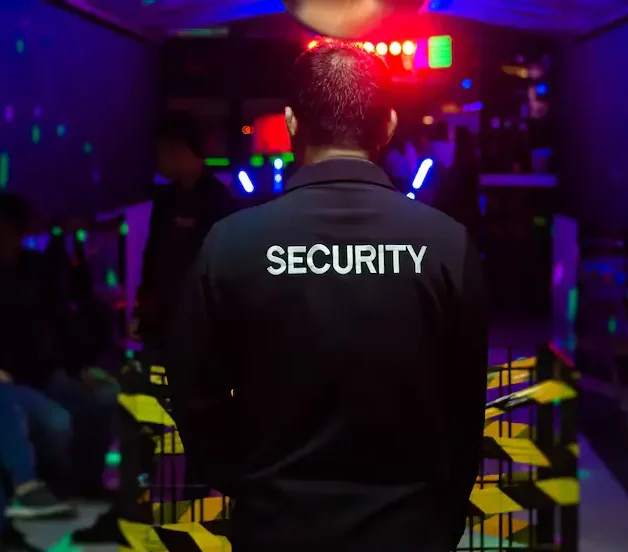
London’s security industry has changed shape faster in the last two years than in the previous decade. New legal duties on venue owners, tighter licensing checks, and a wave of hiring across retail, events and corporate sites mean that anyone thinking about a career in security is walking into a very different job market than the one that existed even a couple of years ago. If you are weighing up your options for 2026, this guide walks through what a security course actually covers, who can join one, what it costs in time and effort, and what comes after you pass. By the end, you should know exactly what to check before you book a place on a security guard course in London.
Why 2026 Is a Turning Point for Security Training in London
Two things are driving demand this year. The first is Martyn’s Law, the new legislation that requires many public venues to put formal counter-terrorism and public safety measures in place. Bars, shopping centres, sports grounds and conference venues all fall under its scope, and most of them are responding by increasing their trained security headcount rather than cutting corners. The second is a steady rise in footfall across London’s nightlife, retail and event sectors since the post-pandemic dip fully reversed. Venues that once ran with a skeleton security team are now hiring properly licensed staff again, and they are hiring in volume.
The result is that licensed security officers are not just finding work faster, they are finding better-paid, more stable work than a few years ago. That shift is exactly why so many people are now searching for a reliable way into the industry, and why the quality of the course you choose matters more than ever.
What Exactly Is a Security Guard Course in London?
A security guard course in London is the SIA-approved training that qualifies you to work as a licensed security officer in England and Wales. It is separate from a door supervisor course, which covers additional conflict management content for pub and club work, though many providers run both as linked qualifications so learners can progress from one to the other without repeating shared modules.
The course is built around a nationally recognised syllabus set by the Security Industry Authority (SIA), which means the core content is the same wherever you study, but delivery, class size, tutor experience and pass-rate support can vary a lot between training centres. That is the part worth researching carefully, because two people can sit what looks like the same course and come away with very different levels of confidence going into the exam.
What You’ll Actually Learn on the Course
Most security guard courses in London run over several classroom days and combine theory with practical scenario work. The aim is not just to pass a multiple-choice test, it is to leave you able to handle a genuinely difficult shift on your own.
Core Modules Explained
- Working in the private security industry — your legal powers, limitations, and the standards the SIA expects from licence holders.
- Health and safety on site — risk awareness, safe working practices, and your responsibilities under UK health and safety law.
- Fire safety awareness — evacuation procedures, fire prevention basics, and what to do in the first few minutes of an incident.
- Emergency procedures — how to respond to medical emergencies, security breaches and other critical incidents calmly and correctly.
- Communication skills — de-escalating tense situations, dealing with the public, and working alongside police and emergency services.
- Recording incidents and information — writing clear, accurate incident reports that hold up if a situation ends up in court.
Who Can Enrol? Entry Requirements Explained
The good news is that the entry bar is lower than most people assume. You need to be at least 18 years old, have the right to work in the UK, and be able to provide identification that satisfies SIA and provider checks. You do not need previous security experience or formal qualifications to start the training itself — the course is designed to take complete beginners through to a workable standard.
What you do need is a basic level of spoken and written English, since a large part of the job involves clear communication and accurate report writing. If English is not your first language, ask your chosen provider whether they offer any additional support, because this is one area where training centres genuinely differ in how much help they give learners.
You should also be prepared for a criminal record check as part of the SIA licence application that follows your course. This is standard across the industry and is not something to worry about unless you have relevant unspent convictions, in which case it is worth checking the SIA’s criteria before you commit time and money to training.
How Long Does the Course Take?
Most classroom-based security guard courses in London are completed over three to four consecutive days, with the exam typically sitting on the final day or shortly after. Some providers offer evening or weekend formats so you can train without giving up existing work, which is worth asking about if you are switching careers rather than starting from scratch. Whichever format you choose, treat the course as a full-time commitment while it is running. The content moves quickly, and missing a session can mean resitting a whole module.
What Happens After You Finish the Course?
Passing the course is only step one. You then apply to the SIA for your licence, submitting your identification, proof of the right to work, and course certificates, along with the licence fee. The SIA carries out identity and criminal record checks before issuing the licence, and processing times vary depending on demand, so it is sensible to apply as soon as you have your certificates rather than waiting.
Once your licence arrives, you are legally able to work as a security officer anywhere in England and Wales, not just London. Many newly licensed guards find their first role within a few weeks, particularly if their training provider has links with local employers or runs a jobs board for graduates.
Career Paths Once You’re Qualified
A basic security licence opens more doors than people expect. Retail security and static guarding roles are the most common starting point, but the same qualification also supports work in event stewarding, corporate reception security, and construction site security. From there, many officers progress into door supervision, CCTV operation, or close protection work by adding further SIA-approved modules on top of their initial licence.
Pay and progression tend to track experience and additional licences rather than time served alone, so it is common to see officers move into supervisory or team-leader roles within two to three years, especially in London where demand for experienced staff consistently outstrips supply. Employers in the capital also tend to offer a wider variety of shift patterns than smaller cities, from short event contracts to long-term static postings, which makes it easier to fit the work around study, family commitments, or a second job while you build experience.
It is also worth knowing that many licensed officers do not stay in frontline guarding forever. Experience gained in the first year or two — handling incidents, writing reports, working with the police — is exactly what employers look for when filling supervisory, training, or site management roles later on, so the early groundwork tends to pay off well beyond the first job.
How to Choose the Right Training Provider in London
Not all courses are equal, even when the syllabus is identical on paper. Before booking, check that the provider is properly accredited to deliver SIA-approved training, ask about their recent pass rates, and find out what support is available if you struggle with a particular module. A provider that offers small class sizes, experienced tutors with real industry background, and clear guidance through the licence application afterwards will generally set you up better than one that simply runs you through the material and leaves the rest to you.
It is also worth reading recent reviews from people who trained locally, since London-based providers deal with a different mix of venues and employers than courses run elsewhere in the country. A well-reviewed security guard course in London should be transparent about costs, timings and what is included before you pay anything.
What to Bring on Day One
Turning up prepared makes a real difference to how smoothly your first day goes. Bring your original photo identification along with any secondary ID your provider has asked for, since training centres are strict about this and will not let you start without the right documents. It also helps to bring a notepad, arrive slightly early, and wear comfortable clothing, since some sessions include practical scenario exercises rather than just sitting at a desk. If you wear glasses or need any particular seating arrangement to follow the material comfortably, mention it to the tutor before the session starts rather than partway through.
How Security Training Fits Into a Longer Career Plan
A lot of people treat a security guard course as a one-off way to get working quickly, and for many that is exactly what it is. But it is worth thinking of it as the first rung on a longer ladder rather than a standalone qualification. The same base training underpins door supervision, CCTV operation, event security management and, further down the line, close protection work, so the time you invest now does not disappear once you start your first shift. Officers who plan ahead often pick a training provider partly on how easy it is to add these follow-on qualifications later, since staying with one provider for progression usually saves time on repeated administration and paperwork.
If you are unsure which direction suits you, most training providers are happy to talk through the different licence pathways before you commit to your first course. Asking these questions early can save you from paying for overlapping modules twice.
Common Mistakes First-Time Learners Make
- Turning up without the correct identification, which can mean being turned away on day one.
- Assuming the exam is easy because the classroom sessions felt straightforward.
- Leaving the SIA licence application for weeks after finishing the course, which delays starting work.
- Not asking about licence renewal timelines, then missing the window to renew later on.
- Choosing the cheapest available course without checking pass rates or tutor quality.
What to Expect on Exam Day
The exam is usually a multiple-choice test covering everything taught during the course, sat under exam conditions at the training centre. It is not designed to catch you out — if you have attended every session and reviewed your notes, the content should feel familiar. Arrive with valid photo ID, get a proper night’s sleep beforehand, and read each question fully before answering, since some questions are worded to test attention to detail as much as knowledge.
Is a Security Guard Course in London Worth It in 2026?
For most people asking this question, the honest answer is yes. The combination of new legal obligations on venues, steady demand across retail and events, and a relatively short, affordable route to a recognised licence makes security one of the more accessible career changes available in London right now. The qualification also travels — a licence earned in London is valid for work anywhere in England and Wales, which gives you flexibility that many entry-level qualifications simply do not offer.
Frequently Asked Questions
What is a security guard course in London?
It is SIA-approved training that qualifies learners to apply for a security guard licence and work legally as a security officer across England and Wales. The course covers law, health and safety, fire safety, emergency response and communication skills.
How long does a security guard course take to complete?
Most classroom courses run over three to four consecutive days, including the final exam. Some providers offer evening or weekend formats for learners who are working or studying alongside the course.
Do I need experience to enrol on a security course?
No previous experience is required. You need to be 18 or over, have the right to work in the UK, and be able to provide valid identification and a reasonable standard of English.
How much does a security guard course cost in London?
Prices vary by provider and format, generally covering tuition, exam fees and course materials. It is worth comparing what is included, since some providers bundle SIA application support while others charge for it separately.
What happens if I fail the exam?
Most training providers allow a resit, often at an additional cost or after a short waiting period. Reviewing course notes and asking your tutor about weaker topics before the resit usually improves the outcome.
How do I get my SIA licence after passing the course?
You apply directly to the SIA with your course certificates, proof of identity, and the right to work in the UK, along with the licence fee. The SIA then runs identity and criminal record checks before issuing the licence.
Can I work as a door supervisor with a security guard licence?
Not automatically. Door supervision requires additional SIA-approved conflict management training on top of the standard security guard course, though many providers offer both as a combined package.
Is the security guard licence valid outside London?
Yes. An SIA security guard licence is valid for work anywhere in England and Wales, not just London, which gives licence holders flexibility to relocate or take on work in other regions.
What jobs can I get after completing the course?
Common starting roles include retail security, static site guarding, event stewarding and corporate security. Many officers later add further training to move into door supervision, CCTV operation or close protection work.
How do I choose a good security course provider in London?
Check that the provider is properly accredited for SIA training, ask about recent pass rates, confirm class sizes and tutor experience, and read reviews from people who trained locally before booking.
Ready to Start Your Security Career?
Whichever path you eventually take within the industry, the decision that matters most right now is simply getting properly trained by a provider you trust. A short, well-run course sets you up far better than a rushed one, and the time saved chasing a resit or a delayed licence application usually outweighs any money saved by choosing the cheapest option on the market.
Security work in London is one of the more practical career changes available in 2026, with a short training window, genuine job demand and a licence that travels with you. If you are ready to take the first step, you can find full course details, dates and booking information on the security guard course in London page.