
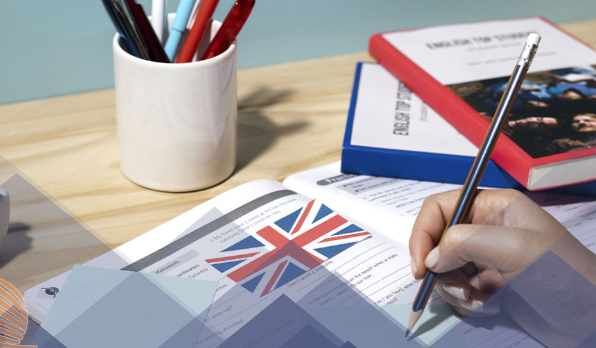
Moving to the UK to study is an exciting step. But before you pack your bags, you need to understand your visa rules. Many students get confused about what they can and cannot do while studying in the UK. This guide will explain everything in simple words, so you know exactly what applies to you.
Understanding the UK Student Visa
If you are coming from outside the UK to study, you will most likely need a Student visa (previously called Tier 4). This visa allows you to live in the UK while attending a recognised school, college, or university. To get this visa, you usually need:
- A confirmed place on a course from a licensed student sponsor
- Proof that you can support yourself financially
- Proof of your English language ability
- A valid passport
The visa is tied to your course and your school. This means if you change your course or institution, you may need to update your visa or apply for a new one.
Can You Work While Studying?
This is one of the biggest questions international students ask. The answer depends on your course level and your visa conditions.
Most students on a Student visa studying a degree-level course (or above) at a recognised higher education provider can work up to 20 hours per week during term time and full-time during holidays. Students on below-degree-level courses are usually limited to 10 hours per week.
It is important to check your visa conditions carefully, as they are printed on your Biometric Residence Permit (BRP) or in your digital immigration status. Working more than your allowed hours can put your visa at risk.
Part-Time Jobs and Extra Qualifications
Many students look for part-time work to support themselves and gain UK work experience. Some also want extra skills that can help them find better-paying part-time jobs. One popular option is training in the security industry, since it offers flexible shifts that fit around study schedules.
If you are interested in working as a licensed door supervisor in nightclubs, bars, or events, you will need proper training. A well-known and trusted option is the Door Supervisor Course in London, which prepares you for the SIA licence required to work legally in this field. This kind of course can be a great way to earn money while studying, as long as it fits within your visa’s working hour limits.
Bringing Family Members
Some students wonder if they can bring their spouse or children while studying. This is only allowed in specific situations, such as:
- You are on a government-sponsored scholarship
- You are studying a full-time postgraduate course of nine months or longer at a higher education institution that offers this route
Undergraduate students generally cannot bring dependants under current rules.
Staying in the UK After Your Course
After finishing your studies, many students wish to stay in the UK to gain work experience. The Graduate visa allows eligible students to stay in the UK for 2 years after finishing an undergraduate or master’s degree, or 3 years after a PhD. During this time, you can work in most jobs, including full-time roles, without needing a job offer first.
This is a great opportunity to explore your career path, whether that means an office job, a role in your field of study, or something completely different like security or event management work.
Health Insurance and Healthcare
As part of your visa application, you usually need to pay the Immigration Health Surcharge (IHS). This gives you access to the NHS during your stay, similar to how a UK resident would use it. It is important to keep this payment updated, especially if you extend your visa or switch to a different visa route.
Studying and Traveling
Your Student visa allows you to travel in and out of the UK during your studies, including visits home during holidays. However, you should always check your visa expiry date and travel documents before booking any trips, as visa problems at the border can delay your return to your course.
Renewing or Switching Your Visa
If your course is ending and you want to continue studying at a higher level, you can usually apply to extend your Student visa from within the UK. Similarly, if you finish your studies and get a skilled job offer, you may be able to switch to a Skilled Worker visa without leaving the country, as long as you meet the requirements.
Staying Compliant
Universities and colleges must report to the Home Office if a student is not attending classes regularly or is not following visa rules. This is why it’s very important to:
- Attend your classes
- Keep your contact details updated with your school
- Follow your working hour limits
- Renew documents on time
Breaking these rules can lead to your visa being cancelled, which can affect your ability to stay in or return to the UK.
Final Thoughts
Studying in the UK on a visa comes with many rules, but once you understand them, it becomes much easier to manage your time between studies, work, and daily life. Whether you’re looking for part-time work, considering extra training like a door supervisor course, or planning to bring family members, always check the latest visa guidance so you stay on the right side of the rules.
Frequently Asked Questions (FAQs)
1. Can international students work while studying in the UK? Yes, most Student visa holders can work part-time, usually up to 20 hours per week during term time if studying a degree-level course, and full-time during holidays.
2. How many hours can a UK student visa holder work per week? It depends on your course level. Degree-level students can typically work up to 20 hours a week during term time, while below-degree-level students are usually limited to 10 hours.
3. Can I bring my family with me on a Student visa? Only certain students can bring dependants, such as those on government-sponsored scholarships or full-time postgraduate courses of nine months or more at eligible institutions. Undergraduate students usually cannot bring dependants.
4. What happens after I finish my degree in the UK? You may be eligible for the Graduate visa, which allows you to stay and work in the UK for 2 years after an undergraduate or master’s degree, or 3 years after a PhD.
5. Do I need to pay for healthcare as an international student? Yes, most students pay the Immigration Health Surcharge (IHS) as part of their visa application, which gives access to NHS services during their stay.
6. Can I switch from a Student visa to a work visa in the UK? Yes, if you receive a qualifying job offer, you may be able to switch to a Skilled Worker visa without leaving the UK, provided you meet the eligibility requirements.
7. Is it possible to get a security job as a student in the UK? Yes, many students take up security-related part-time work, but you must complete proper training first, such as a recognised door supervisor course, to obtain an SIA licence before working legally in this role.
8. What documents do I need for a UK Student visa? You typically need a confirmed course offer, proof of finances, proof of English language ability, and a valid passport, along with any other documents requested by UKVI.
9. Can I travel outside the UK during my studies? Yes, you can travel during your studies, but you should always check your visa validity and travel documents beforehand to avoid issues when returning.
10. What happens if I break my visa conditions? Breaking visa conditions, such as working more hours than allowed or not attending classes, can lead to visa cancellation and may affect your future immigration applications.