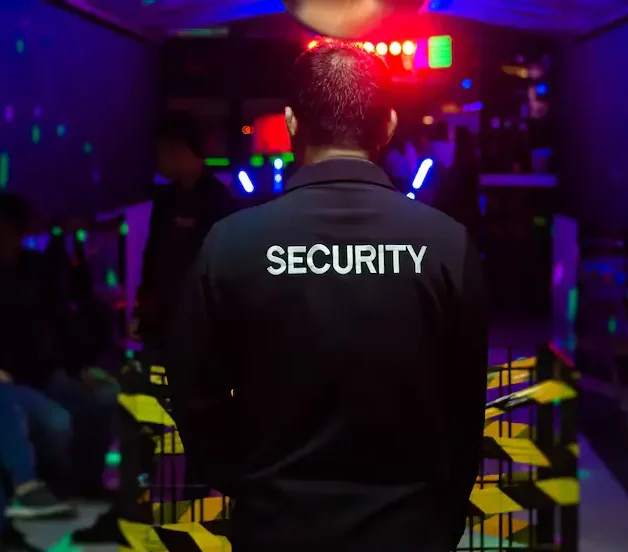

Working as a door supervisor in London means you are on the front line of public safety every single night. Whether you are stationed outside a busy nightclub in Shoreditch, a bar in Camden, or a private event venue in the West End, you will inevitably encounter aggressive customers. How you handle those moments defines your professionalism, protects the public, and crucially keeps you within the law.
This guide covers proven, practical strategies that every door supervisor should master. If you are looking to build or refresh these skills through formal training, the Door Supervisor Course in London offered by Betrain is one of the most comprehensive programmes available in the capital.
Understanding Why Customers Become Aggressive
Before you can de-escalate aggression, you need to understand where it comes from. In a licensed venue environment, aggression rarely appears out of nowhere. Common triggers include:
- Alcohol and substance intoxication the most frequent causes in nightlife settings across London
- Refusal of entry customers who feel unfairly denied access often become confrontational
- Long queues and perceived poor service frustration that builds up and boils over
- Group dynamics individuals who feel emboldened in front of friends
- Pre-existing personal conflicts that spill into the venue environment
- Mental health episodes or medical conditions that affect behaviour
Recognising the root cause of the aggression within the first few seconds of an interaction will dramatically change how you respond. A trained door supervisor does not react they assess and then act strategically.
The IARD Framework: Your First Line of Response
Many experienced door supervisors in London use a simple mental framework when approaching a potentially aggressive situation. Think of it as IARD:
- Identify Spot the signs of aggression early: raised voice, tense posture, clenched fists, rapid breathing
- Assess Determine the level of risk. Is this verbal only? Is there a weapon involved? Are others at risk?
- Respond Choose your approach: verbal de-escalation, physical repositioning, or requesting backup
- Document Record the incident accurately after it is resolved for legal and professional purposes
This structured response prevents you from reacting emotionally, which is one of the most common mistakes door supervisors make under pressure.
Verbal De-escalation Techniques That Actually Work
1. Lower Your Own Voice
When someone is shouting, the natural instinct is to match their volume. Resist this entirely. Speaking quietly and slowly forces the aggressive person to calm down slightly just to hear you, and it signals that you are in control of the situation rather than reacting to it.
2. Use Open Body Language
Stand at a slight angle rather than square on a direct face-to-face stance can feel confrontational. Keep your hands visible and at waist height. Avoid crossing your arms or pointing fingers, as both are perceived as aggressive or dismissive signals.
3. Acknowledge Without Agreeing
One of the most powerful tools in de-escalation is validation. You do not have to agree with the customer, but you should acknowledge their frustration. Phrases such as ‘I understand you are frustrated’ or ‘I can see this has upset you’ go a long way towards reducing emotional heat without conceding your position.
4. Give the Person an Exit
Aggressive individuals often feel trapped, particularly if they are intoxicated. Offer them a face-saving way out. Rather than demanding they leave immediately, try: ‘Why don’t we step outside so we can talk about this more calmly?’ This gives them agency and reduces the pressure of a public confrontation.
5. Avoid Escalating Language
Certain phrases will immediately make the situation worse. Avoid: ‘Calm down’, ‘You need to leave now’, ‘I am telling you for the last time’, or any language that sounds like an ultimatum unless you are fully prepared to enforce it. Empty threats destroy your credibility and increase the customer’s confidence.
Physical Positioning and Personal Safety
As a door supervisor in London, your physical safety must always be your primary concern. De-escalation is the goal, but it never comes at the expense of your own wellbeing. Key positioning principles include:
- Maintain a minimum distance of 1.5 metres when first approaching enough to assess and react
- Position yourself so you have a clear exit route and the aggressor does not
- Do not turn your back on an aggressive individual until the situation is fully resolved
- Ensure colleagues are aware of what is happening never manage a high-risk situation alone if it can be avoided
- If the aggressor becomes physically threatening, use the minimum force necessary in accordance with your SIA licence conditions
Remember: every use of force no matter how minor must be proportionate, necessary, and justifiable. This is not just best practice; it is a legal requirement under the Criminal Law Act 1967 and the Human Rights Act 1998.
Working with Your Team: The Importance of Communication
London venues are typically busy, loud environments. Effective communication with your team is what separates a professionally managed incident from a chaotic one. Best practices include:
- Use agreed hand signals or radio codes to indicate escalating situations without alerting the aggressor
- Establish a designated backup protocol who responds, how quickly, and from which position
- Brief your team at the start of every shift about known risks, such as banned individuals or upcoming events that may attract higher-risk crowds
- After every significant incident, conduct a debrief to review what worked and what could be improved
A door supervisor who communicates well is exponentially more effective than one working in isolation. London venues increasingly expect their security teams to operate with the same level of coordination as emergency services.
Legal Boundaries: What You Can and Cannot Do
One of the most important things to understand as a door supervisor is where your legal authority begins and ends. You are not a police officer. Your powers under an SIA Door Supervisor licence include:
- The right to refuse entry to any individual without requiring justification, as long as it does not constitute unlawful discrimination
- The right to use reasonable force to eject a person from private premises when they refuse to leave
- Citizen’s arrest powers under Section 24A of the Police and Criminal Evidence Act 1984 in specific circumstances
What you cannot do includes: detain someone indefinitely, use excessive or disproportionate force, or act in a discriminatory manner based on protected characteristics such as race, gender, religion, or disability.
These legal nuances are covered in depth as part of the SIA-accredited qualification. If you want to ensure you are operating within the correct legal framework, enrolling on a Door Supervisor Course in London is the most direct route to ensuring your knowledge is current, accurate, and legally compliant.
Incident Reporting: Why It Matters More Than You Think
After any aggressive incident, your documentation is your protection. A well-written incident report can:
- Protect you legally if a complaint is made against you or your employer
- Support police investigations if a criminal offence was committed on the premises
- Provide your employer with evidence for banning orders or licensing applications
- Contribute to identifying patterns of aggression at a specific venue over time
Reports should be written as soon as possible after the incident, while details are still fresh. Include the time, location within the venue, description of the individual, a factual account of what was said and done, and the names of any witnesses. Stick to observable facts avoid subjective language or assumptions about intent.
London-Specific Challenges for Door Supervisors
London presents unique challenges compared to other UK cities. The sheer diversity of venues from West End theatres and Mayfair private members clubs to Brixton music venues and East London warehouse events means that door supervisors must be adaptable and culturally aware.
- High-footfall events such as New Year’s Eve, Notting Hill Carnival, and major sporting finals create significantly elevated risk
- A diverse population means door supervisors must be sensitive to cultural differences in communication styles
- The Metropolitan Police operate a licensing enforcement team that actively monitors venues with recurring incidents
- London’s late-night economy means many supervisors work extended shifts, and fatigue management is a real safety concern
- The rise of knife crime in certain London boroughs requires door supervisors to be vigilant during searches and alert to concealed weapons
Understanding these London-specific dynamics is part of what makes a truly effective door supervisor in the capital, as opposed to simply someone with a licence.
Training: The Foundation of Everything
Everything discussed in this article the de-escalation techniques, the legal knowledge, the team communication strategies ultimately comes back to training. The confidence to handle an aggressive customer professionally, legally, and safely is not something you develop on the job alone. It is built through structured, accredited education.
The Door Supervisor Course in London at Betrain covers all of the competencies required to obtain your SIA Door Supervisor licence, including conflict management, physical intervention, first aid, and legal powers. The course is designed for both new entrants to the security industry and experienced personnel looking to renew or upgrade their qualifications. With training centres conveniently located in London, flexible scheduling, and expert trainers with real-world operational experience, it is the ideal starting point for anyone serious about a career in door supervision in the capital.
Conclusion
Dealing with aggressive customers is one of the most demanding aspects of working as a door supervisor in London. It requires a rare combination of emotional intelligence, physical awareness, legal knowledge, and professional discipline. The good news is that all of these skills are teachable and the right training makes all the difference.
Whether you are managing a verbal dispute at the door of a Soho bar or physically removing an intoxicated individual from a large-scale event venue in Canary Wharf, the principles remain the same: stay calm, assess the situation, communicate effectively, act proportionately, and document thoroughly.
If you are ready to take the next step in your career, explore the Door Supervisor Course in London by Betrain and give yourself the professional foundation every London door supervisor needs.
Frequently Asked Questions (FAQs)
1. What should I do if a customer becomes physically aggressive towards me?
Your safety comes first. If a customer becomes physically aggressive, create distance immediately, call for backup using your radio or agreed signals, and use the minimum force necessary to protect yourself or others. Do not attempt to physically restrain an aggressive individual alone if it can be avoided. Once the situation is controlled, contact the police and complete a full incident report.
2. Can I refuse entry to a customer without giving a reason in London?
Yes. As a door supervisor working on private premises, you have the right to refuse entry without providing a reason, provided your decision is not based on protected characteristics such as race, religion, gender, or disability. Discriminatory refusal of entry can expose you and your employer to legal action under the Equality Act 2010.
3. What de-escalation techniques are most effective for intoxicated customers?
Speak calmly and slowly, use simple and clear language, avoid arguing or debating with an intoxicated person, and offer them a face-saving way to remove themselves from the situation. Do not match their energy level. Give them space and avoid sudden movements. Where possible, involve a friend or companion who may be able to assist in calming them down.
4. Do I need an SIA licence to work as a door supervisor in London?
Yes. Working as a door supervisor in the UK without a valid SIA licence is a criminal offence. To obtain your licence, you must complete an SIA-approved Level 2 Award for Door Supervisors. The Door Supervisor Course in London at Betrain is a fully SIA-accredited qualification designed to prepare you for this licence.
5. How do I handle a situation where a group of customers becomes aggressive?
Group situations are inherently more complex and dangerous than one-on-one confrontations. Prioritise identifying the main instigator and direct your communication towards them, as addressing the group as a whole can feel confrontational and increase tension. Alert your team immediately and position colleagues to manage other group members. Avoid allowing yourself to be surrounded.
6. What are the legal limits on physical force as a door supervisor?
Any force you use must be reasonable, proportionate, and necessary in the circumstances. Under UK law, you are permitted to use force in self-defence, in defence of others, or to prevent crime but that force must match the level of threat you face. Excessive force can lead to criminal charges against you personally, even if you were acting in the course of your duties.
7. How should I write an incident report after dealing with an aggressive customer?
Write your report as soon as possible after the incident. Include the date, time, and specific location within the venue; a physical description of the individual involved; a factual, chronological account of what occurred; what actions were taken and by whom; and the names of any witnesses. Use plain factual language and avoid emotional descriptions or personal opinions.
8. Is conflict management training included in the Door Supervisor Course in London?
Yes. Conflict management is a core module of the SIA-accredited Door Supervisor qualification. The Betrain Door Supervisor Course in London covers conflict resolution theory, communication techniques, personal safety, physical intervention skills, and the legal framework governing the use of force giving you a comprehensive toolkit for managing aggressive situations professionally.
9. What should I do if a customer threatens to make a formal complaint against me?
Remain calm and professional. Do not get into a heated argument about the complaint. Inform them of the proper channels for raising a complaint typically through the venue management. Ensure you write up a thorough incident report immediately, while the details are fresh. Your documentation is your best protection if a complaint is later investigated by your employer, the police, or the SIA.
10. How can I manage my own stress and wellbeing when dealing with aggressive customers regularly?
Regular exposure to aggression and conflict takes a psychological toll. Build a strong debrief culture with your team talking through incidents helps process difficult experiences. Make use of any employee assistance programmes your employer offers. Ensure you are getting adequate rest between shifts, particularly if you work long night shifts across London venues. If you notice signs of burnout, anxiety, or hypervigilance, speak to a healthcare professional. Your mental health is just as important as your physical safety on the job.