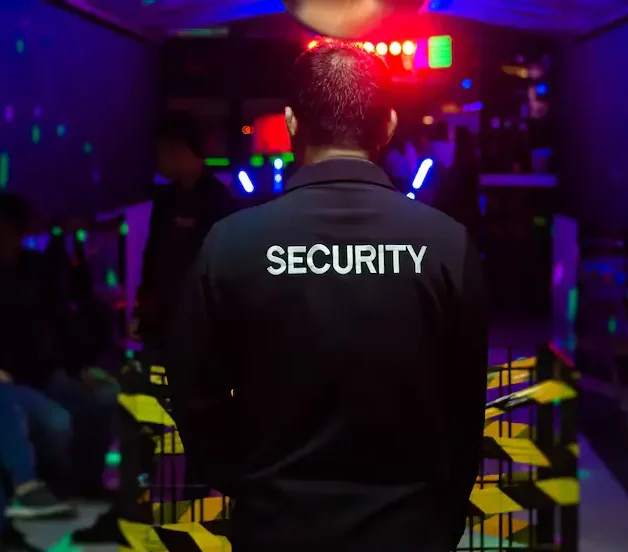

If you want to start working in security as quickly as possible, a fast-track Door Supervisor Course in London could be the right choice for you. These courses are designed to get you trained, examined, and ready to apply for your SIA licence in the shortest time possible, without cutting corners on quality. This guide explains everything in simple English, so you know exactly what to expect before you sign up.
Many people assume that “fast” must mean “less thorough,” but that isn’t the case here. Every SIA-approved course, whether spread over several weeks or squeezed into a few intense days, must cover the same required content. The only real difference is how quickly that content is delivered to you. For people who are eager to start earning, or who simply prefer to get things done quickly rather than dragging training out over a month, fast-track is often the better option.
What Is a Fast-Track Course?
A fast-track Door Supervisor Course covers the same official content as a standard course, but it’s delivered over a shorter, more intense period. Instead of spreading lessons across several weeks, fast-track courses often run over consecutive days, sometimes even a single week. Classes typically run for longer hours each day, and there is less time between sessions, so the pace can feel quicker than what you might expect from a typical classroom course.
This format suits people who learn well through immersion. Rather than learning a little bit each week and having to remember it days later, you go through everything close together, which some people actually find easier to follow, since the ideas build directly on each other without long gaps in between.
To understand your options in more detail, see fast-track routes to getting your badge sooner and full-time intensive options for quick certification.
Is Fast-Track Right for You?
Fast-track courses work well for people who:
- Want to start earning as soon as possible
- Can commit several full days in a row to training
- Already have some free time available, such as between jobs
- Prefer to “get it done” rather than spread learning over weeks
- Are comfortable absorbing a lot of information in a short space of time
- Don’t have ongoing weekly commitments that would clash with consecutive training days
On the other hand, fast-track might not be the best fit if you have a busy work schedule that can’t be paused for several days in a row, or if you personally prefer to take in new information slowly, with time to reflect between sessions. There’s no right or wrong answer here — it simply depends on your own lifestyle and how you learn best.
If you’re unsure whether this path suits your situation, is this career path actually worth pursuing is a good place to reflect on your goals first.
What You’ll Learn (Even on a Fast Timeline)
Fast-track courses still cover all four required SIA units, in full. Nothing is skipped just because the course is faster; the days are simply packed more tightly together.
Unit 1: Working in the Private Security Industry
This introduces you to how the security industry works in the UK, your legal responsibilities as a licence holder, basic health and safety rules, and how to respond in emergencies such as fires. Even on a compressed schedule, trainers usually spend a full day covering this material properly, since it forms the foundation for everything else.
Unit 2: Working as a Door Supervisor
This is the practical heart of the course. You’ll learn how to check identification correctly, how to spot fake IDs, how to search bags and people within the law, and the licensing rules that apply to pubs, bars, and clubs. This section also covers how to recognise signs of drug or alcohol misuse among customers.
Unit 3: Conflict Management
Even though the days are shorter overall on a fast-track course, conflict management is never rushed, because it’s one of the most valuable skills you’ll take into the job. You’ll practise how to speak calmly to upset or aggressive people, how to read body language, and how to defuse situations before they escalate.
Unit 4: Physical Intervention Skills
This final unit teaches safe, controlled techniques for holding or escorting someone, used only as a last resort after other methods have failed. Training happens under close supervision from an instructor, so you don’t need any prior experience with this kind of physical work.
Choosing a Fast-Track Provider
Not every provider offers the same quality of fast-track training. It’s worth comparing your options carefully. Helpful reads include:
- Top-rated training providers for aspiring security staff
- Online vs in-person training – which suits you best
- Becoming a licensed security professional in London – where to start
What Happens After the Course?
Once training finishes, you’ll take short multiple-choice exams covering everything you learned during the course. Fast-track doesn’t mean the exams are easier, so it’s worth preparing properly and paying close attention during every session, since there’s less time to catch up if you fall behind.
After passing, the licensing process is exactly the same as any other route:
- Apply for your SIA licence online
- Provide identity documents to confirm who you are
- Pay the licence application fee
- Pass a criminal record (DBS) check, which is carried out as part of the SIA process
Processing times for the licence itself are the same no matter how you trained, so it’s worth applying as soon as possible after you pass your exams to avoid unnecessary delays before you can start working.
Can You Start Working Quickly After a Fast-Track Course?
Yes — this is exactly why many people choose this route. Once your SIA licence is approved, you can begin applying for jobs straight away. For a full picture of what comes next, see everything first-timers should know before training as a supervisor.
Benefits of Training Fast in London
London’s nightlife and events industry hires door supervisors constantly, so timing matters. Getting licensed quickly means:
- Less time waiting to start earning
- Faster entry into a growing industry
- The ability to take advantage of seasonal hiring, such as summer events or festivals
- More flexibility to plan your next steps sooner
- Less disruption to your current job, since the training block is short
Because London never really slows down when it comes to nightlife, hospitality, and events, timing your entry into the industry can genuinely make a difference. Venues are often looking for new door supervisors at short notice, particularly around busy periods, so being licensed and ready to work sooner rather than later can open up opportunities that a longer training schedule might cause you to miss.
For a broader look at how doors and nightlife security work in the capital, read what it takes to work the doors in London’s nightlife scene and complete career guide – how London’s nightclubs and bars hire security teams.
How Fast-Track Compares to Standard Training
It helps to see the two options side by side so you can decide which one fits your life better.
Standard course:
- Spread over several weeks
- Fewer hours per session
- More time to absorb information between classes
- Easier to fit around a part-time job
Fast-track course:
- Completed in a matter of days
- Longer hours per session
- Less time between lessons, so content stays fresh
- Requires a short block of full availability
Neither option is “better” in general terms — it depends entirely on your personal circumstances, how much free time you can set aside, and how you personally learn best. Some people who work full-time actually prefer to use annual leave for a short, intense week of training rather than attending evening or weekend classes spread across a month.
Preparing Yourself Mentally for an Intense Course
Because fast-track training moves quickly, a little mental preparation goes a long way. It can help to:
- Get a good night’s sleep before each training day
- Eat properly so you have the energy to concentrate for long sessions
- Avoid scheduling other commitments during your training days
- Go in with an open mind, especially for the conflict management and physical intervention sections, which some people find unfamiliar at first
Most people who complete fast-track training say the pace feels manageable once they’re a day or two in, since the structure of the course naturally builds your confidence as you go.
Things to Keep in Mind Before Enrolling
Fast-track training is intense, so a little preparation goes a long way:
- Clear your schedule fully for the training days, since missing a session can delay your certificate
- Get proper rest each night, as the days are long and content-heavy
- Bring any required documents on day one to avoid delays
- Ask your provider about resit options in case you don’t pass first time
Common Questions About Fast-Track Training
Is fast-track training as good as a standard course? Yes. Every SIA-approved course, fast or standard, must cover the same official syllabus. The only difference is the pace at which it’s delivered.
Will I struggle to keep up on a fast-track course? Some people find intense learning easier because everything is fresh and connected. Others prefer more time between sessions. It really comes down to your own learning style.
Can I still ask questions during a fast-track course? Yes. Trainers still expect and welcome questions, and taking the time to clarify anything you’re unsure about is just as important on a fast-track course as it is on a standard one.
What if I don’t pass the exam first time on a fast-track course? Resit options are usually still available, just as they are with standard courses. It’s worth asking your provider about their resit policy before you enrol.
Choosing Between Providers for Your Fast-Track Course
Since fast-track training packs a lot into a short space of time, the quality of the provider matters even more than usual. A rushed or poorly organised course can leave gaps in your understanding, which isn’t ideal when the exams follow so quickly afterward. Before you enrol, it’s worth checking:
- Whether the provider is properly SIA-approved
- How experienced their trainers are
- What class sizes look like, since smaller groups usually mean more individual attention
- Whether support is available if you have questions after the course ends
- What their resit policy looks like, just in case
Taking a little time to compare providers before committing to a fast-track course can make the whole experience smoother and give you more confidence going into your exams.
Final Thoughts
A fast-track Door Supervisor Course in London is a great option if you’re ready to commit to a short, intense training period in exchange for getting licensed quickly. It covers exactly the same SIA-approved content as a standard course, just delivered in a shorter window, with nothing left out along the way. The pace suits people who want to dive in fully, get their licence sorted, and start working without a long wait in between.
If speed matters to you, this route can have you working in London’s security industry in a matter of weeks rather than months. It won’t suit everyone, but for those who can commit a short block of time to focused training, it’s often the quickest and most efficient way to enter the profession.
If you’re ready to move quickly, look for a trusted provider offering fast-track training and take your first step today.