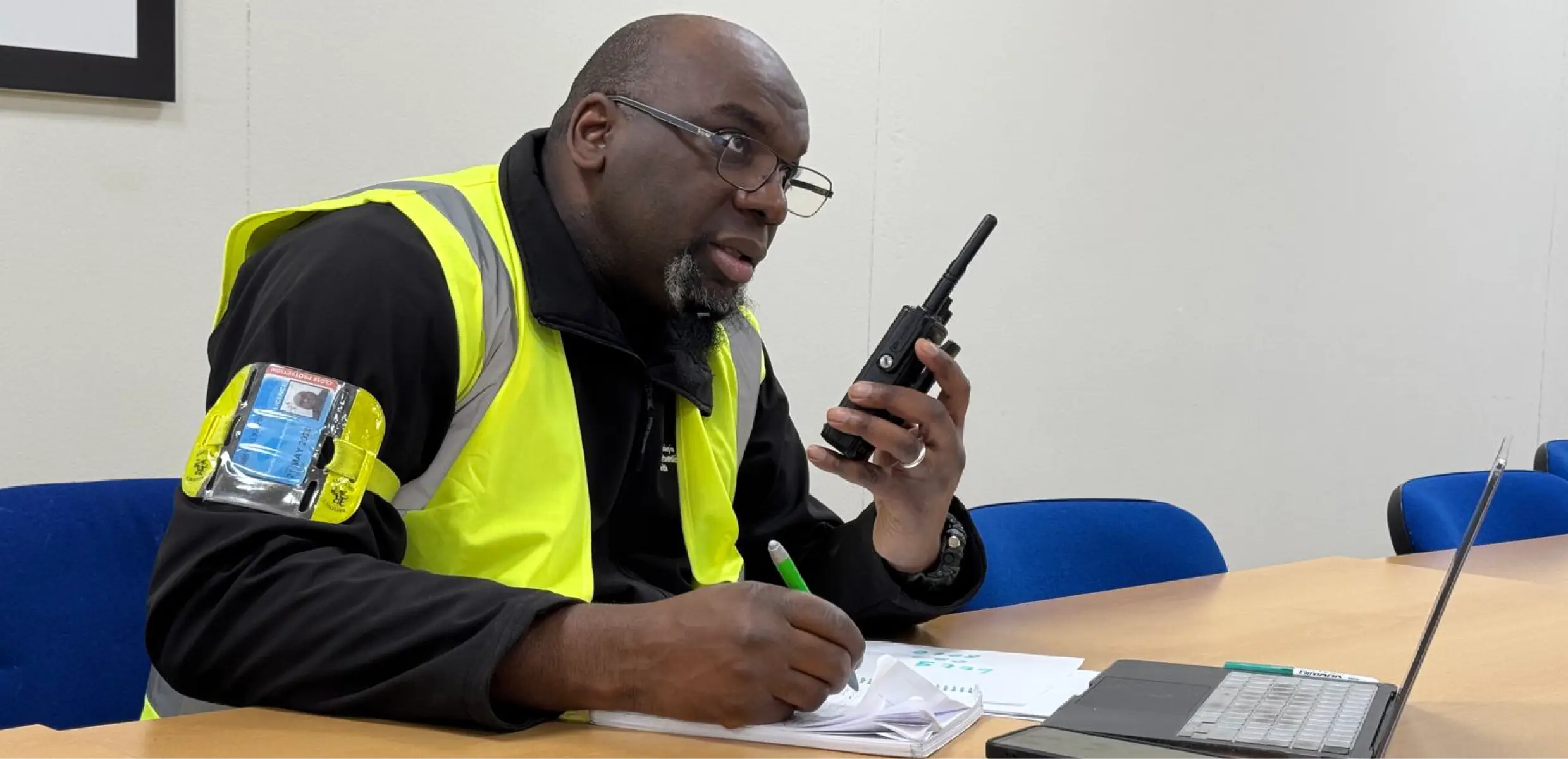

Everything First-Timers Should Know Before Training as a Supervisor
If you are thinking about starting a career in the private security industry, taking a door supervisor course in London is one of the best first steps. Many people choose this career because it offers stable work, flexible hours, and opportunities to grow. Whether you want to work at nightclubs, shopping centres, festivals, offices, hotels, or events, proper training is the key to getting started.
For first-time learners, it is normal to have many questions. What does the course include? How long does it take? Do you need experience? What happens after completing the training?
This guide explains everything you need to know before enrolling in a door supervisor course in London. It is written in simple English so you can understand the process with confidence.
What Is a Door Supervisor?
A door supervisor is a trained security professional who helps keep people, staff, and property safe. They work in places where security is important and where many people gather.
Their daily duties may include:
- Checking customer identification
- Monitoring entrances and exits
- Preventing disorderly behaviour
- Handling conflicts calmly
- Protecting staff and visitors
- Responding to emergencies
- Reporting incidents
- Working with emergency services if needed
A professional door supervisor helps create a safe and welcoming environment for everyone.
Why Choose a Door Supervisor Career?
The security industry continues to grow across London. Businesses need trained professionals to protect customers, employees, and property.
Some reasons people choose this career include:
- High demand for trained security staff
- Flexible working hours
- Good starting salaries
- Opportunities for career growth
- Work in different industries
- Chance to develop valuable life skills
After gaining experience, many people move into supervisory or management roles within the security industry.
Why Take a Door Supervisor Course in London?
London is one of the busiest cities in the United Kingdom. It hosts concerts, sporting events, conferences, festivals, shopping centres, hotels, restaurants, and entertainment venues every day.
Because of this, employers regularly look for licensed security professionals.
Choosing a door supervisor course in London gives you access to training that prepares you for real workplace situations while helping you meet the legal requirements for security work.
Do You Need Experience?
No.
Most training providers welcome complete beginners.
You do not need previous security experience before joining the course.
The trainers teach everything from the beginning, including:
- Communication skills
- Safety procedures
- Security responsibilities
- Emergency response
- Conflict management
- Physical intervention techniques
If you are willing to learn and follow instructions, you can successfully complete the course.
What Will You Learn?
A modern door supervisor course in London covers many practical and theoretical topics.
Working in the Private Security Industry
This section introduces you to the security profession.
You will learn about:
- Professional behaviour
- Legal responsibilities
- Customer service
- Equality and diversity
- Health and safety
- Data protection
- Reporting procedures
Understanding these topics helps you become a responsible security professional.
Conflict Management
One of the most important skills for a door supervisor is dealing with difficult situations calmly.
Training includes:
- Recognising warning signs
- Using verbal communication
- Reducing tension
- Managing aggressive behaviour
- Protecting yourself and others
Good communication often prevents situations from becoming worse.
Physical Intervention
Sometimes communication alone is not enough.
The course teaches safe physical intervention methods that should only be used when absolutely necessary and within legal guidelines.
You will learn:
- Safe holding techniques
- Personal safety
- Risk assessment
- Teamwork during incidents
- Recording physical intervention correctly
Training is supervised by qualified instructors.
Emergency Procedures
Door supervisors must know how to react quickly during emergencies.
Topics include:
- Fire evacuation
- Medical emergencies
- Terror threat awareness
- Crowd safety
- Emergency communication
- Incident reporting
These skills can help protect lives during unexpected situations.
How Long Does the Course Take?
Most door supervisor course in London programmes are completed over several days.
Training usually includes:
- Classroom learning
- Practical exercises
- Group discussions
- Assessments
- Physical intervention practice
Some providers also offer weekend or evening classes for people with full-time jobs.
Is There an Exam?
Yes.
At the end of the course, learners complete assessments based on the training they have received.
The exams are designed to check your understanding of:
- Security procedures
- Conflict management
- Legal responsibilities
- Physical intervention
If you pay attention during training and revise your notes, most learners complete the assessments successfully.
What Happens After Passing?
After successfully completing your door supervisor course in London, you can apply for your security licence.
Once your licence is approved, you can begin applying for security jobs throughout London and other parts of the UK.
Many employers specifically look for licensed door supervisors because they meet industry requirements.
Where Can Door Supervisors Work?
Licensed door supervisors have many career opportunities.
Possible workplaces include:
- Nightclubs
- Hotels
- Shopping centres
- Corporate offices
- Hospitals
- Music festivals
- Sports stadiums
- Retail stores
- Event venues
- Universities
- Construction sites
- Residential buildings
Every workplace offers different experiences and responsibilities.
Skills You Will Develop
The course teaches more than security knowledge.
You will also improve important workplace skills such as:
Communication
Speaking clearly and confidently helps you manage people professionally.
Problem Solving
Every day can present new challenges.
Training helps you think calmly and make sensible decisions.
Teamwork
Door supervisors often work with other security staff, managers, police, and emergency services.
Learning to work well with others is essential.
Confidence
Many learners say the course improves their confidence in dealing with difficult situations and communicating with the public.
What Should You Bring to Training?
Before attending your door supervisor course in London, it is helpful to prepare.
Bring:
- Valid photo identification
- Comfortable clothing
- A notebook
- Pens
- Water
- Positive attitude
For physical intervention sessions, comfortable clothing is usually recommended.
Tips for First-Time Learners
If this is your first professional training course, these tips can help.
Arrive Early
Being on time helps you settle in before lessons begin.
Ask Questions
If something is unclear, ask your trainer.
They are there to help you learn.
Participate
Take part in discussions and practical exercises.
The more involved you are, the more confident you will become.
Revise Your Notes
Spend some time reviewing what you learned each day.
This makes the final assessments much easier.
Stay Professional
Respect trainers and classmates throughout the course.
Professional behaviour is an important part of working in security.
Common Mistakes Beginners Should Avoid
Many first-time learners make small mistakes that are easy to avoid.
These include:
- Arriving late
- Missing practical sessions
- Not asking questions
- Ignoring revision
- Wearing unsuitable clothing
- Forgetting identification documents
Preparing properly helps you enjoy a smoother learning experience.
Career Progression After Becoming Licensed
A door supervisor role can lead to many exciting career opportunities.
With experience, you may become:
- Security Supervisor
- Security Team Leader
- Control Room Operator
- Event Security Manager
- Corporate Security Officer
- CCTV Operator (with additional training)
- Close Protection Operative (with further qualifications)
- Security Consultant
Many successful security professionals started with a basic door supervisor course in London.
Why Choose Professional Training?
Quality training prepares you for real-life situations rather than simply helping you pass an exam.
Experienced trainers provide:
- Practical examples
- Real workplace scenarios
- Industry knowledge
- Professional guidance
- Ongoing support
Learning from professionals gives you confidence before entering the workplace.
Frequently Asked Questions
1. Do I need previous experience?
No. Beginners are welcome.
2. How long does the course take?
Most courses are completed over several days depending on the training provider.
3. Is physical intervention included?
Yes. Practical physical intervention training is an important part of the course.
4. Can I work immediately after training?
You must first receive your security licence before starting licensed security work.
5. Is the course difficult?
Most learners complete it successfully by attending classes and paying attention.
6. What jobs can I apply for?
You can apply for roles in retail, events, hospitality, offices, entertainment venues, and many other sectors.
7. Do employers value this qualification?
Yes. Many employers require applicants to complete approved security training.
8. Can I study if I already have a full-time job?
Yes. Many providers offer evening and weekend classes.
9. Will I receive a certificate?
Yes. Successful learners receive certification that allows them to move forward with the licensing process.
10. Is a door supervisor career worth it?
For many people, it offers stable employment, flexible hours, career progression, and opportunities to work in many different environments.
Conclusion
Starting a door supervisor course in London is an excellent choice if you want to build a career in the UK’s growing private security industry. Even if you have no previous experience, professional training gives you the knowledge, practical skills, and confidence needed to succeed.
From learning conflict management and emergency procedures to understanding legal responsibilities and customer service, the course prepares you for real workplace situations. Once you complete the training and obtain your licence, you can explore a wide range of security roles across London.
If you are ready to begin a rewarding career where professionalism, responsibility, and public safety matter every day, enrolling in a door supervisor course in London is a smart first step toward your future.