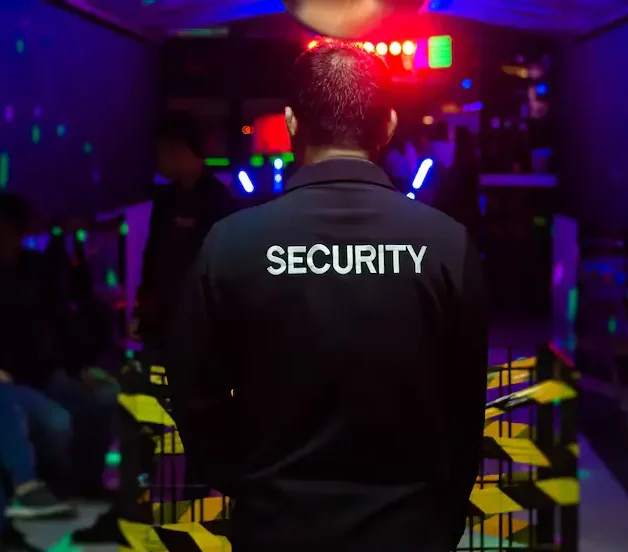
If you are considering a career in private security, one of the first questions you may have is whether the SIA exam is difficult. This is particularly common among people who are preparing for their first security qualification and are unsure what to expect from the assessment process.
The reality is that the SIA qualification requires preparation, attention and an understanding of the subject matter, but it is not designed to be an impossible examination. The training and assessment are intended to establish that learners understand the knowledge and skills required for the role they want to perform.
For anyone researching a Door Supervisor Course London, understanding the assessment process before starting training can make the experience much less stressful. Rather than approaching the exam with fear, learners can prepare by understanding what they are expected to know, attending training consistently and practising the types of questions and scenarios covered by their qualification.
What Is the SIA Exam?
The term “SIA exam” is often used to describe the assessments associated with SIA licence-linked qualifications. However, the SIA itself sets the requirements and specifications for licence-linked training, while approved awarding organisations develop and administer the qualifications and examinations.
For door supervision, the current qualification is the Level 2 Award for Working as a Door Supervisor in the Private Security Industry. The SIA currently accepts qualifications awarded by approved organisations including Highfield Qualifications, Laser Learning Awards, Pearson, Qualifications Network and SFJ Awards.
This distinction is useful because the exact assessment arrangements can depend on the qualification and awarding organisation. Learners should therefore follow the information provided by their training provider and awarding organisation rather than relying on old exam information found online.
So, Is the Exam Difficult?
For most learners, the difficulty is better described as manageable with proper preparation rather than extremely hard.
The assessment covers knowledge relevant to working in the private security industry. Learners are expected to understand topics rather than simply memorise random answers.
Someone who attends the required training, participates in discussions, takes notes and spends time reviewing the material is generally in a much stronger position than someone who attends classes without paying attention and only starts studying immediately before an assessment.
The biggest challenge for some learners is the amount of information they encounter during training. Legal responsibilities, communication, conflict management, searching procedures, physical intervention, emergency procedures and other security-related subjects all require attention.
The course is therefore not something that should be treated as a formality.
Why Some People Think the SIA Exam Is Hard
There are several reasons why the assessment can appear more difficult than expected.
One reason is that many candidates have never completed a security qualification before. They may be unfamiliar with examination terminology, scenario-based questions or the responsibilities associated with working in a regulated industry.
Another reason is that learners sometimes underestimate the amount of material covered during training. A door supervisor has responsibilities that extend beyond simply controlling access to a venue. The role can involve dealing with members of the public, identifying risks, responding appropriately to incidents and understanding legal and professional boundaries.
Language can also affect confidence. Some learners may understand the concepts but find certain questions difficult because of unfamiliar wording. This is one reason why reading questions carefully is important.
Finally, online discussions can exaggerate the difficulty of the assessment. Someone who failed an exam may describe it as extremely difficult, while another learner may have found it straightforward. Individual experiences can therefore be very different.
What Do You Learn During Door Supervisor Training?
SIA licence-linked training is based on the knowledge and skills that the regulator considers necessary for the relevant security role. The SIA explains that its specifications cover the core activities associated with each licence.
For a door supervisor, training is designed to prepare learners for responsibilities associated with the role. Depending on the qualification structure, learners may study areas such as:
- The role and responsibilities of a security operative
- Relevant legal requirements
- Communication
- Conflict management
- Searching procedures
- Incident management
- Emergency procedures
- Physical intervention
- Safety and risk awareness
- Working professionally with members of the public
The purpose is not simply to help someone pass an examination. The knowledge should provide a foundation for carrying out security duties responsibly after qualification.
Understanding Questions Instead of Memorising Answers
One of the most effective ways to prepare is to understand the reasoning behind the information being taught.
For example, memorising a definition may help with a straightforward question, but understanding how a security operative should respond to a particular situation can be much more useful when dealing with scenario-based questions.
Consider a situation where a person becomes aggressive at the entrance of a venue. A professional security operative needs to understand how communication, conflict management, safety considerations and legal responsibilities interact.
The important question is not simply, “What phrase should I remember?”
It is, “What is the safest and most appropriate professional response?”
Developing this way of thinking can make revision more effective because learners are connecting information with practical situations.
The Practical Side of the Qualification
Another reason people sometimes misunderstand the SIA assessment is that security training is not entirely theoretical.
Door supervision involves practical skills, particularly around areas such as searching and physical intervention. The SIA’s current training framework includes practical elements, and practical components must be delivered face-to-face where required.
This means learners should take practical sessions seriously.
A candidate might be comfortable answering questions but still need to demonstrate appropriate practical skills. Similarly, someone who performs well during practical training should not assume that the written or multiple-choice assessments can be ignored.
The qualification is intended to assess different aspects of competence.
First Aid Is Also Important
First aid is an important part of the wider preparation process.
The SIA currently requires learners to have an appropriate first aid qualification before taking the training required for a full door supervisor qualification. The first aid qualification must be valid for at least another 12 months when the relevant training begins.
This requirement reflects the nature of security work. Door supervisors may work in busy environments where accidents, injuries or medical emergencies can occur.
Knowing how to respond appropriately until professional medical assistance is available is therefore an important workplace skill, not simply another box to tick.
How Much Preparation Do You Need?
There is no single number of hours that will guarantee success.
Different learners have different levels of previous knowledge, educational experience and confidence. Someone who regularly studies and understands the material during the course may need less revision than someone who struggles with particular subjects.
A sensible approach is to revise throughout the training rather than waiting until the final day.
After each training session, learners can review their notes and identify areas they do not fully understand. Asking the trainer for clarification is usually more productive than allowing confusion to continue until the assessment.
Short, regular revision sessions can also be easier to manage than trying to learn everything in one long study session.
Common Mistakes Candidates Make
Many assessment problems are not necessarily caused by the qualification being too difficult. They can result from poor preparation.
Leaving Revision Until the Last Minute
Trying to learn the entire course immediately before an assessment can create unnecessary pressure. Security training covers multiple subjects, so learners benefit from reviewing material throughout the course.
Not Reading Questions Carefully
A question may contain important details that change the most appropriate answer. Reading quickly and choosing the first familiar option can lead to avoidable mistakes.
Focusing Only on Memorisation
Security work involves judgement and professional decision-making. Understanding principles is generally more useful than memorising isolated sentences.
Ignoring Practical Training
Practical sessions are part of the learning process. Treating them as less important can leave gaps in understanding and confidence.
Being Afraid to Ask Questions
A training course is an opportunity to learn. If a learner does not understand a particular legal principle, procedure or scenario, asking the trainer for an explanation can prevent the same misunderstanding from affecting later assessments.
What Happens If You Fail?
Failing an assessment does not mean that someone cannot have a career in security.
Assessment and resit arrangements can depend on the awarding organisation and qualification. Learners should speak directly with their training provider or awarding organisation if they do not achieve a pass.
The most useful response to a failed assessment is to identify the areas that caused difficulty. A candidate who understands what went wrong can then focus their preparation before attempting the assessment again.
It is also important not to assume that every online claim about SIA resits or exam rules is current. Training and licensing requirements have changed over time, so official SIA guidance should be checked for the latest information.
Current SIA Qualification Requirements
The SIA’s requirements are periodically updated. In 2026, the regulator made an important change concerning BIIAB qualifications. The SIA no longer accepts qualifications granted by BIIAB on or after 11 August 2026, while qualifications granted before that date can still be accepted under the applicable rules.
This is a useful reminder that candidates should check the status of their awarding organisation before enrolling.
The SIA currently lists approved awarding organisations for licence-linked training, including Highfield Qualifications, Pearson BTEC, Qualifications Network, SFJ Awards and Trident Awards for the relevant sectors.
Choosing a legitimate training provider and an accepted qualification is therefore just as important as preparing for the assessment itself.
What About the Door Supervisor Refresher Assessment?
People renewing an existing door supervisor licence may face different requirements from someone taking the qualification for the first time.
The SIA currently requires renewing door supervisors to hold both their existing licence-linked qualification and the relevant refresher qualification. They also need an appropriate first aid qualification before taking the refresher training.
The refresher assessment includes multiple-choice examinations covering areas such as searching, terror threat awareness, keeping vulnerable people safe, spiking and physical intervention knowledge. It also includes practical assessment for searching and physical intervention skills.
This means existing licence holders should not assume that their original qualification is the only training requirement they will ever need.
How to Prepare for an SIA Assessment
A straightforward preparation strategy can make the assessment experience much easier.
Attend Every Training Session
Regular attendance helps you understand the material in the order it is taught. Missing sessions can create gaps that become difficult to fill later.
Make Your Own Notes
Writing down key points in your own words can improve understanding and give you useful revision material.
Review Difficult Topics
Do not spend all your revision time studying subjects you already understand. Identify weak areas and spend additional time on them.
Practise Questions
Practice questions can help you become comfortable with the style of assessment. However, practice should be used to test understanding rather than memorise answer patterns.
Ask Your Trainer
If something is unclear, ask. Trainers can explain complicated subjects using practical examples that may be easier to understand.
Read Carefully
During an assessment, take time to understand exactly what each question is asking before selecting an answer.
Is an SIA Qualification Achievable for Beginners?
Yes. The qualification is specifically designed to establish the core knowledge and skills needed by people entering the relevant private security sector. The SIA states that its licence-linked specifications are intended for people who are new to the private security industry.
You do not necessarily need previous security experience to begin training. What matters is approaching the course seriously and being prepared to learn.
People come to security training with different educational and professional backgrounds. Some may already have experience working with the public, while others may be completely new to the industry.
The training provides an opportunity to build the knowledge required for the role.
Final Thoughts
So, is the SIA exam as hard as people think?
For a prepared learner, it should be viewed as a serious but achievable assessment rather than something to fear. The qualification requires candidates to learn relevant knowledge, understand professional responsibilities and demonstrate practical skills where required.
The best preparation is not last-minute memorisation. It is consistent attendance, active participation, regular revision, practice and a genuine understanding of what professional security work involves.
Anyone considering a Door Supervisor Course London should also remember that passing the assessment is only one stage of entering the industry. The goal of the training is to develop the knowledge and skills needed to perform security duties safely, professionally and responsibly.
Because SIA requirements can change, candidates should always check the latest official guidance before enrolling, applying for a licence or renewing an existing licence. Current SIA information confirms the qualifications and requirements that apply in 2026.
With the right preparation and a serious approach to training, the SIA assessment is something that can be approached with confidence rather than fear.