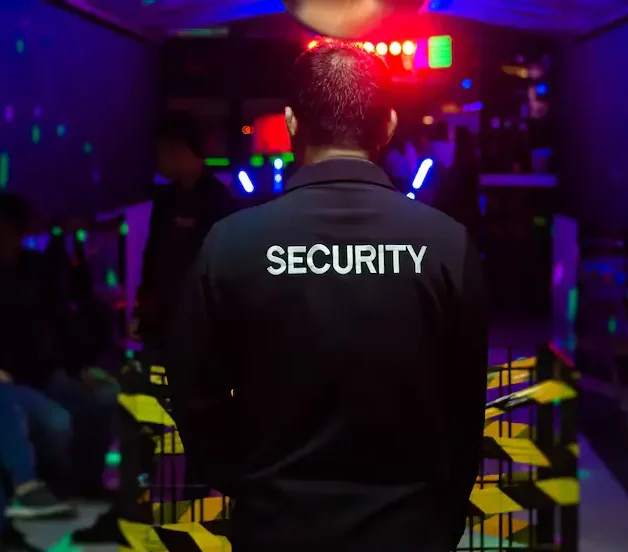
London is one of the UK’s busiest destinations for concerts, sporting fixtures, festivals, exhibitions, cultural celebrations and large public gatherings. Every year, thousands of people attend events across the capital, creating a need for carefully planned security and crowd management.
Security at a major event is not simply about placing people at entrances and asking visitors to show their tickets. Event security can involve access control, searching, monitoring crowds, protecting restricted areas, responding to incidents and helping maintain a safe environment. Depending on the type of event and duties being performed, security personnel may also need an appropriate licence issued by the Security Industry Authority (SIA).
The SIA regulates private security work in the UK, including door supervision, security guarding, close protection and public space surveillance. Its current event guidance explains that people working at concerts, festivals and other events may need an SIA licence depending on the duties they perform.
For anyone considering a career in event security, particularly in London, understanding where licensed security staff are used can provide a clearer picture of the industry.
Why Security Is Important at Major Events
Large events bring together people with different expectations, backgrounds and levels of familiarity with the venue. Thousands of people may arrive within a relatively short period, move through entrances at the same time and leave simultaneously when an event finishes.
These periods of movement can create additional security and crowd-management challenges. The National Protective Security Authority highlights entry and exit periods as important stages of venue operations because large numbers of people can be moving through the same areas.
Security teams can therefore have responsibilities before an event begins, throughout the event and after the audience has left.
Their work may include checking access points, protecting restricted areas, monitoring behaviour, assisting with searches where authorised, responding to incidents and communicating with event management.
The exact responsibilities depend on the event, venue, security plan and assignment instructions.
1. Major Music Concerts
Large concerts are among the most visible examples of events that can require professional security teams.
London regularly hosts performances ranging from smaller indoor shows to large-scale concerts involving thousands of attendees. The security arrangements can vary considerably depending on the venue, expected audience, performer, event layout and licensing arrangements.
Security personnel may be positioned at entrances, around the audience area, backstage and near restricted-access zones.
At an entrance, staff may be responsible for access control and dealing with people who do not have the required ticket or permission to enter. Other personnel may be assigned to protect specific areas or monitor the crowd.
The government specifically uses concerts and festivals as examples of events where workers may need an SIA licence.
This makes large concerts a significant part of the wider event-security sector.
2. Music Festivals
Festivals present a different security environment because they can operate across large outdoor areas rather than within a single building.
A festival may have several entrances, stages, food and drink areas, backstage zones, production facilities, camping areas and temporary structures. Security planning must therefore account for movement between different parts of the site.
Licensed security personnel may be used to protect restricted areas, manage access and respond to incidents.
Festival security can also involve cooperation between security contractors, event organisers, stewards, medical teams, venue personnel and emergency services.
It is important to understand that not every person wearing a security uniform at an event necessarily performs the same legally regulated activity. The SIA explains that licensing requirements depend on the duties being performed. For example, certain stewarding activities may not require a licence, while security activities involving guarding against unauthorised access, theft, damage or disorder can fall within licensable work.
3. Football Matches
Football is another major area of London’s event-security industry.
Large football grounds can accommodate substantial crowds, particularly during high-profile fixtures. Security planning can involve supporters arriving at different times, separate entrances, restricted areas, hospitality sections and areas requiring additional monitoring.
Security personnel can support the overall event operation by controlling access to designated areas, protecting property and assisting with the management of incidents.
Football grounds may also have their own internal security procedures, stewards and specialist teams. The responsibilities of these groups can differ.
This distinction matters because “steward” and “security officer” are not automatically interchangeable terms. Whether an SIA licence is required depends on the actual duties being undertaken.
4. Rugby and Other Sporting Events
London hosts many sporting events beyond football.
Rugby matches, athletics competitions, boxing events, tennis tournaments and other sporting activities can attract significant numbers of spectators.
Security requirements vary according to the venue and event. A small sporting fixture may require a relatively straightforward arrangement, while a major international competition can require much more extensive planning.
Security teams may be responsible for access points, restricted areas, hospitality facilities, equipment and general site security.
Sporting events also demonstrate why event security cannot be based on one standard formula. Organisers need to consider the expected audience, venue design, event profile and potential risks when determining the type and number of personnel required.
5. Large Public Festivals and Cultural Events
London’s event calendar includes cultural festivals, public celebrations, community gatherings and seasonal events.
These events can take place in parks, public spaces, streets, exhibition venues or temporary sites.
Some events are free to attend, while others use controlled entrances or ticketing systems. The security approach therefore changes from one event to another.
At a large public gathering, personnel may help protect specific locations, control access to restricted zones or respond to incidents. Where the work falls within a licensable activity, appropriately licensed staff may be required.
The SIA’s event guidance specifically notes that certain activities such as checking whether people have paid for entry or have an invitation can fall within licensable work when supplied under a contract for services. It also explains that some stewarding activities can require licensing depending on what the worker is actually doing.
6. Exhibitions and Trade Shows
London is also a major centre for exhibitions, conferences and trade events.
Large exhibition venues can contain hundreds of exhibitors and thousands of visitors. Security may be required throughout the venue, particularly around entrances, loading areas, restricted exhibition spaces and areas containing valuable equipment.
Security personnel can assist with access control, monitor designated areas and respond to incidents.
Some exhibition work may be closer to traditional security guarding, while other assignments can involve duties that fall under different SIA categories. This is why employers need to assess the actual job responsibilities rather than relying solely on a generic position title.
7. Film and Entertainment Events
Premieres, award ceremonies, entertainment launches and other high-profile events can attract significant media attention and large crowds.
The security requirements may include controlling access to guest areas, protecting restricted locations and maintaining separation between authorised guests and members of the public.
Close protection personnel may also be involved when individuals require personal protection. This is a separate SIA-licensed activity from ordinary door supervision.
For event organisers, understanding these different roles is important because SIA licences are designed around specific capabilities and are not automatically interchangeable. The National Protective Security Authority specifically advises event planners to consider the number and type of SIA-licensed personnel required for an event.
8. New Year’s Eve and Seasonal Celebrations
London’s New Year’s Eve celebrations are an example of an event where crowd management and security can become particularly important.
Large numbers of people may gather in central areas, while transport locations, hospitality venues and public spaces can also experience increased activity.
Security requirements for these occasions can involve multiple organisations and different types of personnel. The specific duties of each team depend on the location and operational plan.
For private venues hosting seasonal celebrations, door supervisors can have an important role where the work involves guarding licensed premises and falls within the relevant SIA requirements.
9. Nightlife and Large Entertainment Venues
Although not always described as “major events”, busy London nightlife venues can operate on a scale comparable to many organised events.
Large clubs, bars and licensed entertainment venues can attract significant numbers of customers, particularly during weekends, holiday periods and special events.
Door supervisors can be responsible for controlling entry, monitoring behaviour and helping maintain safety within the venue.
The SIA states that a door supervisor licence is required when the relevant security work involves guarding licensed premises against damage, theft, unauthorised access or disorderly behaviour under the conditions specified by the regulator.
This is why door supervision is closely connected with London’s wider events industry.
10. Charity Runs and Mass Participation Events
Large running events and charity challenges can also require extensive event management.
Although participants are generally focused on the activity itself, organisers still need to consider entrances, spectator areas, restricted zones, equipment and the movement of people around the course.
Security personnel can be part of a wider operational team alongside stewards, medical personnel, traffic-management teams and event staff.
The exact licensing requirements depend on the duties being carried out. A person directing participants may have a different role from someone physically guarding property or controlling access to a restricted area.
Licensed Security Staff and Event Stewards Are Not the Same
One of the most important points for people entering event security is understanding the difference between licensed security staff and event stewards.
A steward may be responsible for directing visitors, providing information or helping people find seats and facilities. These duties do not automatically require an SIA licence.
Security work is different. If an individual is performing a licensable security activity, the appropriate SIA licence may be required.
The government’s event guidance specifically states that people performing stewarding duties such as directing people to seats, toilets or first-aid facilities may fall under different requirements from personnel carrying out security duties.
This distinction protects both workers and event organisers by making responsibilities clearer.
What Do Door Supervisors Do at Events?
The role of a door supervisor can extend beyond the traditional nightclub entrance.
At suitable events, door supervisors may be assigned to entrances, access points, controlled areas or other locations where their licensed duties are required.
Depending on the assignment, responsibilities can include checking access, dealing with unauthorised entry, monitoring behaviour, conducting searches with consent where authorised and responding appropriately to incidents.
The SIA clarified in 2026 that licensed door supervisors can conduct certain bag searches with the individual’s consent, provided they follow the relevant assignment instructions.
The emphasis should always be on lawful, professional and proportionate conduct.
Why Training Matters
Working at a major event requires more than simply obtaining a uniform.
Security personnel may encounter large crowds, stressful situations, conflicting instructions and rapidly developing incidents. Training helps individuals understand their responsibilities and provides a foundation for dealing with situations professionally.
For front-line roles such as door supervision, the SIA requires the appropriate licence-linked qualification before an individual can apply for the licence.
The SIA also requires training to be obtained from an approved training provider for licence-linked qualifications.
Anyone considering training should therefore check the current SIA requirements and make sure the qualification and provider meet the applicable standards.
A Door Supervisor Course and Event Security
People researching a Door Supervisor Course London may be interested in event work because the qualification can be relevant to a range of security environments.
However, completing training should not be viewed as a guarantee of employment at a particular event. Event work is influenced by employer requirements, experience, availability, location, event schedules and the specific licence needed for the assignment.
The SIA’s 2026 strategic plan notes that people enter security for different reasons, including seasonal events, additional income and longer-term careers. It also reports that 15% of surveyed first-time licence applicants in 2025 intended to work at events.
This illustrates how event security can form part of both short-term and long-term career plans.
Skills That Help at Major Events
Successful event-security personnel need a combination of technical knowledge and interpersonal skills.
Communication is particularly important because security staff regularly interact with members of the public, event employees and other security personnel.
Observation is equally valuable. Recognising unusual behaviour or a developing problem early can give the wider team more time to respond.
Patience and professionalism are also essential. Large events can be busy and stressful, and security staff may have to deal with people who are frustrated about queues, tickets, access restrictions or venue rules.
Teamwork is another major requirement. Security personnel rarely operate completely independently at large events. They normally work according to an assignment plan and communicate with supervisors and colleagues.
Staying Current With SIA Requirements
The private security industry continues to evolve, and training requirements can change.
For example, the SIA introduced refresher qualification requirements for door supervisors and security guards from 1 April 2025. These requirements apply when renewing relevant licences and include an Emergency First Aid at Work qualification or equivalent before the refresher training.
Anyone entering or continuing in the industry should therefore check current SIA guidance instead of relying on older course information.
The SIA remains the UK’s regulator for the private security industry, and its official guidance is the most reliable source for determining current licensing and training requirements.
Conclusion
London’s major events depend on carefully coordinated teams to provide a safe environment for visitors, performers, staff and other participants. Concerts, festivals, sporting fixtures, exhibitions, cultural celebrations, nightlife events and mass-participation activities can all involve professional security.
However, the security industry is not one-size-fits-all. Door supervisors, security guards, CCTV operators, close protection personnel and event stewards can have different responsibilities and licensing requirements.
For anyone considering a career in London’s event-security sector, understanding these differences is an important first step. A suitable licence-linked qualification, awareness of legal responsibilities, strong communication skills and a professional approach can all contribute to working effectively in the industry.
Most importantly, prospective security professionals should always check the latest SIA requirements before starting training or applying for a licence, because licensing rules and qualification requirements can change over time.