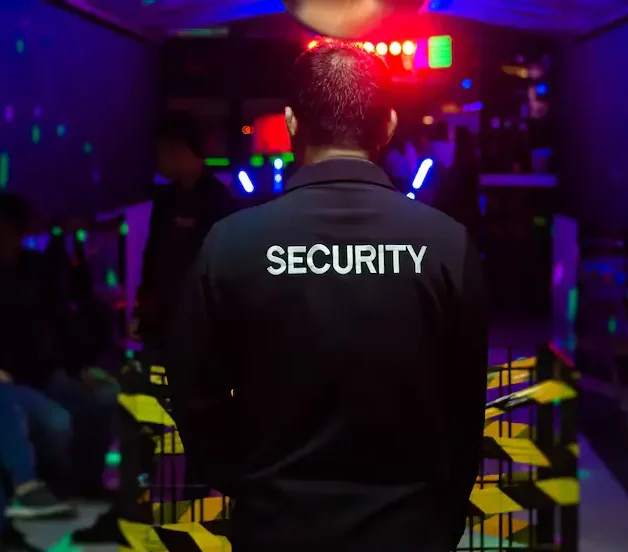
London is one of the UK’s most diverse and active cities for nightlife. From traditional pubs and late-night venues to music clubs, theatres, restaurants, live entertainment spaces and large-scale events, the capital offers a wide range of experiences for residents and visitors. Behind this activity is an extensive network of staff and services that help venues operate safely, including private security professionals.
Security is an important part of London’s nightlife economy because busy venues need to manage access, protect customers and employees, respond to incidents and maintain a safe environment. Security personnel are often among the first members of staff that customers encounter when entering a venue, which makes their role relevant not only to safety but also to the overall customer experience.
For people considering a career in the private security industry, understanding how London’s nightlife operates can provide useful context. It also explains why properly trained door supervisors continue to have an important role in licensed premises and entertainment venues.
London’s Nightlife Economy
London’s nightlife economy extends far beyond nightclubs. It includes pubs, bars, restaurants, music venues, theatres, cinemas, comedy clubs, sporting events, festivals and other entertainment businesses.
Different venues have different operating patterns. A small neighbourhood pub may have a relatively straightforward entrance arrangement, while a large nightclub can have hundreds or even thousands of customers arriving over several hours. A concert venue may experience a sudden increase in visitors shortly before a performance, followed by a large crowd leaving at approximately the same time.
These different patterns create different security requirements.
Venues must consider issues such as capacity, access control, customer behaviour, emergency procedures, theft, disorder and the protection of staff. Security teams can help venues manage these challenges while allowing customers to enjoy their evening.
The Role of Door Supervisors
Door supervisors occupy a distinctive position within the nightlife environment. Their responsibilities are not limited to standing at an entrance.
Depending on the venue and their duties, door supervisors can be involved in checking access, monitoring people entering the premises, observing customer behaviour, supporting venue policies and responding appropriately when incidents occur.
They may also work alongside venue managers, bar staff, event teams and emergency services when necessary.
The role requires a balance between security awareness and communication. A professional door supervisor should be able to interact with customers respectfully while remaining alert to potential risks.
This is particularly important in busy nightlife environments, where situations can change quickly.
Why Training Matters
Working in a busy entertainment venue can involve responsibilities that require more than physical presence. Security professionals may have to make decisions under pressure, communicate with people from different backgrounds and respond to difficult situations without unnecessarily escalating them.
Training helps provide a structured foundation for these responsibilities.
People researching a Door Supervisor Course London can learn about the training route required for this area of private security and how it relates to working in licensed premises.
Training is particularly relevant because door supervision is a regulated activity. The Security Industry Authority (SIA) sets requirements for individuals undertaking regulated private security work, including door supervision.
Prospective security professionals should always check the latest SIA requirements before enrolling on a course because licensing and qualification requirements can change.
Managing Access to Venues
One of the most visible functions of a door supervisor is access management.
Nightlife venues may have specific entry policies relating to age, identification, tickets, dress requirements, capacity or other venue conditions. Security staff can help ensure that these policies are applied consistently.
Access management can also contribute to crowd safety. If too many people enter a venue at once, staff may have difficulty monitoring the environment and responding to emergencies.
Door supervisors therefore need to understand that access control is about more than deciding who enters. It can form part of the venue’s wider approach to managing risk.
Professional communication is important during this process. Customers who are refused entry may be disappointed or frustrated, so security personnel need to remain calm and professional.
Dealing With Conflict
Conflict management is another important aspect of nightlife security.
People attending entertainment venues may occasionally disagree with staff, other customers or security personnel. In some cases, a minor disagreement can become more serious if it is handled poorly.
Effective communication can help prevent unnecessary escalation. Security professionals can use clear instructions, calm language and appropriate body language when dealing with difficult situations.
The objective should generally be to resolve problems safely and proportionately while following the venue’s procedures and relevant legal requirements.
This is one reason interpersonal skills are valuable within the private security industry. Physical intervention is not a substitute for good communication and judgement.
Alcohol and the Night-Time Environment
Alcohol is present in many areas of London’s nightlife, although the city’s night-time economy also includes many alcohol-free activities.
Where alcohol is consumed, venue staff may encounter customers whose behaviour changes as they become intoxicated. This can create additional challenges involving arguments, accidents, disorder or attempts to enter when it is not appropriate to do so.
Security professionals need to understand the environment without making assumptions about individuals.
A professional approach involves observing behaviour, communicating clearly and following the venue’s procedures. Door supervisors may also need to work closely with management and other staff when dealing with customers who require assistance.
The broader lesson is that security work involves observation and judgement rather than simply reacting to physical incidents.
Crowd Management
Crowd management becomes particularly important in large venues and events.
A crowd is not necessarily dangerous simply because it is large. Problems can develop when movement becomes restricted, entrances become congested or people are unable to leave an area efficiently.
Security teams may therefore be involved in monitoring queues, controlling access points and observing changes in crowd behaviour.
During major events, security arrangements can involve multiple teams with clearly defined responsibilities. Some personnel may work at entrances, others inside the venue, while additional staff monitor specific areas or support emergency procedures.
Good coordination is essential because security is rarely the responsibility of one individual.
Working With Other Venue Staff
Door supervisors are part of a wider team.
A venue may employ managers, bartenders, reception staff, event coordinators, cleaners, first-aid personnel and other workers. Each person has different responsibilities, but effective communication between departments can improve overall safety.
For example, a member of bar staff may notice a problem before it becomes obvious to security. Similarly, security personnel may identify an issue that management needs to know about.
Clear reporting systems allow information to move between team members.
This makes communication skills particularly important for people entering the security industry.
The Customer Experience
Security is sometimes viewed only from the perspective of preventing incidents. However, professional security can also contribute to a positive customer experience.
Customers want to feel safe without feeling unnecessarily restricted. A security professional who communicates politely and confidently can help create that balance.
For example, checking identification or explaining an entry policy can be handled professionally rather than confrontationally.
This is particularly important for venues that depend on repeat customers. Poor interactions at the entrance can influence how people perceive the entire establishment.
As a result, many modern security roles require personnel to understand both safety responsibilities and customer service.
Technology and Nightlife Security
Technology is increasingly involved in the operation of entertainment venues.
Depending on the venue, security teams may work alongside CCTV systems, access-control technology, communication equipment, electronic ticketing systems and other tools.
CCTV can help venue management monitor areas and review incidents. Electronic ticketing can assist with admission processes, while communication systems allow security personnel to coordinate with colleagues.
Technology does not eliminate the need for trained personnel. Instead, it can provide additional information that helps security teams make better decisions.
Human observation remains important because technology needs to be interpreted in context.
London’s Diverse Nightlife
London’s nightlife is highly diverse, which means security professionals can encounter people from many different cultures, age groups and backgrounds.
Professional conduct is therefore particularly important.
Security personnel should communicate clearly and respectfully while applying venue rules consistently. They may need to deal with visitors who are unfamiliar with the area, international tourists, regular customers and large groups attending special events.
The ability to communicate with different people is a valuable professional skill.
Cultural awareness can also help security staff avoid misunderstandings and maintain a calm environment.
Major Events and Seasonal Demand
London regularly hosts concerts, festivals, sporting events, cultural celebrations and other large gatherings.
These events can create temporary increases in demand for security personnel.
Large events often require carefully planned security arrangements because large numbers of people may arrive and leave within short periods. Entry points, queues, restricted areas and emergency exits all need appropriate attention.
Security teams may also need to adapt their approach depending on the type of event.
A music concert, for example, can have very different security considerations from a corporate event or a sporting fixture.
This variety can provide security professionals with exposure to different working environments.
Professionalism and Reputation
The reputation of London’s nightlife venues can be affected by how safely and professionally they operate.
Security staff are visible representatives of the venue. Their conduct can influence customer perceptions, staff confidence and relationships with local communities.
Professional behaviour includes punctuality, appropriate communication, accurate incident reporting and respect for legal and operational procedures.
It also involves understanding the limits of one’s authority.
Security professionals do not replace the police or other emergency services. Their responsibilities exist within a wider legal and operational framework.
Understanding these boundaries is an important part of professional security work.
Career Opportunities in London’s Security Sector
London’s large entertainment sector means that people entering private security may encounter a range of employment opportunities.
Some professionals may choose to work primarily in nightclubs and bars. Others may move into events, corporate security, retail security or other areas of the industry.
Experience gained in one environment can help individuals understand how security operations work, although each role has its own requirements.
Career development can also involve additional training and qualifications.
The most suitable route depends on an individual’s interests, existing experience and the type of work they want to pursue.
Choosing a Training Provider
Anyone considering security training should conduct proper research before choosing a provider.
Important considerations include whether the course is the appropriate qualification for the intended SIA licence, whether the provider is operating in accordance with current requirements, what the course includes and whether the schedule suits the learner.
Prospective learners should also check the latest information directly with the SIA.
Course advertising can sometimes use broad terms such as “security training” without clearly explaining which licence-linked qualification is being offered. Understanding the exact qualification before enrolling can help avoid confusion.
The Future of London’s Nightlife Security
The security needs of London’s nightlife economy are likely to continue evolving.
Changes in technology, venue design, customer behaviour, licensing practices and event management can all influence how security teams operate.
At the same time, the fundamental principles of professional security remain important: observation, communication, prevention, appropriate response and cooperation with other staff.
The future security professional may use more technology than previous generations, but human judgement will continue to play a significant role.
Conclusion
London’s nightlife economy creates a complex working environment in which security professionals play an important role. From managing entrances and queues to supporting venue staff and responding to incidents, door supervisors can contribute to the safety and smooth operation of entertainment venues.
The role requires more than physical presence. Communication, observation, professionalism, conflict management and an understanding of legal responsibilities are all important aspects of working effectively in the sector.
For anyone considering a career in London’s nightlife security, understanding the industry is a useful first step. The next step is to research the relevant SIA licensing requirements and identify training that matches the intended career path.
As London’s night-time economy continues to develop, professionally trained security personnel will remain an important part of creating environments where people can work, socialise and enjoy entertainment safely.