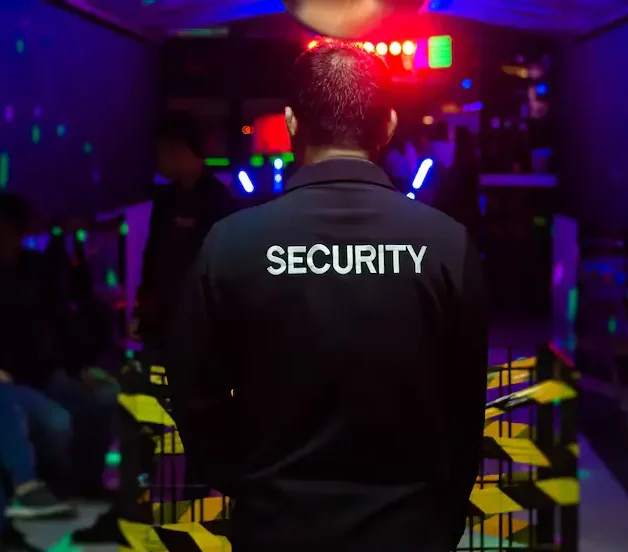
For many people working in London’s private security industry, obtaining an SIA licence is an important first step towards a career in door supervision. However, security work does not remain static. Regulations can change, workplace risks can develop, and the expectations placed on security professionals can evolve over time. This is why refresher training has become an important part of maintaining professional competence.
A door supervisor’s responsibilities can extend well beyond checking identification at an entrance. Depending on the workplace, they may deal with crowd management, conflict, access control, emergencies, vulnerable individuals and incidents involving members of the public. These responsibilities require more than a qualification obtained several years ago. They require knowledge and skills that remain relevant to current working conditions.
For anyone considering entering the profession, researching a Door Supervisor Course London can help establish the knowledge required for the role. For existing licence holders, refresher training provides an opportunity to update that knowledge and maintain important practical skills.
What Is Refresher Training?
Refresher training is designed to update the knowledge and skills of people who are already qualified or working within a particular profession.
In the private security industry, refresher training is particularly relevant because security personnel may encounter situations that require good judgement, communication and appropriate physical intervention. Regulations and industry expectations can also change over time.
The Security Industry Authority (SIA) introduced changes to refresher training requirements for door supervisors and security guards. From 1 April 2025, individuals renewing these licences need to complete the relevant refresher qualification. The SIA also requires an appropriate Emergency First Aid at Work qualification or equivalent before undertaking the refresher training.
This means refresher training should not be viewed simply as an optional development activity. For licence renewal, it can form part of the regulatory requirements that security professionals need to meet.
Why Skills Can Decline Over Time
People naturally become less familiar with procedures when they do not use them regularly.
A security professional may have completed their original training several years ago but may not have experienced every situation covered during that course. Some knowledge may become less accessible without regular practice.
This is particularly important for skills involving physical intervention, first aid, communication and incident management. These are practical abilities that benefit from repetition.
Refresher training provides an opportunity to revisit procedures in a structured environment. Rather than relying entirely on memories from previous training, a security professional can review current expectations and practise relevant techniques again.
The purpose is not necessarily to suggest that experienced security officers have forgotten their responsibilities. Instead, refresher training recognises that professional competence needs to be maintained.
Changes in Security Regulations
One of the most important reasons for keeping training current is that regulatory requirements can change.
The private security industry operates within a legal and regulatory framework that develops over time. Requirements relating to licensing, training, physical intervention, first aid and professional conduct may be updated.
The SIA provides current guidance on the qualifications required for different types of licences and explains when refresher training is needed.
Security professionals should therefore avoid relying exclusively on information they received when they first entered the industry.
Checking current official guidance before renewing a licence can help avoid misunderstandings about qualification requirements.
Maintaining Physical Intervention Skills
Physical intervention is one area where practical refresher training can be especially valuable.
Door supervisors may encounter situations where an individual needs to be removed from an area or where immediate action is necessary to prevent harm. Any intervention must be appropriate, lawful and proportionate to the circumstances.
The objective of training is not to encourage unnecessary physical confrontation. Instead, professional security training focuses on understanding when intervention may be necessary, how risks can be assessed and how techniques should be applied responsibly.
Practical skills can become less familiar if they are not used for long periods. Refresher training gives participants an opportunity to revisit relevant techniques and understand the principles surrounding their use.
This can help security professionals approach difficult situations with greater confidence while remaining conscious of their responsibilities.
First Aid Knowledge Is Equally Important
Security personnel are often among the first people present when an incident occurs.
A person may become injured during an altercation, suffer a medical emergency or require immediate assistance following an accident. In these situations, waiting for emergency services to arrive may not be the only action available.
Basic first-aid knowledge can help a security professional respond appropriately while professional medical assistance is being arranged.
The SIA’s current requirements make Emergency First Aid at Work or an accepted equivalent qualification an important part of the refresher process for relevant licence renewals.
First aid is not limited to security work. However, the nature of door supervision means that security personnel may regularly work in busy environments where accidents, injuries and medical incidents can occur.
Keeping this knowledge current can therefore be valuable both professionally and personally.
Conflict Management and Communication
Door supervisors frequently interact with people who may be frustrated, intoxicated, angry or unwilling to follow instructions.
The ability to communicate clearly can sometimes prevent a situation from becoming more serious.
A professional approach may involve explaining a decision, establishing boundaries, listening to concerns and using calm language. Security personnel also need to recognise when continuing a conversation is unlikely to resolve the situation and when additional support may be necessary.
Refresher training can reinforce these principles.
Good communication does not guarantee that every confrontation will be avoided, but it can provide security professionals with additional tools for managing difficult interactions.
Understanding the Role of a Door Supervisor
The responsibilities of a door supervisor are broader than many people outside the industry realise.
Depending on the workplace, duties can include controlling access, checking identification, searching where legally permitted, monitoring customers, preventing unauthorised entry, dealing with incidents and assisting with emergency procedures.
A door supervisor also needs to understand the limits of their authority.
Security professionals are not police officers. Their powers and responsibilities are different, and they must operate within the law and the conditions of their employment.
Refresher training provides an opportunity to revisit these boundaries and consider how they apply to real-world situations.
Responding to Emergencies
Emergencies can develop quickly.
A fire, medical incident, violent confrontation, overcrowding problem or security threat may require immediate action. In a busy venue, the situation can become more complicated because many members of the public may be present.
A door supervisor needs to know how to respond without unnecessarily increasing the risk.
Emergency procedures can include raising the alarm, communicating with colleagues, directing people away from danger, contacting emergency services and assisting with evacuation procedures where appropriate.
Regular training helps professionals revisit these processes rather than assuming that information learned years earlier remains fully familiar.
Why London Presents Particular Challenges
London has a diverse and highly active hospitality, entertainment and events sector. Security personnel can work in pubs, clubs, restaurants, event venues, hotels and other public-facing environments.
Different venues create different security challenges.
A small venue may require close attention to entry control and customer behaviour, while a large event can involve thousands of people moving through controlled areas.
Transport accessibility and high visitor numbers can also contribute to busy environments.
For professionals working in London, adaptability is therefore important. The same approach may not be suitable for every venue or every situation.
Training provides a foundation, but experience and continuous learning help security personnel apply that foundation to different environments.
Refresher Training and Professional Confidence
Confidence is useful in security work, but it needs to be based on competence rather than overconfidence.
A professional who understands procedures and regularly maintains their skills may be better prepared to make decisions during stressful situations.
Refresher training can help reinforce that confidence by giving participants the opportunity to revisit areas they may not have practised recently.
For example, someone who has worked mainly in access control may have limited experience dealing with certain types of incidents. Reviewing relevant procedures can help them understand what to do if such a situation occurs.
Confidence should never mean taking unnecessary risks. Good security practice involves recognising limitations and seeking appropriate assistance when required.
The Importance of Professional Conduct
Security personnel often represent the organisation or venue where they work.
Their behaviour can influence customer experience and the reputation of the business.
Professional conduct includes punctuality, appropriate communication, respect for members of the public, accurate reporting and compliance with workplace procedures.
A security officer who remains calm and professional during a difficult situation can contribute significantly to maintaining order.
Refresher training can reinforce the importance of these behaviours alongside technical and regulatory knowledge.
Incident Reporting
Accurate incident reporting is another important part of security work.
A security professional may need to record what happened, when it happened, who was involved and what actions were taken. Reports may later be reviewed by management, venue operators, security companies or other relevant authorities.
Poorly written or incomplete records can make it difficult to understand an incident.
Training can remind security personnel of the importance of factual, clear and objective reporting. A professional report should distinguish between what was observed and assumptions about what may have happened.
This is particularly important when an incident could later become the subject of an investigation.
Staying Familiar With Legal Responsibilities
Security professionals need to understand that their role operates within legal boundaries.
This includes areas such as reasonable force, detention, searching, discrimination, privacy, data handling and workplace responsibilities.
The exact legal circumstances can vary depending on the situation, so security personnel should not assume that a particular action is automatically permitted simply because they are working as security staff.
Refresher training can encourage professionals to review the principles relevant to their duties and understand the importance of following current guidance and workplace policies.
When legal questions arise, official guidance and appropriate professional advice should take priority over informal information shared online.
Refresher Training Is Not Just About Passing a Requirement
It can be tempting to view any mandatory training as something to complete simply to renew a licence.
However, the practical value can be much greater.
A security professional who uses refresher training to review skills, ask questions and identify areas that need improvement can gain more from the experience than someone who treats it purely as an administrative requirement.
The training environment can also provide an opportunity to discuss situations that professionals have encountered in real workplaces.
Learning from experiences can help connect formal training with practical security work.
Planning Ahead for Licence Renewal
Security professionals should avoid leaving training until the last possible moment.
The SIA advises licence holders to understand the requirements associated with renewing their licence and to complete necessary training before applying where applicable.
Planning early gives individuals time to identify the appropriate course, check qualification requirements and make arrangements around work commitments.
It can also reduce the risk of discovering close to the renewal date that an additional qualification or first-aid requirement has not been completed.
Anyone unsure about their individual circumstances should consult the latest SIA guidance or contact the relevant training provider for clarification.
Choosing Training Carefully
Not every training provider offers the same experience, so prospective learners should research their options.
Important considerations can include whether the qualification is appropriate for the intended SIA licence, whether the provider is properly recognised for the relevant training and whether the course covers the current requirements.
Learners should also consider practical factors such as course location, schedule, assessment arrangements and the provider’s approach to practical training.
For new entrants, the choice of initial qualification can influence the types of security roles they can pursue. For existing licence holders, the focus should be on completing the correct refresher qualification for their circumstances.
Continuous Learning in the Security Industry
Security is an industry where learning does not necessarily stop after obtaining a licence.
Technology continues to change the way venues and businesses approach security. CCTV, access-control systems, communication equipment and digital reporting tools are increasingly common.
At the same time, security professionals continue to deal with traditional challenges such as crowd management, theft, conflict and emergencies.
Continuous professional development helps individuals remain adaptable.
Even when a particular skill is not formally required for licence renewal, learning more about workplace procedures, communication, technology and risk awareness can contribute to better professional performance.
Final Thoughts
Refresher training plays an important role in maintaining standards within the UK’s licensed private security industry. For door supervisors, it can help keep practical skills, first-aid knowledge, conflict-management abilities and regulatory awareness up to date.
The introduction of updated refresher requirements also demonstrates that licensing is not simply about obtaining a qualification once and forgetting about it. Security professionals are expected to maintain the knowledge and skills necessary for their responsibilities.
For anyone starting a career in London’s security industry, understanding the training pathway is an important first step. For experienced professionals, keeping qualifications and knowledge current can support both licence renewal and effective workplace performance.
Whether someone is considering their first qualification or preparing for a future renewal, the most reliable approach is to check the latest requirements from the SIA and choose training that matches the duties they intend to perform. A properly maintained skill set benefits not only the security professional but also employers, venues, customers and the wider public.