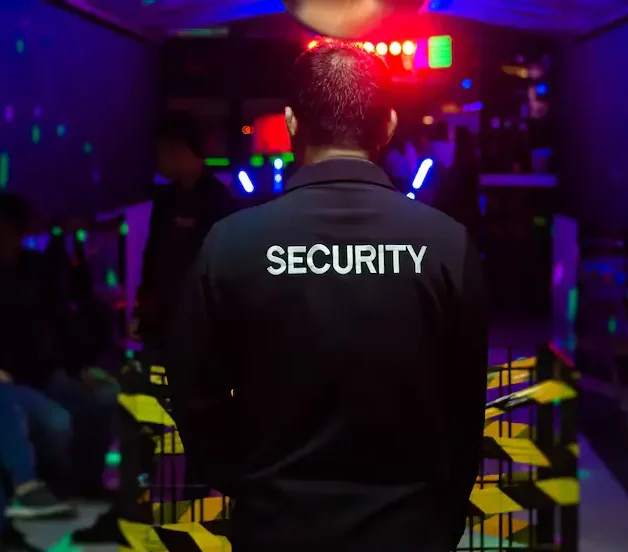
For people entering the private security industry, understanding the difference between initial and refresher training is an important part of planning a career. Both types of training are connected with maintaining professional standards, but they serve different purposes and are generally aimed at people at different stages of their security careers.
This distinction is particularly relevant to door supervisors. Someone entering the industry for the first time will normally need to complete the appropriate licence-linked qualification before applying for an SIA licence. An experienced security professional renewing an existing licence may instead need to complete the relevant refresher training, depending on the licence and current SIA requirements.
The difference is not simply about taking the same course twice. Initial training is designed to establish the knowledge and skills required to enter a licensed role, while refresher training is intended to update and reinforce existing knowledge.
For anyone researching a Door Supervisor Course London, understanding this distinction can make it easier to identify the appropriate training route.
What Is Initial Security Training?
Initial training is the training undertaken by someone who is preparing to enter a particular licensed security role for the first time.
A person who has never held an SIA licence for door supervision generally needs to complete the required qualification before applying for a Door Supervisor licence. The qualification covers the knowledge and practical skills expected of someone working in this area.
The purpose is to establish a foundation. Learners may be introduced to subjects such as the role and responsibilities of a security professional, communication, conflict management, physical intervention, emergency procedures and relevant legal responsibilities.
Initial training can therefore be viewed as the starting point of a professional security career.
It is important to understand that completing training and receiving an SIA licence are separate stages. Successfully completing a qualification does not automatically mean that an individual is licensed to work. The SIA has its own application process and checks that applicants must satisfy.
The exact requirements should always be confirmed through current SIA guidance because licensing and training rules can change.
Who Needs Initial Training?
Initial training is generally relevant to people who are entering the licensed security industry or moving into a role for which they do not already hold the appropriate qualification and licence.
For example, someone who has never worked as a licensed door supervisor and wants to work in licensed premises may need to complete the relevant Door Supervisor qualification.
The same principle applies across different areas of private security. The qualification needed depends on the activity the individual intends to perform.
This is why choosing training based solely on a job advertisement can sometimes cause confusion. A person should first establish which regulated activity they want to undertake and then identify the relevant SIA requirements.
What Does Initial Door Supervisor Training Cover?
Initial training is designed to give learners a broad understanding of the responsibilities associated with door supervision.
The subject areas can include legal responsibilities, licensing law, searching procedures, dealing with conflict, customer service, emergency situations and physical intervention.
The practical elements are especially important because door supervisors can work in environments where situations change quickly.
A door supervisor may need to communicate with customers, identify potential problems, prevent unauthorised entry, respond appropriately to incidents and work with colleagues or emergency services.
Training helps learners understand how these responsibilities should be approached professionally and within the law.
It is not simply about learning how to remove someone from a venue. Effective door supervision involves prevention, communication, observation, judgement and appropriate responses.
What Is Refresher Training?
Refresher training is designed for security professionals who already have relevant training and experience but need to update their knowledge and skills.
It is therefore different from starting a security career from the beginning.
Security regulations, operational expectations and best practices can change over time. A person who qualified several years ago may need to update their knowledge before renewing an SIA licence.
The SIA introduced changes to refresher training requirements for door supervisors and security guards. From 1 April 2025, people renewing these licences need to complete the relevant refresher qualification and meet the associated first-aid requirement before undertaking the refresher training.
This means experienced security professionals should not assume that their original qualification will automatically be sufficient for every future renewal.
Why Is Refresher Training Necessary?
Security work involves responsibility for people, property and public safety. Maintaining professional competence is therefore important.
Refresher training gives experienced personnel an opportunity to review important areas of their work and update their knowledge.
Consider a security professional who completed training several years ago. Since then, regulations, industry expectations or training requirements may have changed. Refresher training provides a structured way of bringing their knowledge up to date.
It can also help reinforce skills that may not be used regularly.
For example, someone may understand conflict management theoretically but rarely encounter serious incidents during normal shifts. Revisiting appropriate procedures through training can help maintain confidence and awareness.
Initial vs Refresher Training: The Main Difference
The simplest way to understand the distinction is to consider the stage of the individual’s career.
Initial training is primarily about entry.
Refresher training is primarily about renewal and updating.
An individual entering the industry needs to develop the foundation required for the role. An experienced professional already has that foundation but may need to demonstrate that their knowledge and skills remain current.
This is why refresher training should not normally be viewed as a replacement for initial training.
Someone who has never completed the required initial qualification cannot generally treat a refresher course as an alternative route into the profession.
How Long Does Initial Training Take?
The duration of initial training depends on the specific qualification and current regulatory requirements.
Door supervision training is made up of several subject areas and includes both knowledge-based and practical learning.
Learners should consider more than just the number of days advertised by a training provider. The quality of instruction, qualification being delivered, assessment arrangements and whether the course meets current SIA requirements are also important.
Before booking, prospective learners should verify the current qualification requirements rather than relying on older course information.
How Long Does Refresher Training Take?
Refresher training is generally shorter than initial training because it is designed for people who already have the relevant foundation.
However, the exact duration and content can depend on the current requirements applicable to the licence.
The SIA’s refresher training framework is particularly important for door supervisors and security guards because certain qualifications are required when renewing licences.
Security professionals should check the current SIA guidance before booking a refresher course. This helps ensure that the training completed is suitable for the intended licence renewal.
First Aid and Refresher Training
First aid is an important consideration when planning refresher training.
The SIA states that door supervisors and security guards renewing their licences need an Emergency First Aid at Work qualification or an accepted equivalent before undertaking the relevant refresher training.
This requirement means that someone approaching licence renewal should consider the timing of their first-aid qualification as part of their overall preparation.
Leaving everything until the final moment can create unnecessary pressure, particularly if a qualification needs to be completed before another part of the renewal process can take place.
Does Initial Training Expire?
The training qualification and the SIA licence should not be confused.
An individual may complete an initial qualification and subsequently receive an SIA licence. The licence has its own validity period and renewal requirements.
When the time comes to renew, the person may need to complete refresher training depending on the type of licence and the applicable requirements.
The important point is that the fact someone completed initial training in the past does not mean they should ignore current renewal requirements.
Security professionals should always check their individual licence status and the latest SIA guidance.
Can Refresher Training Be Used Instead of Initial Training?
Generally, refresher training is not designed for someone starting from zero.
Its purpose is to update existing knowledge and competence. It assumes that the learner already has an appropriate background in the relevant security activity.
Someone planning to become a door supervisor for the first time should therefore investigate the initial qualification route rather than looking for a refresher course.
This distinction can prevent people from booking a course that does not meet their actual licensing needs.
Choosing a Training Provider
Selecting an appropriate training provider is an important decision for both new and experienced security professionals.
Prospective learners should check that the course is linked to the relevant current qualification and meets the requirements applicable to the SIA licence they are seeking.
It is also sensible to ask about:
- Course content
- Qualification and awarding organisation
- Training duration
- Assessment arrangements
- Practical training requirements
- First-aid requirements
- Current SIA rules
- Course location and timetable
A low price should not automatically be the deciding factor. The objective should be to complete training that genuinely meets the applicable requirements.
Training in London
London has a large and diverse private security sector, creating opportunities across hospitality, events, retail, commercial buildings, construction sites and other environments.
For new entrants, this can make door supervision an attractive area to explore. However, the nature of the work means that professional preparation is important.
People considering a Door Supervisor Course London should look beyond the course title and understand exactly what qualification is being delivered.
The location of a course can also matter for people balancing training with employment or other commitments. London-based learners may have access to different schedules, including weekday and other arrangements depending on the provider.
However, convenience should not replace due diligence. The qualification and training requirements should always come first.
What Happens After Initial Training?
Completing initial training is only one stage of entering the industry.
After completing the appropriate qualification, an applicant can proceed with the SIA licence application if they meet the other requirements.
The SIA may carry out identity, criminal record and other checks as part of the licensing process.
Applicants should therefore allow sufficient time for the overall process rather than assuming that finishing a course means they can immediately begin licensed work.
Employers also have responsibilities when recruiting licensed security personnel. Businesses should verify that workers have the appropriate licence for the duties they are expected to perform.
What Happens During a Career?
Security training should be viewed as part of an ongoing professional journey.
A person may begin with door supervision and later develop an interest in other areas of private security. Some may move into security management, while others may explore specialist sectors such as close protection or CCTV.
Additional qualifications and experience can help individuals develop their careers, although each regulated activity has its own requirements.
Refresher training is also part of maintaining professional standards. It encourages experienced workers to keep their knowledge current rather than relying solely on training completed when they first entered the industry.
Common Mistakes to Avoid
One common mistake is assuming that every security role requires the same licence.
Another is booking a course without checking whether it corresponds to the required licence-linked qualification.
Some people also wait until the last minute before checking renewal requirements. This can be problematic if refresher training or first aid needs to be completed before the licence renewal process.
Another mistake is relying on outdated online information. SIA requirements can change, so official guidance should be checked before making decisions about training.
Finally, learners should not assume that refresher training is simply a shorter version of initial training. The two have different purposes.
Which Training Is Right for You?
The answer depends mainly on your current position.
If you are entering the security industry and do not already hold the relevant qualification, initial training is likely to be the appropriate route.
If you are already an experienced licensed security professional and are preparing to renew your licence, refresher training may be required.
The most reliable approach is to identify the licence you need, check the current SIA requirements and then select training that satisfies those requirements.
This approach can help avoid unnecessary training and ensure that your qualification supports your intended career path.
Final Thoughts
Initial and refresher training are both important parts of the UK’s licensed private security sector, but they serve different purposes.
Initial training provides the foundation for someone entering a regulated security role. It introduces the knowledge, responsibilities and practical skills required for the profession.
Refresher training is designed for people who already have relevant experience and need to update their knowledge and skills as part of maintaining their professional requirements.
For prospective door supervisors in London, understanding this difference is particularly useful before committing to a course. Checking the current SIA rules, identifying the correct licence and choosing an appropriate qualification can make the training process much clearer.
Security professionals should also remember that training requirements can change. The SIA’s official guidance remains the best source for current licensing and renewal information.
Whether someone is taking their first step into the industry or preparing to renew an existing licence, the right training provides an important foundation for working responsibly and professionally in private security.