Starting a Door Supervisor Course in London can be an exciting first step towards a career in the private security industry. However, good preparation is important if you want to get the most from your training and move smoothly towards your SIA licence.
Before booking your course, it helps to understand the basic requirements, documents, first aid training, course expectations and career steps involved.
This guide explains what you should know and prepare before starting your Door Supervisor training in London.
Understand What a Door Supervisor Does
Before signing up for a course, make sure you understand the job.
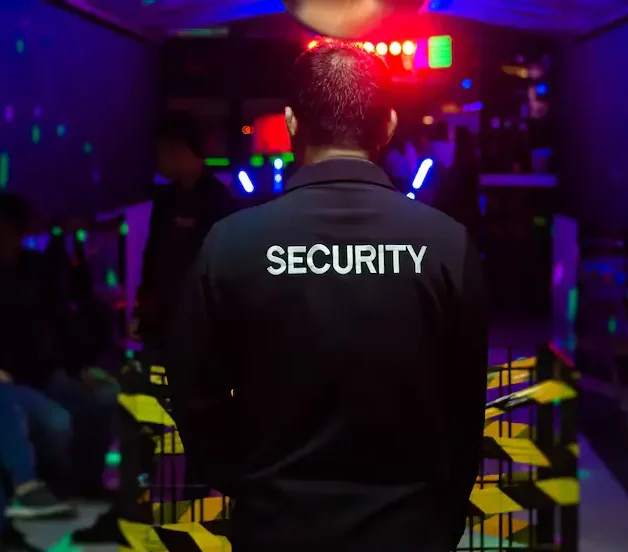
A Door Supervisor can work in places such as:
- Nightclubs
- Pubs
- Bars
- Hotels
- Concert venues
- Festivals
- Sporting events
- Private events
- Entertainment venues
Typical responsibilities can include checking identification, controlling entry, managing queues, monitoring customers, dealing with incidents and supporting the safety of people inside a venue.
The role requires professionalism, patience and good judgement.
Check the Current SIA Requirements
Before booking your training, check the latest requirements from the Security Industry Authority.
SIA requirements can change, so it is better to use current information rather than relying on an old article, social media post or advice from someone who completed training several years ago.
Make sure the course you choose is suitable for someone applying for an SIA Door Supervisor licence.
Make Sure You Meet the Basic Requirements
Before starting the process, check that you meet the relevant SIA requirements.
You will need to provide information during the licensing process and satisfy the SIA’s eligibility and identity requirements.
The SIA also carries out checks as part of the licence application process.
If you are unsure whether there could be an issue with your application, check the current SIA guidance before paying for training.
Arrange Your First Aid Qualification
First aid is one of the most important things to arrange before starting your Door Supervisor training.
You need an appropriate first aid qualification before beginning the training required for the full Door Supervisor qualification.
If you already have a first aid certificate, ask your training provider whether it meets the current requirements.
If you do not have one, arrange suitable first aid training before your main Door Supervisor course.
Do not leave this until the last minute because you may not be able to begin the required training without the appropriate first aid qualification.
Choose a Suitable Training Provider
London has many security training providers, so take time to compare your options.
Before booking, check:
- The qualification being offered
- The awarding organisation
- Training dates
- Course location
- Course duration
- Assessment arrangements
- First aid requirements
- Total price
- Resit policy
- What is included in the course fee
A reputable provider should clearly explain the course before you make a payment.
Do Not Choose a Course Only Because It Is Cheap
The cheapest course is not necessarily the best choice.
A low advertised price may not include everything you need.
Ask whether the price includes registration, assessments, certification, learning materials, practical training or resits.
Compare the complete package rather than looking only at the headline price.
A slightly more expensive course may provide better facilities, clearer support and a more convenient timetable.
Check the Course Location
Think carefully about where your training will take place.
London is large, and travelling across the city every day can become tiring and expensive.
Before booking, check:
- The exact training address
- Nearest transport links
- Start and finish times
- Parking availability if needed
- Travel time from your home
Plan your journey before your first day.
Arriving late because you underestimated London travel can create unnecessary problems.
Check Your Course Dates
Make sure you are available for the full training period.
Missing training sessions can affect your progress and may create problems with completing the qualification.
Before booking, check your work, family and other commitments.
It is better to choose dates when you can attend consistently rather than booking a course and discovering that you cannot complete all the required sessions.
Prepare Your Identification Documents
You may need identification and personal information during your training or SIA application.
Prepare your documents in advance and check with your training provider or the SIA about what is currently required.
Having your paperwork organised can make the process easier.
Avoid waiting until the last moment to discover that an important document is missing.
Be Prepared for Classroom Learning
A Door Supervisor Course is not only physical training.
You will also need to learn important information about security responsibilities, communication, conflict management, legal requirements and workplace procedures.
Be prepared to:
- Listen carefully
- Take notes
- Ask questions
- Participate in discussions
- Revise important information
- Complete assessments
If you take the classroom side seriously, you will be better prepared for the assessments and your future job.
Be Ready for Practical Training
Door Supervisor training can also include practical elements.
You may take part in exercises related to physical intervention and other practical security procedures.
Listen carefully to your trainer and follow instructions.
Do not treat practical sessions like a competition.
The purpose is to develop safe and professional skills that you can use responsibly in the workplace.
Develop Good Communication Skills
You do not need to be an expert communicator before starting your course, but improving your communication skills can help.
A Door Supervisor may regularly communicate with customers, colleagues, managers and emergency services.
Practise:
- Speaking clearly
- Listening carefully
- Remaining calm
- Giving clear instructions
- Being polite
- Staying confident
A professional Door Supervisor should be able to remain respectful even when dealing with difficult people.
Prepare Yourself for Conflict Management
Conflict management is an important part of Door Supervisor work.
You may deal with customers who are unhappy about being refused entry, asked to leave or required to follow venue rules.
Before starting your course, understand that the aim is not to argue with people.
Instead, you should learn how to remain calm, communicate professionally and reduce unnecessary tension.
Your training will help you develop these skills further.
Understand That Professionalism Matters
A Door Supervisor represents both the security company and, in many situations, the venue.
Professional behaviour is therefore extremely important.
Employers may expect you to:
- Arrive on time
- Dress correctly
- Follow instructions
- Treat customers respectfully
- Work well with colleagues
- Stay calm under pressure
- Follow workplace procedures
Developing this mindset before training can help you become a better security professional.
Improve Your Fitness and General Preparation
You do not need to become a professional athlete before taking a Door Supervisor Course.
However, practical training and security work can involve standing for long periods and working in busy environments.
Basic preparation can help.
Try to maintain a healthy routine, get enough sleep and arrive at training rested.
Good preparation can help you stay focused during both classroom and practical sessions.
Prepare for Assessments
Do not assume that you can simply attend the course and pass without studying.
You should expect assessments as part of your qualification.
Before training begins, develop a simple study routine.
You can:
- Review your notes after each session
- Ask questions about difficult topics
- Revise regularly
- Practise relevant questions
- Discuss subjects with your trainer
- Avoid leaving revision until the final day
Consistent preparation is usually better than last-minute studying.
Understand the Difference Between Training and Licensing
One of the most important things to understand before starting is that completing your training does not automatically give you an SIA licence.
You first need to complete the appropriate qualification.
You then need to apply for the relevant SIA licence and meet the licensing requirements.
Understanding this process from the beginning can help you avoid unrealistic expectations.
Think About Your Future Employment
It is useful to think about your career goals before starting training.
Ask yourself what type of security work interests you.
You may want to work in:
- Nightlife security
- Events
- Hospitality
- Concerts
- Sporting venues
- Private events
- General venue security
Knowing what interests you can help you make better decisions about your first job.
Start Building Your CV
You do not have to wait until you finish your training before thinking about your CV.
Start preparing a professional CV that includes your previous employment and transferable skills.
If you have worked in:
- Hospitality
- Retail
- Customer service
- Events
- Public-facing roles
mention this experience.
These jobs can demonstrate communication, customer service and responsibility, which can be useful for Door Supervisor work.
Prepare for Job Interviews
Think about how you would answer basic security interview questions.
Employers may ask:
- Why do you want to become a Door Supervisor?
- How would you deal with an angry customer?
- What would you do if you saw a conflict?
- How would you respond to an emergency?
- Why is teamwork important?
- What does professionalism mean to you?
Focus on showing that you are calm, responsible and willing to follow procedures.
Understand the Importance of Teamwork
Door Supervisors rarely work completely alone.
You may work alongside other security staff, managers, venue employees and emergency services.
Good teamwork means communicating clearly, supporting colleagues and following agreed procedures.
During training, pay attention to group exercises and learn how to communicate effectively with other learners.
Know What You Should Bring to Training
Before your first day, ask your training provider what you need to bring.
Depending on the provider, you may need:
- Identification
- First aid certificate
- Notebook and pen
- Appropriate clothing
- Course documents
- Water and food for longer sessions
Do not assume that every training provider has exactly the same requirements.
Confirm everything before your course starts.
Avoid Common Beginner Mistakes
New learners can make simple mistakes that are easy to avoid.
Common mistakes include:
- Booking without checking the qualification
- Ignoring first aid requirements
- Choosing a course only because it is cheap
- Arriving late
- Missing training sessions
- Failing to revise
- Not asking questions
- Treating practical training casually
- Assuming the course automatically provides an SIA licence
Preparing properly can help you avoid these problems.
What to Expect After Training
Once you successfully complete the required training and qualification, you can move towards the SIA licensing stage if you meet the other relevant requirements.
After receiving your licence, you can begin applying for suitable Door Supervisor positions.
Your first job may not be your dream role, but gaining experience can help you build confidence and develop your professional reputation.
Build Your Career Step by Step
Becoming a Door Supervisor should be viewed as the beginning of your security career rather than the final destination.
With experience and additional development, you may eventually progress into roles such as:
Door Supervisor → Senior Door Supervisor → Team Leader → Security Supervisor → Security Manager
Your career progression will depend on your skills, experience, employer and future training.
Frequently Asked Questions
Do I need previous security experience before starting a Door Supervisor Course?
No. Beginners can enter the industry by completing the required training and meeting the relevant SIA licensing requirements.
Do I need first aid before starting the course?
Yes. You need an appropriate first aid qualification before beginning the required training for the full Door Supervisor qualification.
What should I bring to my Door Supervisor training?
Check with your training provider, but you may need identification, your first aid certificate, writing materials and suitable clothing.
Is the Door Supervisor Course difficult?
The course requires concentration, participation and preparation. Beginners can complete it successfully by attending the required sessions and preparing for assessments.
Does completing the course automatically give me an SIA licence?
No. The qualification and SIA licence are separate stages. You must complete the licensing process after obtaining the appropriate qualification.
Do I need to be physically strong to become a Door Supervisor?
Physical fitness can be useful, but communication, awareness, professionalism, patience and good judgement are also extremely important.
Can I work in London nightclubs after getting my licence?
Yes. Nightclubs are one of the environments where licensed Door Supervisors can work, although individual employers may have additional requirements.
How should I prepare for my first security job?
Build a professional CV, develop communication skills, understand your responsibilities and prepare for common interview questions.
What should I look for when choosing a training provider?
Check the qualification, awarding organisation, course dates, location, total cost, assessment arrangements and what is included in the price.
Can Door Supervisor work become a long-term career?
Yes. With experience, additional training and the right skills, you can progress into senior, supervisory and management positions.
Conclusion
Knowing what you need before starting a Door Supervisor Course in London can make the entire process easier.
Start by checking the current SIA requirements, arranging the appropriate first aid qualification and choosing a suitable training provider. Prepare your documents, plan your travel and make sure you can attend all required training sessions.
During the course, take both classroom and practical training seriously. Develop your communication, conflict-management, observation and teamwork skills.
Once you complete the required qualification and obtain your SIA licence, you can begin looking for employment and building your experience.
With the right preparation, professional attitude and commitment to learning, your Door Supervisor training can provide a strong foundation for a successful security career in London.