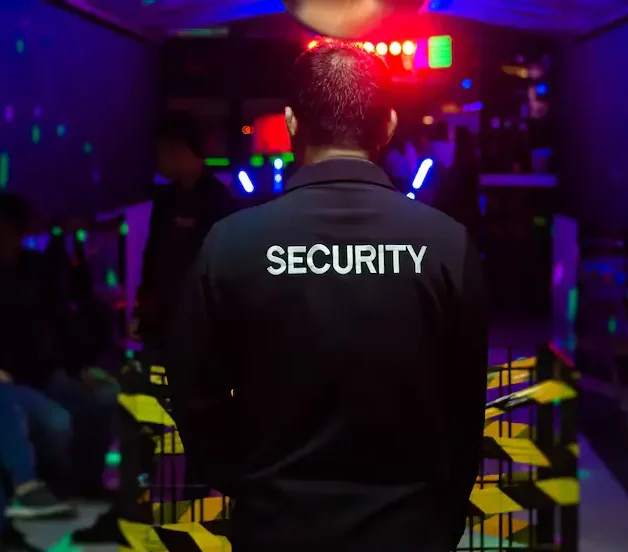
Starting a Door Supervisor Course in London can be an excellent way to enter the private security industry. London has a wide range of nightlife venues, entertainment locations, events and hospitality businesses where trained security professionals can find employment.
However, becoming a Door Supervisor involves more than completing a training course. You need to understand the training requirements, obtain the correct qualification, apply for an SIA licence and prepare yourself for employment.
This guide explains the main stages of becoming a Door Supervisor in London and provides practical advice for beginners.
What Is a Door Supervisor?
A Door Supervisor is a trained security professional who helps maintain safety and security at venues and events.
Door Supervisors can work in places such as:
- Nightclubs
- Pubs
- Bars
- Hotels
- Concert venues
- Festivals
- Sporting events
- Private events
- Entertainment venues
Typical duties can include checking identification, controlling entry, managing queues, monitoring behaviour, dealing with incidents and working with venue management.
The exact responsibilities depend on the workplace and employer.
Why Choose a Door Supervisor Career in London?
London is one of the UK’s biggest centres for entertainment, hospitality and events.
This creates opportunities for Door Supervisors across many different working environments.
A Door Supervisor career can suit people who enjoy working with the public, prefer active work and want to develop professional experience in the security industry.
It can also provide a starting point for people who eventually want to progress into senior security, supervisory or management positions.
What Training Do You Need?
If you want to apply for a front-line SIA Door Supervisor licence for the first time, you need to complete the appropriate licence-linked qualification.
The training should be completed through an approved training provider and lead to a recognised qualification suitable for SIA licensing.
Always check the latest SIA requirements before booking your course because licensing and qualification requirements can change.
First Aid Before Door Supervisor Training
First aid is an important requirement for Door Supervisor training.
You need an appropriate first aid qualification before starting the training required for the full Door Supervisor qualification.
If you already have a first aid certificate, speak to your training provider and confirm that it meets the current requirements.
If you do not have one, arrange suitable first aid training before beginning your Door Supervisor course.
Choosing a Door Supervisor Course in London
Choosing the right training provider is an important decision.
Do not book a course simply because it is cheap or has an attractive advertisement.
Before making a payment, check:
- The exact qualification
- The awarding organisation
- Course duration
- Training location
- Assessment arrangements
- First aid requirements
- Total cost
- Resit arrangements
- Training timetable
- Provider approval
A good provider should clearly explain what you will receive before you book.
What Will You Learn During Training?
A Door Supervisor course is designed to provide knowledge and practical skills relevant to security work.
Depending on the qualification and current requirements, training can cover subjects such as:
- Private security law
- Health and safety
- Conflict management
- Communication
- Door supervision responsibilities
- Searching
- Physical intervention
- Emergency procedures
- Incident management
- Professional conduct
Take every subject seriously because the knowledge can become useful when you begin working.
Develop Strong Communication Skills
Communication is one of the most important skills for a Door Supervisor.
You may communicate with customers, colleagues, venue managers, event organisers and emergency services.
A professional Door Supervisor should be able to:
- Speak clearly
- Listen carefully
- Give simple instructions
- Remain respectful
- Stay confident
- Explain decisions professionally
- Report incidents accurately
Being firm does not mean being aggressive.
Good communication can often help prevent difficult situations from becoming more serious.
Learn Conflict Management
Door Supervisors may encounter challenging situations, particularly in busy nightlife environments.
Customers may become frustrated about queues, entry decisions or venue rules.
Your objective should be to manage these situations professionally rather than make them worse.
Useful conflict-management habits include:
- Staying calm
- Listening carefully
- Speaking clearly
- Avoiding unnecessary confrontation
- Maintaining professional body language
- Recognising when a situation is escalating
- Asking colleagues for assistance when required
These skills can be extremely valuable in real security work.
Understand Physical Intervention Training
Physical intervention is an important part of Door Supervisor training.
However, it should never be viewed as learning how to fight.
The purpose of the training is to understand appropriate techniques, safety and professional responsibilities.
Pay close attention during practical sessions and follow your trainer’s instructions.
A professional Door Supervisor should understand that physical intervention is a serious responsibility and must be approached carefully.
Learn About Searching and Access Control
Searching and access control can form an important part of Door Supervisor duties.
Depending on the workplace, you may be responsible for checking whether customers meet the venue’s entry requirements or whether prohibited items are being brought inside.
Your training helps you understand appropriate procedures and professional boundaries.
Always follow venue policies and relevant legal requirements.
Complete Your Assessments
Completing your training is only one stage of obtaining your qualification.
You also need to complete the required assessments successfully.
Prepare by:
- Reviewing your notes
- Asking questions
- Revising regularly
- Practising relevant knowledge
- Paying attention during practical sessions
- Asking your trainer about difficult subjects
Avoid leaving all your revision until the final day.
Regular preparation can make assessments much easier to manage.
Apply for Your SIA Licence
After completing the required qualification, you can move on to the SIA licensing process if you meet the other relevant requirements.
Your qualification and SIA licence are separate things.
Completing your Door Supervisor course does not automatically give you permission to work as a licensed Door Supervisor.
Make sure you understand the current application process and provide the information requested by the SIA.
How Long Is an SIA Licence Valid?
An SIA licence is generally valid for three years.
Before your licence expires, check the latest renewal requirements.
Door Supervisors renewing their licence need to meet the relevant refresher training requirements and first aid conditions.
Planning your renewal early can help prevent problems with your ability to continue working.
Understand Refresher Training
SIA requirements can change, so existing Door Supervisors should avoid relying on old information.
When renewing a Door Supervisor licence, relevant refresher training may be required.
Refresher training helps security professionals maintain important knowledge and practical skills.
Always check the latest SIA guidance before booking refresher training.
Finding Door Supervisor Jobs in London
Once you have your qualification and appropriate SIA licence, you can start looking for employment.
You can search for opportunities through:
- Security companies
- Recruitment websites
- Event security companies
- Venue employers
- Hospitality businesses
- Local job boards
- Professional contacts
- Direct applications
London offers many different security environments, so consider which type of work suits your interests and availability.
Build a Professional Security CV
Your CV should clearly show your qualifications, experience and relevant skills.
Include:
- Door Supervisor qualification
- SIA licence status
- First aid qualification
- Previous employment
- Customer service experience
- Security experience
- Relevant skills
- Availability
If you are new to security, do not worry about having a long security work history.
Experience in hospitality, retail or customer service can demonstrate useful transferable skills.
Prepare for Your First Interview
Security employers may ask questions about how you would handle challenging situations.
You could be asked:
- Why do you want to become a Door Supervisor?
- How would you handle an angry customer?
- What would you do if a situation became violent?
- How would you respond to an emergency?
- Why is teamwork important?
- What does professionalism mean to you?
Try to demonstrate that you can remain calm, communicate effectively and make responsible decisions.
Avoid giving the impression that you are interested in security because you enjoy confrontation.
What Employers Look For
Employers may look for more than a qualification.
Important qualities can include:
- Reliability
- Punctuality
- Communication
- Professional appearance
- Confidence
- Teamwork
- Patience
- Observation
- Responsibility
- Customer service skills
Having the right attitude can help you become a valuable member of a security team.
Be Professional at Work
Your behaviour during your first jobs can have a major impact on your reputation.
Always aim to:
- Arrive on time
- Follow instructions
- Wear the correct uniform
- Communicate with colleagues
- Treat customers respectfully
- Follow venue procedures
- Report incidents correctly
- Remain professional under pressure
Security companies need reliable people they can trust.
A strong reputation can help you obtain additional shifts and future opportunities.
Gain Experience in Different Security Environments
Once you have some experience, you may want to work in different types of security environments.
For example, you could gain experience in nightlife, events, hospitality or sporting venues.
Different workplaces can help you develop different skills.
Event work may improve your crowd-management experience, while nightclub work can provide experience with busy entrances and challenging customer situations.
Consider Career Progression
Door Supervisor work does not have to be the end of your security career.
With experience, you may progress towards positions such as:
Door Supervisor → Senior Door Supervisor → Team Leader → Security Supervisor → Security Manager
Your progression will depend on your experience, employer, skills and additional training.
Some security professionals remain focused on venue security, while others move towards events, supervision or management.
Keep Your Knowledge Up to Date
Security requirements and workplace procedures can change.
Do not rely on information you received years ago.
Keep checking current SIA guidance and pay attention to updates from your employer.
Continue developing your knowledge of:
- Security procedures
- Conflict management
- Emergency response
- Customer service
- Incident reporting
- Health and safety
- Legal responsibilities
Continuous learning can help you become a more confident security professional.
Common Mistakes to Avoid
New Door Supervisors can avoid many problems by preparing properly.
Common mistakes include:
- Choosing a course without checking the qualification
- Ignoring first aid requirements
- Selecting a provider only because it is cheap
- Failing to prepare for assessments
- Assuming the course automatically provides an SIA licence
- Arriving late to training or shifts
- Treating customers disrespectfully
- Using unnecessary confrontation
- Failing to monitor licence renewal requirements
- Relying on outdated SIA information
Taking a professional approach from the beginning can help you avoid these problems.
A Simple Door Supervisor Career Roadmap
Your journey can be easier when you understand the main stages.
Start by checking the current SIA requirements.
Complete the required first aid qualification.
Choose an appropriate Door Supervisor course.
Attend the required training.
Complete and pass the assessments.
Receive your recognised qualification.
Apply for your SIA Door Supervisor licence.
Search for suitable employment.
Build workplace experience.
Continue developing your skills.
Complete refresher training when required.
Work towards your long-term security career goals.
Frequently Asked Questions
Do I need experience to start a Door Supervisor Course?
No. Previous security experience is not normally required for beginners who meet the current entry and licensing requirements.
Do I need first aid before Door Supervisor training?
Yes. You need an appropriate first aid qualification before taking the required licence-linked training.
Does the Door Supervisor Course give me an SIA licence?
No. The course provides the required qualification. You must separately apply for an SIA licence and meet the relevant licensing requirements.
How long is an SIA Door Supervisor licence valid?
An SIA licence is generally valid for three years, after which you need to meet the applicable renewal requirements.
Can I work in nightclubs after getting my licence?
Yes. Nightclubs are one of the common environments where licensed Door Supervisors may work, although individual employers may have their own requirements.
What skills are important for Door Supervisors?
Communication, conflict management, observation, teamwork, professionalism, patience and good judgement are all valuable skills.
Can I become a Door Supervisor without security experience?
Yes. Many people enter the industry as beginners by completing the required training and obtaining their SIA licence.
Is refresher training required when renewing a Door Supervisor licence?
Yes. Current SIA requirements include relevant refresher training for Door Supervisors renewing their licences.
How can I find Door Supervisor jobs in London?
You can search through security companies, recruitment websites, event-security businesses, job boards, venues and direct applications.
Can Door Supervisor work lead to other security jobs?
Yes. With experience and additional training, you may progress towards senior, supervisory and management positions within the security industry.
Conclusion
A Door Supervisor Course in London can provide a strong starting point for anyone interested in a career in private security.
The journey involves more than completing a training course. You need to obtain the appropriate qualification, meet the first aid requirement, apply for your SIA licence and prepare yourself for professional employment.
Focus on communication, conflict management, situational awareness, customer service and responsible decision-making during your training.
Once you begin working, reliability and professionalism can help you build a strong reputation.
Keep your knowledge and qualifications up to date, follow current SIA guidance and continue developing your skills.
With the right training, attitude and experience, becoming a Door Supervisor can be the beginning of a rewarding security career in London.