Starting a Door Supervisor Course in London can be the first major step towards a career in the private security industry. For beginners, however, the process can seem confusing. You need to understand the right qualification, first aid requirements, SIA licensing process, training assessments and the types of jobs available after you qualify.
The good news is that the pathway is straightforward when you understand each stage.
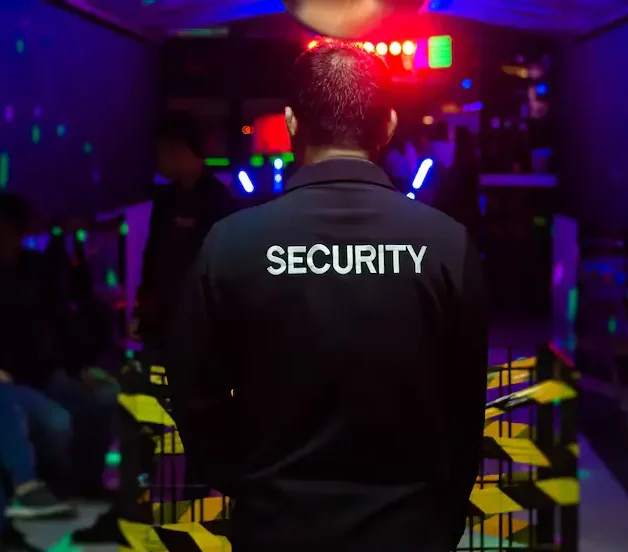
A Door Supervisor can work in environments such as nightclubs, pubs, bars, entertainment venues and events. The role involves much more than standing at an entrance. Door Supervisors may control access, manage queues, deal with conflict, monitor behaviour, support emergency procedures and help maintain a safe environment.
This guide explains the main qualification requirements and what you should know about finding Door Supervisor jobs in London.
What Is a Door Supervisor?
A Door Supervisor is a licensed private security professional who performs security duties at licensed premises and other relevant environments.
The work can include checking entry requirements, monitoring customers, searching where appropriate, dealing with difficult situations and responding to security concerns.
The exact duties depend on the employer and venue.
The important point is that certain Door Supervisor activities are legally licensable. The regulated professions guidance states that a Door Supervisor licence is required for relevant security work at licensed premises, including guarding against unauthorised access, disorder or damage.
Do You Need a Qualification?
Yes. If you are applying for a front-line SIA Door Supervisor licence for the first time, you need a recognised licence-linked qualification and must pass the required assessments.
The SIA explains that first-time applicants must have obtained their qualification within the previous three years. The awarding organisation must notify the SIA of the qualification before you can submit the relevant licence application.
This means completing training and obtaining the qualification are important stages before applying for the licence.
What Is the Main Door Supervisor Qualification?
For applicants in England, the current main qualification is the Level 2 Award for Working as a Door Supervisor in the Private Security Industry.
The SIA currently lists recognised awarding organisations including Highfield Qualifications, Laser Learning Awards, NOCN, Pearson, QNUK and SFJ Awards.
The SIA has also announced changes concerning BIIAB. It will not accept BIIAB qualifications granted on or after 10 August 2026, although qualifications granted before that date remain accepted.
Because qualification rules can change, always check the current SIA guidance before booking your course.
Do You Need First Aid Training?
Yes.
Before taking the training required for a full Door Supervisor qualification, you must hold an appropriate first aid qualification.
The SIA states that your first aid qualification must have at least another 12 months of validity when you begin the licence-linked training.
An Emergency First Aid at Work qualification or an accepted equivalent can meet the requirement, subject to the current SIA rules.
If you are unsure whether your certificate is acceptable, ask your training provider before booking your main Door Supervisor course.
How Long Is Door Supervisor Training?
The published SIA training requirements describe a 45-hour Door Supervisor training programme.
The training covers the required units and assessments, and the SIA states that where distance learning has been used, the training must be delivered over a minimum period of four days.
Course schedules can vary between providers, so check the exact timetable before booking.
Do not choose a course simply because it promises to finish unusually quickly.
What Will You Learn?
A Door Supervisor qualification is designed to give you both knowledge and practical skills.
The training covers areas such as:
- Private security law
- Health and safety
- Door Supervisor responsibilities
- Conflict management
- Searching procedures
- Physical intervention
- Professional conduct
- Emergency situations
The SIA explains that licence-linked training covers the core areas needed to perform licensed security work safely.
These subjects are important because Door Supervisors can face unpredictable situations while working.
Security Law
Understanding the law is one of the foundations of Door Supervisor training.
You need to understand your responsibilities and limitations as a private security professional.
Training can introduce you to areas such as entry control, searching, detention, reasonable force and relevant security legislation.
The purpose is to help you make informed decisions rather than simply react to difficult situations.
Conflict Management
Conflict management is one of the most useful skills you can develop.
Door Supervisors may deal with customers who are frustrated, aggressive, intoxicated or unwilling to follow venue rules.
Training can help you learn how to communicate calmly, recognise signs of conflict and use appropriate de-escalation techniques.
Professional communication can often prevent a difficult situation from becoming more serious.
Physical Intervention
Physical intervention is an important part of the Door Supervisor qualification.
Training covers approved techniques and procedures for managing physical situations.
This should never be treated as a fighting course.
The objective is to understand how to respond responsibly and safely when physical intervention becomes necessary.
Learners should follow their trainer’s instructions carefully throughout practical sessions.
Searching Skills
Searching may be part of Door Supervisor duties depending on the venue and its procedures.
Training helps you understand how searches should be conducted professionally and appropriately.
You may learn about:
- Search procedures
- Prohibited items
- Communication during searches
- Customer interaction
- Reporting concerns
- Maintaining professional boundaries
A good Door Supervisor should be able to enforce security procedures without unnecessarily creating conflict.
Assessment Requirements
You need to pass the relevant assessments to obtain the recognised qualification.
The SIA’s published training information explains that applicants must complete the required training units and pass the associated assessments.
Preparation is therefore important.
Attend all required sessions, take notes, ask questions and review subjects that you find difficult.
Practical training should also be taken seriously because it tests your ability to apply what you have learned.
Choosing a Training Provider in London
The training provider you choose can make a significant difference to your experience.
The SIA does not directly run or vet individual training providers. Instead, providers are approved by awarding organisations that issue SIA licence-linked qualifications.
The official SIA training-provider search tool can help you find providers offering licence-linked training.
When comparing providers, check:
- Current qualification
- Awarding organisation
- Provider approval
- Course duration
- Training location
- Assessment arrangements
- Total price
- First aid requirements
- Practical training facilities
Be cautious if a provider claims to be directly “SIA approved.” The SIA specifically warns that it does not approve or vet training providers itself.
What Happens After the Course?
Passing the course does not automatically give you an SIA licence.
The process is generally:
Training → Qualification → SIA Application → Licence → Employment
Once your awarding organisation has notified the SIA that you have achieved the required qualification, you can proceed with the licence application.
You will also need to meet the SIA’s other licensing requirements.
Applying for Your SIA Licence
The SIA checks applicants before issuing licences.
The current application guidance states that applicants must be at least 18 and must provide information needed for identity, address and other suitability checks.
You should make sure your information and documents are accurate before submitting the application.
The SIA also makes clear that submitting an application does not guarantee that a licence will be granted.
What Jobs Can a Door Supervisor Do?
Once you have the appropriate licence, you can look for relevant security employment.
London provides a wide range of potential environments, including:
- Nightclubs
- Pubs
- Bars
- Concerts
- Festivals
- Sporting events
- Hotels
- Entertainment venues
- Private events
- Licensed premises
The exact duties depend on the employer and the role.
Door Supervisor Jobs in Nightclubs
Nightclub security is one of the most familiar areas of Door Supervisor work.
Typical responsibilities may include checking identification, controlling entry, managing queues, monitoring behaviour and responding to incidents.
Nightclub work can be busy and challenging, particularly during peak evening hours.
Good communication and conflict-management skills are therefore extremely valuable.
Door Supervisor Jobs in Pubs and Bars
Pubs and bars can also employ licensed Door Supervisors.
The role may involve monitoring entrances, checking customers, dealing with difficult behaviour and supporting venue staff.
Some smaller venues may have different security requirements from large nightclubs, so the daily responsibilities can vary.
Event Security Jobs
London hosts concerts, festivals, sporting events, exhibitions and other large gatherings.
Event security can provide another employment route for qualified Door Supervisors.
Depending on the event, duties may include:
- Access control
- Queue management
- Crowd monitoring
- Searching
- Perimeter security
- Incident response
- Supporting emergency procedures
Event work can also help new security professionals gain experience in larger teams.
Hotel and Hospitality Security
Some Door Supervisors may also find opportunities within hotels and hospitality environments.
The work can involve protecting guests, monitoring entrances, responding to incidents and supporting the hotel’s security procedures.
Hospitality experience can be particularly useful because the role often combines security with customer service.
What Employers Look For
Having the correct qualification and licence is essential, but employers may also consider your personal qualities.
Important qualities can include:
- Reliability
- Punctuality
- Professionalism
- Communication
- Customer service
- Teamwork
- Patience
- Observation
- Confidence
- Ability to remain calm under pressure
A strong professional attitude can help you stand out when applying for entry-level jobs.
Building Experience
Your first Door Supervisor job is an opportunity to gain practical experience.
You can gradually improve your ability to handle:
- Customer enquiries
- Entry procedures
- Conflict
- Crowd situations
- Incident reporting
- Emergency procedures
- Team communication
Do not underestimate the value of reliability.
Turning up on time, following instructions and performing your duties professionally can help you build a positive reputation.
Can You Progress in Your Career?
Yes.
Door Supervisor work can become the foundation for broader security career opportunities.
A possible progression could look like:
Door Supervisor → Senior Door Supervisor → Team Leader → Security Supervisor → Security Manager
The exact progression varies between companies.
Some professionals may also move into event security, other licensed security roles or specialist areas after gaining experience and additional training.
Can a Door Supervisor Work as a Security Guard?
A Door Supervisor licence can provide broader flexibility.
The regulated professions guidance states that someone holding a Door Supervision licence can also perform the role of a Security Guard.
This can give licensed professionals more options when searching for work.
However, always make sure that your actual duties and licence category meet the legal requirements for the position.
Keeping Your Licence Up to Date
Getting your first SIA licence is not the end of the process.
Current SIA rules require Door Supervisors renewing their licence to hold both their existing licence-linked qualification and the Level 2 Award for Door Supervisors in the Private Security Industry (Refresher) qualification.
You also need an appropriate first aid qualification before taking the refresher training, with at least another 12 months of validity.
This means professional development continues throughout your security career.
How to Improve Your Job Prospects
Once you are qualified and licensed, there are several ways to improve your employment prospects.
Focus on developing:
Communication: Learn to speak clearly and professionally.
Conflict management: Become comfortable dealing with difficult situations.
Customer service: Remember that security staff often interact with customers.
Reliability: Build a reputation for being dependable.
Teamwork: Learn to communicate effectively with other security staff.
Professionalism: Follow workplace procedures and maintain appropriate behaviour.
Experience: Use every shift as an opportunity to develop.
Avoid Common Mistakes
New applicants can make mistakes that are easily avoided.
One common mistake is choosing a course based entirely on price without checking the qualification.
Another is assuming that the training provider is directly approved by the SIA.
Other mistakes include forgetting the first aid requirement, relying on outdated qualification information and assuming that completing the course automatically gives you a licence.
Always verify current information before paying for training.
Your Complete Route Into Door Supervision
For a beginner, the pathway can be simplified into these stages:
Check Requirements
Understand the current SIA rules.
Get First Aid
Obtain an accepted first aid qualification.
Choose Training
Find a suitable provider offering a current recognised qualification.
Complete Training
Attend the required sessions and practical training.
Pass Assessments
Successfully complete the required assessments.
Receive Qualification
Ensure your awarding organisation notifies the SIA.
Apply for Licence
Complete the SIA licensing process.
Start Job Hunting
Apply for suitable Door Supervisor positions.
Gain Experience
Build your practical knowledge and professional reputation.
Continue Learning
Complete refresher requirements and develop additional skills.
Frequently Asked Questions
What qualification do I need to become a Door Supervisor?
For a new application in England, you need a current recognised Door Supervisor licence-linked qualification, such as the Level 2 Award for Working as a Door Supervisor in the Private Security Industry.
Do I need first aid training?
Yes. You must have an appropriate first aid qualification before starting the training required for the full Door Supervisor qualification. It must have at least 12 months remaining when you start the training.
How long is Door Supervisor training?
The published SIA training requirements specify 45 hours of training.
Does passing the course give me an SIA licence?
No. You must complete the separate SIA licence application process after obtaining the required qualification.
Where can I work as a Door Supervisor in London?
Potential workplaces include nightclubs, pubs, bars, entertainment venues, events, hotels and other licensed premises.
Can I work at events with a Door Supervisor licence?
Depending on the position and duties, licensed Door Supervisors can find work in event security, including concerts, festivals and sporting events.
Can I work as a Security Guard with a Door Supervisor licence?
Yes. The regulated professions guidance states that a Door Supervisor licence also allows the holder to perform Security Guard work.
Do I need refresher training when renewing my licence?
Yes. Current SIA rules require Door Supervisors renewing their licence to complete the relevant refresher qualification.
How can I improve my chances of getting a Door Supervisor job?
Gain practical experience, maintain a professional attitude, develop communication and conflict-management skills, build reliability and apply for roles that match your licence and experience.
Can Door Supervisor work become a long-term career?
Yes. Some professionals remain in Door Supervisor roles, while others progress into senior, team leader, supervisory or management positions.
Conclusion
A Door Supervisor Course in London can provide the foundation for entering the private security industry, but understanding the complete process is essential.
You need the right recognised qualification, an appropriate first aid certificate, successful assessment results and an SIA licence before undertaking licensable Door Supervisor work.
After qualification and licensing, London offers a range of potential employment environments, from nightclubs and pubs to events, hotels and entertainment venues.
Your career prospects can improve as you gain experience and develop communication, conflict management, customer service and leadership skills.
Most importantly, check the latest SIA guidance before booking a course. Qualification rules and accepted awarding organisations can change, as demonstrated by the SIA’s 2026 updates concerning BIIAB qualifications.
With the right preparation and a professional approach, your Door Supervisor training can be the beginning of a long-term career in London’s private security industry.