Starting a Door Supervisor Course in London can be the first step towards building a career in the private security industry. For someone new to security work, the process may initially seem complicated. You need to understand the required qualification, first aid training, assessments, SIA licensing and the type of jobs you can apply for after becoming licensed.
The good news is that the pathway is straightforward when you take it one stage at a time.
This guide explains the complete journey, from choosing your training to finding your first Door Supervisor job in London.
What Does a Door Supervisor Do?
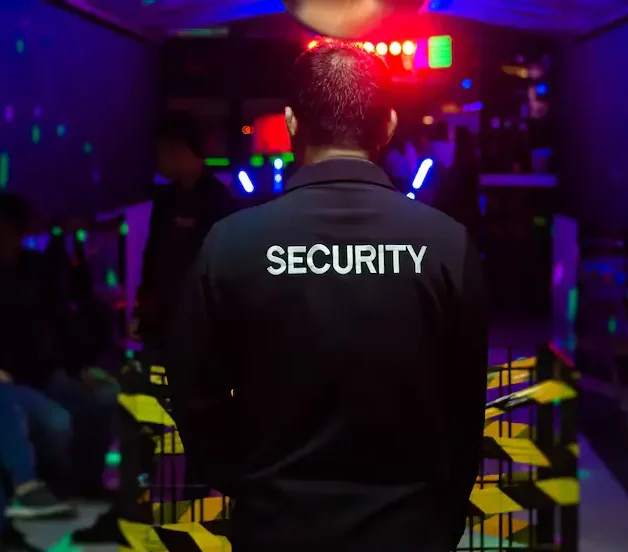
A Door Supervisor is a trained security professional who works in environments such as pubs, clubs, bars, entertainment venues and events.
The job can involve:
- Controlling access
- Checking identification
- Managing queues
- Monitoring customer behaviour
- Searching where appropriate
- Managing conflict
- Responding to security incidents
- Supporting emergency procedures
- Working with other security staff
The role is not simply about standing at a door. Good Door Supervisors need communication skills, patience, awareness and the ability to make sensible decisions under pressure.
A Door Supervisor licence is required for relevant licensable security activities at licensed premises.
Do You Need a Qualification?
Yes. If you are applying for a front-line SIA Door Supervisor licence for the first time, you need a recognised licence-linked qualification and must pass the required assessments.
The SIA currently requires a full, recognised Door Supervisor qualification for a new application where the qualification was obtained less than three years ago.
The recognised route gives you the training and knowledge needed before you move on to the SIA licensing stage.
It is therefore important to choose the correct course rather than simply booking any general security training.
What Qualification Do You Need?
The main qualification for new Door Supervisor applicants in England is the Level 2 Award for Working as a Door Supervisor in the Private Security Industry.
The SIA currently lists recognised awarding organisations for this qualification, including Highfield Qualifications, Laser Learning Awards, NOCN, Pearson, QNUK and SFJ Awards.
There have also been recent changes involving BIIAB. The SIA says it will not accept BIIAB qualifications granted on or after 10 August 2026, although qualifications granted before that date remain accepted.
Because requirements can change, always check the latest SIA information before paying for a course.
First Aid Training Comes First
One of the most important requirements for beginners is first aid.
You must have an appropriate first aid qualification before taking the training required for a full Door Supervisor licence-linked qualification. Your first aid qualification must be valid for at least another 12 months when you begin the SIA training.
Accepted examples can include Emergency First Aid at Work or First Aid at Work qualifications that meet the relevant requirements.
Some training providers offer first aid as part of a combined package, while others require you to complete it separately.
Check this before booking so you know exactly what is included.
How Long Is the Door Supervisor Course?
The SIA’s published requirements specify 45 hours of Door Supervisor training.
The required training covers four main areas:
- Common Security Industry Knowledge
- Door Supervisor Specialist Module
- Conflict Management
- Physical Intervention Skills
The SIA’s published training information also states that where distance learning has been used, training must be delivered over a minimum period of four days.
Individual providers may organise their timetable differently, so always check the exact schedule before enrolling.
What Will You Learn?
Your Door Supervisor Course is designed to provide both theoretical knowledge and practical skills.
You can expect training in areas such as:
Security Law
You will learn about the legal responsibilities that apply to private security professionals.
Understanding the law helps you recognise your responsibilities and limitations while working.
Health and Safety
Health and safety knowledge is important because Door Supervisors may work in crowded, busy and unpredictable environments.
You need to understand how to identify risks and respond appropriately.
Conflict Management
Conflict management is one of the most important skills for a Door Supervisor.
You may encounter customers who are angry, intoxicated, frustrated or unwilling to follow venue rules.
Training helps you develop professional communication and de-escalation skills.
Searching
Searching can be part of your responsibilities depending on the venue and its procedures.
Training helps you understand how searches should be conducted professionally and appropriately.
Physical Intervention
The course also includes physical intervention training.
This is not about learning how to fight. It focuses on approved techniques and responsible responses to physical situations.
You should take practical training seriously and follow your trainer’s instructions throughout the sessions.
How to Choose a Door Supervisor Training Provider in London
There are many security training providers operating in London, so compare them carefully.
The SIA explains that it does not directly approve or vet training providers. Training providers are approved by awarding organisations that issue the relevant qualifications.
Before booking, check:
- The qualification offered
- The awarding organisation
- Provider approval
- Course duration
- Training location
- Assessment arrangements
- First aid requirements
- Total course cost
- Resit arrangements
- Practical training facilities
The official SIA training-provider search tool can be used to find providers offering licence-linked training.
Be cautious about companies that simply advertise themselves as an “SIA-approved training centre.” The SIA specifically advises people to be wary of providers making this claim.
Compare the Total Course Cost
Course prices can vary, but the cheapest advertised price is not necessarily the best option.
Before paying, ask whether the price includes:
- Registration
- Assessments
- First aid
- Learning materials
- Certification
- Practical training
- Resits
A provider advertising a low headline price may charge additional fees later.
Comparing the total cost makes it easier to identify the best value.
Prepare for Your Training
You do not need previous security experience to begin the course.
However, preparing beforehand can make your training experience easier.
Before your first day:
- Confirm your training dates
- Check the location
- Plan your journey
- Prepare your identification
- Have your first aid evidence ready
- Ask what clothing is required
- Find out how assessments work
- Get enough rest before practical sessions
Arriving prepared allows you to concentrate on learning instead of dealing with avoidable problems.
Take the Assessments Seriously
Completing the training sessions is not enough.
You need to pass the required assessments to obtain the recognised qualification. The SIA’s published requirements describe four training units and four examinations for the Door Supervisor route.
Good preparation includes:
- Reviewing your notes
- Asking questions
- Practising difficult subjects
- Listening carefully to trainers
- Participating in practical exercises
- Understanding assessment instructions
Do not leave revision until the last day.
What Happens After You Pass?
After successfully completing the qualification, your awarding organisation needs to notify the SIA of your achievement before you can apply for the relevant front-line licence.
The next stage is the SIA licence application.
This distinction is important:
Training qualification does not automatically equal an SIA licence.
You need to complete the licensing process separately.
Applying for Your SIA Licence
You can apply for an SIA licence yourself or, in some cases, through your employer.
The SIA states that applicants must be at least 18 and need to provide information for identity and other suitability checks. Applicants also need the correct licence-linked qualification.
The SIA carries out checks as part of the application process.
You should make sure that your information is accurate and complete before submitting the application.
An application itself does not guarantee that a licence will be granted.
Right to Work in the UK
If you want to work as a Door Supervisor in London, you also need to consider your right to work.
The SIA states that in most cases applicants need the right to work in the UK to obtain a front-line licence.
This is especially important for anyone moving to the UK or considering security work while holding another immigration status.
Check your individual eligibility before investing in training.
Finding Your First Door Supervisor Job
Once you have completed your training and obtained the appropriate licence, you can begin looking for jobs.
London offers many potential security environments.
You could find opportunities in:
- Nightclubs
- Pubs
- Bars
- Hotels
- Concert venues
- Festivals
- Sporting events
- Entertainment venues
- Private events
- Licensed premises
Your first position may not be your ideal job, but gaining reliable experience can be extremely valuable.
Working in Nightclubs
Nightclub security is one of the most recognised areas of Door Supervisor work.
A typical shift can involve:
- Checking identification
- Controlling entry
- Monitoring queues
- Managing customer behaviour
- Dealing with conflict
- Monitoring the venue
- Assisting colleagues with incidents
Nightclub work can be fast-paced, so confidence and communication are particularly important.
Working at Events
London hosts many concerts, festivals, sporting events and other large gatherings.
Event security can provide another route for licensed Door Supervisors.
Depending on the event, responsibilities can include access control, crowd monitoring, searching, queue management and incident response.
Event work can also help you gain experience working as part of a larger security team.
Working in Pubs and Bars
Pubs and bars can provide opportunities for Door Supervisors, particularly during busy periods.
Your responsibilities might include checking customers at entry, monitoring behaviour and supporting the venue’s security procedures.
Every workplace is different, so you should understand the employer’s policies before starting a shift.
What Skills Do Employers Want?
Holding an SIA licence is essential for relevant licensed work, but employers often look for additional qualities.
Useful skills include:
- Communication
- Reliability
- Punctuality
- Customer service
- Teamwork
- Patience
- Observation
- Professionalism
- Confidence
- Decision-making
You do not need to be aggressive to be effective.
A calm and professional Door Supervisor can often manage situations more successfully than someone who relies on confrontation.
Building Your Experience
Your first few jobs are an opportunity to develop practical skills.
You will learn how different venues operate and how to communicate with customers and colleagues.
Keep improving your:
- Incident reporting
- Communication
- Conflict management
- Customer service
- Situational awareness
- Teamwork
- Emergency response
Every shift can help you become a more confident security professional.
Building a Professional Reputation
Security companies value reliable workers.
Simple habits can make a significant difference:
Arrive early.
Give yourself enough time to reach the venue and prepare.
Follow instructions.
Understand the employer’s procedures and venue rules.
Remain professional.
Treat customers and colleagues respectfully.
Communicate clearly.
Report important incidents and concerns to the appropriate person.
Work as a team.
Security is rarely a one-person job.
A strong reputation can lead to more opportunities as you gain experience.
Career Progression
Door Supervision can be more than a temporary job.
With experience, you may decide to progress into more senior positions.
A potential career path could look like:
Door Supervisor → Senior Door Supervisor → Team Leader → Security Supervisor → Security Manager
The exact route depends on your employer, experience, qualifications and career goals.
Some professionals also move into event security or other areas of private security.
Keeping Your Licence Current
Your career does not end after receiving your first SIA licence.
Current SIA rules require Door Supervisors renewing their licence to hold the relevant refresher qualification as well as their existing licence-linked qualification.
You must also have an appropriate Emergency First Aid at Work qualification or equivalent before taking the refresher training, with at least 12 months remaining.
The SIA introduced the refresher requirement for Door Supervisor licence renewals from April 2025.
This means you should keep track of your licence and training requirements throughout your career.
Common Beginner Mistakes
New applicants can avoid many problems by doing some research before booking training.
Common mistakes include:
- Choosing a course based only on price
- Failing to check the qualification
- Not checking the awarding organisation
- Ignoring the first aid requirement
- Relying on outdated information
- Assuming training automatically gives you a licence
- Expecting a guaranteed job after qualification
Take time to verify the details before making a payment.
Your Career Roadmap
The complete process can be simplified into these stages:
Check the Requirements
Understand the current SIA rules for Door Supervisors.
Complete First Aid
Obtain an accepted first aid qualification with sufficient validity.
Choose a Course
Select a recognised Door Supervisor qualification and suitable provider.
Attend Training
Complete the required classroom and practical learning.
Pass Assessments
Successfully complete the required examinations and practical assessments.
Receive Your Qualification
Make sure the awarding organisation has recorded your qualification with the SIA.
Apply for Your Licence
Complete the SIA licensing process.
Start Job Hunting
Look for suitable Door Supervisor vacancies across London.
Gain Experience
Develop your practical skills and professional reputation.
Continue Learning
Stay up to date with refresher training and SIA requirements.
Frequently Asked Questions
How do I become a Door Supervisor in London?
You generally need an accepted Door Supervisor licence-linked qualification, the required first aid qualification, successful assessments and an SIA Door Supervisor licence before undertaking relevant licensed work.
Do I need previous security experience?
No. Beginners can enter the industry by completing the required training and meeting the SIA’s licensing requirements.
What qualification do I need?
For a new Door Supervisor licence application in England, you need a current full licence-linked qualification, such as the Level 2 Award for Working as a Door Supervisor in the Private Security Industry.
Do I need first aid training?
Yes. You must have an accepted first aid qualification before taking the training required for the full Door Supervisor qualification, and it must be valid for at least another 12 months when training begins.
How long is the Door Supervisor Course?
The published SIA requirements specify 45 hours of training.
Does passing the course automatically give me an SIA licence?
No. After obtaining the recognised qualification, you must complete the separate SIA licence application and satisfy the licensing requirements.
Where can I work as a Door Supervisor?
Potential workplaces include nightclubs, pubs, bars, hotels, entertainment venues, events and other licensed premises.
Can I work at concerts and festivals?
Depending on the duties and employer, licensed Door Supervisors can find opportunities in event security, including concerts and festivals.
Can a Door Supervisor work as a Security Guard?
Yes. The regulated professions guidance states that someone with a Door Supervision licence can also perform Security Guard work.
Do I need refresher training when renewing my licence?
Yes. Current SIA rules require Door Supervisors renewing their licence to hold the relevant refresher qualification and meet the associated first aid requirement.
Conclusion
A Door Supervisor Course in London can provide a practical route into the private security industry. The process begins with choosing the correct licence-linked qualification and making sure you have the required first aid training.
You then complete the course, pass the assessments, obtain your qualification and apply for your SIA licence.
Once licensed, you can begin looking for opportunities across London’s nightlife, hospitality and events sectors. As you gain experience, you can strengthen your CV, develop professional skills and potentially progress into senior or supervisory security positions.
The most important thing is to use current information when planning your career. SIA training and licensing requirements can change, and the latest official guidance should always take priority over older websites or advertisements.
With the right training, preparation and professional attitude, becoming a Door Supervisor can be a strong starting point for a long-term career in London’s private security industry.