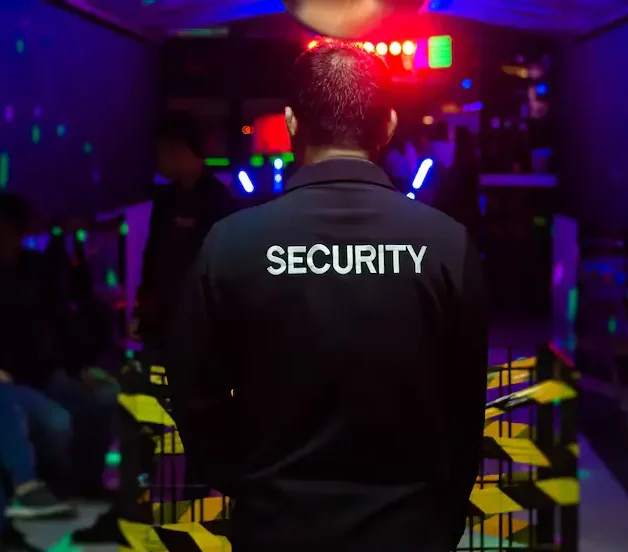

Starting a career as a door supervisor in London requires more than simply finding a security job. If you want to carry out licensable door supervision work, you need the correct training, pass the required assessments and obtain a front-line licence from the Security Industry Authority (SIA).
A Door Supervisor Course in London is designed to give new security professionals the knowledge and practical skills needed for the role. The SIA requires applicants for a front-line Door Supervisor licence to hold a recognised licence-linked qualification before applying.
This guide explains the training, exams and SIA licensing process in simple terms, with information relevant to new applicants in 2026.
What Is a Door Supervisor Course?
A Door Supervisor Course is specialist private security training for people who want to work in environments such as pubs, nightclubs, bars, hotels, events and other licensed premises.
The training prepares learners for responsibilities that may include controlling access, monitoring customers, dealing with conflict, responding to incidents and helping maintain a safe environment.
The SIA does not provide the training itself. You must train with an approved provider whose qualification is linked to SIA licensing. The SIA provides a search tool for finding appropriate training providers.
What Qualification Do New Applicants Need?
For a new Door Supervisor licence applicant in England, Wales or Northern Ireland, the current route includes the Level 2 Award for Working as a Door Supervisor in the Private Security Industry.
The SIA currently lists recognised awarding organisations including Highfield Qualifications, Laser Learning Awards, NOCN, Pearson, QNUK and SFJ Awards.
It is important to check the current SIA list before booking because accepted awarding organisations can change.
First Aid Before Your Training
First aid is an important requirement for new applicants.
You must have an appropriate first aid qualification before taking the training required for the full Door Supervisor qualification. The first aid qualification must be valid for at least another 12 months when you take the licence-linked training.
Some London training providers include first aid in their course packages, while others require learners to arrange it separately.
Before paying for a course, ask the provider exactly what is included.
What Does the Training Cover?
The Door Supervisor qualification covers the knowledge and practical skills required for the role.
Key areas include:
- Private security responsibilities
- Relevant law
- Health and safety
- Door supervision
- Conflict management
- Physical intervention
- Professional conduct
- Safe working practices
The SIA’s published training requirements identify the main training areas that applicants need to complete for a Door Supervisor licence.
The purpose of the course is to prepare you for real security responsibilities rather than simply help you pass an examination.
Conflict Management Training
Conflict management is one of the most important parts of door supervision.
You may need to deal with customers who are refused entry, asked to leave or involved in disagreements.
Good communication can often prevent a situation from becoming more serious.
During your training, you learn how to communicate professionally, identify potential conflict and use appropriate techniques to manage difficult situations.
A professional door supervisor should remain calm and avoid unnecessary confrontation.
Physical Intervention Training
Physical intervention is another major component of Door Supervisor training.
This section involves practical learning and focuses on appropriate techniques and safe procedures.
The aim is not to teach unnecessary force. Instead, learners are taught how to respond appropriately when physical intervention is required and how to consider safety and proportionality.
You should participate fully in the practical sessions and follow your trainer’s instructions carefully.
How Are the Door Supervisor Exams Structured?
The qualification includes assessments designed to test your understanding of the course material.
The SIA’s published requirements explain that applicants must complete the relevant training units and pass the required examinations for the Door Supervisor qualification.
Depending on the qualification and awarding organisation, assessments can include multiple-choice examinations and practical assessment components.
The main areas you study can include:
- Security industry knowledge
- Door supervision
- Conflict management
- Physical intervention
- Legal responsibilities
- Health and safety
Your training provider should explain the exact assessment structure before you enrol.
What Should You Expect in the Exams?
Most learners should expect questions based directly on subjects covered during training.
You may be tested on topics such as legal responsibilities, security procedures, conflict management and safe working practices.
The best way to prepare is to attend every training session, take notes and review the material regularly.
Do not wait until the night before an exam to start revising.
Ask your trainer about anything you do not understand, particularly when it concerns legal responsibilities or practical procedures.
Practical Assessments
The physical intervention element is practical rather than purely theoretical.
You will need to demonstrate the techniques taught during your training.
Practical assessments require attention to detail. Listen carefully to the trainer and practise the correct procedures rather than trying to rely on physical strength.
Safety is an important part of the assessment.
How Long Does Door Supervisor Training Take?
The exact timetable depends on the qualification and the provider’s delivery arrangements.
SIA licence-linked training has specific requirements concerning how training is delivered. The SIA has also made changes to training delivery during 2026, so older websites may show outdated course information.
When comparing courses in London, check the current timetable rather than relying on an old article that claims a particular number of days.
The important point is that your training must lead to a current qualification accepted by the SIA.
Choosing a Door Supervisor Training Provider in London
Choosing the right provider is an important decision.
The SIA explains that training providers are approved by awarding organisations. The SIA itself does not directly approve or vet individual training providers.
Before booking, check:
- Exact qualification title
- Awarding organisation
- Provider approval
- Course timetable
- First aid requirements
- Examination arrangements
- Practical training
- Total price
- Resit policy
- Training location
Be particularly careful with websites that simply claim to be “SIA approved.”
The SIA advises learners to be wary of training providers using that description because the SIA does not itself approve or vet training providers.
Important BIIAB Update for 2026
New applicants should be particularly careful about the awarding organisation they choose in August 2026.
The SIA announced that it is ending its endorsement of BIIAB. It states that BIIAB stopped taking new learners for relevant door supervision and security guarding qualifications from 2 July 2026, and the SIA will not accept qualifications granted by BIIAB on or after 10 August 2026. Qualifications granted before that date remain accepted.
This means anyone booking a new Door Supervisor Course now should verify the awarding organisation against the latest SIA information before making payment.
There are other recognised awarding organisations available, so applicants should choose a current route rather than relying on outdated course advertisements.
What Happens After You Pass?
Passing your course does not automatically give you an SIA licence.
Once you successfully achieve the required qualification, the awarding organisation notifies the SIA. The SIA must receive that notification before you can submit your front-line licence application.
For a first-time application, your qualification must have been obtained within the previous three years.
The basic process is:
Choose training → Complete first aid → Attend Door Supervisor training → Pass assessments → Receive qualification → Apply for SIA licence → Complete SIA checks → Receive licence → Start licensed work
Applying for Your SIA Door Supervisor Licence
After your qualification has been successfully achieved and reported to the SIA, you can apply for your licence.
The application involves checks relating to your identity and suitability.
You should provide accurate information and follow the current application instructions.
Completing the training does not guarantee that the SIA will grant a licence. Training and licensing are separate stages.
How Old Do You Need to Be?
You must be at least 18 years old to hold an SIA licence.
Previous door supervision experience is generally not required for a new applicant taking the licence-linked qualification.
However, you should be comfortable working with the public, following instructions and dealing with potentially difficult situations.
How Much Does the SIA Licence Cost?
The training fee and SIA licence fee are separate.
The current Regulated Professions Register lists the SIA licence processing fee at £190.
Your complete budget may include:
- Door Supervisor Course
- First aid training
- Examination or resit fees
- SIA licence fee
- Travel costs
- Additional security training
Training providers set their own course prices, so compare the complete package rather than choosing based only on the cheapest advertised price.
How Long Is the SIA Licence Valid?
An SIA Door Supervisor licence is normally valid for three years.
However, renewal now includes refresher training requirements.
The SIA states that people renewing a Door Supervisor licence need the full licence-linked qualification and the Level 2 Award for Door Supervisors in the Private Security Industry (Refresher) qualification.
First aid requirements also apply before taking the refresher training.
Finding Your First Door Supervisor Job
Once your SIA licence has been granted, you can start looking for suitable security work.
London offers opportunities in many different environments, including:
- Nightclubs
- Pubs
- Bars
- Hotels
- Concerts
- Festivals
- Sporting events
- Private functions
- Licensed premises
Your responsibilities can vary depending on the employer and venue.
Some jobs may focus heavily on access control, while others may involve customer safety, crowd management or incident response.
Skills Employers Value
Your SIA licence is essential, but employers may also consider your personal qualities.
Communication
You should be able to speak clearly and professionally with customers and colleagues.
Confidence
Good door supervisors need confidence when making decisions without becoming aggressive.
Patience
Busy venues can create stressful situations, so staying calm is important.
Awareness
You should pay attention to what is happening around you and recognise potential problems early.
Teamwork
Door supervisors often work with other security professionals and venue staff.
Reliability
Employers need security staff who arrive on time and follow instructions.
Professionalism
Your behaviour, appearance and attitude can affect your reputation and future employment opportunities.
Is the Course Difficult?
The Door Supervisor Course can be challenging because it combines theoretical learning, examinations and practical training.
However, you do not need to be an experienced security professional to start.
The best approach is to attend every session, listen to your trainer, revise regularly and practise the practical skills carefully.
If English is not your first language, make sure you understand the provider’s assessment arrangements and ask your trainer for clarification when necessary.
How to Prepare for the Exams
Good preparation can make a significant difference.
Start by reviewing your training notes after each session rather than leaving everything until the end.
Pay particular attention to:
- Legal responsibilities
- Health and safety
- Conflict management
- Door supervision procedures
- Physical intervention
- Emergency situations
- Professional responsibilities
Practise answering questions based on the course material and ask your trainer about areas where you are uncertain.
For practical assessments, focus on following the correct procedure rather than rushing.
What If You Fail an Assessment?
If you do not pass an assessment, speak to your training provider about its resit arrangements.
Providers and awarding organisations have their own procedures for reassessment, so you should understand the policy before booking the course.
Ask about:
- Resit fees
- Waiting periods
- Additional training
- How another assessment is arranged
Understanding the policy in advance can prevent unexpected costs.
Can You Work as a Security Guard With a Door Supervisor Licence?
Yes.
A Door Supervisor licence can also allow the holder to perform security guard work.
This can make the qualification useful for people who want flexibility when looking for employment.
You can gain experience in different security environments and decide which area of the industry suits your career goals.
Building a Long-Term Security Career
Your first Door Supervisor job can be the beginning of a longer security career.
As you gain experience, you may consider opportunities such as:
- Event security
- Security guarding
- Supervisory roles
- Security management
- CCTV work
- Corporate security
- Specialist security positions
Additional training and experience can help you develop your career.
Your reputation also matters. Being reliable, professional and respectful can help you build relationships with employers and security companies.
Common Mistakes New Applicants Make
New applicants often make mistakes that can easily be avoided.
One common problem is booking a course without checking the qualification.
Another is choosing a provider based entirely on price.
Other mistakes include:
- Forgetting the first aid requirement
- Using outdated SIA information
- Not checking the awarding organisation
- Assuming the SIA directly approves training providers
- Thinking the qualification automatically gives you a licence
- Not preparing properly for assessments
- Ignoring future refresher requirements
- Failing to check current SIA rules before enrolling
The SIA’s current guidance should always be your main reference because requirements and recognised qualifications can change.
A Simple Route From Training to Employment
For someone completely new to security, the process can seem complicated.
In reality, it can be broken down into a few clear stages.
Research the role: Understand what a door supervisor does and whether the work suits you.
Check the requirements: Confirm the current SIA qualification and first aid requirements.
Choose a provider: Find an approved training provider in London.
Complete your training: Attend the required sessions and practical training.
Pass your assessments: Successfully complete the examinations and practical elements.
Apply for your licence: Once your qualification has been reported to the SIA, submit your application.
Wait for the licensing decision: Complete the required SIA checks.
Start working: Once licensed, apply for suitable door supervision positions.
Build experience: Develop your skills and reputation.
Final Thoughts
A Door Supervisor Course in London combines training, examinations and practical assessment to prepare you for a career in private security.
For a new applicant, the process begins with the correct licence-linked qualification and an appropriate first aid qualification. You then complete the required training and assessments before applying for your SIA Door Supervisor licence.
The most important thing in 2026 is to check the latest requirements before booking. The SIA has updated its training guidance and has also ended its endorsement of BIIAB, with qualifications granted by BIIAB on or after 10 August 2026 no longer accepted by the SIA.
Choose your training provider carefully, prepare properly for the exams and take the practical training seriously. Once your SIA licence is granted, you can begin building experience and working towards a longer-term career in London’s private security industry.
Frequently Asked Questions
What qualification do I need to become a door supervisor?
New applicants need a current full licence-linked Door Supervisor qualification accepted by the SIA. The current route includes the Level 2 Award for Working as a Door Supervisor in the Private Security Industry.
Do I need first aid before taking the course?
Yes. You must have an appropriate first aid qualification before taking the training for the full Door Supervisor qualification, and it must be valid for at least another 12 months.
How many exams are involved?
The Door Supervisor qualification includes examinations covering the required training units. The SIA’s published requirements specify four training units and four examinations for the qualification route described in its detailed training guidance.
Is there a practical assessment?
Yes. Door Supervisor training includes practical physical intervention training, and the qualification includes practical elements associated with the required skills.
Can I become a door supervisor without experience?
Yes. Previous door supervision experience is generally not required to begin the licence-linked qualification route.
How old must I be to get an SIA licence?
You must be at least 18 years old to hold an SIA licence.
Does passing the course automatically give me an SIA licence?
No. After achieving the qualification, you must submit a separate SIA licence application and complete the required licensing checks.
How long is an SIA Door Supervisor licence valid?
An SIA Door Supervisor licence is normally valid for three years.
Can I use my Door Supervisor licence for security guard work?
Yes. A Door Supervisor licence also allows the holder to perform security guard work.
Is BIIAB still suitable for a new applicant in August 2026?
No. The SIA states that it will not accept qualifications granted by BIIAB on or after 10 August 2026. New applicants should choose a current qualification from another accepted awarding organisation.