Starting a career in private security can be a practical choice for people who are confident, responsible and comfortable working with the public. If you are interested in working in London’s pubs, bars, nightclubs, events or other licensed venues, completing a Door Supervisor Course in London can be the first major step towards becoming an SIA-licensed security professional.
A door supervisor needs a front-line licence from the Security Industry Authority (SIA) when carrying out licensable door supervision activities. Before applying for the licence, new applicants must complete the appropriate licence-linked qualification and meet the other SIA requirements.
This complete guide explains the training process, first-aid requirements, SIA licensing, choosing a training provider, finding your first job and building a long-term security career in London.
What Does a Door Supervisor Do?
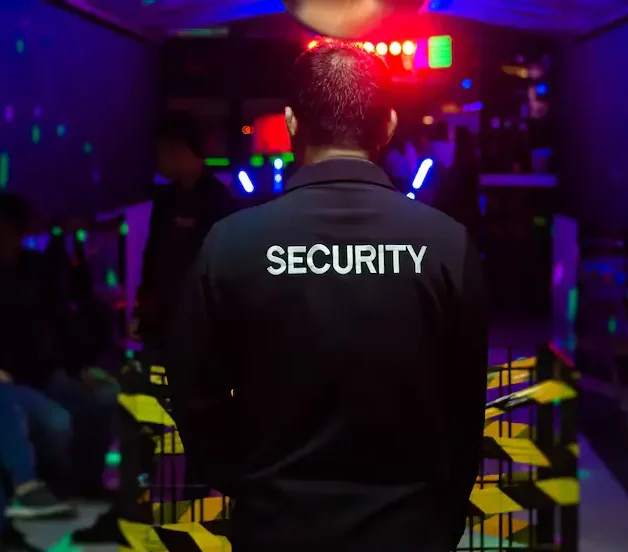
A door supervisor is a licensed security professional who helps maintain safety and security at licensed premises and other venues.
The role can involve:
- Checking people entering a venue
- Monitoring queues
- Checking identification or tickets
- Preventing unauthorised access
- Monitoring customer behaviour
- Dealing with conflict
- Responding to incidents
- Communicating with venue management
- Helping maintain a safe environment
- Recording and reporting incidents when required
The job is not simply about standing at the entrance of a nightclub. A professional door supervisor needs good communication, judgement, awareness and an understanding of legal responsibilities.
The Regulated Professions Register explains that a Door Supervisor licence is required for certain activities involving the guarding of licensed premises against unauthorised access, disorder or damage.
Why Choose a Door Supervisor Career in London?
London has a large hospitality, entertainment and events industry. This means security professionals can potentially find work across a wide range of environments.
A qualified door supervisor may work in:
- Nightclubs
- Pubs
- Bars
- Hotels
- Concert venues
- Festivals
- Sporting events
- Private functions
- Restaurants
- Other licensed premises
Another advantage is that a Door Supervisor licence also allows the holder to perform security guard work.
This can give new security professionals greater flexibility when searching for employment.
What Is a Door Supervisor Course?
A Door Supervisor Course is licence-linked security training designed to provide the knowledge and skills needed for door supervision.
The SIA does not provide the training itself. Instead, learners take their training with approved training providers whose qualifications are linked to SIA licensing.
For a new applicant in England, the current route includes the Level 2 Award for Working as a Door Supervisor in the Private Security Industry from an accepted awarding organisation. The SIA’s current guidance lists recognised awarding organisations and should be checked before booking a course.
Who Is the Course Designed For?
The qualification is particularly suitable for people who are new to private security.
You do not normally need previous experience working as a door supervisor before starting the qualification.
However, you should be prepared to:
- Work with members of the public
- Follow security procedures
- Communicate professionally
- Remain calm under pressure
- Work as part of a team
- Deal with challenging situations
- Spend significant periods standing or walking
The SIA describes its licence-linked qualifications as being intended for people who are new to the private security industry and designed to cover the core activities of the relevant role.
First Aid Is an Essential Requirement
One of the most important things to understand before booking your course is the first-aid requirement.
You must have an appropriate first aid qualification before taking the training required for a full Door Supervisor qualification. The qualification must be valid for at least another 12 months when you take the licence-linked training.
This requirement was introduced alongside the updated SIA licence-linked qualifications.
If you already have an acceptable first aid qualification, check its expiry date before booking your Door Supervisor training.
If you do not have one, ask your training provider whether first aid is included in the course package or needs to be completed separately.
What Does the Training Cover?
The Door Supervisor qualification covers the core knowledge and skills needed for the role.
Training can include subjects such as:
- Private security responsibilities
- Relevant law
- Health and safety
- Door supervision
- Conflict management
- Physical intervention
- Professional conduct
- Safe working practices
The SIA’s published information identifies licence-linked training as a way of ensuring that applicants have the skills and knowledge needed to carry out their role safely.
Understanding Conflict Management
Conflict management is one of the most important skills for a door supervisor.
You may encounter customers who are unhappy because they have been refused entry, asked to leave or challenged about their behaviour.
A professional response should focus on communication and de-escalation whenever possible.
You need to be able to:
- Listen carefully
- Speak clearly
- Remain calm
- Explain decisions
- Avoid unnecessary confrontation
- Recognise when a situation is becoming more serious
- Follow venue procedures
Strong communication can often prevent a difficult situation from turning into a major incident.
Physical Intervention Training
Door Supervisor training also includes physical intervention skills.
This practical element teaches appropriate techniques and safe procedures for situations where physical intervention may be necessary.
It is important to understand that being a door supervisor is not about being aggressive or using force unnecessarily.
Professional security work is based on judgement, safety, communication and following appropriate procedures.
During practical training, learners should listen carefully to their instructor and participate fully.
How Long Does a Door Supervisor Course Take?
The exact timetable can depend on the qualification and delivery arrangements offered by the training provider.
The SIA sets requirements for licence-linked training, and providers must follow the relevant rules. The SIA’s current guidance should be checked because training requirements have been updated over time.
When comparing London courses, do not choose a provider simply because it advertises the shortest course.
Instead, check:
- The exact qualification
- Training hours
- Course dates
- Assessment arrangements
- Practical training
- First aid requirements
- Awarding organisation
A legitimate provider should be able to explain the complete course structure before you pay.
How to Choose a Door Supervisor Training Provider in London
Choosing the right provider is an important part of starting your security career.
The SIA provides a search tool for finding training providers that offer licence-linked training. It also explains that training providers are approved by awarding organisations rather than directly by the SIA.
Before booking, check the provider’s:
Qualification: Make sure it is a current qualification accepted by the SIA.
Awarding organisation: Confirm which organisation will issue your qualification.
Training location: Choose somewhere you can reach reliably for every session.
Course timetable: Make sure you understand the complete schedule.
First aid arrangements: Confirm whether your existing qualification is accepted or first aid is included.
Assessment process: Ask how examinations and practical assessments are organised.
Total cost: Check for additional charges, including assessment or resit fees.
Be Careful With “SIA Approved” Claims
New learners sometimes assume that a training centre advertising itself as “SIA approved” has been directly approved by the SIA.
This is not how the system works.
The SIA states that it does not approve or vet training providers. Training providers are approved by awarding organisations that issue the relevant qualifications. The SIA also advises learners to be wary of providers claiming to be “SIA approved.”
Always check the awarding organisation and current qualification before paying.
Important Qualification Changes in 2026
Anyone booking a Door Supervisor Course in London during 2026 should check the latest SIA information.
The SIA’s current guidance states that Ofqual instructed BIIAB to stop taking new learners for door supervision and security guarding qualifications from 2 July 2026. The SIA is ending its endorsement of BIIAB and will not accept qualifications granted by BIIAB on or after 10 August 2026, although qualifications granted before that date remain accepted.
This is important for new applicants because older websites may still list BIIAB as an available option.
Always check the latest SIA guidance before enrolling.
What Happens After You Complete the Course?
Completing your course is an important milestone, but it does not automatically give you an SIA licence.
First, you must successfully achieve the required licence-linked qualification.
The awarding organisation then notifies the SIA that you have achieved it. The SIA must receive this notification before you can submit your front-line licence application.
If you are applying for an SIA licence for the first time, your qualification must have been obtained within the previous three years.
The general process is:
Training → Assessment → Qualification → SIA application → SIA checks → Licence → Employment
How to Apply for Your SIA Licence
After your qualification has been successfully achieved and reported to the SIA, you can apply for your licence.
The application involves checks relating to your identity and suitability.
You should provide accurate information and follow the current application instructions.
It is important to remember that completing a Door Supervisor Course does not guarantee that the SIA will grant a licence. The licensing decision is made separately by the SIA.
What Are the Age Requirements?
You must be at least 18 years old to hold an SIA licence.
If you are younger than 18, you cannot hold the licence yet, but you can use the time to learn about the security industry and prepare for the qualification route.
For adults who meet the age requirement, previous door supervision experience is generally not required to start the training pathway.
What Does an SIA Licence Cost?
Training costs and the SIA licence fee are separate expenses.
The current Regulated Professions Register lists the SIA licence processing fee at £190. The fee applies to licence applications and renewals and can change in the future.
Your overall budget may include:
- Door Supervisor Course fees
- First aid training
- Assessment or resit costs
- SIA licence fee
- Travel expenses
- Additional professional training
When comparing London courses, look at the total cost rather than the advertised headline price.
How Long Does an SIA Door Supervisor Licence Last?
An SIA Door Supervisor licence is normally valid for three years.
However, renewal now involves additional training requirements.
The SIA states that Door Supervisors renewing their licence must hold the full licence-linked qualification as well as the Level 2 Award for Door Supervisors in the Private Security Industry (Refresher) qualification. An Emergency First Aid at Work qualification, or equivalent, must also be held before taking the refresher training and must have at least 12 months remaining.
This means your training responsibilities continue after your first licence.
Finding Your First Door Supervisor Job
Once your SIA licence has been granted, you can begin looking for suitable security work.
London provides opportunities across many types of venues.
Your first role may involve:
- Checking entry requirements
- Managing queues
- Monitoring customer behaviour
- Supporting venue staff
- Responding to incidents
- Conducting patrols
- Writing incident reports
- Communicating with supervisors
Your exact responsibilities will depend on your employer and assignment.
Skills That Can Help You Get Hired
Having an SIA licence is essential for licensed door supervision work, but employers may also look at your personal qualities.
Communication
You need to communicate clearly with customers, colleagues and management.
Confidence
You should be able to make decisions and communicate them without becoming unnecessarily confrontational.
Patience
Busy venues can be stressful. Remaining patient can help prevent situations from escalating.
Awareness
A good security professional pays attention to their surroundings and recognises potential problems early.
Teamwork
Door supervisors often work alongside other security staff and venue employees.
Reliability
Turning up on time and following procedures can help you build a strong reputation.
Professionalism
Your attitude, appearance and behaviour can influence whether employers want to work with you again.
What Is a Typical Door Supervisor Shift Like?
A shift can vary considerably depending on the venue.
You may arrive before opening time, attend a briefing and learn about specific risks or instructions for the evening.
During the shift, you may monitor entrances, manage queues, check identification, communicate with colleagues and respond to incidents.
At the end of the shift, you may need to complete reports or hand over information to another security team.
Nightclub work can involve late finishes, while event security may involve different working hours depending on the event.
Is Door Supervisor Work Difficult?
The job can be physically and mentally demanding.
You may spend many hours standing, work late at night and deal with customers who are upset or intoxicated.
There can also be periods when the work is quiet, followed by situations that require immediate attention.
For this reason, a successful door supervisor needs to remain alert throughout the shift.
The role may suit people who enjoy active work and are comfortable interacting with different types of people.
Building Experience After Your First Job
Your first security position is an opportunity to develop practical experience.
Pay attention to experienced colleagues and learn how different venues operate.
Try to improve your:
- Communication
- Incident reporting
- Customer service
- Conflict management
- Situational awareness
- Teamwork
- Professional conduct
A strong employment record can help you when applying for better assignments in the future.
Where Can Your Security Career Go Next?
Door supervision can be the beginning rather than the end of your security career.
With experience, you may explore areas such as:
- Security guarding
- Event security
- Supervisory positions
- Security management
- CCTV operations
- Corporate security
- Other specialist security roles
Your options will depend on your experience, additional qualifications, licensing requirements and the opportunities available.
Because a Door Supervisor licence also permits security guard work, it can provide useful flexibility when looking for employment.
Common Mistakes New Security Professionals Make
New applicants can avoid many problems by researching the process carefully.
One common mistake is choosing a training provider based only on price.
Another is relying on an old article that describes qualifications or requirements that have since changed.
Other mistakes include:
- Not checking the qualification
- Ignoring the first-aid requirement
- Failing to check the awarding organisation
- Assuming the SIA directly approves training centres
- Thinking the course automatically gives you a licence
- Providing incomplete information during the licence application
- Forgetting about future refresher training
- Waiting until the last minute to renew a licence
The SIA’s current guidance should always take priority over older websites or social media posts.
How to Prepare Before Starting Your Course
Good preparation can make your training experience easier.
Make sure you understand the course timetable and location. Organise your identification documents and confirm that your first aid qualification meets the provider’s requirements.
You should also arrive ready to participate.
The physical intervention component requires practical participation, while the classroom sections require concentration and understanding.
Ask questions whenever something is unclear. The purpose of the course is to prepare you for real responsibilities in the security industry.
A Simple Career Roadmap
For a new security professional, the journey can be understood in a few straightforward stages.
Research: Learn about the Door Supervisor role and SIA requirements.
Choose training: Find a provider offering a current licence-linked qualification.
Check first aid: Make sure you hold the required first aid qualification.
Complete training: Attend the required sessions and participate in practical training.
Pass assessments: Successfully complete the qualification assessments.
Apply for your licence: Submit your SIA application after the qualification has been reported.
Start working: Once your licence is granted, look for suitable door supervision opportunities.
Build experience: Develop your professional skills and reputation.
Plan ahead: Keep track of licence expiry and refresher requirements.
Final Thoughts
A Door Supervisor Course in London can provide a strong starting point for someone looking to enter the private security industry.
The process begins with choosing the correct licence-linked qualification and making sure you meet the first-aid requirement. After successfully completing your training and assessments, you can apply for an SIA Door Supervisor licence and begin looking for suitable work once the licence is granted.
The most important thing for new security professionals is to use current information. SIA requirements and accepted qualifications can change, and the 2026 changes involving BIIAB demonstrate why checking official guidance before booking a course is essential.
With the right training, a valid SIA licence, good communication skills and a professional attitude, door supervision can become a practical entry point into London’s wider private security industry.
Frequently Asked Questions
What qualification do I need to become a door supervisor in London?
New applicants need a current full licence-linked Door Supervisor qualification accepted by the SIA. The current qualification route includes the Level 2 Award for Working as a Door Supervisor in the Private Security Industry.
Do I need first aid before taking a Door Supervisor Course?
Yes. You must have an appropriate first aid qualification before taking the training required for the full qualification. It must be valid for at least another 12 months when you take the training.
Can I become a door supervisor without previous experience?
Yes. The licence-linked qualifications are designed to cover the core activities of the role and are intended for people new to private security.
Does the SIA provide Door Supervisor training?
No. The SIA does not run the training courses. Training is delivered by providers approved by relevant awarding organisations.
How old must I be to get an SIA licence?
You must be at least 18 years old to hold an SIA licence.
How long is an SIA Door Supervisor licence valid?
An SIA Door Supervisor licence is normally valid for three years.
Can a Door Supervisor licence be used for security guard work?
Yes. A Door Supervisor licence also allows the holder to perform security guard work.
How much does an SIA licence cost?
The current listed SIA licence processing fee is £190. Training costs are separate and depend on the provider.
Can I work immediately after passing my course?
No. You must complete the qualification, have the achievement notified to the SIA and successfully obtain your front-line SIA licence before undertaking licensable door supervision work.
What happens when my SIA Door Supervisor licence expires?
For renewal, you currently need the full licence-linked qualification plus the Level 2 Award for Door Supervisors in the Private Security Industry (Refresher). You also need an appropriate first aid qualification before taking the refresher training.