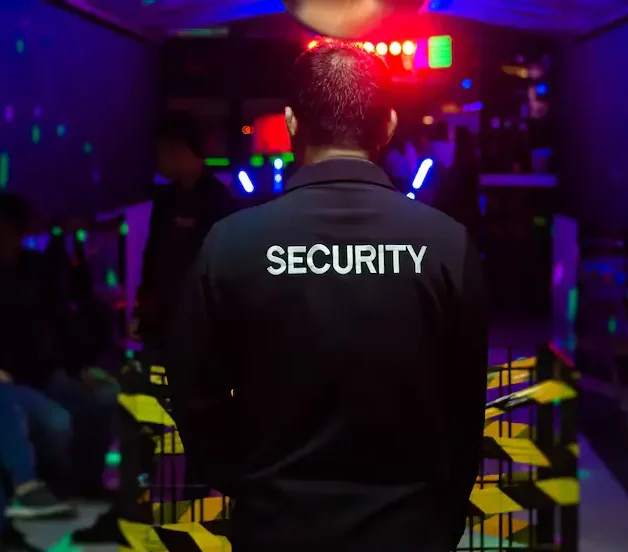

Choosing the right Door Supervisor Course In London is an important decision if you want to start a career in private security. The right training can give you the knowledge, practical skills and recognised qualification needed to apply for an SIA door supervisor licence and begin looking for suitable security work.
London has a large security and hospitality industry, with opportunities across nightclubs, pubs, hotels, events, entertainment venues and other licensed premises. However, not every training course is the same. Before you pay for a course, you should understand the qualification, training format, first aid requirement, practical training, awarding organisation and SIA licensing process.
This guide explains what to look for when choosing a Door Supervisor Course In London and how to make a confident decision.
Why Choosing the Right Course Matters
A door supervisor is responsible for more than controlling an entrance. The role can involve dealing with conflict, managing queues, checking identification, monitoring customers, responding to incidents and helping maintain a safe environment.
Because of these responsibilities, proper training is essential.
The Security Industry Authority (SIA) requires people applying for a front-line door supervisor licence to complete a suitable licence-linked qualification before applying for their licence. Training must be completed through an approved training provider.
Choosing the right provider can therefore help you avoid problems later in the licensing process.
You should not choose a course simply because it is the cheapest option. Consider the quality of the training, the qualification being offered and whether the course meets the latest SIA requirements.
Check the SIA Qualification First
The most important thing to check is whether the course leads to a qualification currently accepted by the SIA.
For new door supervisor applicants, the SIA currently recognises the Level 2 Award for Working as a Door Supervisor in the Private Security Industry from specified awarding organisations.
The accepted awarding organisations listed by the SIA currently include:
- Highfield Qualifications
- Laser Learning Awards
- NOCN
- Pearson
- Qualifications Network (QNUK)
- SFJ Awards
The SIA’s current guidance also explains changes relating to BIIAB. The regulator says it will not accept qualifications granted by BIIAB on or after 10 August 2026.
This is particularly important for anyone booking training now. Always check the latest SIA information before making a payment.
Check That the Training Provider Is Approved
The SIA does not provide the training itself.
Instead, training providers are approved by awarding organisations that offer SIA licence-linked qualifications.
Before enrolling, ask the provider:
- Which awarding organisation issues the qualification?
- What is the exact qualification title?
- Is the qualification currently accepted by the SIA?
- Is the training centre approved to deliver it?
- How are the assessments conducted?
- What practical training is included?
A reputable provider should be able to answer these questions clearly.
If a provider is unwilling to explain the qualification or awarding organisation, consider looking elsewhere.
Look at the Current Course Duration
Course duration is another important factor.
The SIA’s current training guidance states that door supervisor training takes 44 hours over 6 days when self-study is included, or 52 hours over 7 days without self-study.
This means you should be cautious about courses that appear significantly shorter than the current requirements.
Training providers may organise their programmes differently depending on the delivery method, so always ask for a complete timetable.
You should know:
- How many days you must attend
- How much self-study is required
- How many hours are face-to-face
- When practical assessments take place
- When examinations take place
- Whether additional training days are required
A clear timetable makes it easier to plan your work and personal commitments.
Check the Practical Training
Practical training is one of the most important parts of becoming a door supervisor.
You need more than theoretical knowledge to work confidently in a busy security environment.
Your training should give you appropriate opportunities to develop practical skills relating to areas such as conflict management, searching and physical intervention.
The SIA’s licence-linked training framework includes practical elements for door supervision.
Ask the training provider how practical sessions are delivered.
You may want to know:
- How much time is spent practising skills?
- Are practical assessments included?
- Are qualified trainers present?
- Is suitable equipment available?
- Are physical intervention exercises conducted safely?
- What happens if you need additional practice?
Good practical training can make a major difference to your confidence when you begin working.
Understand the First Aid Requirement
First aid is not something you should overlook when booking a Door Supervisor Course In London.
The SIA requires an appropriate first aid qualification before you take the training required for a full door supervisor qualification. The first aid qualification must be valid for at least another 12 months when you begin the relevant training.
If you already have a first aid qualification, ask your provider whether it meets the current requirements.
If you do not have one, find out whether the provider offers suitable first aid training or whether you need to arrange it separately.
Betrain, for example, currently lists Emergency First Aid at Work training alongside its security courses.
Sorting out your first aid requirement early can prevent delays when you are ready to start your main course.
Compare Course Content
A good course should cover the areas you need for the current door supervisor qualification.
Depending on the qualification structure, training can include subjects such as:
- Working in the private security industry
- Door supervision
- Conflict management
- Physical intervention
- Searching
- Legal responsibilities
- Communication
- Safety and security
- Incident management
- Vulnerability awareness
Do not rely only on a course title.
Read the actual course description and ask the provider what is included.
Consider the Training Location
London is a huge city, so location can have a major impact on your training experience.
A training centre may look affordable until you calculate the daily cost and time of travelling across London.
When comparing locations, consider:
- Distance from your home
- Public transport connections
- Journey time
- Training start time
- Parking availability
- Number of training days
You need to attend the required sessions, so choosing a convenient location can make your course easier to complete.
Betrain currently lists its London address as 108 Battersea High Street, London SW11 3AH.
Compare Prices Carefully
Course price is obviously important, but the cheapest course is not necessarily the best value.
When comparing prices, check exactly what you are paying for.
Ask whether the price includes:
- Full door supervisor training
- Practical training
- Examination fees
- Qualification fees
- Learning materials
- First aid training
- Certification
- Additional assessment costs
Some providers may advertise a low headline price but charge additional fees for other parts of the process.
Always ask for the total cost before booking.
The SIA does not set the price of licence-linked training. Training providers determine their own fees.
Look at the Trainers
The quality of your learning experience can depend heavily on your trainers.
Experienced trainers should be able to explain security concepts clearly and connect classroom learning with real workplace situations.
When researching a provider, look for information about:
- Trainer experience
- Security industry background
- Training qualifications
- Practical instruction
- Learner support
The SIA has specific requirements concerning trainers delivering licence-linked security training.
Do not hesitate to ask a provider who will be delivering your course.
Check the Assessment Process
A recognised Door Supervisor Course includes assessments.
Before enrolling, ask how the assessments work and what you need to pass.
Find out:
- How many assessments are included
- Whether exams are online or in person
- Whether practical assessments are required
- What happens if you fail an assessment
- Whether reassessment fees apply
- How long results normally take
Knowing this in advance can reduce stress and help you prepare properly.
Consider Flexible Training Options
Many people looking for security training already have jobs or other commitments.
A course with flexible scheduling may therefore be useful.
Ask whether the provider offers:
- Weekday courses
- Weekend courses
- Different start dates
- Self-study options
- Virtual learning where permitted
- Face-to-face practical training
The SIA’s current guidance allows certain licence-linked training to use a mixture of self-study, virtual classroom and face-to-face training, depending on the qualification and requirements.
However, practical training and assessments still need to meet the relevant rules.
Check the Provider’s Reputation
Before booking, research the training provider.
Look for genuine learner reviews and information about the provider’s history.
You can consider:
- Google reviews
- Independent review platforms
- Learner feedback
- Course information
- Provider transparency
- Training centre details
- Qualification information
Be careful with claims such as “100% guaranteed job” or “guaranteed SIA licence.”
No training provider can guarantee that the SIA will grant you a licence because licensing involves the SIA’s own eligibility and suitability checks.
Does the Provider Offer Job Support?
Training is only the beginning.
After completing your qualification and obtaining your licence, you will need to find work.
Some training providers offer career support, job referrals or assistance with preparing for employment.
Betrain currently advertises job support, work experience and referrals as part of its services.
If you are new to security, this type of support can be useful.
Ask the provider exactly what “job support” means before enrolling.
For example, does it include:
- CV assistance?
- Interview preparation?
- Job referrals?
- Employer introductions?
- Work experience?
- Ongoing career guidance?
Clear answers will help you understand the actual value of the service.
Understand the SIA Licence Process
A training provider can prepare you for the qualification, but the SIA controls the licensing process.
After successfully completing your licence-linked qualification, your awarding organisation notifies the SIA. You can then submit your licence application.
The SIA carries out its own checks before deciding whether to grant a licence.
Therefore, your course provider cannot guarantee that you will receive an SIA licence.
Make sure you understand the difference between:
Qualification: Proof that you have completed the required training.
SIA Licence: Legal authorisation to perform the relevant licensable security activity.
You generally need both to work legally in a licensable front-line door supervisor role.
Think About Your Career Goals
The best course for you can depend on what you want to achieve.
If you want to work mainly in nightclubs, you may be interested in courses that prepare you for door supervision and provide useful career support.
If your long-term goal is event security or security management, look for a provider that can help you understand progression opportunities.
Door supervision can provide experience that may help you move into other areas of private security.
Potential future areas include:
- Event security
- Corporate security
- Retail security
- Venue security
- Security supervision
- Security management
Your first qualification can therefore be the foundation of a longer-term career.
Check What Happens After Training
A good training provider should explain what happens after you complete the course.
The general process is:
Complete First Aid → Complete Door Supervisor Training → Pass Assessments → Receive Qualification → Apply for SIA Licence → Find Employment
Knowing this process before starting helps you plan your next steps.
Do not assume that finishing the classroom training means you can immediately start working.
You need to complete the relevant licensing process before undertaking licensable front-line security work.
Be Careful With Outdated Information
SIA rules can change.
This is especially important in 2026 because the SIA has introduced changes to licence-linked training and qualification requirements.
For example, current SIA guidance says that BIIAB qualifications granted on or after 10 August 2026 will not be accepted by the regulator.
The SIA has also updated the duration and delivery arrangements for door supervisor training.
Therefore, an article or social media post from several years ago may contain information that is no longer accurate.
Always check current SIA guidance before enrolling.
Questions to Ask Before Booking
If you are comparing several training providers, ask each one the same questions.
Is the qualification currently accepted by the SIA?
This should be your first question.
Which awarding organisation will issue my qualification?
Make sure you know exactly who awards the qualification.
How many days is the course?
Check the full timetable rather than relying on a headline course duration.
Is first aid included?
If not, ask where you can complete the required qualification.
What practical training is included?
Find out how physical intervention and other practical elements are delivered.
Are examination fees included?
Ask about all additional charges.
What happens if I fail?
Understand the provider’s reassessment policy before booking.
Is job support available?
Ask for specific details rather than relying on general marketing claims.
When will I receive my qualification?
Understanding the expected timeframe can help you plan your SIA application.
Why Betrain May Be Worth Considering
If you are specifically looking for a Door Supervisor Course In London, Betrain is one provider you can investigate.
Its website currently lists Door Supervisor training alongside Emergency First Aid at Work and refresher training. It also advertises job support and has a London training centre in Battersea.
You can review the current course information here:
Betrain Door Supervisor Course In London
Before booking, compare the course with other providers and confirm the qualification, awarding organisation, current course dates, training hours, price and first aid requirements.
Common Mistakes When Choosing a Course
There are several mistakes new learners should avoid.
Choosing Only Based on Price
A cheap course may not offer the support or training experience you need.
Not Checking the Qualification
The qualification must meet the current SIA requirements.
Ignoring First Aid
You need the appropriate first aid qualification before the relevant full training.
Choosing an Inconvenient Location
Long daily journeys can make attending training difficult.
Trusting Old Information
SIA requirements can change, so always use current information.
Assuming Training Equals Licensing
Completing the course does not automatically mean you have an SIA licence.
Not Asking About Additional Costs
Find out the complete cost before paying.
Expecting a Guaranteed Job
Training can improve your employment prospects, but a job is not guaranteed.
Frequently Asked Questions
What should I look for in a Door Supervisor Course In London?
Look for a current SIA-recognised qualification, an approved training provider, suitable practical training, qualified trainers, clear assessment arrangements and transparent pricing.
How long is door supervisor training?
Under current SIA guidance, door supervisor training takes 44 hours over 6 days with self-study or 52 hours over 7 days without self-study.
Do I need first aid before the course?
Yes. You need an appropriate first aid qualification before taking the training required for a full door supervisor qualification.
Does completing the course give me an SIA licence?
No. You must complete the separate SIA licence application process after achieving your qualification.
Can beginners take the course?
Yes. The licence-linked qualification is designed to provide the knowledge and skills required for people entering door supervision.
How do I check whether a qualification is accepted?
Check the current SIA guidance on licence-linked qualifications before booking your course.
Should I choose the cheapest course?
Not necessarily. Compare qualification status, practical training, course duration, trainer quality, location, support and total cost.
Can I work in London after getting my SIA licence?
Yes, you can apply for suitable licensable door supervision positions once you have the appropriate licence.
Does a training provider guarantee an SIA licence?
No. The SIA makes the licensing decision after completing its own checks.
Can door supervision lead to other security jobs?
Yes. Door supervision can provide valuable industry experience and may help you progress into event security, corporate security, venue security and other private security roles.
Final Thoughts
Finding the right Door Supervisor Course In London requires more research than simply searching for the lowest price.
Check the qualification, awarding organisation, training provider, practical sessions, first aid requirements, course duration and assessment process. You should also consider location, learner support and opportunities for career assistance.
Most importantly, make sure the course meets the current SIA requirements. The rules and recognised qualifications can change, so relying on outdated information can create unnecessary problems.
If you are considering Betrain, review its current course details and contact the provider to confirm the latest information before booking.
With the right training and preparation, your Door Supervisor Course In London can become the first step towards building a professional and rewarding career in the private security industry.