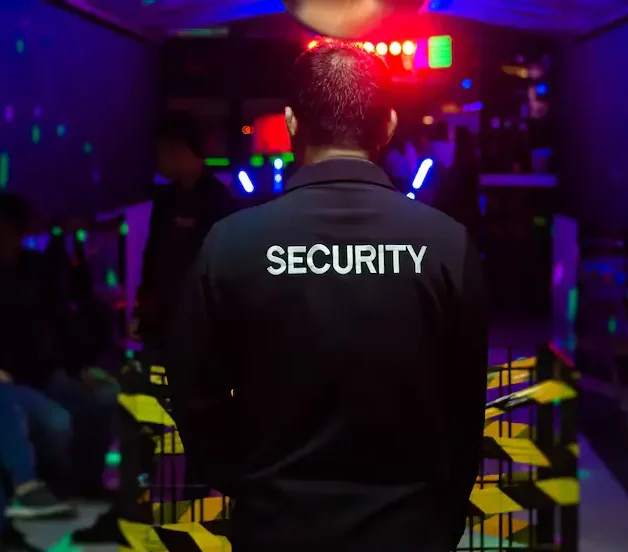

If you are interested in building a career in the private security industry, a Door Supervisor Course In London can provide the training and qualification you need to take your first step into the profession. Door supervisors work in a wide range of environments, including nightclubs, pubs, bars, hotels, events, entertainment venues and other licensed premises.
The role involves much more than standing at an entrance. A professional door supervisor may be responsible for controlling access, checking identification, monitoring crowds, managing conflict, responding to incidents and helping protect customers and staff.
To work legally in a licensable door supervision role, you need the appropriate training, qualification and SIA licence. The Security Industry Authority (SIA) requires applicants for a front-line door supervisor licence to complete a recognised licence-linked qualification before applying for their licence.
This complete guide explains what the training involves, what qualifications you need, how the SIA licensing process works and how you can develop your career after becoming a qualified door supervisor.
What Is a Door Supervisor Course?
A Door Supervisor Course is specialist training designed to prepare people for work in the private security industry.
The training combines security knowledge with practical skills. It is designed to help learners understand their responsibilities and develop the ability to deal professionally with situations they may encounter at venues and events.
The SIA’s current guidance says that first-time applicants need a current full licence-linked qualification for door supervision. The qualification must be obtained from an approved training provider and awarded by an organisation recognised by the SIA.
Typical areas covered by door supervisor training include:
- Private security industry knowledge
- Door supervision responsibilities
- Conflict management
- Physical intervention
- Communication
- Searching procedures
- Legal responsibilities
- Health and safety
- Incident management
- Customer safety
- Emergency awareness
The exact qualification structure and requirements can change, so it is important to check the latest SIA guidance before enrolling.
Why Take a Door Supervisor Course In London?
London has a large hospitality, entertainment and events sector. The city has busy nightlife districts, hotels, restaurants, pubs, clubs, concert venues and event spaces where licensed security professionals may be required.
Taking a Door Supervisor Course In London can therefore be a practical option if you want to work in the capital.
Training can help you develop skills that are useful across different security environments.
You can learn how to:
- Communicate professionally with members of the public
- Manage difficult situations
- Recognise potential risks
- Control access to venues
- Work with other security professionals
- Respond appropriately to incidents
- Understand your legal responsibilities
- Apply safe physical intervention techniques
Betrain currently offers SIA security training in London, including its Door Supervisor Course. Its website describes its training as covering door supervision and other private security qualifications.
What Qualifications Do You Need?
For a new door supervisor applicant, you need a recognised licence-linked qualification.
The SIA currently lists the Level 2 Award for Working as a Door Supervisor in the Private Security Industry among the qualifications accepted for door supervisor licensing.
The qualification must come through an approved training route.
The SIA does not provide the training itself. Instead, training providers are approved by awarding organisations that offer SIA licence-linked qualifications.
This means you should check the qualification and awarding organisation before paying for a course.
It is particularly important to check current requirements because the SIA updated its guidance in July 2026 and has changed its position on BIIAB qualifications. The SIA says it will not accept qualifications granted by BIIAB on or after 10 August 2026, although qualifications granted before that date remain accepted.
Do You Need First Aid Training?
Yes. First aid is an important requirement before taking the licence-linked training for a full door supervisor qualification.
The SIA states that learners must have an appropriate first aid qualification before taking the required training. The qualification must remain valid for at least another 12 months when the licence-linked training begins.
Current SIA first aid guidance also requires relevant training to cover life-threatening bleeding and opening airways.
If you already have a first aid qualification, check with your training provider to make sure it meets the current SIA requirements.
If you do not have one, you may need to complete first aid training before starting your Door Supervisor Course.
What Does Door Supervisor Training Include?
A complete course should prepare you for both the knowledge-based and practical sides of security work.
Private Security Industry Knowledge
The first part of training helps you understand the private security industry and your responsibilities as a security professional.
You can learn about relevant legislation, professional standards, health and safety and the limits of your authority.
This knowledge is essential because door supervisors need to make decisions within the law.
Door Supervision
The specialist door supervision element focuses on working at venues and managing access.
This can involve topics such as:
- Controlling entry
- Checking identification
- Searching customers
- Managing queues
- Refusing entry appropriately
- Monitoring customers
- Working with venue management
- Dealing with incidents
The goal is to prepare learners for the responsibilities they may encounter in real working environments.
Conflict Management
Conflict management is one of the most important skills for a door supervisor.
Busy venues can become stressful, particularly during evenings and weekends. A security professional may have to deal with people who are angry, intoxicated or unwilling to follow venue rules.
Training helps you understand how to communicate calmly, assess situations and take appropriate action.
Good conflict management can prevent minor disagreements from becoming serious incidents.
Physical Intervention
Physical intervention is another important part of door supervisor training.
The SIA includes physical intervention in the training requirements for door supervisors.
The purpose is to teach appropriate skills for situations where physical intervention becomes necessary.
Safety is extremely important. Physical intervention carries risks, which is why training focuses on appropriate techniques, awareness and responsibilities.
The SIA also highlights the importance of reducing risks associated with physical intervention and understanding medical emergencies.
Communication
Communication affects almost every part of the job.
You may need to communicate with customers, colleagues, venue managers, emergency services and other professionals.
Clear and professional communication can help prevent misunderstandings and make it easier to resolve difficult situations.
How Long Does a Door Supervisor Course Take?
Course duration depends on the qualification and provider.
The SIA’s published information on door supervisor training states that the required programme consists of multiple training units and assessments. Its published breakdown describes four training units and four examinations, with a stated training duration of 45 hours.
Training providers may organise these hours differently depending on their timetable and delivery arrangements.
For example, Betrain currently advertises Door Supervisor training in London.
Before enrolling, check the provider’s current timetable and ask exactly how many training days and hours are included.
What Should You Look for in a Training Provider?
Choosing a training provider is an important part of starting your security career.
Do not select a course based only on the cheapest price.
Check the Qualification
First, confirm that the course leads to a qualification currently accepted by the SIA.
Check the Awarding Organisation
Ask which awarding organisation will issue the qualification.
The SIA requires training providers to be approved by an awarding organisation that offers SIA licence-linked qualifications.
Check the Practical Training
Ask how practical elements are delivered and assessed.
Physical intervention and other practical skills need appropriate instruction and assessment.
Check the First Aid Requirement
Find out whether you need to arrange first aid training separately or whether the provider offers an appropriate first aid course.
Check the Course Location
London is a large city, so consider how easily you can travel to the training centre.
A convenient location can make attending every session much easier.
Check Learner Support
Some providers offer additional career support after training.
Betrain currently states that it offers job support and referrals as part of its services.
How Does the SIA Licence Process Work?
Completing your course does not automatically give you an SIA licence.
After successfully achieving the required qualification, your awarding organisation informs the SIA. The SIA must receive this notification before you can submit your licence application.
You then complete the application process and provide the information and documents required by the SIA.
The SIA carries out checks to assess whether you are suitable to hold a licence.
Your route can therefore be summarised as:
Choose Training → Complete First Aid → Complete Door Supervisor Course → Pass Assessments → Receive Qualification → Apply for SIA Licence → Begin Job Search
It is important to understand that training and licensing are separate stages.
What Does a Door Supervisor Do?
The responsibilities of a door supervisor vary between employers and venues.
Common duties can include:
- Checking identification
- Monitoring entrances
- Controlling access
- Searching customers according to relevant procedures
- Managing queues
- Monitoring behaviour
- Responding to incidents
- Assisting vulnerable people
- Communicating with venue management
- Recording incidents
- Supporting emergency procedures
A door supervisor should always follow the employer’s policies and venue procedures.
Where Can You Work?
After gaining the appropriate qualification and SIA licence, you can look for work in different environments.
Potential workplaces include:
- Nightclubs
- Pubs
- Bars
- Hotels
- Restaurants
- Concert venues
- Festivals
- Sporting events
- Shopping centres
- Entertainment venues
- Private events
London offers a broad range of hospitality and entertainment environments.
Your first position may be in a nightclub or pub, but experience can later help you move into other security sectors.
What Skills Do Employers Want?
Having the right qualification is essential, but employers also look for people with the right attitude.
Communication
You need to communicate clearly and respectfully.
Confidence
You should be confident when dealing with customers and making decisions.
Observation
Security professionals need to notice changes in their environment.
Patience
Some situations can be stressful, so staying calm is important.
Teamwork
You will often work with other security staff and venue employees.
Reliability
Employers need people who arrive on time and follow instructions.
Professionalism
Your behaviour can affect your employer and the reputation of the venue.
How Can You Get Your First Door Supervisor Job?
Once you receive your SIA licence, you can start looking for suitable employment.
Create a professional CV that includes:
- Door supervisor qualification
- SIA licence
- First aid qualification
- Previous employment
- Customer service experience
- Security experience
- Relevant skills
- Availability
If you have never worked in security before, do not assume that you have nothing to offer.
Experience in hospitality, retail, customer service or other public-facing jobs can demonstrate useful transferable skills.
When attending interviews, be prepared to explain how you would deal with conflict, difficult customers and emergencies.
Focus on communication, safety, following procedures and teamwork.
Can You Build a Career From Door Supervision?
Yes. Door supervision can be the beginning of a wider private security career.
Once you have gained experience, you may decide to explore other areas such as:
- Event security
- Corporate security
- Retail security
- Security management
- Venue security
- Specialist security roles
Additional training and experience can help you become a stronger candidate for more advanced positions.
The most successful security professionals usually treat training as an ongoing process.
What Happens When You Renew Your SIA Licence?
Your responsibilities do not end after receiving your first licence.
The SIA introduced refresher qualifications as part of the renewal process for door supervisors. Current guidance states that renewing door supervisors must hold the relevant refresher qualification alongside their original full licence-linked qualification.
You also need an appropriate Emergency First Aid at Work qualification, or equivalent, before taking the refresher training. It must be valid for at least another 12 months.
This helps security professionals keep important safety-critical skills up to date.
Why Practical Experience Matters
Completing your course gives you a foundation, but real-world experience is also valuable.
Every venue is different.
A small pub may have different security challenges from a large London nightclub or a major sporting event.
You may need to learn how to:
- Work with a new security team
- Understand venue procedures
- Communicate with management
- Manage large crowds
- Recognise potential problems
- Complete incident reports
- Work during busy periods
The SIA explains that licence-linked training covers core activities but cannot cover every situation an operative may encounter. Employers and venues may therefore provide additional training for specific environments.
How to Prepare Before Starting Your Course
Preparation can make your training experience easier.
Make sure you understand the course timetable and have the required first aid qualification.
You should also:
- Arrive on time
- Bring required identification and documents
- Read course information carefully
- Ask questions when something is unclear
- Participate fully in practical sessions
- Take assessments seriously
- Maintain professional behaviour
The skills you develop during training can become useful throughout your security career.
Is a Door Supervisor Course In London Worth It?
For someone who wants to enter private security, a Door Supervisor Course In London can be a valuable starting point.
The course gives you the opportunity to gain the knowledge and skills required for the relevant qualification and begin the SIA licensing process.
London also offers a broad range of potential employment environments, particularly in hospitality, nightlife and events.
However, the qualification is only the beginning.
Your long-term success will depend on your reliability, communication skills, professional conduct, practical experience and willingness to continue learning.
Frequently Asked Questions
What qualification do I need to become a door supervisor?
You need a current recognised licence-linked door supervisor qualification and an SIA door supervisor licence. The SIA currently lists the Level 2 Award for Working as a Door Supervisor in the Private Security Industry among its accepted qualifications.
Do I need first aid training?
Yes. You must have an appropriate first aid qualification before taking the training required for a full door supervisor qualification. It must meet the SIA’s current requirements.
Does the course automatically give me an SIA licence?
No. After completing the required qualification, you must apply separately for your SIA licence.
How long is a Door Supervisor Course In London?
The exact duration depends on the provider and qualification. The SIA’s published training information describes a 45-hour programme for the relevant door supervisor training.
Can beginners take a Door Supervisor Course?
Yes. The licence-linked qualifications are designed to provide core knowledge and skills for people entering the private security industry.
Can I work in a nightclub after getting my SIA licence?
A door supervisor licence can allow you to undertake appropriate licensable door supervision work, including suitable roles at nightclubs and other licensed venues.
What practical skills will I learn?
Training can cover conflict management, physical intervention, searching and other skills relevant to door supervision.
Can I work at events?
Yes. Depending on the role and employer, licensed door supervisors may work at concerts, festivals, sporting events and other entertainment venues.
Is refresher training required?
Yes. Current SIA rules require renewing door supervisors to hold the relevant refresher qualification alongside their full licence-linked qualification.
Where can I find Door Supervisor training in London?
You can compare approved training providers through the SIA’s guidance and provider search information. Betrain also currently offers Door Supervisor training in London.
Start Your Security Career in London
A Door Supervisor Course In London can be the foundation for a career in private security.
From conflict management and physical intervention to legal responsibilities and communication, the training helps you understand what is expected from a professional door supervisor.
The next step after completing the required qualification is the SIA licensing process. Once licensed, you can begin looking for suitable security opportunities across London’s nightlife, hospitality and events sectors.
If you are considering training with Betrain, you can view its current Door Supervisor Course information here:
Betrain Door Supervisor Course
Before booking any course, check the latest SIA requirements, qualification details, awarding organisation, first aid requirements, course duration and total cost.
With recognised training, the correct licence and a professional approach to your work, door supervision can provide a strong starting point for a rewarding career in London’s private security industry.