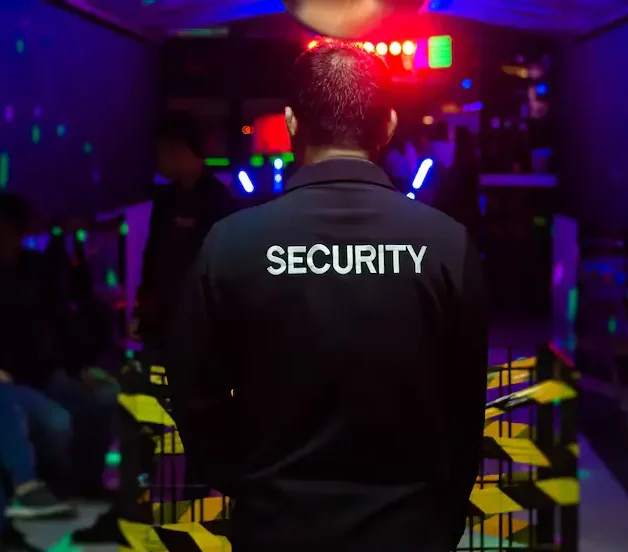
In the bustling heart of London, many individuals are constantly seeking ways to improve their career prospects while managing the heavy demands of daily life. Whether you are currently working, raising a family, or studying, the search for a flexible and rewarding career path can feel overwhelming. However, more people are discovering that a door supervisor course in London is not just a qualification—it is a gateway to a versatile, high-demand profession that offers the stability and balance you have been looking for.
Why Security is the Ideal Path for Flexibility
The security industry in London is vast and diverse, far exceeding the common stereotype of simply standing at the door of a nightclub. When you obtain an SIA (Security Industry Authority) Door Supervisor license, you gain a “passport” to work in numerous sectors, including retail, corporate reception, events, and hospitality.
The primary appeal for many is the flexibility. Because security is a 24/7 requirement in a city like London, shifts can be tailored to fit around your existing commitments. Whether you need to accommodate school runs, university lectures, or a second job, you can often find roles that align with your availability. This variety allows you to take control of your time, ensuring that your professional life supports your personal goals rather than hindering them.
Preparing for Your Door Supervisor Course
Embarking on a new training journey while balancing other responsibilities requires careful planning. The training itself is typically intensive, lasting around six days, and covers essential topics such as conflict management, legal responsibilities, and physical intervention.
To succeed without burning out, consider these strategies:
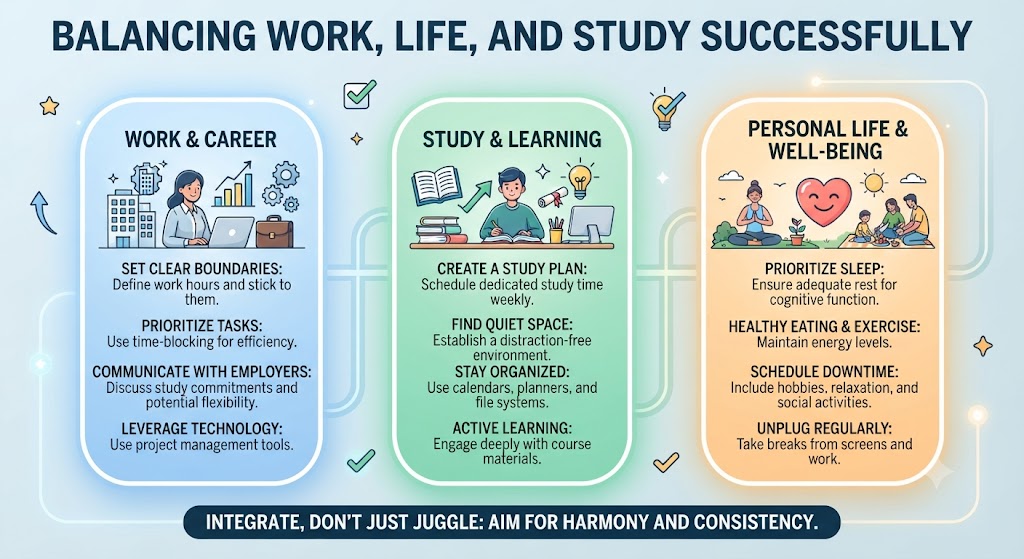
- Plan Your Schedule Early: Use a planner to map out your study sessions alongside your work and personal commitments. Knowing exactly when you will study reduces stress and helps you stay consistent. Blackstar Security
- Communicate with Your Employer: If you are already working, be transparent about your plans to study. Many employers appreciate professional development and may even offer flexibility in your shift patterns to help you succeed. Get Your SIA
- Set Realistic Milestones: Do not try to conquer everything at once. Break your learning into smaller, manageable goals. Focusing on one module at a time makes the process feel much less daunting. Blackstar Security
- Prioritize Rest: It sounds simple, but a rested mind is your best tool. Ensure you are getting enough sleep and staying hydrated, especially during the final days of your training when assessments take place. Blackstar Security
What to Expect During Training
When you enrol in a door supervisor course in London, you are entering a professional environment designed to build your confidence and competence. The training is a blend of theory and hands-on practice, ensuring you are ready for real-world scenarios.
You will delve into:
- Professionalism and Legal Knowledge: Understanding the laws governing private security, including your powers and limitations.
- Conflict Management: Learning the art of de-escalation, which is often the most important skill you will use on the job.
- Physical Intervention: Training in safe, proportionate techniques that are only used as a last resort.
- Health, Safety, and First Aid: Gaining vital knowledge in emergency procedures, which is not only useful for work but also for everyday life.
Most training providers in London offer excellent support, including help with CV writing and connecting you with local security companies. The focus is truly on helping you succeed rather than just helping you pass an exam.
Understanding the Requirements
Before you can begin your course, there are a few practical steps to keep in mind:
- First Aid Certification: You must hold a valid Emergency First Aid at Work (or equivalent) qualification before you can take the door supervisor training. Training4Employment
- Documentation: Ensure you have the necessary documents to prove your identity and your right to work in the UK. GOV.UK
- Criminal Record Check: As part of the SIA licensing process, you will need to pass a criminal record check to ensure you are a “fit and proper person” for the role. GOV.UK
Preparation is key. By organizing your documents early and securing your first aid qualification, you avoid last-minute hurdles and enter your training with confidence.
Why Employers Value Your Qualification
The security industry is evolving. Employers today are looking for well-rounded individuals who can provide exceptional customer service alongside security. Because a door supervisor license requires training in physical intervention, conflict resolution, and law, it is often viewed by employers as a superior qualification to standard security guard training.
If you are staffing a shopping centre, a corporate office, or a major public event, you are essentially the “face” of that venue. Employers know that someone with a door supervisor qualification has been trained to handle high-pressure situations with calm, professional communication. This makes you a much more attractive candidate for a wider range of roles, often leading to better pay and more consistent hours.
Long-Term Benefits: A Career That Grows With You
The beauty of the security industry is that your qualification is just the starting point. As you gain experience, you can pursue further certifications, such as CCTV operation or specialist event security roles, which can significantly increase your earning potential.
Because the industry is constantly evolving, you will find that it keeps you mentally sharp. You will be meeting new people, solving problems in real-time, and playing a key role in keeping public and private spaces safe. It is a career that offers stability in a changing economy, as businesses and events will always require trained, professional personnel.
Balancing Your “Second Act”
If you are coming from a different career background, do not be intimidated. Many people switch to security later in life, bringing with them a wealth of life experience and maturity that young, less-experienced workers often lack. Your ability to relate to people, manage difficult emotions, and act with integrity is a significant asset in this field.
The key to balancing this “second act” is to integrate it slowly. Start by looking for part-time, event-based, or retail work that allows you to gain experience on weekends or evenings while maintaining your primary obligations. As you become more comfortable, you can pick up more shifts or look for permanent, higher-responsibility roles.
Making the Decision
If you have been waiting for a sign to invest in your future, this is it. The combination of flexible work hours, competitive pay, and the ability to gain a nationally recognized qualification makes the security sector one of the most accessible paths for anyone looking to balance work, life, and study effectively.
Start by researching approved training centres across Greater London. Look for providers that offer job support and a clear, step-by-step path to obtaining your SIA license. By taking this first step, you are not just signing up for a course; you are opening the door to a more balanced, secure, and rewarding future.
Remember, you don’t have to do this all at once. Take it one step at a time: find the right training provider, get your first aid in order, and prepare yourself for the training. Once you have that license in your hand, you will have the freedom to choose where and when you work, giving you the balance you deserve while providing a vital service to your community.