
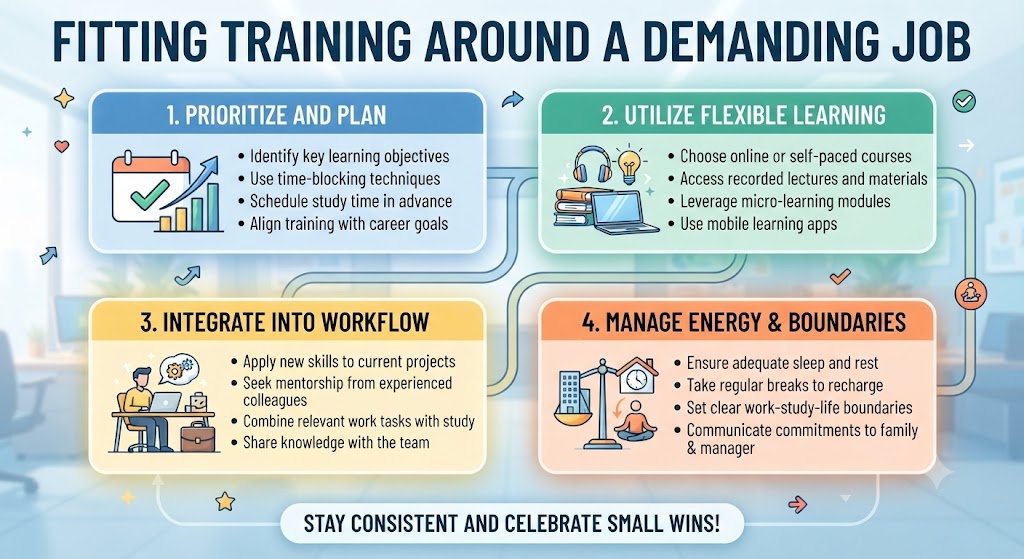
Pursuing a new career path while holding down a demanding full-time job is a challenge that many professionals in London face, yet it is entirely achievable with the right strategy and mindset. If you are looking to enter the security industry, enrolling in a door supervisor course in London is the smartest first step you can take toward a versatile and well-paid future. However, the prospect of balancing intensive training with long work hours can feel overwhelming. To succeed, you must move away from the “all-or-nothing” approach to learning and instead embrace a system of structured, manageable blocks of time. Just as fitness professionals recommend breaking down physical training into shorter, consistent sessions to avoid burnout, your academic preparation requires a similar approach of consistency over intensity. By utilizing a digital calendar to block out non-negotiable study periods and leveraging online resources or flexible training schedules offered by London-based providers, you can make steady progress without compromising your current job performance.
Understanding the Value of Your Training
Before you dive into the scheduling logistics, it is helpful to keep your “why” at the forefront. A door supervisor course in London is widely considered the most adaptable qualification in the private security sector. Unlike a basic security guard licence, which is largely limited to static guarding roles, the door supervisor qualification acts as a master key. It legally permits you to work in both licensed premises—such as pubs, bars, and nightclubs—and unlicensed settings like retail centers, corporate offices, and major sporting events. This versatility is critical in a city as dynamic as London, where the demand for security professionals spans everything from Canary Wharf corporate towers to high-profile music festivals. By completing this training, you are not just getting a job; you are opening a pathway to diverse career growth opportunities, including roles in response, CCTV operation, and even high-stakes Close Protection.
Managing the Logistics: Step-by-Step Success
The journey to becoming a licensed door supervisor follows a clear, structured path that can be integrated into a busy life if managed correctly.
Lead Element Training Wing Ltd
- Step 1: Choose Your Training Provider Wisely. In London, there are numerous SIA-approved training centers. Look for providers that offer flexible timetables, such as weekend-only courses or condensed evening sessions, which are designed specifically for people working full-time.
- Step 2: Emergency First Aid at Work (EFAW). This is a mandatory component of your training. Because this is a practical requirement, try to book this session during a time when you have a long weekend or can take a day of annual leave from your current job to ensure you are fully focused on the hands-on scenarios.
- Step 3: Master the Material through Micro-Learning. The door supervisor course covers essential legal responsibilities, conflict management, and physical intervention. Do not try to cram this information. Instead, spend 20–30 minutes a day reviewing modules during your commute or lunch break. Using digital flashcards or practice exam questions via mobile apps can turn “dead time” into productive study time. Get Licensed
- Step 4: Prepare for Assessments. The exams and practical assessments are the final hurdle before your license application. Treat these like important meetings; ensure you are well-rested, arrive early, and have all your identification documents ready, as any small error here can lead to delays in your application process. Lead Element Training Wing Ltd
Strategies for Maintaining Energy and Focus
When working a demanding job, your most limited resource is your energy. To prevent burnout, you must prioritize recovery just as much as you prioritize studying. If you are prone to late-night fatigue, avoid attempting to study immediately after a high-pressure shift. Instead, consider the “early bird” approach: dedicating one hour before your workday starts when your mind is freshest. Conversely, if you are a night owl, use the post-work window to decompress for 30 minutes with a walk or a light meal before starting your study block.
Nutrition and physical health play a massive role here, too. A consistent sleep schedule and staying hydrated will help you retain the complex legal and safety information required for your door supervisor course in London. Remember, this period of intensified effort is temporary. By communicating with your family or friends about your goals, you can secure the necessary support to carve out these few weeks of focused study without feeling guilty about social obligations.
The Long-Term Perspective
The challenges you face while training—long hours, managing fatigue, and balancing conflicting priorities—are, in many ways, great preparation for the role itself. Working as a door supervisor in London requires resilience, the ability to handle pressure, and top-tier communication skills. When you deal with difficult patrons or manage large crowds, you will rely on the conflict resolution and de-escalation training you mastered in your course.
Furthermore, the industry is highly supportive of those who show initiative. Once you are licensed, you will find that many employers value candidates who have successfully transitioned into the industry while working other roles, as it demonstrates discipline and reliability. Whether you are aiming to eventually move into corporate security, event management, or even VIP protection, the foundation you build now is what will differentiate you in a competitive market.
Final Tips for Your Journey
As you progress, remember that your career path is a marathon, not a sprint. If you hit a week where your work demands are exceptionally high, it is acceptable to slightly reduce your study volume rather than quitting entirely. The goal is consistency. Keep your eyes on the end state: holding your SIA licence, which grants you the legal authority to work in a wide array of high-demand roles across London.
Biolayne
- Organize your documents: Keep your ID, right-to-work proof, and training certificates in one dedicated folder.
- Stay connected: Join online forums for security professionals in London to get tips on local venues, recruitment agencies, and common exam questions.
- Practice empathy: Part of your role as a door supervisor is to de-escalate, and that starts with understanding how to handle your own stress during this transition. Get Licensed
By taking a proactive, organized approach to your training, you will not only pass your door supervisor course in London but will also emerge with a new, professional skillset that provides you with long-term financial stability and career flexibility. The hard work you invest today will pay dividends in your future roles, where you will be the one responsible for the safety and security of others in one of the world’s most exciting cities. You have already taken the first step by researching your options—now, keep that momentum going, create your schedule, and commit to the process. You are well on your way to a rewarding career in the security industry.