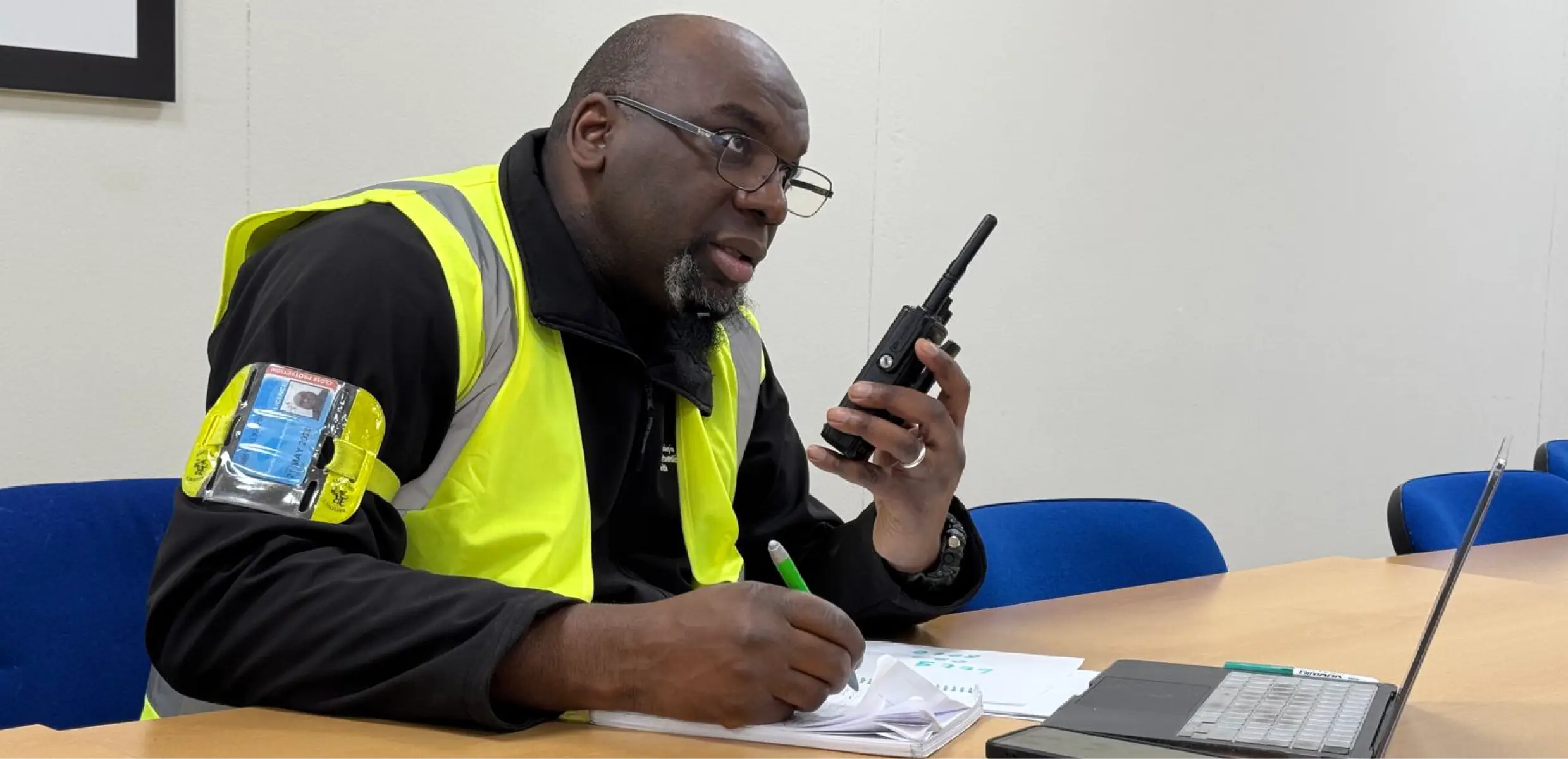
88. Adding Close Protection Skills to Your Résumé
The security industry offers many career paths for people who want to grow beyond entry-level roles. Many professionals begin by completing a door supervisor course in London, gaining their licence, and working in venues such as shopping centres, hotels, office buildings, entertainment venues, and public events. While this qualification provides an excellent foundation, many security officers choose to develop additional skills that help them stand out in a competitive job market. One of the most respected ways to strengthen your professional profile is by gaining close protection skills. These specialist abilities can improve your knowledge, increase your confidence, and demonstrate your commitment to career development.
London is one of the world’s busiest cities and attracts business leaders, celebrities, diplomats, tourists, and high-profile individuals every day. Because of this, there is a growing demand for highly trained security professionals who understand personal safety, risk management, and professional protection techniques. Although not every security officer will become a close protection operative, learning these skills can still make your résumé more attractive to employers. When combined with a door supervisor course in London, close protection knowledge shows that you are willing to invest in your future and continue building your expertise.
A door supervisor course in London teaches the essential skills required for working in licensed security roles. Students learn conflict management, communication, customer service, emergency procedures, physical intervention, and legal responsibilities. These subjects prepare individuals to protect people and property while maintaining a calm and professional attitude. Close protection training expands on these foundations by introducing more advanced security concepts, including threat assessment, route planning, surveillance awareness, protective formations, journey management, and emergency evacuation procedures.
One of the biggest benefits of adding close protection skills to your résumé is increased employability. Employers often look for candidates who bring more than the minimum qualifications required for the job. Having additional security knowledge demonstrates initiative, professionalism, and a willingness to learn. Even if you apply for standard security positions, employers may see your advanced training as evidence that you can handle greater responsibility and adapt to challenging situations. In London’s competitive security industry, these qualities can help you stand out from other applicants.
Close protection training also improves situational awareness. Security professionals must constantly observe their surroundings, identify potential risks, and react quickly when necessary. These observational skills are useful in almost every security role, whether you are working at a corporate reception, shopping centre, stadium, hotel, or construction site. After completing a door supervisor course in London, strengthening your awareness through advanced training helps you recognise suspicious behaviour earlier and respond more effectively before problems escalate.
Communication is another area where close protection training provides significant value. Protecting clients requires clear communication between team members, venue staff, emergency services, and members of the public. Close protection operatives learn how to deliver clear instructions, remain calm under pressure, and coordinate responses efficiently. These communication skills are equally valuable for door supervisors, who regularly deal with customers, colleagues, and management throughout every shift. Employers appreciate staff who can communicate confidently while maintaining professionalism and respect.
Professional appearance and behaviour are also important within the security industry. Close protection personnel are expected to remain calm, confident, discreet, and respectful at all times. These qualities help create trust with clients while maintaining a positive public image. Security companies value employees who consistently demonstrate reliability, punctuality, honesty, and strong personal presentation. When these qualities are combined with the practical knowledge gained during a door supervisor course in London, they contribute to a strong professional reputation that supports long-term career growth.
Another advantage of close protection training is learning how to assess risks before they become serious incidents. Rather than simply reacting to problems, security professionals learn to identify hazards, evaluate potential threats, and develop strategies to reduce risk. Risk assessment is valuable in every security environment because prevention is often more effective than responding after an incident has occurred. Employers appreciate security officers who think ahead, plan carefully, and make informed decisions that improve safety for everyone on site.
Close protection skills also improve confidence during emergencies. Security professionals may need to respond to medical incidents, fire alarms, suspicious packages, aggressive behaviour, or evacuation procedures. Advanced training helps individuals remain calm while following structured plans and communicating effectively with emergency services. Confidence grows through education, practical exercises, and real-world experience, allowing security professionals to make better decisions when every second matters.
Technology has become an increasingly important part of modern security operations. While close protection remains focused on protecting individuals, operatives often work alongside CCTV systems, access control technology, communication equipment, GPS tracking, and digital reporting platforms. Understanding how these technologies support security operations makes professionals more adaptable in different workplaces. Employers throughout London increasingly seek staff who combine practical experience with knowledge of modern security technology.
Building strong teamwork skills is another major benefit. Close protection rarely involves working alone. Operatives must coordinate with colleagues, venue management, drivers, event organisers, and emergency responders to ensure every operation runs smoothly. Learning to trust team members, share information, and support each other under pressure improves overall performance. These teamwork skills transfer directly into standard security positions, where cooperation is essential for protecting people, property, and business operations.
For many professionals, completing a door supervisor course in London is only the beginning of a rewarding career. By continuing to develop your skills through additional training such as close protection, you demonstrate ambition and dedication to professional excellence. Employers notice candidates who actively invest in their careers, and these extra qualifications can create opportunities for promotion, specialist roles, and greater responsibility within London’s growing security industry.
Another important benefit of adding close protection skills to your résumé is the opportunity to work in a wider range of security environments. While many door supervisors work in licensed premises, shopping centres, or entertainment venues, close protection knowledge can prepare you for assignments involving corporate executives, VIP guests, public figures, international visitors, and private clients. Even if your role does not involve personal protection, employers appreciate candidates who understand how to manage higher-risk situations professionally. This wider knowledge makes you more versatile and allows you to apply for positions that require advanced security awareness.
Customer service also remains an essential part of professional security work. Many people think close protection is only about physical security, but successful operatives must also communicate politely, remain calm, and represent their employer professionally. Clients expect discretion, respect, and excellent communication at all times. These qualities are equally important for door supervisors who interact with visitors, customers, contractors, and employees every day. Combining customer service skills with the knowledge gained from a door supervisor course in London and close protection training helps you provide a higher standard of service while maintaining safety and professionalism.
Problem-solving is another skill that develops through advanced security training. Every working day is different, and security professionals often face unexpected situations that require quick thinking. Whether dealing with crowded events, access control issues, suspicious behaviour, or emergency evacuations, the ability to remain calm and make sensible decisions is highly valued. Close protection training encourages careful planning while preparing individuals to adapt when circumstances change. Employers look for security officers who stay focused under pressure and can find practical solutions without creating unnecessary risks.
Legal knowledge is equally important throughout the security industry. Professional security staff must understand the laws relating to the use of force, health and safety, data protection, equality, and human rights. A door supervisor course in London introduces these legal responsibilities, while further professional development reinforces the importance of working within the law at all times. Employers trust individuals who understand legal requirements because they help reduce risk, protect company reputations, and ensure that security operations remain compliant with current regulations.
Maintaining physical and mental fitness is another important part of career development. Security professionals may spend long hours on their feet, respond quickly to emergencies, and remain alert throughout extended shifts. Close protection training encourages individuals to maintain good physical condition, healthy decision-making, and strong self-discipline. While physical fitness alone does not guarantee success, combining it with professional knowledge, communication skills, and practical experience creates a balanced security professional who is prepared for demanding responsibilities.
Networking can also support career progression. During training courses, refresher sessions, and industry events, security professionals meet trainers, employers, supervisors, and colleagues who may recommend future opportunities. Building positive professional relationships can lead to new roles, promotions, and valuable career advice. Maintaining a reputation for reliability, honesty, and professionalism is often just as important as gaining additional qualifications. Employers frequently prefer candidates who come recommended by trusted professionals within the industry.
As your experience grows, you may decide to specialise further by studying areas such as CCTV operation, first aid, fire safety, risk assessment, event security, or security management. These additional qualifications work well alongside both a door supervisor course in London and close protection skills, creating a strong and well-rounded professional profile. Employers increasingly seek security personnel who understand multiple aspects of modern security operations rather than focusing on only one area. Continuous learning keeps your knowledge current and demonstrates your commitment to delivering high-quality security services.
Career progression often follows naturally for those who consistently perform well and continue improving their skills. Many experienced door supervisors become team leaders, site supervisors, operations coordinators, or security managers. Others move into specialist positions supporting high-profile events, corporate environments, luxury hotels, private organisations, or executive protection teams. While every career path is different, employers generally reward individuals who demonstrate professionalism, reliability, leadership, and a willingness to learn throughout their careers.
Confidence is another valuable outcome of combining different security qualifications. The more knowledge and practical experience you gain, the better prepared you become for handling challenging situations. Confidence allows security professionals to communicate clearly, reassure members of the public, support colleagues, and make sound decisions during stressful incidents. This confidence develops gradually through training, practical experience, and ongoing professional development rather than through experience alone.
The security industry continues to evolve as new technologies, changing risks, and higher customer expectations shape the profession. Employers increasingly value security officers who understand both traditional security practices and modern approaches to protecting people and property. By combining a door supervisor course in London with close protection skills, you demonstrate adaptability and a genuine commitment to professional excellence. These qualities can improve your employability today while preparing you for future leadership opportunities as the industry continues to grow.
In conclusion, adding close protection skills to your résumé is a smart investment for anyone who wants to build a long-term career in the security industry. While a door supervisor course in London provides the essential foundation needed to begin working in licensed security roles, additional training expands your knowledge, strengthens your confidence, and makes you more attractive to employers across London, United Kingdom. From improved communication and risk assessment to stronger teamwork, professionalism, and career flexibility, close protection skills offer benefits that extend far beyond specialist protection roles. By continuing to learn, gaining practical experience, and maintaining high professional standards, you position yourself for greater responsibility, better employment opportunities, and lasting success within London’s competitive and rewarding security industry.