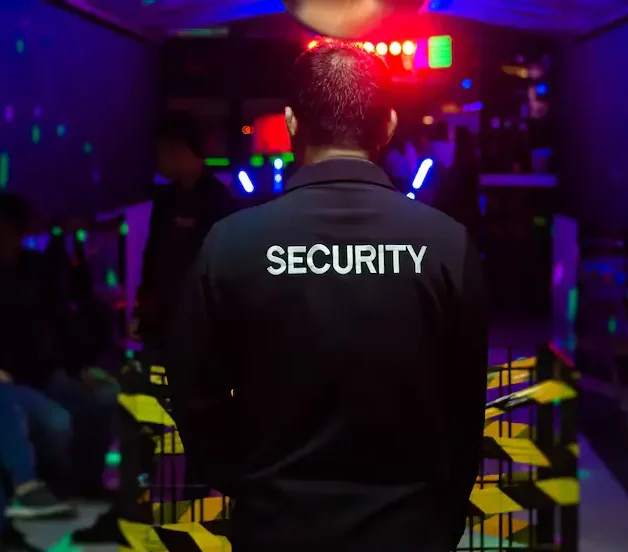

London never really sleeps, and that’s exactly why its security industry is one of the busiest and most reliable job markets in the country. From nightclubs in Shoreditch to concerts at the O2 Arena, someone has to keep the doors safe, the crowds calm, and the venues running smoothly. If you’ve ever thought about stepping into this world, a door supervisor course in London is the most direct route in, and this guide walks you through exactly how to get there.
What makes this career path unusual is how quickly someone can go from knowing nothing about the industry to holding a recognised licence and earning a steady income. There’s no degree requirement, no years-long apprenticeship, and no need to already know someone in the trade. What it does require is a genuine willingness to learn the legal side of the role, show up consistently for training, and take the responsibility of keeping people safe seriously. For a lot of people switching careers in their twenties, thirties, or even later in life, that combination of low entry barriers and real earning potential is hard to find elsewhere.
Why London Is a Smart Place to Start
Most people don’t realise how big the private security sector actually is until they look at the numbers. London alone has thousands of licensed venues, weekly events, hotels, and retail spaces that all need trained door staff. Unlike a lot of careers that require years of study or a specific degree, security work rewards reliability, a calm head, and the right licence. That makes it genuinely accessible to people switching careers, leaving the forces, or just starting out after school.
The pay is also competitive for entry-level work. Door supervisors in London typically earn more per hour than supervisors elsewhere in the UK, simply because demand outpaces supply, especially around weekends, festivals, and the busy December season.
There’s also the sheer variety of work on offer. One week you might be on the door of a small bar in Camden, and the next you could be assigned to crowd management at a stadium concert or a corporate event in the City. That range keeps the job interesting, and it also means you’re rarely tied to a single employer or venue. Many supervisors register with more than one agency, which gives them control over how many hours they work and lets them pick up extra shifts whenever they want to boost their income.
For people coming from other industries, the transferable skills are worth mentioning too. If you’ve worked in hospitality, retail, the military, or customer-facing roles of any kind, you already have a head start. The ability to read a room, talk someone down from being aggressive, and stay polite under pressure are all things many people develop long before they ever think about security work as a career.
Step 1: Understand What a Door Supervisor Actually Does
Before signing up for anything, it helps to know what the job involves day to day. Door supervisors manage entry to venues, check IDs, conduct searches, de-escalate conflict, and respond to emergencies including medical incidents. It’s part customer service, part conflict management, and part physical readiness. None of this requires a tough exterior so much as good judgement, clear communication, and the ability to stay composed when things get tense.
A typical shift might involve standing at the entrance greeting guests, checking identification for anyone who looks underage, and politely refusing entry to people who are visibly intoxicated or carrying prohibited items. Inside the venue, supervisors keep an eye on the crowd, step in early if a disagreement looks like it’s heating up, and coordinate with bar staff or management if something needs attention. Toward the end of the night, they often help manage the exit, making sure people leave safely and that the area outside the venue stays calm too.
This role is legally regulated, which is the part many newcomers don’t expect. You can’t simply apply for a door job and start working. The UK requires anyone in this position to hold a licence from the Security Industry Authority, known as the SIA. Working without one is treated as a criminal offence, so this isn’t a step you can skip or work around, no matter how confident you feel about your own ability to handle the job.
Step 2: Check You Meet the Basic Requirements
Before you book a course, make sure you tick these boxes:
- You’re at least 18 years old, since there’s no upper age limit for entry
- You have the legal right to work in the UK, whether through citizenship, settled status, or a valid visa
- You’re prepared for a Disclosure and Barring Service (DBS) check, since certain convictions involving violence or dishonesty can affect your application
- You have a working level of English, since written exams and day-to-day communication both depend on it
- You’re physically able to take part in practical training, including restraint and escort techniques
None of these are barriers most people can’t clear. The industry is genuinely open to career-changers, and your CV history matters far less than your conduct on the course and the job. If you do have a criminal record and you’re unsure whether it might affect your application, it’s worth reaching out to the SIA directly before you book a course, just so you’re not paying for training you might not be able to use right away. Most minor or unrelated offences won’t stop you, but it’s better to check early than to find out after you’ve already invested time and money.
Step 3: Complete a Door Supervisor Course
This is the core qualification standing between you and a working licence. A door supervisor course in London is built around the Level 2 Award for Door Supervisors, a nationally recognised qualification regulated by Ofqual. It typically runs across four to six days, depending on whether you choose a weekday intensive, a weekend format, or a blended option with some online learning.
Choosing where to take your course matters more than people often expect. Look for a provider that’s clearly listed as SIA-approved, with instructors who have real industry experience rather than purely academic backgrounds. Smaller class sizes tend to mean more individual attention, especially during the hands-on physical intervention sessions, and providers with strong pass rates and positive reviews are usually a safer bet than the cheapest option you can find. It’s also worth asking upfront exactly what’s included in the price, since some providers bundle in first aid certification and materials while others charge separately.
The course is broken into several units, each covering a different piece of the job:
Working in the private security industry. This covers the legal framework you’ll operate under, your powers as a door supervisor, and the standards you’re expected to maintain.
Door supervisor operations. Here you’ll learn search procedures, how to handle intoxicated guests, admission policies, and how licensing law applies to the venues you’ll work in.
Conflict management. Since most incidents can be defused with the right words before they escalate, this unit focuses on communication techniques, reading body language, and staying calm under pressure.
Physical intervention. Under supervision, you’ll practise SIA-approved techniques for safely managing a situation that’s become physical, including breakaway moves and controlled restraint.
Emergency procedures and first aid. You’ll come away with practical skills for fires, medical emergencies, and other incidents, often resulting in an Emergency First Aid at Work certificate alongside your main qualification.
Assessment happens throughout the course rather than in one big final exam, mixing written tests with practical observation, so there’s no single make-or-break moment. If you do struggle with a particular section, most providers offer at least one free resit before charging a small fee for further attempts, so a single off day doesn’t have to derail the whole process. The instructors running these courses are generally there to help you pass, not to catch you out, so asking questions and engaging fully with the material tends to pay off far more than trying to coast through quietly.
Step 4: Apply for Your SIA Licence
Once you’ve passed your course and received your certificate, the next move is applying for your SIA Door Supervisor Licence through the official SIA online portal. This involves submitting your details, your qualification information, and the application fee, then waiting while the SIA runs a background check. Processing usually takes a few weeks, so it’s worth applying as soon as your certificate comes through rather than waiting around.
While your application is being processed, you can request a licence acknowledgement letter, which some employers will accept as proof that you’re eligible to start working before the physical card arrives. Not every employer allows this, so it’s worth checking with whoever you’re applying to before assuming you can begin immediately. Either way, it makes sense to submit your application the moment your training certificate is in hand, since the waiting period is largely out of your control and starting it early just means you’ll be ready to work sooner.
Your licence, once issued, is valid for three years. After that, you’ll need to renew it, which is generally a much simpler process than the original application.
Step 5: Start Applying for Work
With a licence in hand, you’re legally able to work, and London’s job market for security staff is genuinely active. Most newcomers find their first roles through security staffing agencies, direct applications to bars and clubs, or job boards that regularly list door supervisor vacancies. Many training providers also have informal connections to local agencies and venues, which can be a useful shortcut if you ask around during your course.
It’s common to start with shift-based or casual work across a few venues before settling into a more regular position, and that flexibility is actually one of the appeals of the job. You can build experience quickly by picking up extra shifts during busy periods.
When you’re putting together applications, a short, clear CV that highlights your licence, your first aid certification, and any relevant customer service or conflict-handling experience tends to go a long way. References from your training instructor can also help, especially since they’ve already seen how you handle practical scenarios under pressure. Don’t underestimate the value of simply showing up reliably to your first few shifts either. Word travels fast in this industry, and agencies remember who turns up on time, stays professional, and handles themselves well, which often leads to better shifts and more consistent work down the line.
Step 6: Think About Where the Career Can Go
Door supervision is rarely a dead end. Once you’ve built up experience, it opens doors (no pun intended) into several other paths within the security world. Many supervisors move into close protection work, retail loss prevention, event security management, or corporate security roles with more predictable hours. Some go on to become trainers themselves, teaching the next group of newcomers the same skills they once learned.
The progression tends to be merit-based rather than credential-based. Reliability, a good reputation with agencies and venues, and a track record of staying calm under pressure count for more than where you went to school. A door supervisor who builds a solid reputation over a couple of years often finds that better-paying, steadier roles start coming to them rather than the other way around, whether that’s a permanent position at a single high-end venue, a supervisory role managing a team of other door staff, or a move into specialist event security working festivals, concerts, and large corporate functions.
For anyone with a longer-term ambition, close protection work is one of the more lucrative paths, though it requires an additional SIA licence and usually a few years of door supervision experience first. Corporate and retail security roles, on the other hand, tend to offer more regular hours and a different pace of work, which can appeal to people who want to move away from nightlife shifts as their circumstances change.
A Realistic Look at Cost and Timeline
Most people can go from zero experience to a working licence within a couple of months. The course itself takes under a week, and licence processing adds a few more weeks on top. Course fees and the licence application together represent a modest upfront investment, especially compared to other career paths, and most newcomers recover that cost within their first few weeks of paid shifts.
It helps to plan around this timeline rather than be surprised by it. If you’re hoping to start work by a particular date, such as ahead of the busy festive season or summer festival run, it makes sense to book your course at least two to three months in advance, accounting for both the training days and the SIA processing time. Some people choose to keep a part-time job going through this transition period, picking up door supervisor shifts once their licence comes through and gradually shifting their hours over as the work builds up.
Final Thoughts
Starting a career in London’s security industry doesn’t require a complicated path. It comes down to meeting the basic eligibility requirements, completing an accredited course, securing your SIA licence, and putting yourself in front of the agencies and venues that are hiring. If you’re someone who stays level-headed under pressure and wants a job with real flexibility and earning potential, this is one of the more accessible ways into stable, well-paid work in one of the busiest cities in Europe.
Frequently Asked Questions
What is a door supervisor course in London? A door supervisor course in London is a regulated training programme that prepares you to apply for an SIA Door Supervisor Licence, covering the legal, conflict management, physical intervention, and first aid skills needed to work at pubs, clubs, and other licensed venues.
How long does a door supervisor course take in London? Most courses run between four and six days, though the exact length depends on whether you choose a weekday intensive, a spread-out weekend format, or a blended course with online elements.
Do I need an SIA licence after completing the course? Yes. Passing the course gives you the qualification certificate, but you still need to apply separately for an SIA Door Supervisor Licence before you can legally start working.
How much does a door supervisor course cost in London? Course pricing varies by provider and package, so it’s worth comparing a few training centres directly and checking exactly what’s included, such as first aid certification and exam resits, before booking.
Is the door supervisor qualification valid across the whole UK? Yes. It’s a nationally recognised qualification regulated by Ofqual and approved by the Security Industry Authority, so your licence is valid for work anywhere in the UK, not just London.
What jobs can I get after completing the course? Common entry points include door supervisor roles at bars and clubs, event security positions, retail security officer roles, and general security guard work once you hold the right licence for each.
Do I need previous security experience to enrol? No. The course is designed for complete beginners, and people from all kinds of backgrounds, including retail, hospitality, and the armed forces, take it successfully every year.
Can I work immediately after finishing the course? Not quite. You first need to apply for and receive your SIA licence, or at least a licence acknowledgement letter, before most employers will let you start working.
Is first aid training included in the course? Many providers include Emergency First Aid at Work training as part of the package, since it’s a core part of the emergency procedures unit, though it’s worth confirming this with your chosen provider.
Can non-UK nationals apply for an SIA door supervisor licence? Yes, as long as you have the legal right to live and work in the UK, whether through settled status, a valid visa, or another form of recognised immigration status, you can apply for the licence after completing the course.