Who’s Teaching You? Trainer Credentials Explained
When you’re investing time and money into a door supervisor course in London, it’s natural to wonder exactly who will be teaching you. Trainer quality can make a real difference to how much you learn, how confident you feel by the end of the course, and how well-prepared you are for both the exams and real-world work afterwards. This guide explains what qualifications and experience trainers typically have, why this matters, and what questions you can ask before booking.
Why Trainer Credentials Matter
A course is only as good as the person delivering it. Even with the same official course content, the quality of teaching can vary significantly depending on the trainer’s own experience, communication style, and ability to explain complex topics clearly. Since a door supervisor course in London covers a mix of legal knowledge, communication skills, and physical techniques, having a genuinely qualified and experienced trainer plays a big role in how well you absorb and retain the material.
What Qualifications Do Trainers Need?
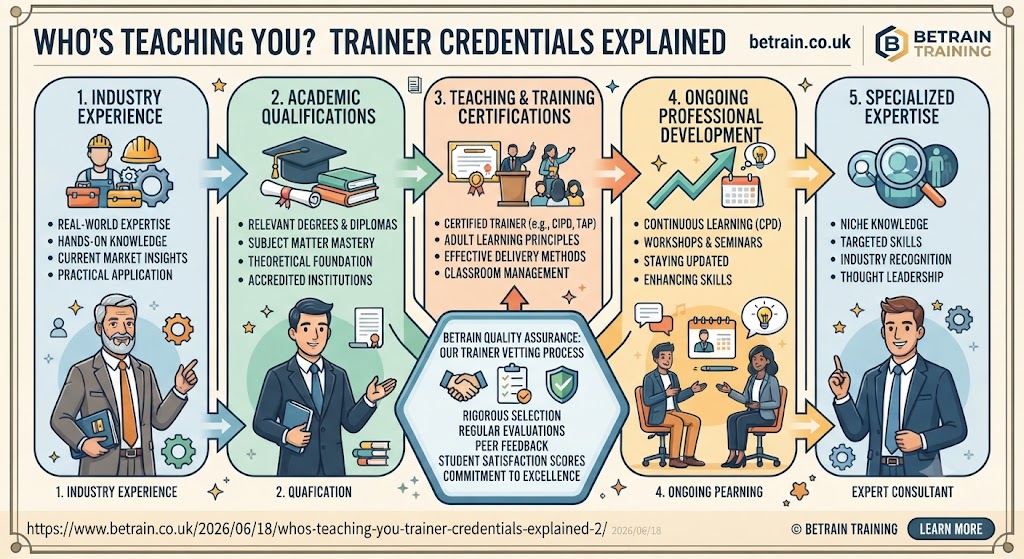
Trainers delivering SIA-approved courses are required to hold relevant qualifications and certifications recognised by awarding bodies and the SIA itself. While specific requirements can vary slightly depending on the awarding organisation a training provider works with, trainers generally need to demonstrate:
- A recognised teaching or training qualification
- Specific certification relevant to the units they’re delivering, such as conflict management or physical intervention
- Ongoing compliance with quality standards set by awarding bodies
This ensures that anyone teaching a door supervisor course in London has met a recognised standard, rather than simply having personal experience without formal teaching credentials.
Real Industry Experience
Beyond formal qualifications, many trainers also bring genuine industry experience to their teaching. This often includes previous work as a door supervisor, security manager, or in related roles within the private security industry.
This kind of hands-on experience matters because it allows trainers to:
- Share realistic, real-world examples rather than relying purely on textbook theory
- Answer practical questions about what the job is actually like day-to-day
- Offer genuine insight into common challenges faced on the job, such as handling difficult customers or managing licensing responsibilities
- Demonstrate physical intervention techniques with real confidence and authority
While not every trainer will have worked as a door supervisor themselves, many training providers specifically look for trainers with relevant industry backgrounds, since this tends to make the learning experience feel more practical and credible.
Different Trainers for Different Units
It’s common for a door supervisor course in London to be delivered by more than one trainer, particularly if different units require specialised expertise. For example:
- Conflict management and industry knowledge might be delivered by a trainer with a strong background in customer-facing security roles or training delivery.
- Physical intervention is often taught by trainers with specific physical training certifications, sometimes with a background in martial arts, self-defence instruction, or hands-on security roles.
- Emergency first aid at work is typically delivered by a qualified first aid trainer, holding relevant first aid instructor certification.
This specialisation helps ensure each part of the course is taught by someone genuinely skilled in that specific area, rather than expecting one trainer to be an expert across every single topic.
How to Check a Trainer’s Credentials
While you may not always see detailed trainer biographies before booking, there are a few sensible ways to get a sense of who you’ll be learning from:
Ask the Training Provider Directly
It’s completely reasonable to ask a provider about their trainers’ backgrounds, qualifications, and industry experience before committing to a course. A trustworthy provider should be happy to answer this clearly.
Look at Provider Websites
Some training providers include trainer profiles or general information about their teaching team on their website, giving you some insight before booking.
Read Reviews Mentioning Trainers
Past student reviews sometimes mention specific trainers by name, or at least comment on the overall quality and knowledge of the teaching staff, which can offer useful insight into the general standard you can expect.
Check for SIA-Approved Training Provider Status
While this confirms the course itself is properly approved, it’s still worth asking specifically about individual trainer qualifications, since approval applies to the course structure and provider, not necessarily every individual trainer’s personal background.
What Makes a Good Trainer?
Beyond formal qualifications, several qualities separate genuinely excellent trainers from simply adequate ones:
Clear Communication
A good trainer explains complex topics, such as licensing law or conflict de-escalation techniques, in a way that’s easy to understand, without unnecessary jargon or overly technical language.
Patience With Questions
Since many trainees are complete beginners, a good trainer welcomes questions and takes time to clarify anything unclear, rather than rushing through material to stay on schedule.
Practical, Real-World Examples
Trainers who can relate course content to genuine, real-life scenarios help make abstract legal or procedural information feel far more relevant and memorable.
Confidence During Physical Training
Since physical intervention techniques require careful demonstration and supervision, a good trainer shows genuine confidence and control during these sessions, helping trainees feel safe while learning potentially unfamiliar movements.
Supportive, Non-Judgmental Approach
Given that many trainees feel nervous, especially during physical training or role-play exercises, a good trainer creates a supportive environment where mistakes are treated as part of the learning process, rather than something to be embarrassed about.
Why Trainer Quality Affects Your Exam Success
Since final exams for a door supervisor course in London are based on the material covered throughout the week, how clearly that material is taught directly affects how well-prepared you’ll feel going into your assessment. A trainer who explains legal concepts clearly, encourages questions, and reinforces key points throughout the week naturally helps trainees retain information more effectively than a rushed or disengaged teaching style might.
Why Trainer Quality Affects Your Confidence on the Job
Beyond passing exams, the quality of your training also shapes how confident and prepared you’ll feel once you start working as a licensed door supervisor. Trainers who provide realistic, practical guidance, rather than simply covering theoretical content, help trainees walk away with genuine confidence in handling real situations, from conflict de-escalation to physical intervention, once they begin working in the industry.
Questions Worth Asking About Trainers Before Booking
If trainer quality matters to you, and it should, consider asking potential providers:
- What qualifications do your trainers hold?
- Do your trainers have real industry experience as door supervisors or in related security roles?
- Will the same trainer deliver the entire course, or will different specialists teach different units?
- How do your trainers handle questions or difficulties during practical sessions?
- Can you share any reviews or feedback specifically mentioning your training team?
Providers confident in the quality of their teaching staff should have no issue answering these questions clearly and honestly.
Red Flags to Watch Out For
While most SIA-approved providers maintain proper standards, it’s still worth being cautious of certain warning signs, such as:
- Vague or evasive answers when asked directly about trainer qualifications
- No mention of SIA approval status for the course itself
- Consistently negative reviews specifically mentioning poor or disengaged teaching
- Reluctance to explain who will actually be delivering the course
If something feels off during your initial enquiries, it’s worth continuing to compare other providers rather than committing based on price alone.
The Value of Experienced Trainers for Beginners
If you’re completely new to the security industry, having an experienced, well-qualified trainer becomes even more valuable. Since you won’t have prior knowledge to draw from, the quality of explanation, patience, and real-world insight your trainer provides plays a huge role in how confidently you move from complete beginner to fully licensed door supervisor.
Common Questions About Trainer Credentials
Do all trainers need to have worked as door supervisors themselves?
Not necessarily, though many do bring genuine industry experience. What’s essential is that they hold recognised training qualifications relevant to the units they teach.
Can I request a specific trainer when booking?
This varies by provider. Some allow you to ask about specific trainers, particularly for larger training centres with multiple staff members, though this isn’t always guaranteed.
Will physical intervention training always be taught by a specialist?
Generally, yes. Physical intervention units typically require trainers with specific certification and experience in this area, separate from general classroom teaching qualifications.
How can I tell if a provider has genuinely experienced trainers before booking?
Asking directly, reading reviews, and checking any available trainer information on the provider’s website are all sensible ways to get a clearer picture before committing.
Does trainer quality affect the price of the course?
Not always directly, though providers who invest in highly experienced trainers may reflect this in slightly higher course fees. However, price alone isn’t a reliable indicator of trainer quality, so it’s always worth asking directly.
Final Thoughts
The person teaching your door supervisor course in London plays a significant role in how well you understand the material, how confident you feel during physical training, and ultimately, how prepared you are for both your exams and your future career. While formal qualifications ensure a baseline standard, genuine industry experience and strong communication skills often make the real difference between an adequate course and a genuinely excellent one. Taking the time to ask a few honest questions about trainer credentials before booking can help you choose a provider that sets you up for real, lasting confidence in your new careerWho’s Teaching You? Trainer Credentials Explained
When you’re investing time and money into a door supervisor course in London, it’s natural to wonder exactly who will be teaching you. Trainer quality can make a real difference to how much you learn, how confident you feel by the end of the course, and how well-prepared you are for both the exams and real-world work afterwards. This guide explains what qualifications and experience trainers typically have, why this matters, and what questions you can ask before booking.
Why Trainer Credentials Matter
A course is only as good as the person delivering it. Even with the same official course content, the quality of teaching can vary significantly depending on the trainer’s own experience, communication style, and ability to explain complex topics clearly. Since a door supervisor course in London covers a mix of legal knowledge, communication skills, and physical techniques, having a genuinely qualified and experienced trainer plays a big role in how well you absorb and retain the material.
What Qualifications Do Trainers Need?
Trainers delivering SIA-approved courses are required to hold relevant qualifications and certifications recognised by awarding bodies and the SIA itself. While specific requirements can vary slightly depending on the awarding organisation a training provider works with, trainers generally need to demonstrate:
- A recognised teaching or training qualification
- Specific certification relevant to the units they’re delivering, such as conflict management or physical intervention
- Ongoing compliance with quality standards set by awarding bodies
This ensures that anyone teaching a door supervisor course in London has met a recognised standard, rather than simply having personal experience without formal teaching credentials.
Real Industry Experience
Beyond formal qualifications, many trainers also bring genuine industry experience to their teaching. This often includes previous work as a door supervisor, security manager, or in related roles within the private security industry.
This kind of hands-on experience matters because it allows trainers to:
- Share realistic, real-world examples rather than relying purely on textbook theory
- Answer practical questions about what the job is actually like day-to-day
- Offer genuine insight into common challenges faced on the job, such as handling difficult customers or managing licensing responsibilities
- Demonstrate physical intervention techniques with real confidence and authority
While not every trainer will have worked as a door supervisor themselves, many training providers specifically look for trainers with relevant industry backgrounds, since this tends to make the learning experience feel more practical and credible.
Different Trainers for Different Units
It’s common for a door supervisor course in London to be delivered by more than one trainer, particularly if different units require specialised expertise. For example:
- Conflict management and industry knowledge might be delivered by a trainer with a strong background in customer-facing security roles or training delivery.
- Physical intervention is often taught by trainers with specific physical training certifications, sometimes with a background in martial arts, self-defence instruction, or hands-on security roles.
- Emergency first aid at work is typically delivered by a qualified first aid trainer, holding relevant first aid instructor certification.
This specialisation helps ensure each part of the course is taught by someone genuinely skilled in that specific area, rather than expecting one trainer to be an expert across every single topic.
How to Check a Trainer’s Credentials
While you may not always see detailed trainer biographies before booking, there are a few sensible ways to get a sense of who you’ll be learning from:
Ask the Training Provider Directly
It’s completely reasonable to ask a provider about their trainers’ backgrounds, qualifications, and industry experience before committing to a course. A trustworthy provider should be happy to answer this clearly.
Look at Provider Websites
Some training providers include trainer profiles or general information about their teaching team on their website, giving you some insight before booking.
Read Reviews Mentioning Trainers
Past student reviews sometimes mention specific trainers by name, or at least comment on the overall quality and knowledge of the teaching staff, which can offer useful insight into the general standard you can expect.
Check for SIA-Approved Training Provider Status
While this confirms the course itself is properly approved, it’s still worth asking specifically about individual trainer qualifications, since approval applies to the course structure and provider, not necessarily every individual trainer’s personal background.
What Makes a Good Trainer?
Beyond formal qualifications, several qualities separate genuinely excellent trainers from simply adequate ones:
Clear Communication
A good trainer explains complex topics, such as licensing law or conflict de-escalation techniques, in a way that’s easy to understand, without unnecessary jargon or overly technical language.
Patience With Questions
Since many trainees are complete beginners, a good trainer welcomes questions and takes time to clarify anything unclear, rather than rushing through material to stay on schedule.
Practical, Real-World Examples
Trainers who can relate course content to genuine, real-life scenarios help make abstract legal or procedural information feel far more relevant and memorable.
Confidence During Physical Training
Since physical intervention techniques require careful demonstration and supervision, a good trainer shows genuine confidence and control during these sessions, helping trainees feel safe while learning potentially unfamiliar movements.
Supportive, Non-Judgmental Approach
Given that many trainees feel nervous, especially during physical training or role-play exercises, a good trainer creates a supportive environment where mistakes are treated as part of the learning process, rather than something to be embarrassed about.
Why Trainer Quality Affects Your Exam Success
Since final exams for a door supervisor course in London are based on the material covered throughout the week, how clearly that material is taught directly affects how well-prepared you’ll feel going into your assessment. A trainer who explains legal concepts clearly, encourages questions, and reinforces key points throughout the week naturally helps trainees retain information more effectively than a rushed or disengaged teaching style might.
Why Trainer Quality Affects Your Confidence on the Job
Beyond passing exams, the quality of your training also shapes how confident and prepared you’ll feel once you start working as a licensed door supervisor. Trainers who provide realistic, practical guidance, rather than simply covering theoretical content, help trainees walk away with genuine confidence in handling real situations, from conflict de-escalation to physical intervention, once they begin working in the industry.
Questions Worth Asking About Trainers Before Booking
If trainer quality matters to you, and it should, consider asking potential providers:
- What qualifications do your trainers hold?
- Do your trainers have real industry experience as door supervisors or in related security roles?
- Will the same trainer deliver the entire course, or will different specialists teach different units?
- How do your trainers handle questions or difficulties during practical sessions?
- Can you share any reviews or feedback specifically mentioning your training team?
Providers confident in the quality of their teaching staff should have no issue answering these questions clearly and honestly.
Red Flags to Watch Out For
While most SIA-approved providers maintain proper standards, it’s still worth being cautious of certain warning signs, such as:
- Vague or evasive answers when asked directly about trainer qualifications
- No mention of SIA approval status for the course itself
- Consistently negative reviews specifically mentioning poor or disengaged teaching
- Reluctance to explain who will actually be delivering the course
If something feels off during your initial enquiries, it’s worth continuing to compare other providers rather than committing based on price alone.
The Value of Experienced Trainers for Beginners
If you’re completely new to the security industry, having an experienced, well-qualified trainer becomes even more valuable. Since you won’t have prior knowledge to draw from, the quality of explanation, patience, and real-world insight your trainer provides plays a huge role in how confidently you move from complete beginner to fully licensed door supervisor.
Common Questions About Trainer Credentials
Do all trainers need to have worked as door supervisors themselves?
Not necessarily, though many do bring genuine industry experience. What’s essential is that they hold recognised training qualifications relevant to the units they teach.
Can I request a specific trainer when booking?
This varies by provider. Some allow you to ask about specific trainers, particularly for larger training centres with multiple staff members, though this isn’t always guaranteed.
Will physical intervention training always be taught by a specialist?
Generally, yes. Physical intervention units typically require trainers with specific certification and experience in this area, separate from general classroom teaching qualifications.
How can I tell if a provider has genuinely experienced trainers before booking?
Asking directly, reading reviews, and checking any available trainer information on the provider’s website are all sensible ways to get a clearer picture before committing.
Does trainer quality affect the price of the course?
Not always directly, though providers who invest in highly experienced trainers may reflect this in slightly higher course fees. However, price alone isn’t a reliable indicator of trainer quality, so it’s always worth asking directly.
Final Thoughts
The person teaching your door supervisor course in London plays a significant role in how well you understand the material, how confident you feel during physical training, and ultimately, how prepared you are for both your exams and your future career. While formal qualifications ensure a baseline standard, genuine industry experience and strong communication skills often make the real difference between an adequate course and a genuinely excellent one. Taking the time to ask a few honest questions about trainer credentials before booking can help you choose a provider that sets you up for real, lasting confidence in your new career