Studying in the UK on a Visa: What Applies to You
If you’re studying in the UK on a visa and considering a career in security, you’re not alone. Many international students look into a door supervisor course in London as a way to earn extra income alongside their studies. However, visa rules can affect what you’re allowed to do, so it’s important to understand exactly what applies to your situation before committing time and money to training. This guide walks through the key things international students need to know.
Why Visa Status Matters for Security Work
Before you can legally work as a door supervisor in the UK, you need both an SIA licence and the right to work under UK immigration rules. Your visa status directly affects whether, and how much, you’re allowed to work while studying. Getting this wrong, even unintentionally, can lead to serious consequences for your visa status, so it’s essential to understand the rules clearly before enrolling in a door supervisor course in London.
Check Your Specific Visa Conditions First
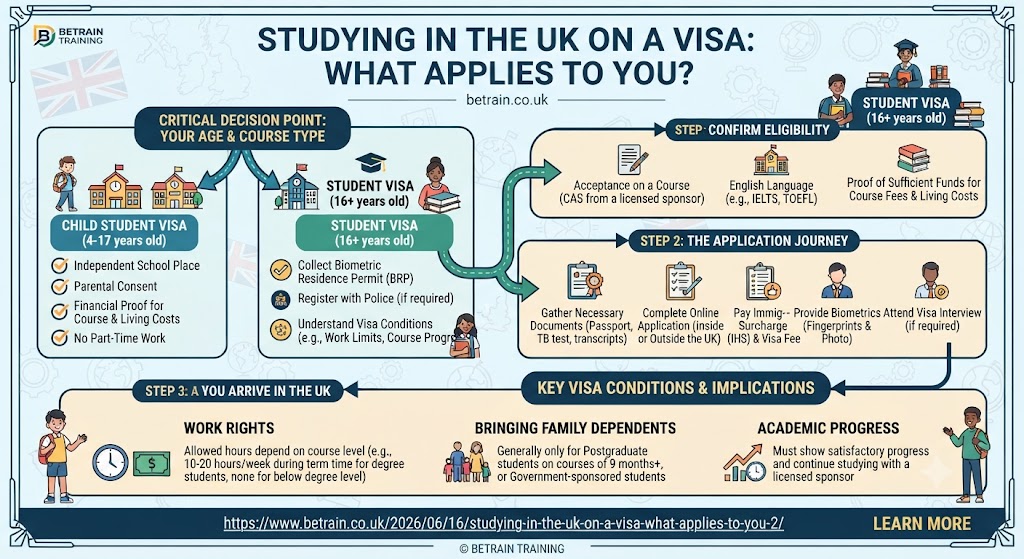
Not all study visas are the same, and work rights can vary significantly depending on your specific visa category. Before doing anything else, you should check your visa conditions, which are usually listed on your biometric residence permit (BRP), digital immigration status, or visa documentation.
Key things to look for include:
- Whether you’re permitted to work at all
- Any maximum number of hours you’re allowed to work per week during term time
- Whether restrictions differ during official holiday periods
- Any specific restrictions on the type of work you’re allowed to do
If you’re ever unsure, the safest option is to check directly with your university’s international student support team or refer to official UK government guidance, rather than relying on assumptions or informal advice.
Common Working Hour Restrictions for Student Visas
While rules can vary and are subject to change, many student visa holders are restricted to a set number of working hours per week during term time, often around 20 hours, with fewer or no restrictions during official holiday periods. This means:
- You may be able to work more hours during university holidays
- During term time, your total working hours across all jobs, including security work, usually need to stay within your visa’s limit
- Exceeding your permitted hours, even accidentally, can be considered a breach of your visa conditions
Because door supervisor shifts are often longer, especially on weekends or during events, it’s important to plan your schedule carefully to stay within your allowed hours.
Does Door Supervisor Work Count as Normal Employment?
Yes, security work is treated the same as other forms of paid employment under visa conditions. There’s no special exemption for this type of work, so the same hourly restrictions and visa conditions that apply to other part-time jobs apply equally to door supervisor roles.
Steps to Take Before Booking a Course
If you’re an international student considering a door supervisor course in London, here’s a sensible order of steps to follow:
1. Confirm Your Visa’s Work Rights
Check your specific visa documentation or speak to your university’s international office to confirm exactly what you’re permitted to do.
2. Understand Your Weekly Hour Allowance
Work out how many hours you’re realistically allowed to work per week during term time, and consider how this might fit around potential security shifts.
3. Check Right-to-Work Documentation Requirements
You’ll need to provide proof of your right to work in the UK as part of both your course enrolment and later SIA licence application. Make sure you have the correct documents ready, such as your BRP or relevant visa confirmation.
4. Speak to Your University If Unsure
Most universities have dedicated international student support teams who can clarify visa-related questions specific to your situation, helping you avoid unintentional breaches of your visa conditions.
What Happens If You Work More Than Your Visa Allows?
Breaching your visa’s working hour restrictions, even unintentionally, can have serious consequences, potentially affecting your current visa status and future immigration applications. Because of this, it’s essential to be cautious and confirm your specific limits before taking on additional part-time work, including security shifts.
If you’re ever uncertain about your allowance, it’s far better to double-check in advance than risk a breach based on assumptions.
Balancing Coursework, Study, and Work Hours
If your visa does permit part-time work, balancing your door supervisor course in London and subsequent shifts alongside your studies requires some careful planning:
- Track your hours carefully. Keep a simple record of your work hours each week to ensure you’re staying within your visa’s limits.
- Communicate with employers. Let security companies or venues know about your visa restrictions upfront, so shifts can be planned around your allowed hours.
- Prioritise your studies. Since your visa is tied to your education, make sure your coursework and academic responsibilities remain your main priority.
- Plan around holidays. If your visa allows more hours during official university holidays, this can be a good time to take on additional shifts if needed.
Right to Work Documentation for Training and Licensing
Alongside your course enrolment, you’ll also need to provide right-to-work documentation when applying for your SIA licence. This typically includes:
- Your passport
- Your biometric residence permit (BRP), if applicable
- Any relevant visa confirmation or digital immigration status
Since these documents are required at multiple stages, from course enrolment to your eventual SIA licence application, it’s worth keeping them organised and easily accessible throughout the process.
What If Your Visa Doesn’t Allow Work?
If your specific visa category doesn’t permit any work, or restricts you significantly, it’s important to respect these conditions, even if you’re eager to start a new career path. Working outside your visa conditions can create serious problems for your current and future immigration status.
If this applies to you, it may be worth considering a door supervisor course in London as something to plan for after your studies, once your visa situation changes, such as transitioning to a graduate visa or another visa category that permits full-time work.
Transitioning After Your Studies
Many international students complete their studies and later transition to different visa categories, such as a graduate visa, which may offer different work rights. If you’re planning to build a longer-term career in security after finishing your studies, this could be a good time to seriously pursue a door supervisor course in London, once your work rights are less restricted.
It’s worth researching your visa pathway options early, so you can plan the right time to pursue security training based on your individual circumstances.
Common Questions From International Students
Can I definitely work as a door supervisor while studying on a student visa?
This depends entirely on your specific visa conditions. Always check your individual work rights before assuming this is possible.
Does the SIA licence application differ for visa holders?
The core process is similar, but you’ll need to provide appropriate visa or right-to-work documentation as part of your application.
Will door supervisor shifts count towards my visa’s work hour limit?
Yes, security work is treated the same as any other paid employment under your visa conditions.
What if my visa situation changes while I’m mid-course?
If your circumstances change, it’s best to contact your training provider and check updated guidance to understand how this might affect your situation.
Where can I get reliable information about my specific visa rights?
Your university’s international student support office and official UK government guidance are the most reliable sources for confirming your individual work rights.
Final Thoughts
For international students in the UK, a door supervisor course in London can be an appealing option, offering flexible hours and decent pay alongside studies. However, visa conditions vary significantly between individuals, so it’s essential to confirm your specific work rights before committing to training. By checking your visa documentation carefully, speaking to your university’s support services if needed, and staying within your permitted working hours, you can make an informed decision about whether now is the right time to pursue security training, or whether it’s better suited to a later stage in your UK journey