Understanding the DBS Check Process
If you’re planning to start a door supervisor course in London, you’ll likely come across the term “DBS check” at some point during your application process. For many people, this is one of the more confusing parts of becoming a licensed door supervisor, especially if you’ve never gone through a background check before. This guide breaks down exactly what a DBS check is, how it fits into the SIA licensing process, and what you can expect along the way.
What Is a DBS Check?
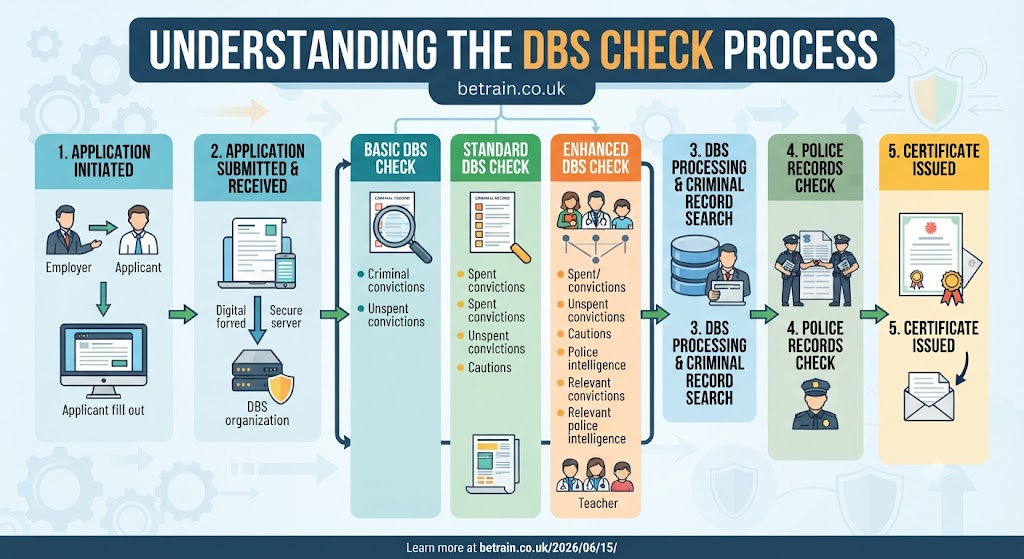
DBS stands for Disclosure and Barring Service. It’s the official UK body responsible for carrying out criminal record checks, helping employers and licensing bodies make safer decisions about who they allow to work in certain roles, particularly those involving public trust or vulnerable people.
For door supervisors, checking your criminal record history is an important part of the process, since the role involves public safety, managing conflict, and sometimes working closely with vulnerable individuals in nightlife or event settings.
How Does the DBS Check Fit Into the SIA Licensing Process?
It’s worth clarifying an important point early on: when you apply for your SIA licence after completing a door supervisor course in London, the SIA doesn’t use a standard DBS check in exactly the same way employers might for other jobs. Instead, the SIA carries out its own criminal record vetting as part of your licence application, drawing on similar background check systems used across the UK, including police national computer records.
While people often refer to this process informally as a “DBS check,” the SIA’s vetting is built into their own licensing procedure rather than being a separate DBS application you need to arrange yourself. Understanding this distinction helps avoid confusion when you reach this stage of the process.
Why This Check Matters
The vetting process exists to protect the public and maintain trust in the security industry. Door supervisors often work in situations involving:
- Managing entry to venues
- Handling conflict and difficult behaviour
- Working closely with the public, often late at night
- Being placed in positions of authority and responsibility
Because of this, the SIA needs assurance that licence holders don’t have a history that would make them unsuitable for this kind of responsibility.
What Happens During the Application
Once you’ve completed your door supervisor course in London and received your certificate, you’ll move on to applying for your SIA licence. As part of this process, you’ll need to:
- Complete the online SIA licence application
- Provide proof of identity and right to work in the UK
- Consent to a criminal record check as part of the vetting process
- Pay the licence application fee
The SIA then carries out its background check using the information you’ve provided, cross-referencing it against relevant criminal record databases.
What Kind of Information Is Checked?
The vetting process looks at your criminal record history, including convictions, cautions, and certain other relevant records. The SIA takes a structured approach, weighing up factors such as:
- The type of offence
- How long ago it occurred
- The relevance of the offence to security work
- Whether there’s a pattern of repeated offences
It’s important to understand that not all criminal records automatically disqualify someone from becoming a licensed door supervisor. The SIA considers each application individually, rather than applying a blanket rule to every type of offence.
Will a Criminal Record Automatically Stop My Application?
Not necessarily. Many people assume that any criminal record means an automatic rejection, but this isn’t always true. The SIA assesses each case based on their specific criteria, considering the nature and timing of any offences.
That said, certain serious offences, particularly those involving violence, dishonesty, or offences that raise serious concerns about public safety, are more likely to affect your eligibility. If you’re unsure how your specific background might be viewed, it’s worth checking the SIA’s official guidance directly before investing time and money into a door supervisor course in London, so you have realistic expectations from the outset.
How Long Does the Check Take?
Processing times can vary, but the overall SIA licence application, including the background vetting process, generally takes a few weeks from submission to approval. Factors that can affect processing time include:
- How complete and accurate your application is
- Whether additional information or clarification is needed
- Current application volumes being processed by the SIA
To avoid unnecessary delays, make sure all your documents and details are accurate and complete before submitting your application.
Preparing for the Check
While you can’t control the outcome of the vetting process itself, there are a few things you can do to make sure the process goes as smoothly as possible:
Be Honest on Your Application
Always provide accurate, truthful information. Attempting to hide or misrepresent your history can lead to complications or even automatic rejection, regardless of whether the original offence would have affected your eligibility.
Gather Supporting Documents Early
Have your proof of identity, address, and right to work documents ready in advance, as outlined in earlier stages of the application process, so there’s nothing holding up your submission.
Understand Your Own Record
If you’re unsure exactly what’s on your criminal record, you can request this information in advance through official channels, which can help you understand how your application might be assessed before you apply.
Be Patient
Since the process involves official checks against national databases, it naturally takes time. Avoid submitting multiple applications or contacting the SIA excessively, as this won’t speed up the process and may create confusion.
What If My Application Is Refused?
If your SIA licence application is refused following the vetting process, you will usually be informed of the reason. Depending on the circumstances, there may be an appeals process available, though this depends on the specific situation and the nature of the refusal.
If you’re concerned about how your background might affect your application before you even start a door supervisor course in London, it’s worth seeking clarification from the SIA directly, rather than assuming the worst or, alternatively, assuming everything will be fine without checking.
Does Every Security Role Require This Check?
Yes, this type of background vetting applies broadly across SIA-licensed roles, not just door supervisors. Whether you’re working towards a door supervisor licence, CCTV operator licence, or close protection licence, the same general principle of background checking applies, since all these roles involve varying degrees of public trust and responsibility.
How This Affects Your Timeline
Understanding the vetting process helps you plan realistically. Here’s a general overview of how it fits into your overall journey:
- Complete your door supervisor course (typically 4–6 days)
- Receive your course certificate
- Submit your SIA licence application, including consent for background vetting
- Wait for processing, generally a few weeks
- Receive your licence, allowing you to legally start work
Because the vetting stage is one of the longer parts of this process, it’s worth applying as soon as possible after finishing your course, rather than delaying, especially if you’re hoping to start working quickly.
Common Questions About the Vetting Process
Do I need to arrange a separate DBS check myself?
No. The SIA carries out its own background vetting as part of the licence application process, so you don’t need to apply for a standalone DBS check separately.
How far back does the check go?
The check considers your criminal record history broadly, though how different offences are weighed depends on their nature, timing, and relevance to security work.
Can spent convictions affect my application?
This depends on the type of offence and specific circumstances. It’s best to check official SIA guidance directly if you have concerns about a specific spent conviction.
Will minor offences from many years ago affect my application?
Not necessarily. The SIA considers the full context of each application rather than applying a strict blanket rule, though it’s impossible to guarantee an outcome without a formal application.
Can I check my eligibility before paying for a course?
While the SIA doesn’t typically offer pre-checks before a formal application, if you have serious concerns about your background, it may be worth researching official guidance or seeking advice before committing financially to training.
Final Thoughts
The background vetting process is a standard, necessary part of becoming a licensed door supervisor, designed to maintain public trust and safety within the security industry. While it can feel like an unfamiliar or slightly daunting step, understanding how it works, and being honest and prepared throughout your application, makes the process far more straightforward. Once you’ve completed a door supervisor course in London and successfully passed through the SIA’s vetting process, you’ll be fully licensed and ready to begin a genuine, long-term career in one of London’s most consistently in-demand industries.