
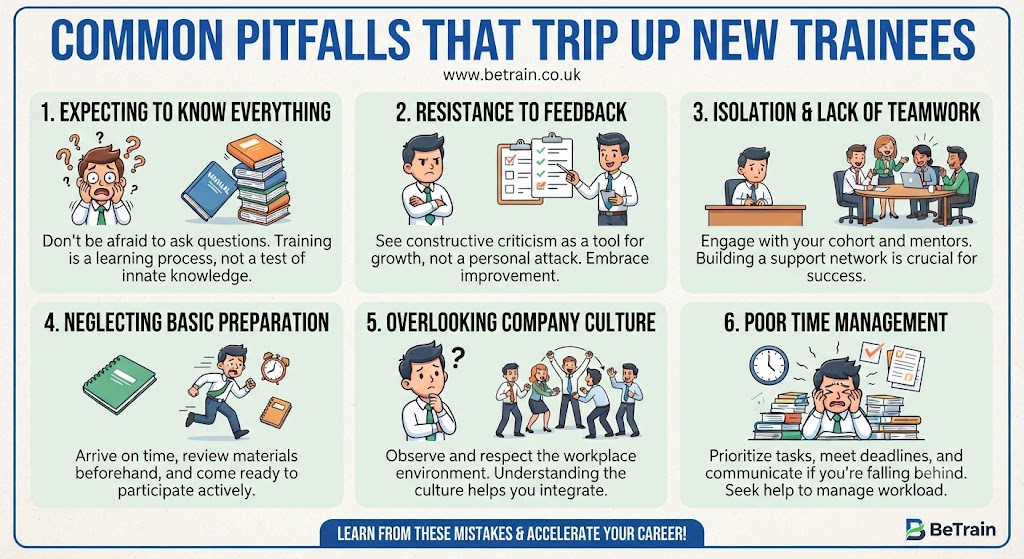
Common Pitfalls That Trip Up New Trainees
Starting your journey into the UK private security industry is an exciting step. Whether you are working towards becoming a Door Supervisor, Security Officer, or another licensed professional, your training course is the foundation of your future career. While most learners successfully complete their training, many new trainees make avoidable mistakes that can slow their progress or affect their confidence.
The good news is that these pitfalls are usually easy to avoid once you know what to look out for. By preparing well, staying organised, and taking your training seriously, you can enjoy a smoother learning experience and improve your chances of passing your course and obtaining your Security Industry Authority (SIA) licence.
This guide highlights the most common mistakes new trainees make and offers practical advice to help you avoid them.
1. Waiting Too Long to Book a Course
Some people delay enrolling because they are unsure if a career in security is right for them. Others keep waiting for the “perfect time.”
Delaying your training may mean:
- Missing available course dates
- Waiting longer to start your new career
- Delaying your earning potential
- Losing motivation
If you have decided that security is the right career for you, booking your course early allows you to plan ahead.
2. Choosing a Training Provider Based Only on Price
Everyone wants good value for money, but choosing the cheapest course is not always the best decision.
Instead, look for a provider that offers:
- Qualified instructors
- Recognised training
- Positive student reviews
- Good customer support
- Clear course information
- Flexible training dates
A quality learning experience is often worth far more than saving a small amount of money.
3. Missing Training Sessions
Every lesson covers important knowledge that may appear in your assessment or be useful in your future job.
Missing classes can leave gaps in your understanding and make revision more difficult.
Attend every session whenever possible and arrive on time.
4. Not Asking Questions
Some learners worry about asking questions because they do not want to appear inexperienced.
In reality, trainers expect students to ask questions.
If something is unclear:
- Speak to your instructor.
- Ask during class discussions.
- Request additional explanation.
Clarifying topics early helps build confidence.
5. Leaving Revision Until the Last Minute
Trying to study everything the night before your assessment can increase stress and reduce confidence.
A better approach is to:
- Revise a little each day.
- Read your course materials regularly.
- Practise sample questions.
- Review difficult topics more than once.
Regular revision is usually more effective than last-minute cramming.
6. Focusing Only on Passing the Exam
Passing your assessment is important, but your main goal should be learning the skills needed for real security work.
The knowledge you gain during training will help you:
- Protect the public
- Communicate professionally
- Handle incidents
- Work safely
- Build a successful career
Understanding the material is more valuable than simply memorising answers.
7. Ignoring Professional Behaviour
Your training course is also an opportunity to develop professional habits.
Good habits include:
- Arriving on time
- Dressing appropriately
- Treating others with respect
- Participating in activities
- Listening carefully
Professional behaviour creates a positive impression.
8. Underestimating Communication Skills
Many people believe security work is mainly about physical presence.
In reality, communication is one of the most important skills you will develop.
Good communication helps you:
- Resolve conflict
- Assist customers
- Work with colleagues
- Report incidents
- Build trust
Strong communication often prevents situations from becoming more serious.
9. Forgetting Required Documents
Arriving without the correct identification or requested paperwork can delay your training or assessment.
Before attending, check that you have:
- Valid photo identification
- Any required documents
- Course confirmation details
Prepare everything the day before your course.
10. Arriving Late
Being late creates unnecessary stress and may cause you to miss important information.
Plan your journey in advance and allow extra time for unexpected delays.
Arriving early helps you settle in and start the day with confidence.
11. Comparing Yourself with Other Learners
Everyone learns at a different pace.
Some students understand new topics quickly, while others need more time.
Avoid comparing yourself with classmates.
Instead:
- Focus on your own progress.
- Ask for help when needed.
- Celebrate small improvements.
Learning is a personal journey.
12. Being Afraid of Practical Activities
Some learners feel nervous about practical exercises, especially physical intervention training.
Remember that:
- Qualified instructors guide every activity.
- Safety is always a priority.
- You are encouraged to learn gradually.
- Mistakes are part of the learning process.
Participating actively helps build confidence.
13. Not Taking Notes
Even if course materials are provided, making your own notes can improve learning.
Write down:
- Important definitions
- Key procedures
- Trainer tips
- Revision reminders
Personal notes make revision easier later.
14. Ignoring Health and Wellbeing
Learning is easier when you look after yourself.
Before each training day:
- Get enough sleep.
- Eat a balanced meal.
- Stay hydrated.
- Wear comfortable clothing.
Looking after your health helps improve concentration.
15. Forgetting That Learning Continues After Qualification
Your qualification is only the beginning.
Successful security professionals continue developing through:
- Workplace experience
- Refresher training
- Additional qualifications
- Leadership courses
- Specialist security training
Continuous learning supports long-term career growth.
Building Good Habits from Day One
Developing positive habits early can make your training experience much smoother.
Try to:
- Stay organised.
- Complete revision regularly.
- Participate in class.
- Treat everyone respectfully.
- Keep an open mind.
- Be willing to learn.
These habits will also benefit you once you begin working.
Common Misunderstandings
Myth 1: Security Training Is Only About Physical Skills
False.
Communication, customer service, observation, and professionalism are equally important.
Myth 2: Experienced People Do Not Need to Study
Incorrect.
Even learners with previous work experience benefit from paying close attention during training.
Myth 3: Asking Questions Shows Weakness
False.
Asking questions demonstrates a willingness to learn and improve.
Tips for Success
To make the most of your course:
- Attend every session.
- Revise regularly.
- Practise mock questions.
- Listen carefully to your instructors.
- Participate in practical exercises.
- Stay positive.
- Believe in your ability to succeed.
Small, consistent efforts produce excellent results.
Frequently Asked Questions
Is it normal to feel nervous before starting?
Yes. Many learners feel nervous at first, especially if they are changing careers or returning to education after several years.
What if I struggle with one topic?
Ask your trainer for extra support and spend more time revising that subject. Most difficulties improve with practice.
Should I study before the course begins?
Reading basic information about the security industry may help, but your course is designed to teach you everything you need to know.
Are practical exercises difficult?
Most learners complete them successfully. Qualified instructors provide guidance throughout the course.
What is the best way to prepare?
Attend every lesson, stay organised, revise regularly, and ask questions whenever you need clarification.
Final Thoughts
Every new trainee makes mistakes from time to time, but most common pitfalls are easy to avoid with the right preparation and attitude. By choosing a reputable training provider, attending every session, revising consistently, asking questions, and developing professional habits from the beginning, you will give yourself the best possible chance of success.
Remember that your security training is not only about passing an exam. It is about building the knowledge, confidence, and practical skills needed f or a rewarding career in the UK’s private security industry. Stay committed, keep learning, and view every challenge as an opportunity to improve. With the right mindset and preparation, you will be well on your way to becoming a capable and trusted security professional.