Evening Classes for Those Balancing Work and Study
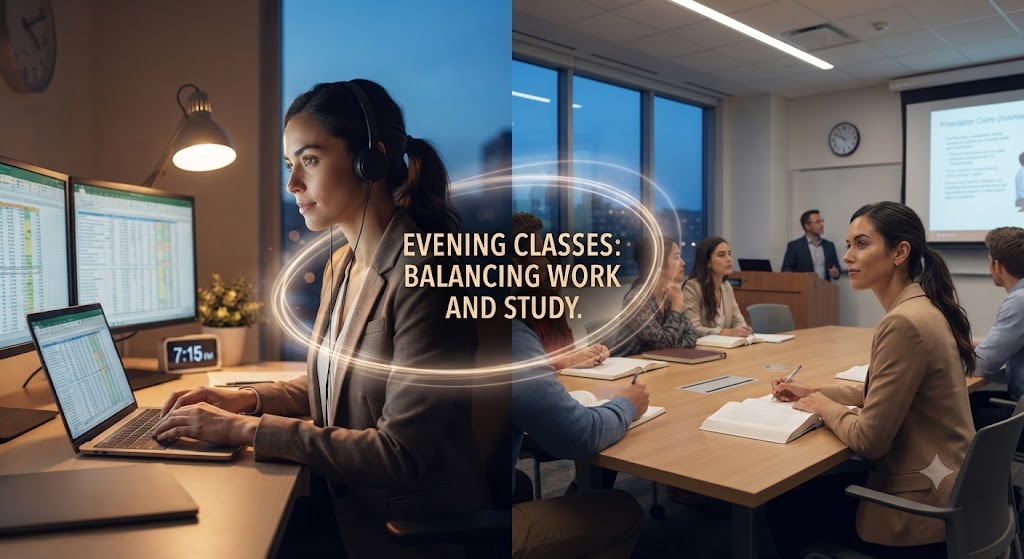
Starting a career in the UK security industry doesn’t have to mean giving up your current job. Many people who want to become Door Supervisors, Security Officers, or CCTV Operators already work full-time during the day and cannot attend weekday classes. Fortunately, many approved training providers now offer evening security classes, allowing students to gain recognised qualifications while continuing to work.
Evening training has become increasingly popular among working professionals, students, parents, and people changing careers. These flexible courses make it possible to learn new skills without interrupting your existing work schedule or losing income.
This guide explains how evening security classes work, their benefits, what you can expect during training, and how to choose the right provider for your needs.
Why Evening Classes Are Growing in Popularity
Not everyone has the flexibility to attend courses during normal business hours. Many adults work Monday to Friday and have responsibilities that make daytime learning difficult.
Evening classes allow learners to study after work, making professional development much more accessible.
Evening training is especially suitable for:
- Full-time employees
- Part-time workers
- Self-employed professionals
- University students
- Parents
- Career changers
- Hospitality workers
- Retail employees
Instead of choosing between work and education, evening classes allow you to manage both.
What Are Evening Security Classes?
Evening classes are scheduled after normal working hours, usually on weekdays. Rather than completing a course over consecutive daytime sessions, students attend classes in the evenings over a longer period.
Depending on the training provider, classes may take place:
- Monday to Thursday evenings
- Two or three evenings each week
- Several evenings over multiple weeks
- Alongside online learning as part of a blended course
This flexible timetable allows students to continue working during the day while progressing towards their qualification.
Which Security Courses Are Available in the Evening?
Many training providers offer evening options for popular security qualifications.
These may include:
- Door Supervisor Course
- Security Guard Course
- CCTV Operator Course
- Door Supervisor Top-Up Training
- Emergency First Aid at Work
- CCTV Top-Up Courses
- Customer Service Training
Course availability depends on the training provider and location, so it is worth booking early to secure a place.
Can You Apply for an SIA Licence After Evening Classes?
Yes.
The qualification earned through evening classes is the same as one completed during the day or at weekends.
As long as you successfully complete an approved course and meet the Security Industry Authority (SIA) licensing requirements, you can apply for your SIA licence.
Employers generally focus on your qualifications and professionalism rather than the time of day you attended training.
Benefits of Evening Classes
Continue Working Full-Time
One of the biggest advantages is that you do not have to leave your current job.
You can continue earning your regular income while preparing for a new career in security.
Flexible Learning
Evening classes are designed to fit around daytime commitments.
This makes them ideal for people balancing:
- Employment
- Family responsibilities
- Education
- Personal commitments
- Other part-time work
Lower Financial Pressure
Because you can continue working while studying, there is less financial pressure compared with taking unpaid leave to attend daytime courses.
Gradual Career Change
Many students complete their qualification first before applying for security jobs.
This allows them to transition into the industry when the right opportunity becomes available.
What Will You Learn?
The course content is the same regardless of when classes are held.
Topics usually include:
- Working in the private security industry
- Health and safety
- Customer service
- Conflict management
- Physical intervention
- Emergency procedures
- Communication skills
- Professional responsibilities
- Incident reporting
- Legal requirements
Practical exercises and assessments are completed according to current qualification requirements.
How Long Do Evening Courses Take?
Because classes are spread over several evenings, evening courses often take longer to complete than intensive daytime programmes.
However, many students find this schedule easier because they have more time to review the material between lessons.
Always check the timetable before booking so you understand the course duration and attendance requirements.
Is Evening Learning Right for You?
Evening training may be the right choice if you:
- Work during the day.
- Cannot take annual leave.
- Prefer shorter learning sessions.
- Learn better over a longer period.
- Need a flexible study schedule.
- Want to change careers gradually.
If you prefer intensive learning, weekend or full-time courses may be more suitable.
Tips for Balancing Work and Study
Studying after a full day at work requires good organisation.
Helpful tips include:
- Plan your weekly schedule.
- Prepare meals in advance.
- Get enough sleep.
- Arrive at class on time.
- Review your notes after each lesson.
- Avoid leaving revision until the last minute.
Consistency is often the key to success.
Choosing the Right Training Provider
Not all providers offer the same level of quality.
Before booking, compare:
- Accreditation
- Trainer experience
- Student reviews
- Evening course availability
- Class sizes
- Learning facilities
- Pass rates
- Student support
- Overall course value
A reputable provider can make your learning experience much more enjoyable.
The Importance of Practical Learning
Evening classes are not limited to classroom theory.
Students also participate in practical learning where required.
This may include:
- Conflict management exercises
- Communication activities
- Physical intervention training
- Teamwork exercises
- Emergency response scenarios
These practical sessions help prepare students for real workplace situations.
Networking Opportunities
Evening classes provide an opportunity to meet other people entering the security industry.
Your classmates may include:
- Retail workers
- Office employees
- Hospitality professionals
- Former military personnel
- University students
- Career changers
Building professional relationships during training can be valuable when searching for future job opportunities.
After Completing the Course
Once you have successfully completed your qualification and received your SIA licence, you can begin applying for security positions such as:
- Door Supervisor
- Security Officer
- CCTV Operator
- Corporate Security Officer
- Retail Security Officer
- Event Security Officer
- Concierge Security Officer
Many students continue working in their existing jobs until they receive a suitable security offer.
Common Mistakes to Avoid
Students attending evening classes sometimes make avoidable mistakes.
These include:
- Missing sessions because of poor planning.
- Arriving late after work.
- Forgetting required documents.
- Not completing revision between classes.
- Choosing a provider based only on the lowest price.
- Ignoring practical exercises.
Planning ahead helps avoid these problems.
Tips for Success
To get the most from your evening course:
- Attend every lesson.
- Ask questions whenever necessary.
- Complete all assignments.
- Revise regularly.
- Stay organised.
- Practise communication skills.
- Participate fully in practical sessions.
Small, consistent efforts usually lead to better learning outcomes.
Career Opportunities After Qualification
Once licensed, a wide range of opportunities become available across the UK.
Security professionals work in:
- Shopping centres
- Corporate offices
- Hospitals
- Hotels
- Construction sites
- Airports
- Universities
- Entertainment venues
- Residential developments
- Event locations
Many professionals who begin with entry-level roles later progress into supervisory and management positions.
Final Thoughts
Evening security classes provide an excellent solution for people who want to build a new career without leaving their current employment. They offer flexibility, convenience, and the opportunity to gain recognised qualifications while maintaining your regular income and meeting family or personal commitments.
Whether you are changing careers, improving your skills, or preparing for your first role in the private security industry, evening training allows you to achieve your goals at a pace that fits your lifestyle. By choosing a trusted training provider, staying organised, and committing to your studies, you can successfully earn your qualification, apply for your SIA licence, and take the first step towards a rewarding career in security.