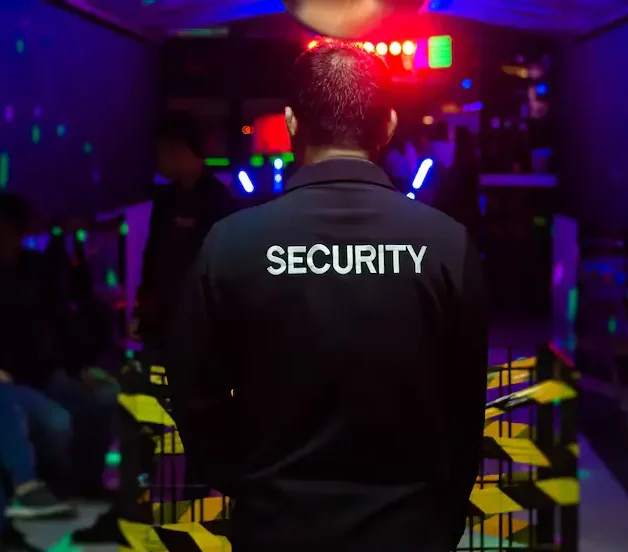
The UK’s private security industry covers a wide range of responsibilities, from protecting commercial buildings and controlling access at entertainment venues to monitoring CCTV systems and providing close protection. Because these duties can be very different, the Security Industry Authority (SIA) uses separate licence categories for regulated security activities.
For anyone considering a career in private security, understanding the difference between these licences is an important first step. Choosing training based on a job title alone can lead to confusion because similar-looking security jobs may involve completely different legal responsibilities.
London is one of the UK’s largest security employment markets, with opportunities across hospitality, retail, construction, corporate premises, events, residential properties and specialist security services. Before starting training, prospective security professionals should understand what each licence covers and how the different categories relate to one another.
What Is an SIA Licence?
The Security Industry Authority regulates individuals and businesses operating within specific areas of the private security industry. An SIA licence is required for certain front-line security activities, although not every job described as “security work” automatically requires one.
The licence required depends primarily on the duties being carried out.
For example, someone employed to monitor a commercial building may require a Security Guard licence, while a person controlling entry and managing security at a licensed venue may require a Door Supervisor licence. A CCTV operator performing licensable public space surveillance duties falls under another category.
This distinction is important because an employer cannot simply choose whichever licence appears closest to the job title. The actual duties determine which licence is appropriate.
Applicants for front-line SIA licences generally need to complete the relevant licence-linked qualification before applying. They must also meet other requirements, including being at least 18 years old and passing the SIA’s identity and criminality checks.
Main SIA Licence Categories
The SIA regulates several different areas of private security. The main categories that prospective security professionals may encounter include:
- Door Supervision
- Security Guarding
- Close Protection
- Public Space Surveillance (CCTV)
- Cash and Valuables in Transit
- Key Holding
Each category has a particular purpose, and some licences provide broader coverage than others.
Understanding those differences can help individuals choose training that matches their intended career path.
Door Supervisor Licence
The Door Supervisor licence is commonly associated with pubs, clubs, bars and other licensed entertainment venues. However, the responsibilities of a door supervisor extend beyond simply standing at an entrance.
Door supervisors can be responsible for controlling access, checking whether individuals are permitted to enter, monitoring behaviour, dealing with incidents and helping maintain a safe environment.
The role involves significant interaction with members of the public. Depending on the workplace, security staff may encounter people who are intoxicated, aggressive, distressed or attempting to enter without permission.
As a result, professional communication and conflict-management skills are particularly important.
Door supervisors must understand how to deal with situations proportionately and within the law. Physical intervention is not simply a matter of using force whenever a person refuses to cooperate. Security personnel must understand their legal responsibilities, the limits of their authority and the importance of preventing unnecessary escalation.
The qualification route for those interested in working in this area is therefore broader than learning basic access-control procedures.
People researching a Door Supervisor Course London should consider the types of environments in which door supervisors commonly work and whether the responsibilities match their career goals.
One significant advantage of this licence is its relationship with security guarding. A Door Supervisor licence can cover security guarding activities, whereas a Security Guard licence does not automatically cover door supervision.
Security Guard Licence
Security guarding is another major area of private security.
Security guards commonly protect premises, property and people. Their workplaces can include offices, warehouses, construction sites, retail premises, industrial facilities and commercial buildings.
Typical duties can involve:
- Monitoring entrances and exits
- Controlling access
- Conducting patrols
- Protecting property
- Monitoring suspicious activity
- Recording incidents
- Responding to security concerns
- Following site-specific procedures
The environment can be considerably different from door supervision.
A security guard working at a construction site, for example, may spend much of a shift checking the perimeter and preventing unauthorised access. A guard at a commercial building may focus on visitor access and monitoring the premises.
The role still requires strong communication and observation skills, but interaction with large crowds may be less common than in licensed entertainment environments.
An important point for new entrants is that a standard Security Guard licence does not provide permission to perform door supervision duties. Anyone intending to work in a role that requires door supervision must hold the appropriate licence.
Close Protection Licence
Close protection is a specialist area of private security focused on protecting individuals from physical harm resulting from unlawful conduct.
Close protection operatives, sometimes known as bodyguards, can work with clients who require personal security because of their profession, public profile, business activities or specific security concerns.
The work may involve planning journeys, assessing risks, maintaining awareness of surroundings, coordinating movements and responding to changing circumstances.
Unlike traditional guarding, where the main focus may be a building or site, close protection is centred on the safety of an individual or group.
Close protection can require a high level of planning and teamwork. Operatives may need to consider potential risks before a client arrives at a location rather than simply reacting when an incident occurs.
The licence is a separate category from door supervision and security guarding. However, the SIA’s licensing framework allows certain higher-level licences to cover additional activities.
Individuals interested in close protection should therefore research the current qualification and licensing requirements carefully before enrolling on a course.
Public Space Surveillance CCTV Licence
Not all security professionals work directly with people at entrances or patrol physical locations.
CCTV operators can provide an important security function by monitoring cameras and identifying incidents or suspicious behaviour.
The Public Space Surveillance (CCTV) licence applies to specific activities involving the use of CCTV to monitor members of the public or identify particular individuals, as well as certain activities intended to guard against disorder or assaults.
CCTV security requires a different combination of skills from physical guarding.
Operators need concentration, attention to detail and the ability to observe activity over extended periods. They may need to identify unusual behaviour, follow incidents across multiple cameras and communicate relevant information to colleagues or other agencies.
Accurate recording and reporting can also be important because CCTV footage may later become relevant to an investigation.
For someone who prefers technology, observation and control-room work, CCTV may therefore be more suitable than a public-facing security position.
Cash and Valuables in Transit
Cash and Valuables in Transit is a specialist security category involving the secure movement of money or valuable items.
Workers in this field can be responsible for protecting valuable assets while they are transported between locations. The role can involve strict procedures, secure vehicles, teamwork and carefully controlled handling processes.
Because the risks associated with transporting valuables differ from those faced by a security guard at a fixed premises, the activity has its own licensing category.
People considering this career path should understand that the working environment and responsibilities are highly specialised.
Attention to procedures is particularly important. Security operations involving valuable goods depend heavily on consistency, communication and adherence to established protocols.
Key Holding
Key holding is another regulated activity, although it differs from the front-line guarding roles discussed above.
A key holder may be responsible for holding keys for a client’s premises and responding when an alarm activation or other specified event occurs.
The SIA’s rules around key holding are different from those applying to front-line guarding. There is no specific qualification requirement for a key holding licence itself, but a person may need another appropriate front-line licence if their duties extend into activities that are separately regulated.
This illustrates an important principle of SIA licensing: the activity being performed matters more than the general description of the job.
A person may initially be attending a premises because they are a key holder, but if their responsibilities develop into activities covered by another licence category, additional licensing requirements may apply.
Why One Licence Does Not Cover Everything
One of the most common misunderstandings among people entering the security industry is the assumption that an SIA licence is a general permission to perform any security job.
That is not how the licensing system works.
Each licence category relates to particular regulated activities. Holding a licence demonstrates that the individual has met the requirements for that area of work, but it does not automatically authorise every other type of private security activity.
There are, however, situations where one licence provides coverage for another activity.
The Door Supervisor licence is a good example. It also covers security guarding activities. This can make the qualification attractive to people who want flexibility between different types of security employment.
Nevertheless, individuals should always check the current SIA requirements rather than relying on assumptions about licence coverage.
Choosing Between Door Supervision and Security Guarding
For many new entrants, the decision comes down to whether they should train as a door supervisor or security guard.
Neither option is universally better. The appropriate choice depends on the type of work the individual wants to perform.
Door supervision may be suitable for someone interested in:
- Nightlife and hospitality
- Licensed premises
- Events
- Public-facing security
- Access control
- Crowd-related environments
Security guarding may appeal more to people interested in:
- Commercial buildings
- Construction sites
- Warehouses
- Offices
- Industrial premises
- Site patrols
There can be overlap between the two career paths, but the working environments and daily responsibilities can be very different.
People who want greater flexibility may also consider the broader coverage associated with the Door Supervisor licence, provided the qualification and licensing requirements are met.
Training Is More Than a Licence Requirement
Although obtaining the correct licence is essential, effective security work requires more than simply completing a qualification.
Security professionals interact with members of the public, colleagues, managers, clients and emergency services. Their behaviour can have a direct impact on safety and on the reputation of the organisation they represent.
Important professional qualities include:
Communication
Security personnel need to communicate clearly and professionally. Good communication can often prevent misunderstandings from developing into larger incidents.
Observation
Security work frequently depends on noticing unusual behaviour before it becomes a serious problem.
Professionalism
Punctuality, reliability, appropriate conduct and respect for others are important in almost every security environment.
Decision-Making
Security officers regularly have to assess situations and determine an appropriate response. They must understand their authority and work within legal and organisational boundaries.
Conflict Management
Remaining calm during difficult interactions can be more effective than responding aggressively. Security professionals should aim to reduce risk and maintain control of situations appropriately.
SIA Licensing and Legal Responsibilities
An SIA licence does not give security personnel the same powers as police officers.
This distinction is essential.
Security professionals operate within the powers available to ordinary members of the public, their contractual responsibilities and applicable legislation. They must understand the boundaries of their role and avoid presenting themselves as law-enforcement officers.
For door supervisors, this can be particularly important because the role involves regular interaction with members of the public.
A professional approach means using communication, observation and established procedures wherever possible and escalating incidents appropriately when necessary.
Keeping Your Licence and Skills Current
Obtaining a licence is not necessarily the end of a security professional’s training journey.
The SIA has introduced refresher training requirements for certain licence holders. From 1 April 2025, people renewing Door Supervisor or Security Guard licences need to complete the relevant refresher qualification and meet the associated first-aid requirements.
This reflects the importance of keeping security skills current.
Security practices, legal expectations and industry standards can change over time. Refresher training can help professionals maintain knowledge rather than relying entirely on what they learned when they first entered the industry.
Anyone approaching licence renewal should check the latest SIA guidance because requirements can be updated.
How to Decide Which Licence Is Right for You
Before choosing a course, prospective security professionals should ask several practical questions.
First, what type of environment do they want to work in?
Someone who enjoys working with the public may prefer door supervision, while someone who prefers site-based work may be more interested in security guarding.
Second, what kind of responsibilities are they comfortable with?
Some roles involve frequent public interaction, while others involve long periods of monitoring, patrols or observation.
Third, do they want to specialise or maintain broader employment options?
Understanding the relationship between different licence categories can help answer this question.
Finally, candidates should verify the current SIA requirements before paying for training. The official regulator’s guidance should always take priority over outdated information found online.
Final Thoughts
The UK’s licensed security industry contains several different career paths, each designed around particular responsibilities and risks.
Door supervision focuses heavily on access control, public interaction and maintaining safety in environments such as licensed premises and events. Security guarding generally centres on protecting buildings, property and sites. Close protection focuses on protecting individuals, while CCTV operators use surveillance technology to monitor and identify activity. Cash and valuables in transit and key holding represent additional specialist areas.
Understanding these distinctions can make it easier for new entrants to select appropriate training and pursue work that matches their interests.
For people considering a career in London’s security sector, researching the role carefully before starting training is an important step. Those interested in licensed premises, events and public-facing security can explore the requirements of a Door Supervisor Course London and compare them with the responsibilities of other SIA-regulated roles.
Most importantly, candidates should check the latest information directly with the SIA before applying for a licence or enrolling on training. Licensing requirements can change, and using current official guidance helps ensure that training and career decisions are based on accurate information rather than assumptions.