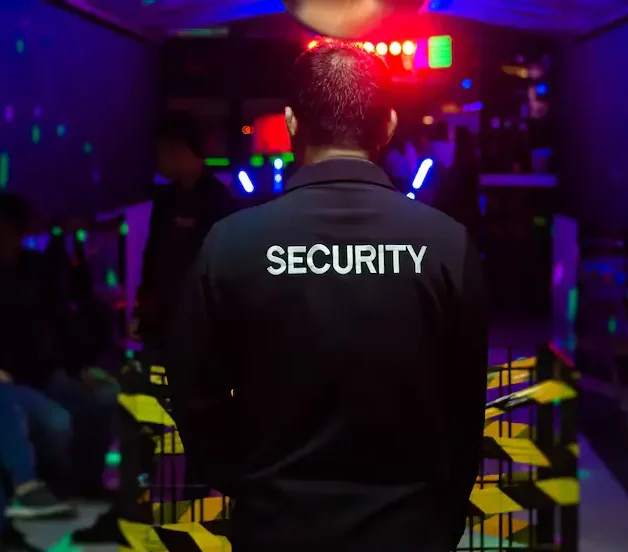
Security work in the UK is not a single profession with one standard set of responsibilities. The private security industry includes several distinct roles, each designed for a particular type of risk, environment and responsibility. Understanding these differences is important for anyone considering a career in security, as choosing the right licence and training route can affect the type of work they are legally able to undertake.
The Security Industry Authority (SIA) regulates individuals working in specific private security activities across England, Wales, Scotland and Northern Ireland. Its regulated areas include door supervision, security guarding, close protection, public space surveillance (CCTV), cash and valuables in transit, key holding and, in Northern Ireland, vehicle immobilisation.
For people exploring security careers in the capital, understanding these roles is particularly useful. London has a large and varied private security sector, covering licensed premises, offices, retail locations, events, residential properties, transport-related environments and high-profile individuals. The SIA reported that 40% of active licence holders were based in London and the South-East as of February 2026.
What Does an SIA Licence Mean?
An SIA licence is required for certain types of private security work where the activity falls within the regulated sectors. The licence system exists to establish minimum standards and ensure that people performing regulated security duties have appropriate qualifications and meet the regulator’s requirements.
Not every person working around security needs the same licence. The correct licence depends on the duties being performed rather than simply the job title used by an employer.
For example, two people may both be described informally as “security officers”, while their actual responsibilities could be very different. One might be protecting a commercial building, another could be working at the entrance to a nightclub, while a third might monitor public areas through CCTV. Their licensing requirements can therefore differ.
The SIA states that applicants for front-line licences generally need the relevant licence-linked qualification before applying. Applicants must also be at least 18 years old and complete the required identity and background checks.
Door Supervisor
Door supervision is one of the most recognisable areas of private security. Despite the name, door supervisors are not simply responsible for standing at an entrance.
The role is commonly associated with pubs, clubs, bars, licensed premises and entertainment venues. However, door supervisors can also work at events and other environments where their licensed responsibilities are required.
Typical duties can include controlling access, checking identification where appropriate, searching people or belongings when authorised, monitoring behaviour, preventing unauthorised access and responding to incidents. A major part of the job is maintaining a safe environment while dealing with members of the public professionally.
Door supervisors may encounter challenging situations involving intoxicated individuals, disagreements, overcrowding or attempts to enter without permission. Consequently, communication, observation, conflict management and appropriate decision-making are important aspects of the role.
One important distinction is that a Door Supervisor licence provides broader coverage than a standard Security Guard licence. The SIA explains that a person holding a Door Supervisor licence is also covered for security guarding activities.
This is one reason the role can appeal to people who want flexibility when looking for security work.
For individuals researching a Door Supervisor Course London, it is useful to understand that the qualification is not simply about physical intervention. Professional conduct, legal responsibilities, communication and public safety are important elements of working effectively in the sector.
Security Guarding
Security guarding is another major area of the UK’s private security industry.
Security guards generally protect premises and property against risks such as theft, damage, unauthorised access and disorderly behaviour. Their working environments can include offices, warehouses, construction sites, retail premises, commercial buildings and other private locations.
A security guard may be responsible for monitoring entrances, carrying out patrols, checking access points, observing suspicious activity, recording incidents and following site-specific security procedures.
The working environment can be very different from door supervision. A guard at a commercial site may spend much of the shift monitoring a building or conducting scheduled patrols, while a door supervisor may spend more time interacting directly with members of the public.
The SIA distinguishes the two activities because the risks and duties can vary. A Security Guard licence does not automatically provide the same scope as a Door Supervisor licence. According to SIA guidance, a Security Guard licence does not cover door supervision activities.
For someone choosing their first security qualification, the intended working environment should therefore be considered carefully.
Close Protection
Close protection is a specialised area of security focused on protecting individuals from physical assault or injury resulting from unlawful conduct.
People working in this sector are often referred to as close protection operatives or bodyguards. Their responsibilities can include risk assessment, protective planning, route planning, situational awareness, surveillance awareness and maintaining the safety of a client.
Unlike many conventional security roles, close protection is centred on an individual rather than primarily on a building or property.
The role can involve working in changing environments and adapting to the movements and requirements of the person being protected. It therefore requires strong planning, observation and communication skills.
The SIA identifies close protection as a separate licensed activity. There is also an important element of licence integration: a valid Close Protection licence can provide coverage for door supervision and security guarding activities.
However, the fact that one licence may provide broader coverage does not mean that every security role is interchangeable. The operative still needs to understand the responsibilities and conditions attached to the work they undertake.
Public Space Surveillance and CCTV
Security is not always carried out by an officer physically patrolling a site. CCTV operators can play an important role in identifying threats, monitoring activity and supporting responses to incidents.
Public Space Surveillance (CCTV) is a distinct SIA-licensed activity. The relevant duties can include using CCTV to monitor members of the public, identify particular individuals or guard against disorder and assaults.
This is different from simply watching cameras as part of a general administrative role. The licensing requirement depends on the nature of the activity being performed.
The SIA explains that a Public Space Surveillance (CCTV) licence may be required where CCTV is used under contract to monitor people or identify individuals, or to guard against disorder or assault.
CCTV work requires a different skill set from physical security. Operators need concentration, observation, accurate reporting and the ability to interpret information from multiple sources. They may also need to communicate with colleagues or emergency services when an incident develops.
Cash and Valuables in Transit
Cash and valuables in transit is another specialised part of the licensed industry.
Personnel working in this sector are responsible for protecting valuable goods or money during transportation. The work can involve secure transportation arrangements, procedures for handling valuable items and protection against theft or other threats.
Because the role involves both security and transportation, procedures can be highly structured. Staff may work as part of a team and follow strict operational protocols.
This sector is significantly different from working at a nightclub entrance or guarding an office building. It demonstrates why the UK’s security industry requires different licence categories rather than treating all security work as one occupation.
Key Holding
Key holding is another regulated activity, but it differs from many front-line security roles.
A key holder may be responsible for holding keys and responding to alarm activations or call-outs on behalf of a client. The SIA states that there are no specific training and qualification requirements for a key holding licence itself. However, if the person performs activities that fall within manned guarding, the appropriate front-line licence and qualification may be required.
This distinction is important because the responsibility can change depending on what happens during a call-out.
For example, simply responding to an alarm is different from physically guarding a property or dealing with an incident in a way that falls within another licensable activity.
Why the Differences Matter
Understanding the difference between security roles helps prospective security professionals make better decisions about training.
Someone who wants to work primarily in licensed entertainment venues may find door supervision more relevant than CCTV operations. Someone interested in commercial buildings may prefer security guarding, while another person interested in protecting individuals may want to investigate close protection.
The differences also matter to employers. Companies must ensure that personnel have the appropriate licence for the duties they perform. The government advises employers to check that security staff have the correct SIA licence before allowing them to undertake regulated private security work.
Using the wrong licence can create legal and operational problems. A job title alone should therefore never be used as the basis for deciding whether an individual has the right authorisation.
Door Supervision Compared With Security Guarding
Door supervision and security guarding are often compared because there is some overlap between the two.
Both roles involve protecting people, property or premises and may require observation, incident reporting and communication. However, the environments are often different.
Door supervisors commonly work in locations where public interaction is high. Licensed premises and entertainment venues can involve large numbers of people, alcohol consumption and rapidly changing situations.
Security guards may work in quieter environments such as offices, warehouses or construction sites. Their responsibilities may focus more heavily on access control, patrols, site monitoring and protection of property.
There can also be a career advantage in understanding the relationship between the two licences. A Door Supervisor licence provides coverage for security guarding activities, while a standard Security Guard licence does not provide coverage for door supervision.
This does not mean that one role is universally better than another. The appropriate choice depends on the type of work an individual wants to pursue.
Choosing the Right Security Training
Training should be selected according to the licence and role required.
The SIA provides guidance on licence-linked qualifications and lists the qualifications required for different front-line sectors.
Anyone considering training should first identify the type of security work they are interested in. They can then check the current SIA requirements and confirm that the training provider and qualification meet the applicable requirements.
Requirements can change, so relying on old information found on social media, forums or outdated websites can cause confusion. The SIA’s official guidance should be treated as the primary source for current licensing requirements.
For people interested in door supervision specifically, researching a suitable Door Supervisor Course London can be a useful starting point before making decisions about training and employment.
The Importance of Professional Skills
A security licence is only one part of becoming an effective security professional.
Employers may also look for communication skills, reliability, punctuality, professional appearance, situational awareness and the ability to remain calm under pressure.
Security personnel frequently become the first point of contact between an organisation and the public. The way they communicate can influence how visitors, customers and clients perceive the organisation.
Good security is therefore not simply about responding when something goes wrong. Prevention, observation and professional communication can often reduce the likelihood of incidents developing in the first place.
Licensing and Refresher Training
Security professionals also need to pay attention to changing licensing requirements after entering the industry.
For example, the SIA introduced refresher qualification requirements for door supervisors and security guards from 1 April 2025. The regulator states that people renewing these licences must complete the relevant refresher qualification and have an appropriate Emergency First Aid at Work qualification or equivalent before taking the refresher training.
This highlights the importance of keeping qualifications current rather than treating training as a one-time requirement.
The SIA’s licensing guidance is updated periodically, so anyone planning to apply for or renew a licence should check the latest official information before taking action.
Security Careers in London’s Diverse Environment
London offers a particularly broad range of security environments. Commercial buildings, hospitality venues, retail locations, events, construction projects and private residences can all require different approaches to security.
The scale of the capital’s security sector is reflected in SIA licensing figures. In February 2026, the SIA recorded more than 368,000 active Door Supervision licences, compared with more than 56,000 Security Guarding licences, more than 65,000 Public Space Surveillance (CCTV) licences and more than 11,000 Close Protection licences.
These figures should not be interpreted as a guarantee of employment, but they demonstrate the size and variety of the regulated security industry.
For someone entering the sector, the best approach is to consider the type of environment they want to work in, the responsibilities they are comfortable with and the licence that matches those responsibilities.
Conclusion
The UK’s licensed security industry contains several distinct career paths, and each has its own responsibilities.
Door supervisors focus heavily on access control, public safety and security within environments such as licensed premises and events. Security guards generally protect buildings and property. Close protection operatives focus on safeguarding individuals, while CCTV operators use surveillance systems to monitor people and situations. Cash and valuables in transit involves specialised protection during transportation, while key holding covers specific responsibilities associated with keys and alarm response.
These roles can overlap in certain circumstances, but the licensing system exists because different security activities require different skills, responsibilities and legal coverage.
For anyone considering a career in London, understanding these distinctions before choosing training can make the process clearer. Rather than selecting a course based only on a job title, prospective security professionals should consider the type of work they want to perform and then check the latest SIA requirements for that role.
Ultimately, professional security is about much more than physical presence. Effective security personnel combine training, awareness, communication, judgement and knowledge of their responsibilities to help protect people, property and public spaces.