Starting a career in private security can seem challenging if you have never worked in the industry before. Many people assume that security companies only employ applicants who already have experience, but this is not necessarily the case. The UK’s private security industry has structured training and licensing requirements that allow newcomers to work towards a professional security role without having previously worked as a security officer.
For people considering a Door Supervisor Course London, one of the most common questions is whether previous security experience is required before beginning training. The short answer is that prior security employment is generally not a prerequisite for taking the required training. However, there are eligibility conditions, training requirements and practical considerations that anyone entering the industry should understand.
This article explains how newcomers can approach a career in security, what training involves, what employers may look for and how previous experience from other industries can still be useful.
Understanding the Role of a Door Supervisor
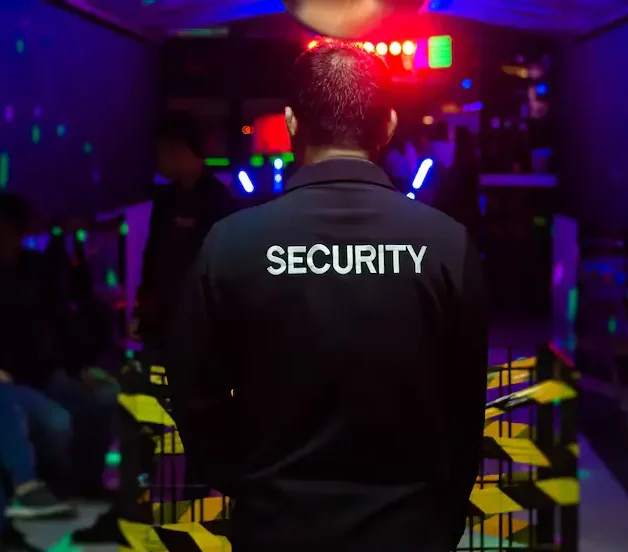
A door supervisor is a licensed security professional who commonly works at licensed premises and entertainment venues. The role can involve controlling access, monitoring behaviour, dealing with incidents, assisting with the safe management of customers and helping maintain a secure environment.
The job is often associated with nightclubs, pubs and bars, but door supervisors can also work at events and other locations where licensed security duties are required.
The responsibilities can vary considerably depending on the employer and venue. A busy nightclub in central London may present very different challenges from a private event or smaller licensed venue.
Because door supervisors interact directly with members of the public, the role requires more than physical strength. Communication, observation, conflict management, professionalism and sound judgement can all be important.
Is Previous Security Experience Required?
People do not generally need to have worked as a security guard or door supervisor before completing the training required for an SIA Door Supervisor licence.
The Security Industry Authority (SIA) requires applicants for front-line licences to meet its eligibility requirements and, where applicable, obtain the relevant licence-linked qualification. The SIA’s official guidance explains that applicants normally need to complete the appropriate training before applying for a front-line licence.
This means the training route is designed to provide people with the knowledge and skills needed to enter the regulated security industry.
Someone coming from retail, hospitality, customer service, construction, administration or another profession may therefore be able to begin a security career without having previously held a security position.
However, completing training does not automatically guarantee employment. A licence allows an individual to undertake regulated work where the relevant requirements are met, while employers still make their own recruitment decisions.
What Are the Basic Requirements?
Before thinking about previous experience, prospective applicants should understand the basic SIA licensing requirements.
Applicants for front-line SIA licences must generally be at least 18 years old. The SIA also carries out identity checks and criminal record checks as part of its licensing process.
Applicants must also meet the SIA’s right-to-work and identity requirements and demonstrate that they are suitable to hold a licence.
The exact requirements can change, so anyone planning to enter the industry should consult the latest information published by the SIA rather than relying on old advice from training advertisements or social media.
The SIA’s official guidance is the most appropriate source for checking current licensing requirements.
Training Comes Before Experience
One of the most important points for newcomers is that training is intended to provide the foundation needed to enter the profession.
A recognised licence-linked qualification introduces learners to areas relevant to security work. Depending on the qualification, this can include subjects such as the role and responsibilities of a security professional, communication, conflict management, physical intervention and emergency procedures.
The purpose is not simply to teach someone how to deal with difficult situations. Professional security work involves understanding legal responsibilities, recognising risks and responding appropriately.
For a newcomer, this structured approach can make the transition into the industry easier because they are not expected to learn everything solely through previous employment.
What Is Taught on Door Supervisor Training?
The exact structure of training can depend on the current SIA requirements and the qualification being undertaken. However, learners can expect training to cover several areas relevant to the responsibilities of a door supervisor.
Roles and Responsibilities
Learners need to understand what a door supervisor is legally and professionally expected to do.
This includes understanding the limits of their authority and recognising that working in security does not give someone unlimited powers.
Understanding responsibilities can help prevent unnecessary escalation and support better decision-making.
Communication
Security professionals regularly communicate with customers, colleagues, managers and emergency services.
Good communication can prevent misunderstandings and help resolve situations before they become serious.
A person who has worked in hospitality or customer service may already have useful communication experience, even if they have never worked in security.
Conflict Management
Conflict management is an important part of door supervision.
A professional should be able to recognise warning signs, communicate clearly and attempt to manage situations appropriately.
The objective is not to win an argument. It is to help maintain safety while following legal and workplace procedures.
Physical Intervention
The training also includes relevant physical intervention elements for door supervisors.
This is an area where learners must understand that physical intervention should not be treated casually. It involves legal, safety and professional considerations.
Training is designed to help learners understand when intervention may be appropriate and how to work within the relevant rules and procedures.
Emergency Procedures
Door supervisors may encounter accidents, medical emergencies, fires, disorder or other unexpected events.
Understanding emergency procedures is therefore an important part of preparing for the role.
Security staff may also need to work alongside venue management, police officers, medical personnel or emergency services.
Experience From Other Jobs Can Be Valuable
Although previous security experience is not generally required to start the training route, previous employment can still provide useful skills.
For example, someone who has worked in hospitality may already be comfortable dealing with large numbers of customers and managing difficult conversations.
A retail worker may have experience with customer service, loss prevention, shoplifting incidents or dealing with complaints.
Someone with experience in construction may already understand workplace safety, risk awareness and following site procedures.
People from office-based roles may have strong administrative and reporting skills.
These abilities can transfer into security even though the person has never held a security licence.
Physical Fitness Is Not the Same as Security Experience
Another common misconception is that applicants need to have a background in physically demanding work.
Physical fitness can be useful in some security environments, particularly because door supervisors may spend long periods standing and may occasionally need to respond to physical incidents.
However, effective security work is not simply about strength.
Observation, communication, patience and judgement are equally important. A physically strong person who cannot communicate professionally may struggle in situations where calm decision-making is required.
Conversely, someone without a background in security or combat sports can develop the professional skills necessary for the role through appropriate training and experience.
What If You Have Never Worked Before?
Young people and individuals entering employment for the first time may also consider security as a career option.
Having no previous employment history does not necessarily prevent someone from beginning the training process, provided they meet the relevant eligibility requirements.
However, new applicants should understand that getting the first job may require patience.
Employers may consider factors such as communication skills, reliability, availability, professional attitude and willingness to learn.
Starting with suitable entry-level opportunities can allow a new security professional to build experience gradually.
Why London Can Be Different
London has an unusually diverse private security market.
Security professionals may find opportunities across hospitality, retail, corporate premises, events, residential properties, construction sites and other environments.
This variety can mean that working conditions differ substantially from one employer to another.
A door supervisor working at a busy entertainment venue may spend much of the shift interacting with customers, while someone working at a large event may be part of a much bigger security operation.
This is why applicants should look beyond the job title and understand what a particular position actually involves.
Finding Your First Security Job
Once the required training and licensing steps have been completed, the next challenge is finding suitable employment.
A strong CV can help even when the applicant has no direct security experience.
Instead of simply writing “no security experience”, applicants can highlight transferable skills.
For example:
- Customer service experience
- Communication skills
- Teamwork
- Reliability
- Conflict resolution
- Working under pressure
- Following procedures
- Incident reporting
- Time management
- Professional conduct
These qualities can help an employer understand what the applicant can bring to the role.
Applicants should also make sure their CV clearly shows relevant qualifications and licensing status where appropriate.
What Employers May Look For
Employers do not all use the same recruitment criteria.
Some may focus heavily on previous security experience, while others may be willing to train people who are new to the sector.
Professional behaviour can be particularly important.
A security professional may represent the venue or company whenever they interact with customers. Employers therefore need people who can remain polite and controlled even when dealing with difficult situations.
Punctuality is another important consideration. Security operations often depend on shift handovers, meaning arriving late can affect other members of the team.
Reliability, appearance, communication and attitude can therefore influence an employer’s decision.
Does a Licence Guarantee a Job?
No.
Obtaining an SIA licence does not guarantee employment.
The licence confirms that the individual has met the regulator’s requirements for the relevant regulated activity. Employers remain responsible for deciding who they hire.
This distinction is important for anyone considering training.
A new entrant should view the qualification and licence as the foundation of a security career rather than an automatic employment certificate.
Building experience, developing professional skills and understanding different security environments can improve long-term career prospects.
How to Prepare Before Starting Training
Someone with no security background can still take practical steps before beginning a course.
First, learn about the responsibilities of the role. Understanding what door supervisors actually do can help determine whether the career is suitable.
Second, develop communication skills. Security professionals often need to communicate with people who may be frustrated, confused or aggressive.
Third, learn to remain calm under pressure. Security work can involve unpredictable situations, and emotional reactions can make incidents more difficult.
Finally, research the current SIA requirements and choose training that meets the applicable licence-linked qualification requirements.
The Importance of Professionalism
Professionalism is one of the most valuable qualities a newcomer can develop.
A door supervisor is often visible to customers before they interact with any other member of venue staff. Their behaviour can therefore influence the overall environment.
Professionalism includes being respectful, following procedures, avoiding unnecessary confrontation and understanding when an issue should be escalated.
It also means recognising personal limitations.
Security staff should not assume that every situation must be handled alone. Working with colleagues, supervisors and emergency services can be an important part of maintaining safety.
Experience Develops After You Start
Nobody begins a career with years of experience.
For new security professionals, experience is built through exposure to different situations and learning how professional procedures work in real environments.
The first few months can provide valuable lessons about communication, teamwork, reporting and dealing with unexpected events.
New workers should take feedback seriously and learn from experienced colleagues while staying within the limits of their licence and employer’s procedures.
Over time, this experience can help them decide which area of security they want to specialise in.
Some may remain in door supervision, while others may explore security guarding, events, CCTV, close protection or other related areas where they meet the relevant training and licensing requirements.
Keeping Your Knowledge Current
The security industry does not remain completely static.
Licensing requirements, training standards and industry expectations can change. The SIA has introduced changes to refresher training requirements for door supervisors and security guards, making it particularly important for licence holders to keep track of current rules.
For example, from 1 April 2025, people renewing certain Door Supervisor or Security Guard licences have needed to complete the relevant refresher qualification and meet the associated first-aid requirements before completing that refresher training.
Anyone entering the industry should therefore develop the habit of checking official SIA information throughout their career.
Final Thoughts
Previous security experience can be helpful, but it is not the only route into the profession. The UK’s licensing and training system provides a structured pathway for people who want to enter regulated security work for the first time.
For someone considering a Door Supervisor Course London, the most important starting point is understanding the role, checking the current SIA requirements and choosing appropriate licence-linked training.
Experience gained from other industries can also provide valuable transferable skills. Customer service, communication, teamwork, reliability and the ability to remain calm under pressure can all contribute to becoming an effective security professional.
A successful career in security is ultimately built over time. Training provides the foundation, licensing provides the legal framework for regulated work, and real-world experience helps professionals develop their judgement and confidence.
Rather than asking whether you already have enough security experience, a better question may be whether you are prepared to learn, follow professional standards and develop the skills required for the role. For many newcomers, that is where a security career begins.