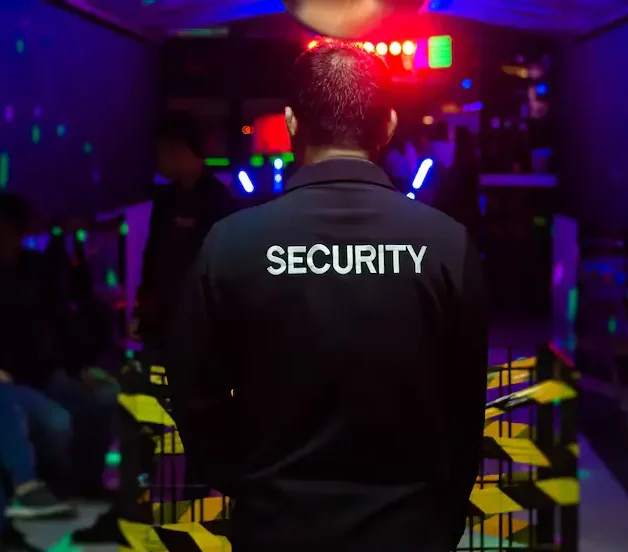
A career in the UK’s private security industry can lead to a variety of working environments, from licensed venues and events to offices, retail premises, construction sites and commercial buildings. Because different security activities are regulated separately, one of the most common questions for people entering the industry is whether a Door Supervisor licence can be used for jobs other than door supervision.
The short answer is yes, in certain circumstances. A valid SIA Door Supervisor licence also covers security guarding activities. This means that someone who holds the appropriate Door Supervisor licence can generally undertake security guarding work without obtaining a separate Security Guard licence. However, this does not mean that the licence automatically covers every type of security role. The duties being performed determine which SIA licence is required.
For anyone considering a Door Supervisor Course London, understanding this distinction can help when planning training and exploring future employment opportunities.
Understanding SIA Licensing
The Security Industry Authority (SIA) regulates specific private security activities in the UK. Its licensing system is designed to ensure that people carrying out regulated security work meet the required standards.
An important point is that licensing is generally based on what you actually do, rather than simply the job title given by an employer. Calling someone a “security officer”, “event operative” or “security professional” does not by itself determine whether an SIA licence is required. The actual responsibilities and working arrangements must be considered.
The SIA identifies several regulated security activities, including door supervision, security guarding, close protection, public space surveillance (CCTV), cash and valuables in transit and key holding. Different activities have different licensing requirements.
This is why prospective security professionals should look beyond job titles when deciding which qualification or licence they need.
What Does a Door Supervisor Licence Cover?
A Door Supervisor licence is primarily intended for people guarding licensed premises against risks such as unauthorised access, theft, damage or disorderly behaviour.
Licensed premises can include venues that sell alcohol for consumption on the premises or provide regulated entertainment. Door supervision therefore has a strong connection with pubs, clubs, bars and entertainment venues, although licensed security staff can also be required at certain events and other environments.
However, the licence has an important additional benefit: a Door Supervisor licence also permits the holder to carry out security guarding activities.
This is known as licence integration. The SIA recognises that some qualifications and licences provide sufficient preparation for related security activities, allowing certain licence holders to work across more than one area without holding a separate licence for each activity.
For a person entering the industry, this can provide useful flexibility.
Can You Work as a Security Guard?
Yes. A valid Door Supervisor licence covers security guarding activities.
Security guarding generally involves protecting premises or property against risks such as theft, damage, unauthorised access or disorderly behaviour. Examples can include guarding commercial buildings, construction sites, warehouses, offices, retail premises and other properties.
This means a person who initially trains for door supervision does not necessarily have to restrict their job search to pubs, clubs or nightlife.
They may also be able to apply for suitable security guarding positions, provided the work falls within the activities covered by their licence and they meet the employer’s other requirements.
For example, someone with a Door Supervisor licence could potentially work as security personnel at a commercial property during the day and at a licensed venue during the evening. The two environments are different, but the licence integration rules can provide flexibility between door supervision and security guarding.
The SIA’s current guidance specifically states that a Door Supervisor licence allows the holder to perform the licensable activity of a Security Guard.
Why Is This Useful for Security Professionals?
The ability to work in security guarding can make a Door Supervisor licence useful for people who want to explore different working environments.
Not everyone wants to work permanent night shifts or in busy entertainment venues. Some security professionals may prefer daytime assignments in offices, retail locations, construction sites or industrial premises.
Others may want to combine different types of work.
For example, a security professional might work daytime shifts at a commercial site and accept additional event or licensed-premises work when available. The exact opportunities will depend on employers, contracts, location, experience and current licence status.
London is particularly diverse in this respect. Security companies operate across hospitality, retail, construction, corporate, residential and event environments, creating different types of opportunities for licensed professionals.
A broader licence can therefore be useful when searching for employment, although having the licence does not guarantee a particular job.
What About CCTV Work?
This is where the distinction becomes important.
A Door Supervisor licence can cover certain uses of CCTV, specifically where CCTV is being used to identify a trespasser or protect property. However, it does not automatically make the holder a licensed Public Space Surveillance (CCTV) operator for every CCTV activity.
The SIA explains that a separate Public Space Surveillance (CCTV) licence is required where CCTV is used to monitor members of the public or identify particular people, or to guard against disorder or protect people from assault.
Therefore, someone with a Door Supervisor licence should not assume that they can take any CCTV operator position.
The actual duties need to be examined.
For example, CCTV used as part of general property protection may fall within the scope of the integrated licence. A dedicated control-room role involving public surveillance and identifying individuals may require the specific CCTV licence.
This is an important distinction for anyone considering moving from front-line security into control-room work.
Can a Door Supervisor Become a Close Protection Operative?
Not automatically.
Close protection is a separate specialised security activity. It involves guarding one or more individuals against physical assault or injury resulting from unlawful conduct.
Close protection work can involve protective planning, risk assessment, situational awareness and other responsibilities that are different from conventional door supervision or security guarding.
The SIA treats close protection as its own licensed activity. Interestingly, the integration works in the opposite direction: a valid Close Protection licence also covers door supervision and security guarding.
Therefore, holding a Door Supervisor licence does not give someone permission to work as a licensed close protection operative.
A person wishing to move into close protection would need to meet the relevant training and licensing requirements for that activity.
This is a good example of why licence integration should not be interpreted as meaning that all security licences are interchangeable.
What About Event Security?
Events can involve several different types of staff, and the correct licensing requirement depends on the duties being performed.
At a licensed venue or event, security personnel carrying out door supervision activities may require a Door Supervisor licence. At other premises, staff performing security guarding activities may require a Security Guard licence when the work is a licensable activity.
A Door Supervisor licence can therefore be useful for event security because it covers door supervision and security guarding.
However, not every person working at an event requires an SIA licence. Some event staff perform stewarding duties rather than licensable security activities. For example, people directing visitors to seats, toilets or first-aid facilities may fall outside the licensing requirement depending on what they actually do.
The key question is always the nature of the work.
Event organisers and security companies should make sure staff have the appropriate authorisation for their specific duties rather than assuming that everyone working at an event needs the same licence.
Can You Work in Retail Security?
Retail security is another area where the distinction between door supervision and security guarding becomes relevant.
A person protecting a shop or retail premises against theft, damage or unauthorised access may be carrying out security guarding activities when an SIA licence is required.
A Door Supervisor licence provides coverage for security guarding activities, so the holder can potentially work in retail security without obtaining a separate Security Guard licence.
However, the employment arrangement also matters. The SIA explains that licensing requirements can differ between contracted security work and certain in-house positions. In general, people working directly for the organisation using their services may not need an SIA licence for some security guarding activities, whereas contracted security work can be licensable.
There are exceptions, including door supervision at licensed premises, where an SIA licence is required even when working in-house.
This is another reason why the job’s actual circumstances should be checked before starting work.
What About Office and Corporate Security?
Corporate security is another potential area for someone holding a Door Supervisor licence.
Security personnel working in offices or commercial buildings may be responsible for access control, visitor management, patrols, incident reporting and protecting property.
Where these responsibilities fall within security guarding, a Door Supervisor licence can provide the necessary licence coverage.
The working environment may be very different from a nightclub. Instead of dealing primarily with customers and late-night activity, a corporate security officer may spend the day checking access permissions, monitoring visitors and supporting building security procedures.
The underlying licensing activity, however, can still be security guarding.
This flexibility is one reason some people choose door supervision training even when they are not certain that they want to work permanently in the nightlife sector.
Can You Work on Construction Sites?
Construction sites can require security personnel to protect equipment, materials, vehicles and buildings from theft, damage and unauthorised access.
These duties can fall within the definition of security guarding.
A Door Supervisor licence can therefore be useful for security professionals interested in construction-site assignments, provided the duties and employment arrangement require SIA licensing.
Construction security can also involve different working patterns from hospitality. Some sites require overnight protection, while others need personnel during periods when equipment or materials are particularly vulnerable.
As with any security position, the employer may have additional requirements beyond the SIA licence, such as experience, site-specific training or relevant qualifications.
Does the Licence Cover Key Holding?
A Door Supervisor licence should not be treated as a blanket licence for every security activity.
Key holding is a separate licensable activity in relevant circumstances. It involves keeping or controlling access to a key or device used to operate a lock.
The SIA identifies key holding as a separate licensing activity. A person responding to an alarm or call-out may also need another front-line licence if their duties involve manned guarding.
Therefore, a Door Supervisor licence should not automatically be assumed to cover every type of key-holding work.
The exact duties should be assessed before accepting such a role.
Why Training Still Matters
A licence provides legal authorisation for specified activities, but professional competence remains important.
Door supervision training covers areas relevant to working in challenging public-facing environments. Security professionals can encounter conflict, difficult behaviour, emergencies and situations requiring sound judgement.
When moving into security guarding, the environment may change, but many fundamental skills remain valuable. Observation, communication, incident reporting, professionalism and awareness can all contribute to effective security work.
Employers may also provide site-specific training because every workplace has different procedures.
Someone working in a warehouse may need to understand vehicle movements and access procedures. A corporate security officer may need to follow visitor management systems. Retail security personnel may have procedures relating to suspected theft. These responsibilities are separate from the basic SIA licensing requirement.
Choosing a Door Supervisor Course in London
Anyone considering training should start by thinking about the type of security work they want to perform.
A Door Supervisor qualification can be attractive to people who want access to both door supervision and security guarding opportunities. However, it is important to check the current SIA requirements before enrolling because qualification and licensing requirements can change.
The SIA’s current guidance provides the official information on which training is required for different licences.
People researching a Door Supervisor Course London can also compare course content, training schedules, location, assessment arrangements and the provider’s current status before making a decision.
The objective should not simply be to obtain a certificate. The training should prepare an individual for the responsibilities associated with working professionally in the private security industry.
Licence Requirements Can Change
Security professionals should avoid relying indefinitely on old training information.
The SIA regularly updates its guidance and qualification requirements. Its licensing guidance was updated as recently as June 2026, while its guidance explaining which activities require an SIA licence was updated in January 2026.
This is particularly important when renewing a licence or taking refresher training.
For example, the SIA has introduced changes to refresher requirements for certain licence holders. Anyone preparing for renewal should therefore check the latest official SIA information rather than relying on advice from an older course advertisement or social media post.
The Main Advantage of a Door Supervisor Licence
The biggest practical advantage is flexibility.
A Door Supervisor licence is not restricted exclusively to standing at the entrance of a nightclub. Under the SIA’s licence integration rules, it also covers security guarding activities.
That can allow a licensed professional to consider a wider range of security assignments, including suitable retail, corporate, construction, commercial and event security positions.
At the same time, there are clear boundaries. The licence does not automatically cover specialist activities such as full public-space CCTV operations, close protection or every form of key holding.
Understanding these boundaries helps security professionals avoid accidentally accepting duties for which they are not appropriately licensed.
Final Thoughts
A Door Supervisor licence can provide more career flexibility than its name might initially suggest. In addition to door supervision, a valid licence also covers security guarding activities, allowing holders to consider a broader range of security work.
The important point is that the licence should never be viewed as permission to perform every type of security job. Different activities have different licensing requirements, and the SIA bases licensing on the duties being performed rather than simply the job title.
For anyone planning a career in private security, understanding these differences before choosing training can save time and help create a more informed career path. Whether the goal is licensed-premises security, retail protection, corporate security, construction-site work or event security, the right qualification and licence should always match the actual duties involved.
Anyone considering training in London should check the latest SIA guidance and select a course that corresponds with the licence they intend to obtain. A well-chosen Door Supervisor qualification can be a practical starting point for people who want flexibility between door supervision and security guarding while building experience in the UK’s private security industry.