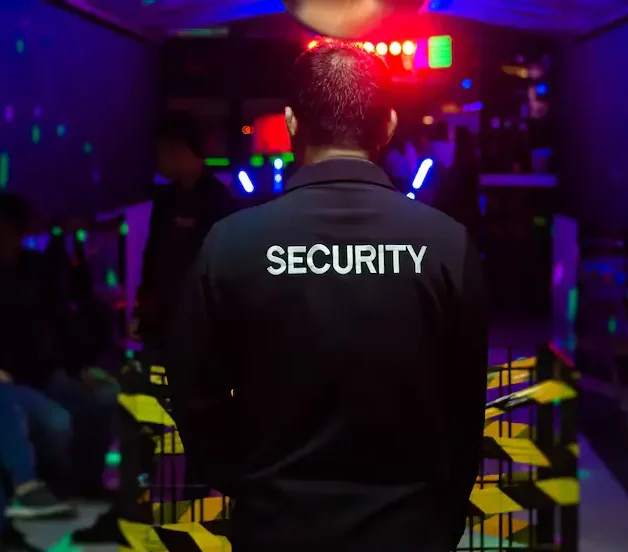
Becoming a door supervisor can be an attractive career option for people who want to work in the UK’s private security industry. Door supervisors can work in a wide range of environments, including pubs, nightclubs, bars, hotels, entertainment venues and events. However, before starting training, one of the first questions many prospective candidates have is about the minimum age requirement.
In the UK, door supervision is a regulated security activity. People who carry out licensable door supervision work generally need an appropriate licence from the Security Industry Authority (SIA). Understanding the age requirement, training process and other eligibility conditions can help candidates plan their career more effectively.
For people considering a Door Supervisor Course London, knowing the basic requirements before enrolling can prevent unnecessary delays and help them understand what is involved in entering the industry.
What Is a Door Supervisor?
A door supervisor is a licensed security professional who works in environments where members of the public enter and leave premises or attend events.
The role is often associated with nightlife, particularly pubs, bars and clubs, but door supervisors can also work at festivals, concerts, private functions and other venues where their duties fall within the regulated activity.
Their responsibilities can include controlling access, checking identification, monitoring behaviour, preventing unauthorised entry, dealing with incidents and helping maintain a safe environment.
The job requires more than simply standing at an entrance. Door supervisors regularly communicate with members of the public and may have to make decisions during difficult or rapidly changing situations.
Because the role can involve significant responsibility, the industry has specific licensing and training requirements.
What Is the Minimum Age for a Door Supervisor?
The minimum age requirement is straightforward: you must be at least 18 years old to apply for an SIA licence.
The SIA states that applicants must be aged 18 or over to apply for a licence. This means someone who is under 18 cannot obtain a front-line SIA door supervisor licence and work as a licensed door supervisor.
Reaching 18 is therefore an important milestone for anyone planning to enter the profession.
It is also worth understanding the difference between being old enough to apply for a licence and being ready to work in the industry. Age is only one part of the process. Candidates must also meet the relevant licensing requirements and complete the appropriate training.
Can You Start Door Supervisor Training Before You Are 18?
People who are approaching their 18th birthday may wonder whether they can complete their training before becoming legally eligible for an SIA licence.
This is an area where candidates should check the current requirements with both the SIA and their chosen training provider before booking a course. The important point is that completing training does not itself give someone permission to work as a licensed door supervisor.
The SIA licence is what authorises an individual to undertake regulated front-line security activities where a licence is required.
Therefore, anyone under 18 should not assume that completing a course means they can immediately start working in a licensed security role.
If you are close to the minimum age, confirming the current rules before paying for training can help you plan the timing correctly.
Is There a Maximum Age?
There is no general maximum age requirement for applying for an SIA door supervisor licence.
This means that reaching an older age does not automatically prevent someone from entering the profession. Adults can consider a career in door supervision at different stages of their working lives, provided they meet the relevant licensing and eligibility requirements.
Someone might enter the industry in their early twenties, while another person may decide to change careers later in life.
In many cases, maturity and communication skills can be valuable in security work. Door supervisors regularly interact with people from different backgrounds and may need to remain calm when dealing with disagreements.
However, age alone does not determine whether someone will be suitable for the role. Physical capability, communication, reliability, judgement and professionalism can all be important.
Why Is the Minimum Age 18?
Door supervision involves responsibilities that require a certain level of maturity.
Security professionals may have to deal with challenging behaviour, disputes, access-control decisions and incidents involving members of the public. They must understand their legal responsibilities and follow appropriate procedures.
The minimum age requirement establishes a clear legal threshold for working in regulated front-line security activities.
It also reflects the level of responsibility involved. A door supervisor may need to refuse entry to someone, manage a difficult situation or respond appropriately when an incident occurs.
Professional judgement is therefore an important part of the occupation.
What Training Does a Door Supervisor Need?
Age is only the first requirement to consider. A person who wants to become a licensed door supervisor normally needs to complete the appropriate licence-linked training before applying for the relevant SIA licence.
The training covers areas that are relevant to the responsibilities of the job. Depending on the current qualification structure, this can include topics such as the role and responsibilities of a door supervisor, conflict management, physical intervention and other aspects of working safely and professionally.
Candidates should always check the latest requirements directly with the SIA because training and licensing arrangements can change.
For someone searching for a Door Supervisor Course London, it is sensible to compare the course content, qualification, provider and current SIA requirements before making a booking.
What Does the Training Teach You?
Door supervisor training is designed to prepare candidates for the responsibilities associated with the occupation.
One important area is understanding the role of a security professional. Candidates need to know what they can and cannot do and how their responsibilities differ from those of police officers or other authorities.
Conflict management is another important subject. Door supervisors often encounter situations where communication can prevent a disagreement from becoming more serious.
Training can help candidates understand how to communicate effectively, identify potential risks and respond appropriately.
Physical intervention is also part of the training requirements for door supervision. This does not mean that a door supervisor should automatically use physical force whenever a problem occurs. Professional security work focuses on prevention, communication and appropriate responses.
The purpose of training is to help candidates understand their responsibilities and operate within the relevant legal and safety framework.
Do You Need Previous Security Experience?
Previous security experience is not generally required simply to begin the process of becoming a door supervisor.
Many people enter the sector without having previously worked in private security.
This can make door supervision an accessible option for adults looking to begin a new career or develop additional employment opportunities.
However, being new to security does not mean that the job is easy. Candidates need to take the training seriously and understand that the work can involve late hours, long periods of standing and regular interaction with members of the public.
People considering the occupation should think realistically about whether the working environment suits them.
What Personal Skills Are Useful?
A successful door supervisor needs more than a licence.
Communication is one of the most important skills. Security personnel regularly speak with customers, colleagues, managers and sometimes emergency services.
Remaining calm under pressure is also valuable. A security professional may encounter an angry customer or a disagreement between members of the public. Responding emotionally can make a situation worse, whereas calm and professional communication can help de-escalate problems.
Observation is another important skill. Door supervisors need to remain aware of what is happening around them and identify situations that could develop into security or safety problems.
Reliability also matters. Venues depend on security staff arriving on time and following site procedures.
Professionalism can have a significant effect on career opportunities because security personnel often represent the venue or company they work for.
Can You Work as a Door Supervisor at 18?
Once an individual reaches 18 and meets the applicable licensing requirements, they can pursue licensed door supervision work.
However, being 18 does not automatically mean that a person can start working immediately. The individual still needs to complete the required process and obtain the appropriate licence where the work is licensable.
It is also important to distinguish between applying for a licence and actually holding one.
Candidates should wait until they have the necessary authorisation before undertaking regulated security activities that require an SIA licence.
Employers also have responsibilities when hiring security staff and should ensure that workers hold the appropriate licence for the duties they are being asked to perform.
How Long Does the Process Take?
The time required to enter the industry can vary.
Training itself takes a defined period depending on the qualification and the provider’s schedule. After completing the required qualification, candidates can proceed with their SIA licence application.
The overall process can therefore involve several stages:
- Confirming eligibility.
- Selecting an appropriate training course.
- Completing the required qualification.
- Applying for an SIA licence.
- Completing the required identity and background checks.
- Waiting for the licence application to be processed.
- Beginning licensed employment once authorised.
Candidates should avoid making firm employment plans based solely on the expected course completion date. Licensing and application processing can take additional time.
What Background Checks Are Required?
The SIA carries out checks as part of the licensing process.
Applicants need to provide information that allows the regulator to assess whether they meet its licensing criteria. This can include identity verification and criminal record checks, depending on the circumstances.
Having a criminal record does not necessarily mean that someone can never obtain an SIA licence. The SIA considers relevant information according to its licensing criteria.
Anyone with concerns about their individual circumstances should review the current SIA guidance rather than relying on general advice from social media or other unofficial sources.
Does Physical Fitness Matter?
Door supervision can be physically demanding.
Depending on the workplace, a door supervisor may spend several hours standing, walking around a venue or responding to incidents. Night-time work can also involve irregular schedules.
Physical fitness can therefore be useful.
However, door supervision should not be viewed simply as a physical job. Good security work often relies on observation, communication, judgement and prevention.
A professional door supervisor should aim to resolve situations safely and appropriately rather than relying on physical strength.
The training process also provides candidates with an understanding of the appropriate procedures surrounding physical intervention.
What Are the Working Hours Like?
Door supervision is particularly associated with evening, night and weekend work.
A nightclub, for example, may require security staff from the evening until the early hours of the morning. Events can also have schedules that extend beyond normal office hours.
This can be an advantage for some people. Those who already have daytime commitments may appreciate the availability of evening or weekend shifts.
On the other hand, people who prefer conventional daytime working hours may find the schedule challenging.
Before choosing the profession, prospective candidates should consider whether they are comfortable working nights, weekends and public holidays.
Is London a Good Place to Start a Security Career?
London has a large private security sector and a wide variety of venues and businesses requiring security services.
The city includes entertainment venues, hospitality businesses, retail premises, commercial properties and major events. This creates different types of security work and allows licensed professionals to explore different environments.
However, London is also a competitive employment market.
A licence does not guarantee a job. Candidates can improve their prospects by developing good communication skills, maintaining professional standards and building relevant experience.
Employers may also consider factors such as availability, reliability, presentation and previous experience when selecting candidates.
Can Door Supervision Lead to Other Security Work?
Door supervision can provide an introduction to the wider private security industry.
After gaining experience, some professionals decide to explore other areas such as security guarding, event security or specialist security roles.
The experience gained from dealing with members of the public can be useful in many security environments.
Some people may also decide to pursue additional qualifications where they meet the requirements for other SIA-regulated activities.
Career progression is not automatic, but the industry provides several possible directions for people who continue developing their skills.
What Should You Check Before Booking a Course?
Before paying for training, candidates should check several practical details.
First, confirm the current SIA requirements. Regulations and qualification arrangements can change, so information published several years ago may no longer be accurate.
Second, verify the qualification being offered by the training provider.
Third, check the course dates, location, assessment arrangements and total cost.
It is also sensible to understand what happens after completing the qualification. Candidates should know that a training certificate and an SIA licence are separate parts of the process.
For people in the capital, searching for a suitable Door Supervisor Course London can help identify training options, but the final decision should be based on the current requirements, course suitability and the credibility of the provider.
A Career That Requires Responsibility
Becoming a door supervisor can provide an entry point into the UK’s private security industry, but the occupation should not be approached simply as a way to obtain a security badge.
Door supervisors have responsibilities towards the public, their employers and the venues where they work.
They may be responsible for access control, monitoring behaviour, identifying potential risks and responding to incidents. Their decisions can influence the safety of customers, colleagues and other members of the public.
For that reason, professional conduct is just as important as completing the required training.
Final Thoughts
The minimum age to apply for an SIA licence is 18, making adulthood the basic starting point for a career as a licensed door supervisor. There is no general maximum age, meaning people can consider entering the industry at different stages of their working lives.
However, age is only one part of the process. Candidates must also meet the relevant SIA requirements, complete the appropriate licence-linked qualification and obtain the necessary licence before undertaking regulated work.
Anyone considering a career in London’s private security industry should research the role carefully and make sure they understand both the opportunities and responsibilities involved.
For prospective candidates, the best approach is to check the latest SIA information, choose training that matches the required licence and prepare for the professional demands of working with the public. With the right preparation, door supervision can be a practical starting point for exploring a broader career within the UK’s private security industry.