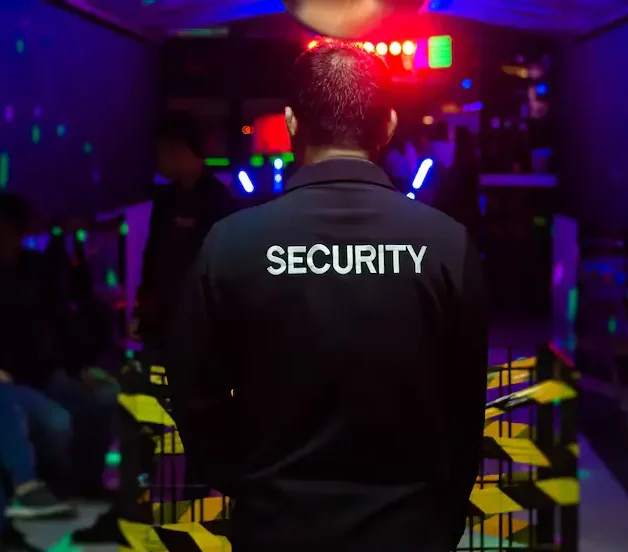
London has one of the UK’s largest and most diverse hospitality, entertainment and nightlife sectors. Pubs, bars, restaurants, clubs, music venues, event spaces and other licensed premises operate under a combination of national legislation and local licensing requirements. For people working in venue security, understanding how these rules affect door supervision is an important part of professional practice.
Although the core legal framework applies across England and Wales, London has historically had a borough-based licensing structure. Each London borough acts as a licensing authority and can develop its own licensing policy while applying national legislation. In 2026, this system is also undergoing change following the introduction of new strategic licensing powers for the Mayor of London.
For anyone considering a Door Supervisor Course London, it is therefore useful to understand not only the Security Industry Authority (SIA) requirements but also how venue licensing, security arrangements, crowd management and local conditions can interact.
The Licensing Act 2003
The Licensing Act 2003 provides the main legal framework for many licensed activities in England and Wales. It covers activities such as the sale of alcohol, regulated entertainment and the supply of hot food and drink at certain times.
London venues must operate according to the conditions attached to their premises licence. These conditions can vary from one venue to another depending on factors such as location, opening hours, activities taking place at the premises and potential risks.
The licensing system is built around four main objectives:
- The prevention of crime and disorder
- Public safety
- The prevention of public nuisance
- The protection of children from harm
Security arrangements can support several of these objectives, particularly the prevention of crime and disorder and public safety.
A venue may therefore have specific requirements relating to security staff, CCTV, incident recording, entry procedures, age verification, capacity management or other operational measures.
London Does Not Have One Single Venue Rulebook
A common misunderstanding is that every pub, nightclub or event venue in London operates under exactly the same security requirements.
In reality, licensing conditions can differ between premises.
Historically, London’s 32 boroughs and the City of London have operated as separate licensing authorities. This means a venue’s premises licence and local licensing policy need to be considered when determining its specific obligations.
City Hall has explained that each London borough has had its own licensing system and local approach. New strategic powers introduced in 2026 are intended to create a more joined-up approach across the capital while retaining day-to-day decision-making powers for boroughs.
This means security professionals should avoid assuming that a requirement at one venue automatically applies to another.
What Does This Mean for Door Supervisors?
Door supervisors are security professionals working in environments where access control, public safety and the prevention of disorder may be particularly important.
Where a person performs licensable door supervision activities, the appropriate SIA licence is required.
London City Hall guidance for grassroots venues specifically states that people performing door supervisor duties must be registered with the SIA and that SIA identification should be clearly displayed while working. The same guidance recommends keeping records of door staff and their licence details.
The exact number of door supervisors required at a venue, however, is not automatically the same everywhere. A premises licence may contain specific conditions relating to the number of security staff required during particular operating periods.
For this reason, door supervisors should understand that their responsibilities are influenced by both their professional licence and the procedures of the venue where they work.
Checking the Premises Licence
A premises licence contains important information about how a venue is permitted to operate.
Security staff may not personally be responsible for applying for the premises licence, but understanding its relevant conditions can help them work effectively.
For example, a licence may include requirements relating to:
- The number of SIA-licensed door supervisors
- The times when security staff must be present
- CCTV operation
- Entry and search procedures
- Incident recording
- Age verification
- Maximum capacity
- Noise management
- Closing procedures
- Cooperation with police and other authorities
London City Hall guidance notes that licensing inspections can identify issues such as insufficient SIA door staff, non-functioning CCTV, missing incident records, problems with refusal logs and venues operating beyond permitted hours.
This illustrates why security staff should be familiar with the venue’s operational procedures rather than treating their role as simply controlling the entrance.
SIA Licensing and Venue Licensing Are Different
Two separate licensing concepts can sometimes become confused.
The premises licence applies to the venue and establishes what activities it is permitted to carry out and under what conditions.
The SIA licence applies to an individual carrying out regulated private security activities.
A nightclub, for example, may have a premises licence allowing it to operate certain activities during specified hours. The individuals employed to perform regulated door supervision duties may separately need the appropriate SIA licence.
Both systems can work together.
The venue needs to comply with its premises licence, while security personnel need to comply with the requirements attached to their individual SIA licence.
Entry and Access Control
Access control is one of the most visible responsibilities associated with door supervision.
Depending on the venue’s policies and licence conditions, door staff may be involved in checking tickets, checking identification, managing queues, preventing prohibited items from entering the premises and refusing entry where lawful grounds exist.
The precise procedure should follow the venue’s policies and applicable law.
Door supervisors should not assume that they can refuse entry for any reason. Decisions should be made professionally, consistently and within the legal and operational framework applicable to the venue.
Clear communication is particularly important because disagreements at the entrance can quickly develop into larger incidents.
Age Verification
Age verification can be an important part of security and licensing compliance at venues that sell alcohol or operate age-restricted activities.
Some venues implement procedures such as Challenge 25, requiring staff to request identification from customers who appear under a specified age threshold.
London venue guidance highlights age-verification procedures as an area that may be examined during licensing checks.
Door supervisors may therefore need to understand the venue’s identification policy, know which forms of identification are accepted and follow the same procedure consistently.
Security personnel should also understand the limits of their role. Their responsibility is to apply the venue’s authorised procedures rather than create their own rules.
CCTV and Security Operations
CCTV is another important part of venue security.
Cameras can assist with monitoring entrances, identifying incidents and supporting investigations. London City Hall guidance for grassroots venues notes that CCTV may be required through premises licensing conditions and that venues should ensure systems are functioning and staff know how to operate them where required.
Door supervisors may work alongside CCTV operators and management teams. Effective communication between these roles can help staff respond more quickly when an incident develops.
For example, CCTV operators may identify suspicious behaviour before it becomes an obvious problem at the entrance or inside the venue. Door staff can then be informed and appropriate action can be taken.
Incident Recording
Accurate record keeping is another important part of licensed venue operations.
Venues may maintain incident books, refusal logs, search records or other documentation depending on their licensing conditions and internal procedures.
Records can provide an account of what happened during an incident, when it occurred and which staff members were involved.
City Hall guidance identifies missing incident and refusal records as examples of issues that can arise during licensing checks.
For door supervisors, accurate reporting is therefore more than administrative work. A clear report can help management understand recurring problems and may become important if an incident is later investigated.
Capacity and Crowd Management
Managing the number of people inside a venue is closely connected to public safety.
Different premises have different layouts, capacities and risks. A busy nightclub, for example, may require significantly different crowd-management procedures from a small restaurant.
Security staff can support venue management by monitoring entrances, controlling queues and communicating when capacity-related concerns arise.
For larger events, crowd management can become even more important. Event plans may include arrangements covering site layouts, emergency exits, evacuation procedures, communications, crowd management and stewarding.
For example, published conditions for activities in Trafalgar Square require an Event Management Plan for specified activities and include requirements covering crowd management, emergency procedures and other safety arrangements.
Security at Events and Temporary Venues
Not every London security job takes place inside a permanent nightclub or pub.
Concerts, festivals, cultural events, sporting events and temporary entertainment spaces can require security personnel with different responsibilities.
The scale of an event can affect how security is organised. Large events may have separate teams dealing with access control, searching, crowd management, backstage security, emergency response and perimeter protection.
Door supervisors working at events must still understand the scope of their SIA licence and follow the instructions and risk-management arrangements established by the event organiser.
The fact that an event is temporary does not remove the need for appropriate security arrangements.
The Role of Venue Management
Security staff do not operate independently from the venue.
The premises licence holder, designated premises supervisor, event manager, security contractor and individual security personnel may all have different responsibilities.
Effective communication between these groups is important.
A door supervisor should know who is responsible for making operational decisions during a shift and how incidents should be escalated.
For example, a security officer might identify a developing problem but need to notify a supervisor or venue manager before a particular operational decision is made.
Good communication can help prevent small problems from becoming serious incidents.
Working With Police and Other Authorities
London venues may interact with the Metropolitan Police, local licensing authorities, fire services, environmental health officers and other responsible authorities.
Responsible authorities can become involved in licensing matters where the licensing objectives are relevant.
City Hall explains that responsible authorities include bodies such as the police, fire and rescue services, planning authorities, environmental health, public health, trading standards and children’s safeguarding services.
Security personnel may therefore encounter police officers or licensing officers during their work.
Professional cooperation is important. Security staff should follow their employer’s procedures, provide accurate information when required and avoid obstructing legitimate inspections or investigations.
What Happens During a Licensing Inspection?
Licensing visits may be used to determine whether a venue is operating according to its licence conditions.
According to London City Hall guidance, officers may examine matters such as CCTV, incident records, refusal logs, SIA staffing levels, staff knowledge of licensing conditions and operating hours.
This means security staff can form part of the venue’s overall compliance structure.
A professional door supervisor should therefore understand basic site procedures, know where relevant records are maintained and be familiar with instructions concerning security duties.
Changes to London’s Licensing System in 2026
London’s licensing landscape is changing.
New strategic licensing powers for the Mayor of London came into effect on 29 June 2026 under the English Devolution and Community Empowerment Act. The changes allow the Mayor to establish a London-wide Strategic Licensing Policy, while boroughs retain day-to-day licensing decision-making responsibilities.
The Greater London Authority has also become a Responsible Authority and can make formal representations to licensing committees.
These developments are intended to make London’s licensing approach more coordinated while still recognising local circumstances.
For security professionals, this does not mean that every venue suddenly has identical licensing conditions. Instead, it is part of a broader effort to make licensing more consistent across the capital.
Training for Door Supervision
People interested in working in licensed venues should identify the relevant SIA qualification before choosing a training provider.
The training route should reflect the licence they intend to apply for and the type of work they want to perform.
A Door Supervisor Course London can be particularly relevant for individuals interested in licensed premises, nightlife, events and other environments where door supervision duties are required.
However, completing a course should not be viewed as the end of professional development. Security personnel should continue to understand changes to SIA requirements, venue procedures, emergency arrangements and relevant legal responsibilities.
The Greater London Authority’s 2026–27 Adult Skills Fund guidance also identifies the SIA Door Supervisor licence as a licence-to-practise area within its funding arrangements for eligible learners.
Why Local Knowledge Matters
London is not a uniform operating environment.
A security professional working in central London may encounter very different conditions from someone working in an outer London borough. Venue size, surrounding businesses, transport links, local policies, operating hours and customer demographics can all affect security planning.
Local knowledge can help security personnel understand the environment around a venue and identify potential risks.
Nevertheless, local differences should not be confused with different national SIA licensing standards. The SIA framework applies to regulated private security activities, while venue-specific licensing conditions determine additional requirements for individual premises.
Professional Conduct Is Essential
Security work involves dealing with members of the public, sometimes during stressful or unpredictable situations.
Professional conduct is therefore essential.
Door supervisors should communicate clearly, avoid unnecessary confrontation, remain aware of their surroundings and follow established procedures.
Physical intervention should never be treated as the primary solution to every disagreement. Good communication, early intervention and appropriate escalation can often prevent a situation from becoming more serious.
A professional approach also helps protect the reputation of the venue and the security company.
Final Thoughts
Security licensing in London involves more than simply obtaining an SIA licence.
The individual security professional needs to understand the scope of their licence, while the venue must comply with its own premises licence and associated conditions. These requirements can cover staffing, CCTV, incident recording, access control, age verification, crowd management and other safety measures.
London’s licensing framework is also evolving in 2026, with new strategic powers designed to create a more coordinated approach across the capital while boroughs continue to handle day-to-day licensing decisions.
For anyone planning a career in venue security, understanding these principles provides a useful foundation. A suitable training programme, awareness of current SIA requirements and familiarity with venue-specific procedures can all contribute to safer and more professional security operations.
The most important point is that licensing should never be treated as a one-size-fits-all subject. The correct requirements depend on the security activity, the venue, the premises licence and the responsibilities assigned to the individual. Anyone preparing to enter the industry should always check the latest official SIA and licensing guidance before making decisions about training or employment.