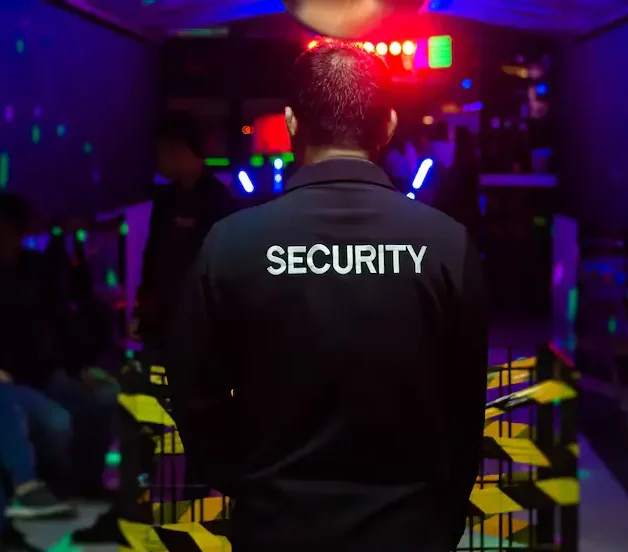
Working as a door supervisor involves much more than checking identification at the entrance of a venue. Door supervisors operate in environments where large numbers of people may gather, sometimes under difficult or unpredictable circumstances. Their decisions can influence the safety of customers, colleagues, venue staff and members of the public.
For this reason, health and safety is an important part of professional door supervisor training. It helps candidates understand how to recognise hazards, respond appropriately to incidents, communicate effectively and contribute to a safer environment.
In London, where licensed premises, entertainment venues, events and hospitality businesses operate across a wide range of environments, these skills can be particularly relevant. Anyone considering a Door Supervisor Course London should understand that safety responsibilities are closely connected with almost every aspect of the role.
Understanding the Purpose of Health and Safety
Health and safety in security work is primarily about preventing avoidable harm and responding appropriately when risks arise.
A door supervisor may be responsible for monitoring an entrance, managing queues, checking access requirements, observing customer behaviour and responding when an incident develops. Each activity can involve different hazards.
For example, a crowded entrance can create risks associated with overcrowding or restricted movement. A disagreement between customers can potentially develop into a physical confrontation. A spill on a floor can create a slip hazard, while a blocked emergency exit can create a serious problem during an evacuation.
Door supervisors therefore need to remain aware of their surroundings rather than concentrating exclusively on people entering a venue.
Health and safety training helps develop this broader understanding of the working environment.
Risk Awareness in Door Supervision
Risk assessment is a fundamental concept in workplace safety.
A door supervisor does not necessarily carry out formal organisational risk assessments in the same way as a health and safety professional or venue manager. However, they are often in a position to identify hazards and communicate concerns to the appropriate person.
The ability to recognise a developing risk can be valuable.
Potential hazards might include:
- overcrowded areas
- blocked entrances or exits
- damaged equipment
- wet or slippery floors
- aggressive behaviour
- poorly managed queues
- inadequate lighting
- fire hazards
- unsafe access routes
- medical emergencies
The appropriate response will depend on the circumstances and the policies of the venue.
The objective is not to encourage unnecessary intervention. Instead, professional security personnel should understand when an issue can be resolved through communication, when assistance should be requested and when an emergency response may be necessary.
Managing Crowds Safely
Crowd management is an important area of health and safety for many door supervisors.
Large gatherings can become difficult to manage when people are entering, leaving or moving through confined spaces. Even without deliberate disorder, pressure within a crowd can increase the risk of falls, crushing or restricted movement.
Door supervisors may therefore monitor queues and entrances while remaining alert to changes in crowd behaviour.
Effective crowd management can involve clear communication, appropriate positioning and coordination with other staff.
A calm and organised approach can help prevent unnecessary confrontation. If customers understand where they should wait and why access may be delayed, they may be less likely to become frustrated.
However, crowd safety is not simply about keeping people in line. Door supervisors should also be aware of vulnerable individuals, people who may require assistance and conditions that could create an unsafe environment.
Communication and Conflict Prevention
Communication is one of the most useful tools available to a door supervisor.
Many incidents can be managed before they become serious if communication is calm, professional and appropriate to the circumstances.
A door supervisor may need to explain why someone cannot enter a venue, ask a customer to modify their behaviour or direct people away from a restricted area.
The way this information is communicated can make a significant difference.
Aggressive language, unnecessary confrontation or dismissive behaviour may escalate an otherwise manageable situation. By contrast, clear explanations and controlled communication may help reduce tension.
This is why training generally places emphasis on interpersonal skills as well as physical safety.
Door supervisors should understand that their role is not simply to react to problems. Prevention and de-escalation can be equally important.
Physical Intervention and Safety
Physical intervention is one of the areas where health and safety considerations become particularly important.
A physical intervention can create risks for everyone involved, including the security professional, the individual being restrained and other people nearby.
The purpose of relevant training is not simply to teach techniques. Candidates also need to understand when physical intervention may be appropriate, the importance of using proportionate responses and the potential risks associated with physical contact.
Any intervention should be approached carefully and within the legal and professional framework applicable to the situation.
Door supervisors should not treat physical intervention as the first response to every disagreement. Communication, observation, seeking assistance and following venue procedures may often be more appropriate.
Where an incident does require physical intervention, awareness of safety and the surrounding environment is essential.
For example, the presence of stairs, glass, furniture or a dense crowd can increase the potential for injury. A professional approach requires consideration of these factors rather than focusing only on the person involved.
Emergency Situations
Door supervisors may be among the first members of venue staff to notice an emergency.
Depending on the environment, emergencies can include medical incidents, fires, serious disorder, overcrowding or other situations requiring immediate action.
Training helps candidates understand the importance of remaining calm and following established emergency procedures.
A door supervisor may need to communicate information to management, emergency services or other security personnel. They may also need to help maintain access routes and prevent unnecessary interference with emergency responders.
The precise responsibilities will depend on the venue’s emergency plan and the circumstances.
The important principle is that security personnel should understand their role within the wider emergency response rather than attempting to manage every situation independently.
Fire Safety Awareness
Fire safety is another important consideration in venues where door supervisors work.
Door supervisors may not be responsible for designing a building’s fire safety arrangements, but they can contribute to safe evacuation by remaining familiar with venue procedures and identifying potential problems.
Emergency exits should remain accessible, and staff should know how to respond when an evacuation is required.
In a crowded entertainment venue, people may not immediately understand what is happening during an emergency. Clear communication can therefore become extremely important.
A door supervisor may also need to help prevent people from moving towards an unsafe area or unnecessarily obstructing evacuation routes.
The exact responsibilities should always follow the venue’s fire safety arrangements and instructions from responsible personnel.
First Aid and Medical Emergencies
Medical emergencies can occur in any public environment.
A customer may become unwell, suffer an injury, lose consciousness or require urgent medical attention. Door supervisors may be among the first people to notice that someone needs help.
Understanding basic emergency procedures and knowing how to obtain appropriate assistance can therefore be valuable.
Door supervisor training and associated requirements may include first-aid considerations, and candidates should check the current requirements that apply to their intended licence and circumstances.
The key principle is knowing the limits of one’s competence. A security professional should not attempt medical treatment beyond their training. Instead, they should take appropriate immediate steps, seek qualified assistance and provide relevant information to emergency responders.
Protecting Vulnerable People
Health and safety also involves recognising when someone may be particularly vulnerable.
A person may be vulnerable because of age, illness, disability, intoxication or another circumstance that affects their ability to remain safe.
Door supervisors may encounter customers who are confused, distressed or unable to look after themselves properly.
Professional judgement is important in these situations.
Rather than treating every person simply as a security problem, staff should consider whether there is an underlying welfare issue and follow the venue’s procedures for obtaining appropriate assistance.
This can be particularly important in busy nightlife environments where alcohol consumption may make it difficult to determine whether someone is simply intoxicated or experiencing a more serious medical problem.
Personal Safety for Door Supervisors
Health and safety is not only about protecting customers. Door supervisors also need to protect themselves.
Security work can involve long periods of standing, working outdoors, dealing with difficult weather conditions and operating in crowded environments.
There can also be risks associated with aggressive behaviour or unexpected incidents.
Maintaining situational awareness is therefore important.
A door supervisor should understand where colleagues are positioned, know how to request assistance and avoid unnecessarily placing themselves in dangerous situations.
Professional teamwork can significantly improve safety. Security personnel should communicate with each other and understand who is responsible for particular areas or duties.
Recording and Reporting Incidents
Incident reporting is another part of effective safety management.
After an incident, accurate records can help venue management understand what happened and determine whether further action is necessary.
A useful incident report should generally focus on factual information rather than assumptions or emotional descriptions.
Depending on the circumstances, relevant details may include the time and location of an incident, what was observed, who was involved, actions taken and whether emergency services or management were contacted.
Accurate reporting can also help identify recurring problems.
For example, if several incidents occur in the same area of a venue, management may need to review staffing, layout, lighting, access arrangements or other safety measures.
Working With Other Staff
Door supervisors rarely operate completely independently.
They may work alongside venue managers, bartenders, event staff, reception personnel, CCTV operators, emergency responders and other security professionals.
Good communication between these groups can make a significant difference during routine operations and emergencies.
A door supervisor should understand how information is passed between team members and when an issue needs to be escalated.
For example, a security officer might notice a developing problem through observation, while a CCTV operator may have additional information about what happened elsewhere in the venue.
Sharing relevant information can help staff make better decisions.
Understanding Legal Responsibilities
Health and safety responsibilities are connected to the wider legal framework governing security work.
Door supervisors must understand that they have responsibilities towards members of the public as well as their employer or client.
Actions should be based on appropriate authority, reasonable judgement and applicable law.
Training helps candidates understand the boundaries of their role and the importance of acting professionally.
This is particularly important when dealing with situations involving refusal of entry, removal from premises, searching, physical intervention or incidents involving vulnerable individuals.
Candidates should always use current official guidance and recognised training materials because legal and licensing requirements can change.
Why Training Matters
The value of training is not simply that it provides a certificate.
Good training gives candidates an opportunity to understand how different parts of the job connect.
For example, conflict management is connected with personal safety. Crowd management is connected with emergency planning. Observation is connected with incident prevention. Communication is connected with both customer service and emergency response.
These skills work together.
A door supervisor who understands the wider safety environment can potentially identify problems earlier and make more appropriate decisions.
This is particularly important in London because security professionals may work in environments ranging from small licensed premises to large events involving significant numbers of visitors.
Health and Safety as an Ongoing Responsibility
Completing initial training does not mean that health and safety becomes someone else’s responsibility.
Security professionals should continue learning from experience, workplace procedures and updated guidance.
Venues can have different layouts, risks and emergency arrangements. A person starting work at a new location should familiarise themselves with the site’s procedures rather than assuming that every workplace operates in the same way.
Employers may also provide site-specific training covering subjects such as evacuation procedures, access control, incident reporting and emergency contacts.
Following these procedures is an important part of professional security work.
Choosing a Door Supervisor Training Route
Anyone considering a career in door supervision should research the current SIA requirements before selecting a course.
The Security Industry Authority provides official information about licensing and the training required for different front-line security roles. Requirements can change, so candidates should check the latest guidance rather than relying on older information.
Training providers should also be able to explain what their course covers and how it relates to the relevant licence-linked qualification.
For prospective security professionals in the capital, researching a Door Supervisor Course London can help them understand the training route before entering the industry.
The most important consideration should be whether the qualification and training meet the current requirements for the type of security work the candidate intends to undertake.
Conclusion
Health and safety is a fundamental part of effective door supervision. It influences how security professionals manage crowds, communicate with customers, recognise hazards, respond to emergencies, handle conflict and protect themselves and others.
The role requires more than physical presence at an entrance. Door supervisors need awareness, judgement, communication skills and an understanding of their responsibilities.
Whether working at a licensed venue, event or another environment, a professional door supervisor contributes to the wider safety of the people around them.
For anyone considering this career in London, understanding the health and safety element of training is an important step. The strongest security professionals are not simply those who react effectively when incidents occur, but those who recognise risks early, communicate professionally and help create a safer environment before problems develop.