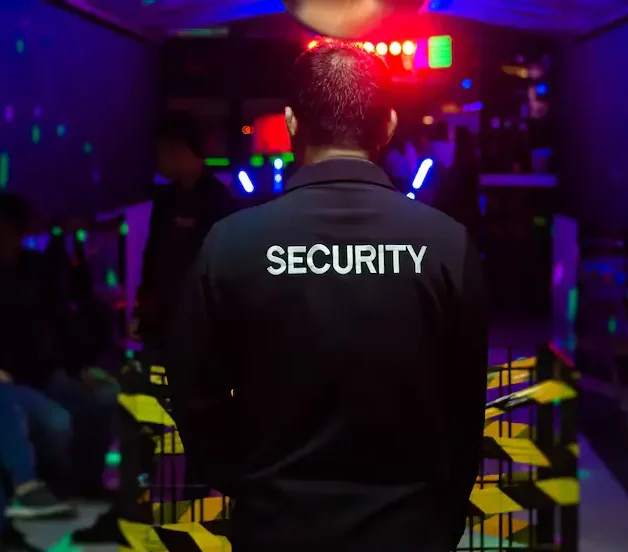
Security work in the United Kingdom covers a wide range of responsibilities, from protecting buildings and controlling access to monitoring public spaces through CCTV. Although these roles can sometimes work closely together, they are not the same profession. Each has its own responsibilities, working environment, skills and, where applicable, licensing requirements.
CCTV operators and door supervisors are two good examples. A CCTV operator may spend most of a shift monitoring screens, identifying unusual activity and recording relevant information. A door supervisor, by contrast, usually works directly with people at licensed premises, events or other environments where access control and public safety are important.
Understanding how these roles differ is useful for anyone considering a career in the private security industry. It can also help employers and new security professionals understand why different security activities may require different training and licences.
For people considering a Door Supervisor Course London, learning how door supervision fits into the wider security industry can provide useful context before choosing a career path.
What Is a CCTV Operator?
A CCTV operator is a security professional who uses closed-circuit television systems to monitor activity in a particular area.
CCTV systems can be installed in shopping centres, commercial buildings, transport environments, public areas, residential developments, entertainment venues and other locations. Depending on the site, operators may monitor a small number of cameras or a large network covering multiple areas.
The role is primarily based around observation and information gathering. An operator may watch live footage, identify unusual behaviour, follow developing incidents across different cameras and communicate relevant information to security colleagues or other authorised personnel.
CCTV operators can also be responsible for maintaining accurate records of incidents. When an event occurs, details such as the time, location and nature of the activity may need to be recorded according to workplace procedures.
The exact responsibilities depend on the organisation and the type of CCTV operation.
What Does a CCTV Operator Do?
Although monitoring screens is an important part of the job, professional CCTV work involves much more than simply watching cameras.
Typical responsibilities can include:
- Monitoring live CCTV footage
- Identifying suspicious or unusual activity
- Following individuals or incidents across camera locations
- Communicating information to security teams
- Recording incidents and observations
- Responding to instructions from supervisors
- Preserving relevant information according to procedures
- Maintaining concentration during long periods of monitoring
- Following organisational policies concerning privacy and information handling
CCTV operators need to remain alert even when there is little visible activity. An incident can develop quickly, meaning an operator must be capable of recognising changes in behaviour or circumstances.
Observation is therefore one of the most important skills in this area of security.
Is CCTV Monitoring a Licensed Activity?
Whether an SIA licence is required depends on the nature of the CCTV work being performed.
The Security Industry Authority regulates specific private security activities. Public Space Surveillance (CCTV) is one of the activities for which an SIA licence can be required.
The relevant circumstances depend on the duties being undertaken rather than simply the fact that a person works with cameras. The SIA provides guidance explaining when CCTV activities fall within its licensing requirements.
This distinction matters because CCTV equipment is now common in many workplaces. A receptionist, office administrator or other employee might occasionally view a camera feed without necessarily performing a licensable security activity.
Anyone planning to work professionally as a CCTV operator should therefore check the current SIA requirements and identify whether the specific role requires a front-line licence.
What Is a Door Supervisor?
A door supervisor is a licensed security professional who typically works in environments where controlling access and maintaining safety around members of the public are important.
Door supervisors are commonly associated with pubs, bars, nightclubs and other licensed premises. They can also work at events and other venues where their licensed security responsibilities are required.
The role involves direct interaction with people. A door supervisor may check whether individuals are permitted to enter, monitor behaviour, deal with incidents and support the venue’s overall safety arrangements.
The work can involve challenging situations, particularly in busy entertainment environments. Communication and conflict management are therefore important parts of professional door supervision.
The role should not be viewed simply as standing at an entrance. A door supervisor can have responsibilities that extend across the venue and may need to respond to changing situations.
Main Responsibilities of a Door Supervisor
The exact duties vary depending on the venue and employer, but can include:
- Controlling access to premises
- Checking identification where appropriate
- Conducting searches when authorised and required
- Monitoring customer behaviour
- Supporting venue safety procedures
- Responding to incidents
- Managing queues and entry areas
- Preventing unauthorised access
- Communicating with venue management
- Recording incidents when required
- Calling emergency services where appropriate
- Supporting the safe operation of the premises
Door supervisors must work within the law and the policies of their employer or client.
Professionalism is particularly important because they interact with customers and members of the public throughout their shifts.
CCTV Operator vs Door Supervisor
The biggest difference between these two roles is how security is delivered.
A CCTV operator primarily works through technology and observation. A door supervisor works directly with people and is physically present within the security environment.
A CCTV operator may identify an incident before anyone on the ground is aware of it. They can then communicate relevant information to officers or supervisors who are able to respond.
A door supervisor, on the other hand, may personally encounter an incident at an entrance or inside a venue. They need to assess the situation, communicate with the people involved and follow appropriate procedures.
This creates two different skill sets.
CCTV work requires concentration, visual observation, accurate reporting and effective communication.
Door supervision requires communication, situational awareness, conflict management, customer interaction and the ability to make appropriate decisions under pressure.
Neither role is inherently more important than the other. In many security operations, they complement one another.
How CCTV and Door Supervision Work Together
A modern security operation may use several layers of protection.
For example, consider a busy entertainment venue.
CCTV cameras could monitor entrances, corridors, public areas and other important locations. An operator may notice an argument developing in an area that is not immediately visible to venue staff.
The operator can communicate the location and relevant information to security personnel on the ground. A door supervisor or another security professional can then assess the situation directly.
This creates a communication chain between technology and physical security.
The CCTV operator provides observation and information. The security officer or door supervisor provides a physical presence and can respond according to their responsibilities.
The effectiveness of this approach depends heavily on communication. Information needs to be clear, accurate and delivered quickly enough to support an appropriate response.
Why Observation Matters in Door Supervision
Although CCTV operation and door supervision are separate areas, observation is an important skill for both.
A door supervisor needs to remain aware of what is happening around them. This includes monitoring queues, entrances, exits and interactions between customers.
Good observation can help identify potential problems before they become serious incidents.
For example, changes in body language, aggressive behaviour, unusual movements or disagreements between customers may indicate that a situation is becoming unstable.
Recognising these signs early can allow a security professional to take proportionate action according to workplace procedures.
This is one reason training for door supervision involves more than physical skills. Security professionals need to understand communication, conflict management, legal responsibilities and professional conduct.
Communication Between CCTV Operators and Security Staff
Clear communication is essential when CCTV teams and physical security personnel work together.
A CCTV operator may need to communicate information such as:
- Where an incident is occurring
- How many people are involved
- What behaviour has been observed
- Which direction someone has moved
- Whether the situation appears to be escalating
- Which camera currently provides the clearest view
The information should be factual rather than based on unnecessary assumptions.
Security personnel receiving the information then need to assess the situation themselves and respond according to their responsibilities.
Poor communication can create confusion. Accurate communication can help security teams respond more efficiently.
CCTV Evidence and Incident Recording
Another important area of CCTV work is the handling of information.
CCTV footage can become relevant to investigations following incidents such as theft, assault, criminal damage or unauthorised access.
Operators may therefore have responsibilities relating to recording and documenting incidents. Procedures will depend on the organisation, the CCTV system and applicable legal requirements.
Security professionals should understand that CCTV footage can contain personal information. Access, storage and disclosure need to be handled appropriately.
The Information Commissioner’s Office provides guidance on the use of surveillance systems and data protection considerations. Organisations operating CCTV should make sure their practices comply with applicable data protection requirements.
Legal and Professional Responsibilities
Both CCTV operators and door supervisors operate within a legal and professional framework.
A security professional does not have unlimited authority simply because they are working in a security role.
Door supervisors must understand the limits of their responsibilities when dealing with members of the public. Similarly, CCTV operators must understand the importance of privacy, lawful monitoring and appropriate handling of recorded information.
Training helps professionals understand these responsibilities, but workplace procedures and ongoing professional development also matter.
The SIA’s role is to regulate individuals working in designated private security activities and to set requirements for relevant licence holders.
Because regulations and guidance can change, people working in the industry should check current official information rather than relying entirely on older training material or informal advice.
Skills Needed for CCTV Work
People considering CCTV careers should think about whether their strengths match the requirements of the role.
Useful skills include:
Concentration
CCTV monitoring can involve long periods of observation. Remaining attentive throughout a shift is important.
Observation
Operators need to notice changes and identify potentially significant behaviour or events.
Communication
Information often needs to be communicated clearly to security personnel, supervisors or other authorised parties.
Accurate Reporting
Incident records should be factual, clear and consistent with workplace procedures.
Patience
Not every shift will involve major incidents. Operators must still remain attentive when activity is routine.
Technical Confidence
Modern CCTV systems can include multiple screens, digital recording, camera controls and other technology. Operators need to become comfortable with the systems used at their workplace.
Skills Needed for Door Supervision
Door supervision involves a different combination of abilities.
Communication is particularly important because door supervisors regularly interact with members of the public.
Conflict management is also relevant. A professional approach can help prevent disagreements from escalating.
Situational awareness is another key skill. Door supervisors need to understand what is happening around them and recognise potential risks.
They also need to understand their legal responsibilities and follow the policies of the venue or employer.
Physical fitness can be useful, but security work should not be reduced to physical intervention. Professional communication, prevention and appropriate decision-making are fundamental parts of the job.
Can a Door Supervisor Work With CCTV?
A Door Supervisor licence and a CCTV licence are separate matters.
Holding one licence does not automatically mean that a person is authorised to perform every type of SIA-regulated security activity.
The SIA sets different requirements for different regulated activities. Therefore, someone who wants to work professionally in CCTV should check whether they require the relevant CCTV qualification and licence.
Similarly, someone holding a CCTV-related licence should not assume that they can undertake door supervision without meeting the requirements for that activity.
This is an important point for people planning a long-term security career. Additional training can open opportunities, but the correct licensing requirements must always be followed.
Which Career Path Is Right for You?
There is no universal answer because security work suits people with different interests and strengths.
Someone who prefers technology, observation and a controlled monitoring environment may find CCTV work attractive.
Someone who enjoys working directly with people and is comfortable in busy environments may prefer door supervision.
Others may want to build experience in one area before completing additional qualifications for another security role.
The best approach is to research the duties, working conditions, licensing requirements and career opportunities associated with each role before committing to training.
Starting a Career in Door Supervision
For people interested in working in licensed venues or event security, obtaining the appropriate training is an important first step.
A suitable Door Supervisor Course London can provide structured preparation for people looking to enter this area of the security industry. However, prospective students should always confirm the current qualification and SIA licensing requirements before enrolling.
It is also useful to research the training provider, understand what the course covers and check whether the qualification is recognised for the intended licensing route.
Training should be viewed as the foundation of a security career rather than the final step. Experience, professionalism and continued learning can all contribute to long-term development.
The Role of Technology in Modern Security
CCTV is only one example of how technology has changed private security.
Modern security operations can combine cameras, access control systems, alarms, communication equipment and digital reporting tools.
However, technology does not eliminate the need for trained security professionals.
A camera can identify an event, but a trained person may still need to interpret the information and determine what should happen next. Likewise, a door supervisor can provide a physical presence that technology alone cannot replace.
The strongest security arrangements often combine technology with trained personnel.
Conclusion
CCTV operators and door supervisors perform different roles, but both can contribute to an effective security operation.
CCTV operators primarily focus on observation, monitoring, information gathering and incident recording. Door supervisors work directly with members of the public, controlling access, maintaining safety and responding to situations within their responsibilities.
The two roles can work particularly well together. CCTV can provide an overview of an environment, while door supervisors and other security personnel can respond to situations on the ground.
For anyone considering a security career in London, understanding these differences is an important starting point. Whether the goal is CCTV monitoring, door supervision, security guarding or another specialist area, the right training and licensing route should be selected according to the actual duties involved.
Most importantly, security work is about more than physical presence. Observation, communication, professionalism, legal awareness and responsible decision-making are central to protecting people and property in modern security environments.
Anyone considering a career in door supervision should review the latest requirements from the Security Industry Authority and choose training that matches the intended role. For those specifically interested in entering door supervision in the capital, researching a Door Supervisor Course London can be a practical first step toward understanding the training pathway and the responsibilities involved.