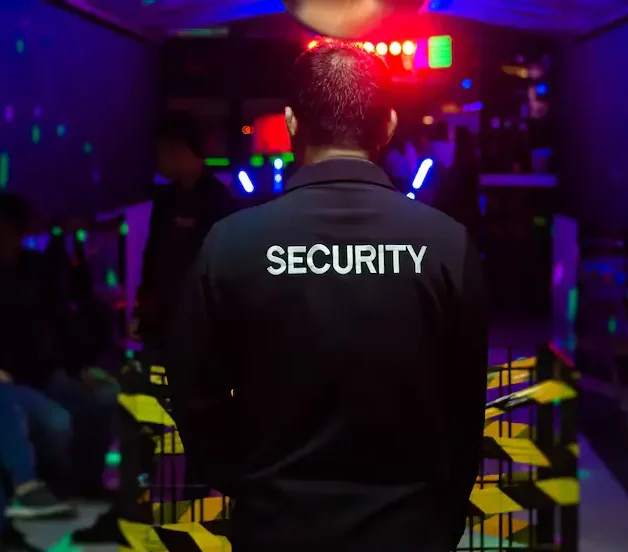

London has a large and varied private security industry, creating different opportunities for trained door supervisors. From busy nightclubs and pubs to hotels, concerts, festivals and private events, security professionals can work in many different environments across the capital.
For someone starting a security career, door supervision can be a practical way to gain experience, develop professional skills and understand how the wider security industry works.
However, finding opportunities is not only about having an SIA licence. Employers may also look for reliability, communication skills, confidence, good judgement and the ability to remain professional under pressure.
This guide explains the opportunities available to door supervisors in London and how new security workers can prepare for a successful career.
Understanding the London Security Industry
The private security industry covers many different types of work.
Door supervisors are particularly associated with licensed premises and entertainment venues, but their skills can also be useful at events and other busy locations.
A door supervisor may be responsible for:
- Controlling access
- Checking identification
- Monitoring entrances
- Managing queues
- Supporting venue safety
- Communicating with customers
- Monitoring behaviour
- Responding to incidents
- Working with other security staff
The exact duties depend on the employer and workplace.
Why London Offers Security Opportunities
London has a large hospitality and entertainment sector.
The city has nightclubs, pubs, bars, hotels, theatres, concert venues and event spaces that may require security services.
There are also major sporting events, festivals, exhibitions and private functions throughout the year.
This variety can be useful for door supervisors because it allows them to gain experience in different environments.
Nightclub Security Opportunities
Nightclubs are one of the most common environments associated with door supervision.
A door supervisor may control the entrance, check identification, manage queues and monitor customer behaviour.
The environment can become particularly busy at weekends and during special events.
Nightclub security can help new workers develop:
- Communication skills
- Crowd awareness
- Conflict-management skills
- Teamwork
- Decision-making
- Customer service
However, the work can also involve late nights and challenging situations.
Pub and Bar Security
Pubs and bars can provide another opportunity for door supervisors.
Some venues may need security during busy evenings, weekends or special occasions.
Responsibilities can include controlling entry, monitoring customers and supporting venue staff.
Working in this environment can help new security workers gain confidence when dealing with members of the public.
Hotel Security
Hotels provide a different type of security environment.
Security staff may support access control, guest safety, event operations and general security procedures.
Professional communication can be especially important in hotels because door supervisors and other security workers may interact with guests, employees and management.
People who prefer a more formal working environment may find hotel security appealing.
Event Security
London hosts a wide range of events.
These can include:
- Concerts
- Festivals
- Sporting events
- Exhibitions
- Conferences
- Corporate events
- Private functions
Event security can involve access control, crowd monitoring, restricted-area security and general safety support.
Large events often require teams of security professionals, making teamwork particularly important.
Concert and Entertainment Security
Concerts can create opportunities for trained security professionals.
A security team may monitor entrances, help control crowds and protect restricted areas.
The environment can be busy and fast-moving.
Good communication is essential because security workers may need to coordinate with colleagues, venue staff and event management.
Sporting Events
Sporting venues can also require security staff.
Door supervisors may work at football grounds, arenas and other sporting locations where crowd control and access management are important.
These environments can help security workers develop experience with large crowds.
Professional behaviour is particularly important because emotions can sometimes become intense during sporting events.
Private Event Security
Private functions can include corporate events, parties, celebrations and other gatherings.
Security requirements vary depending on the event.
Some functions may need entrance control, while others may require security staff to monitor specific areas.
Customer service skills can be valuable because private events often involve direct interaction with guests.
Restaurant and Hospitality Security
Some restaurants and hospitality venues may require security during busy periods or special events.
The role can involve controlling access, supporting staff and maintaining a safe environment.
A professional and polite approach is important because security workers are representing the venue while interacting with customers.
Working for Security Companies
Many door supervisors find work through private security companies.
A security company may provide staff to different venues across London.
This can allow workers to gain experience in multiple environments.
Before accepting a position, carefully check the employer and job details.
Understand the working hours, location, responsibilities and licence requirements.
Understanding the SIA Licence
The Security Industry Authority, commonly known as the SIA, regulates the private security industry in the UK.
Door supervision is a licensable security activity.
Anyone planning to carry out relevant door supervisor work generally needs the appropriate SIA licence.
Completing training is an important part of the process, but it does not automatically mean that you can work.
You should check the latest SIA requirements before applying for your licence or accepting relevant employment.
Door Supervisor Training
Appropriate training provides the foundation for entering the profession.
Training can cover important areas such as:
- Security responsibilities
- Relevant legislation
- Communication
- Conflict management
- Customer service
- Searching procedures
- Emergency procedures
- Physical intervention
The exact requirements should always be checked against current SIA guidance.
A good training experience can help beginners understand both the responsibilities and expectations of professional security work.
Skills Employers May Look For
Having the appropriate licence is important, but employers may also look for additional qualities.
Useful skills include:
Communication
You need to communicate clearly with customers, colleagues and supervisors.
Observation
Security workers should remain aware of their surroundings and notice potential problems.
Reliability
Employers need people who arrive on time and complete their duties.
Confidence
You may need to enforce venue rules and make decisions under pressure.
Patience
Not every customer will agree with security decisions. Staying calm is important.
Teamwork
Security operations often involve several people working together.
Professionalism
Your behaviour can affect your employer and the venue.
Finding Your First Opportunity
New security workers may feel unsure about where to begin.
Start by identifying the types of workplaces that interest you.
You can then search for suitable vacancies with security companies and venues.
Look carefully at each job description.
Check:
- Location
- Working hours
- Licence requirements
- Responsibilities
- Experience requirements
- Employer expectations
Do not apply for every vacancy without checking whether it is suitable for you.
Building a Strong CV
A professional CV can help you make a good first impression.
If you have no previous security experience, highlight transferable skills.
Previous employment in hospitality, retail or customer service can be useful.
Your CV can include:
- Relevant security training
- SIA licence information
- Previous employment
- Customer service experience
- Communication skills
- Teamwork
- Availability
Keep your information accurate and easy to read.
Preparing for Interviews
Security interviews may include questions about your previous experience and availability.
You may also receive scenario-based questions.
For example, an employer could ask how you would deal with an angry customer.
Your answer should show that you can remain calm, communicate clearly, prioritise safety and follow workplace procedures.
Avoid suggesting unnecessary confrontation.
Professional judgement is an important part of door supervision.
Working at Busy Venues
Some London security positions can involve large crowds.
Busy environments require strong observation and communication skills.
You may need to monitor several areas at once while remaining focused on your assigned responsibilities.
Listening to your supervisor and maintaining communication with colleagues can help the team respond effectively.
Managing Difficult Situations
Door supervisors may encounter difficult customers.
A person could become frustrated about entry requirements or venue policies.
Professional conflict management involves remaining calm and avoiding unnecessary escalation.
Listen where appropriate.
Explain decisions clearly.
Follow workplace procedures.
Ask for assistance when necessary.
The objective is to maintain safety and manage the situation professionally.
The Importance of Customer Service
Customer service is often overlooked when people think about security.
However, door supervisors regularly interact with customers.
A polite and professional approach can improve the customer’s experience while still enforcing venue rules.
You can be firm without being rude.
This balance can be particularly valuable in hospitality and entertainment environments.
Working as Part of a Team
Security is often a team-based profession.
You may work with other door supervisors, security managers, venue employees and event staff.
Good teamwork requires communication and cooperation.
Attend briefings carefully.
Understand your responsibilities.
Share relevant information with the appropriate team members.
Support colleagues when required.
Working Nights and Weekends
Many door supervisor positions involve evenings, nights and weekends.
This is especially common in nightlife security.
Before accepting a position, make sure you are comfortable with the schedule.
Consider how late shifts will affect your routine and travel arrangements.
Reliable attendance is essential.
Planning Your Journey
London is a large city, so travel should be considered when looking for security work.
A job may finish late at night, so check how you will get home.
Consider:
- Travel time
- Public transport
- Shift finishing time
- Distance
- Alternative travel arrangements
Planning ahead can help you avoid lateness.
Building Experience
Your first security position is an opportunity to develop practical experience.
You can learn how different venues operate and improve your communication skills.
Pay attention to experienced colleagues.
Take feedback seriously.
Learn from each shift.
The more experience you gain, the better you may understand which areas of security suit you.
Developing a Professional Reputation
A strong reputation can help you find future opportunities.
Be punctual.
Follow instructions.
Treat customers respectfully.
Communicate with your team.
Avoid unnecessary arguments.
Complete your duties properly.
Employers and supervisors are more likely to trust workers who consistently behave professionally.
Career Progression
Door supervision does not necessarily have to be your final career destination.
With experience and appropriate additional training, you may explore areas such as:
- Event security
- Venue security
- Security supervision
- Corporate security
- Security management
- Specialist security work
Your career progression will depend on your experience, qualifications and the requirements of the roles you pursue.
Moving Into Supervisory Work
Experienced door supervisors may eventually want to take on greater responsibility.
A security supervisor may coordinate staff, communicate with management and help organise security operations.
If you are interested in this direction, start developing leadership skills early.
Be reliable.
Communicate clearly.
Support your colleagues.
Learn how security teams operate.
Developing Your Skills
Your development should continue after you obtain your first job.
Focus on improving:
- Communication
- Observation
- Conflict management
- Customer service
- Decision-making
- Teamwork
- Leadership
- Professional conduct
Practical experience can help turn training knowledge into workplace confidence.
Common Mistakes to Avoid
New door supervisors should try to avoid common mistakes.
These include:
- Arriving late
- Ignoring instructions
- Being rude to customers
- Becoming involved in unnecessary arguments
- Failing to communicate with colleagues
- Exaggerating experience
- Ignoring venue procedures
- Treating physical intervention as the first solution
Professional security work requires responsibility and self-control.
How to Stand Out
You do not need years of experience to make a positive impression.
You can stand out by demonstrating:
- Reliability
- Punctuality
- Professionalism
- Good communication
- Willingness to learn
- Teamwork
- Customer service
Employers may value workers who can be trusted to perform consistently.
Choosing the Right Security Opportunity
Not every security job will suit every person.
Think about the type of environment you prefer.
If you enjoy nightlife, nightclub work may be suitable.
If you prefer events, concerts and festivals may provide interesting opportunities.
If you prefer a formal environment, hotels or corporate-related security may be worth exploring.
Your first role can help you discover your strengths.
Building a Long-Term Security Career
Think beyond your first job.
Ask yourself where you want your security career to go.
You may want to remain a door supervisor or eventually move into supervision, management or another specialist area.
Gaining relevant experience and continuing your professional development can help you work towards those goals.
Is London a Good Place for Door Supervisors?
London can be a strong location for people interested in door supervision because of its large hospitality, nightlife and events sectors.
The variety of workplaces can help security professionals gain experience in different environments.
However, the industry can also be demanding.
You should be prepared for late shifts, busy crowds, difficult situations and responsibility for safety.
Final Thoughts
The London Security Industry can provide a variety of opportunities for trained door supervisors.
From nightclubs and pubs to hotels, concerts, sporting events and private functions, there are different environments where security professionals can develop their careers.
The first step is understanding the appropriate training and SIA licensing requirements.
After that, focus on building practical skills, finding suitable employment and developing a strong professional reputation.
Communication, reliability, observation, teamwork and professionalism can make a major difference to your success.
Your first door supervisor job can be the beginning of a much wider security career. With experience, continued learning and the right attitude, you can explore new opportunities and work towards greater responsibility in the London security industry.
Frequently Asked Questions
What opportunities are available for door supervisors in London?
Door supervisors can find potential opportunities in nightclubs, pubs, bars, hotels, concerts, festivals, sporting events, private functions and other entertainment venues.
Do door supervisors need an SIA licence?
Yes. Relevant door supervision is a licensable security activity, so you generally need the appropriate SIA licence before carrying out the work.
Can beginners find door supervisor work in London?
Yes. Beginners can enter the industry after completing the appropriate training and meeting the relevant licensing requirements.
What skills are important for door supervisors?
Communication, observation, reliability, patience, teamwork, confidence, conflict management and professionalism are important skills.
Can door supervisors work at concerts and festivals?
Yes. Event security can provide opportunities at concerts, festivals, sporting events and other large gatherings.
Can door supervision lead to a wider security career?
Yes. With experience and suitable additional qualifications, door supervisors can explore event security, supervisory roles, corporate security and security management.
Is nightclub security suitable for beginners?
It can provide valuable experience, but nightlife security can be busy and challenging. Beginners should be prepared for late shifts, crowds and difficult situations.
How can I find security work in London?
You can search for vacancies with private security companies, venues, event-security providers and hospitality businesses. Always check the job requirements before applying.
Does customer service matter in security?
Yes. Door supervisors regularly interact with customers, so respectful and professional communication can be an important part of the role.
How can I build a successful career in the London security industry?
Start with appropriate training and licensing, gain practical experience, remain reliable, develop professional skills and continue learning as your career progresses.