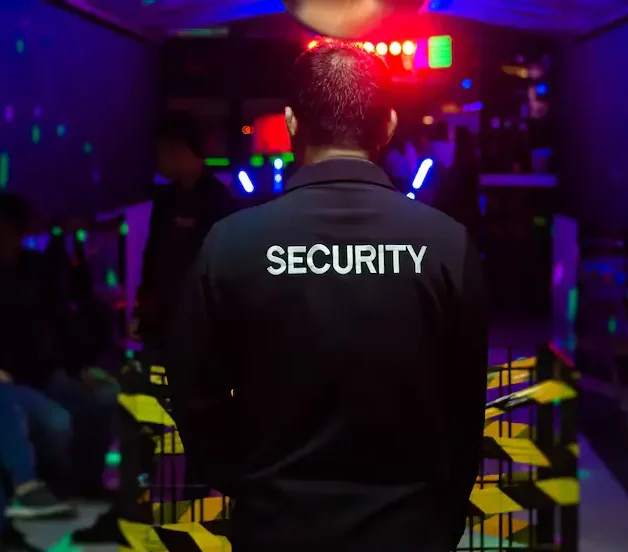

Starting a career in private security can be an excellent option for people who enjoy working with the public, staying active and taking responsibility. London offers a wide range of potential security environments, making it an attractive place for people interested in becoming a door supervisor.
For new applicants, finding the right first opportunity can sometimes feel difficult. You may have completed your training but still wonder where to look, which employers to approach and what type of workplace is suitable for your experience.
Understanding the different places where door supervisors work can help you make a more confident start.
Understanding London Door Supervisor Jobs
Door supervisors are trained security professionals who can work in relevant licensed premises and other suitable environments.
Their responsibilities can vary depending on the venue.
Typical duties may include:
- Controlling access
- Checking identification
- Monitoring entrances
- Managing queues
- Supporting customer safety
- Monitoring behaviour
- Responding to incidents
- Communicating with colleagues
- Following venue security procedures
The role is not simply about standing at an entrance.
Professional door supervision involves communication, observation, judgement and teamwork.
Why London Has Security Opportunities
London has a large hospitality, entertainment and events industry.
The city includes thousands of businesses and venues that may require security services.
Potential working environments include:
- Nightclubs
- Pubs
- Bars
- Hotels
- Restaurants
- Concert venues
- Festivals
- Sporting events
- Private functions
- Entertainment venues
This variety can be helpful for new security workers because you can explore different types of work and discover which environment suits you.
Starting With Nightclub Security
Nightclubs are one of the most recognisable workplaces for door supervisors.
A typical shift can involve checking identification, controlling entry, managing queues and monitoring customer behaviour.
Nightclub work can be fast-paced, particularly during weekends and special events.
It may suit people who are comfortable working in busy environments and communicating with large numbers of customers.
However, new workers should understand that nightlife security can also be challenging.
Late finishes, crowded venues and difficult situations require patience and professionalism.
Working in Pubs and Bars
Pubs and bars can also offer opportunities for door supervisors.
The environment may be smaller than a major nightclub, but security responsibilities can still be important.
Duties may include monitoring the entrance, supporting staff, managing queues and responding to customer issues.
Working in smaller venues can help beginners develop confidence when communicating with customers.
Hotel Security
Hotels provide another possible career direction.
Security staff in hotels may support access control, guest safety, event security and general venue security.
The environment can be more formal than nightlife.
Customer service skills can be particularly valuable because hotel security professionals regularly interact with guests and staff.
For someone who prefers a professional hospitality environment, hotel security may be worth considering.
Event Security
London hosts many events throughout the year.
These can include:
- Concerts
- Festivals
- Sporting events
- Exhibitions
- Conferences
- Private functions
Event security can involve controlling entrances, monitoring restricted areas, supporting crowd management and helping maintain a safe environment.
Large events often require multiple security workers, which can provide useful experience for people starting their careers.
Working at Concerts
Concert security can be an exciting environment for people who enjoy event-based work.
A security team may be responsible for entrances, crowd areas, backstage access and other restricted locations.
The exact duties depend on the event.
Good communication is particularly important because large concerts can involve thousands of people.
Sporting Events
Sporting venues can also require trained security professionals.
Security duties may include access control, crowd monitoring and supporting venue safety procedures.
Working at sporting events can help you gain experience in managing large crowds and working as part of a coordinated security team.
Private Events
Private events can include parties, corporate functions, celebrations and other gatherings.
Security requirements can vary significantly.
Some events may need access control, while others may require a visible security presence throughout the venue.
Professional customer service can be especially important at private functions.
Security Companies
New workers can also look for vacancies with private security companies.
Security companies may provide staff to different venues across London.
This can potentially give you exposure to several working environments.
When considering a security company, check the job details carefully.
Understand:
- The workplace location
- Working hours
- Duties
- Licence requirements
- Pay arrangements
- Company expectations
Always make sure you understand the employment arrangement before accepting work.
Checking Your SIA Licence Requirements
Door supervision is a licensable security activity.
If you want to carry out relevant door supervisor work, you generally need the appropriate SIA licence.
Completing training is an important part of the process, but training itself does not automatically mean that you can work.
Before applying for jobs, check the latest SIA requirements and make sure your licensing position is clear.
Training Before Looking for Work
If you are still considering training, choosing the right course is an important first step.
A recognised door supervisor training programme can introduce you to subjects such as:
- Security responsibilities
- Relevant legislation
- Communication
- Conflict management
- Customer service
- Searching procedures
- Emergency procedures
- Physical intervention
Training can help prepare you for the responsibilities of professional security work.
What New Security Workers Should Expect
Your first security job may not be your ideal position.
That is normal.
Your first role can be an opportunity to gain practical experience and understand how the industry works.
You may have to work different shifts or travel to different venues.
Focus on building experience and developing professional habits.
Over time, you can become more selective about the roles you want.
Building a Professional CV
A strong CV can help you attract employers.
If you do not have security experience, focus on transferable skills.
Previous work in retail, hospitality or customer service can demonstrate useful abilities.
Your CV should include:
- Relevant training
- SIA licence information
- Previous employment
- Communication skills
- Customer service
- Teamwork
- Availability
Keep the information accurate.
Never claim qualifications or experience you do not have.
Applying for Your First Job
When applying for London door supervisor jobs, read each vacancy carefully.
Check the location.
Check the working hours.
Understand the duties.
Make sure you meet the licence requirements.
If the position involves late-night work, consider how you will travel home.
Sending a large number of applications is not always the best approach.
Focus on suitable opportunities where your skills and availability match the employer’s requirements.
Preparing for Interviews
Security interviews may include general and scenario-based questions.
An employer may ask how you would deal with:
- An angry customer
- A person attempting to enter without meeting requirements
- A disagreement between customers
- An incident requiring assistance
Keep your answers professional.
Explain that you would remain calm, communicate appropriately and follow the correct procedures.
Avoid making yourself sound aggressive.
The Importance of Communication
Communication is one of the most important skills for new security workers.
You will regularly interact with customers and colleagues.
Speak clearly.
Listen carefully.
Avoid unnecessary arguments.
If you are unsure about a situation, communicate with your supervisor rather than making assumptions.
Learning From Your First Shifts
Your first few shifts can teach you a great deal.
Watch how experienced security workers communicate with customers.
Learn how your team handles different situations.
Understand venue procedures.
Ask appropriate questions.
Take feedback seriously.
Every shift can help you become more confident.
Being Reliable
Reliability is extremely important in security.
Employers need staff who arrive on time and complete their duties.
Plan your journey before the shift.
Allow extra time for travel.
Prepare your clothing and other requirements in advance.
If you develop a reputation for being dependable, it can help you secure future opportunities.
Choosing the Right Location
London is a large city, so location should be considered carefully.
A job may look attractive but become difficult if the commute is too long or the shift finishes when transport options are limited.
Before accepting regular work, consider:
- Travel time
- Shift finishing time
- Transport options
- Distance from home
- Frequency of shifts
A realistic commute can help you remain reliable.
Understanding Night Work
Many door supervisor jobs involve evenings and nights.
This is particularly common in nightlife venues.
New workers should understand that late shifts can affect their daily routine.
Make sure you are comfortable with the schedule before accepting the position.
Working Weekends
Friday and Saturday nights can be particularly busy for nightlife venues.
Events can also take place throughout weekends.
Being available at weekends may increase the range of opportunities you can consider.
However, do not promise availability that you cannot maintain.
Developing Your Security Skills
Your first job is a chance to develop practical skills.
Focus on improving:
- Communication
- Observation
- Conflict management
- Customer service
- Teamwork
- Decision-making
- Professional conduct
These skills can help you become more effective and prepare you for future roles.
Handling Difficult Customers
Difficult customers are one of the challenges of door supervisor work.
Someone may become frustrated about being refused entry or asked to follow a venue rule.
Remain calm.
Do not respond emotionally.
Use professional communication.
Follow your employer’s procedures.
If the situation becomes serious, seek assistance from colleagues or a supervisor as appropriate.
Working as Part of a Team
Security teams depend on communication.
You may work alongside several other door supervisors.
Everyone should understand their responsibilities.
If something changes, communicate with the appropriate team member.
Do not assume that everyone knows what you have seen or heard.
Good teamwork can improve safety and make difficult situations easier to manage.
Building a Good Reputation
Your first jobs can help establish your reputation in the industry.
Be professional from the beginning.
Arrive on time.
Follow instructions.
Treat people respectfully.
Avoid unnecessary conflict.
Complete your duties properly.
A strong reputation can make it easier to gain trust from supervisors and employers.
Common Mistakes New Workers Should Avoid
New security workers should avoid several common mistakes.
These include:
- Arriving late
- Ignoring instructions
- Being rude to customers
- Becoming involved in unnecessary arguments
- Exaggerating experience
- Failing to communicate with colleagues
- Ignoring workplace procedures
- Treating physical confrontation as the main purpose of the job
Professional security work is about safety and responsibility.
Career Progression
Your first door supervisor job can become the beginning of a wider career.
With experience and appropriate additional training, you may explore:
- Event security
- Venue security
- Security supervision
- Corporate security
- Security management
- Specialist security positions
Think about your long-term goals as you gain experience.
Moving Into Supervisory Roles
If you enjoy security work, you may eventually want more responsibility.
Supervisory roles can involve coordinating other security staff, communicating with management and helping organise security operations.
Develop leadership skills early.
Be dependable.
Communicate clearly.
Learn how professional teams operate.
Developing Customer Service Skills
Customer service can make a significant difference to your career.
Many venues want security staff who can protect customers while also treating them respectfully.
Good customer service can help you build stronger relationships with venue staff and customers.
Staying Professional Under Pressure
Busy environments can create stressful situations.
The ability to stay calm can help you make better decisions.
Do not let another person’s behaviour control your response.
Focus on safety.
Follow procedures.
Communicate with your team.
Professional behaviour is especially important when working in public-facing security.
Continuing Your Development
Your first job should not be the end of your learning.
Look for opportunities to develop your knowledge and skills.
You may consider additional training as your career develops.
Keep yourself informed about relevant licensing requirements and workplace expectations.
Continuous improvement can help you remain competitive.
How New Workers Can Stand Out
You do not need years of experience to make a good impression.
You can stand out by being:
- Reliable
- Professional
- Punctual
- Respectful
- Willing to learn
- A good communicator
- Helpful to your team
Employers often value workers who can be trusted to perform their duties consistently.
Is London a Good Place to Start?
London can offer a wide variety of security environments.
For a new door supervisor, this can provide opportunities to gain experience in different settings.
You may begin in a pub or nightclub and later move into event or hotel security.
The key is to focus on gaining useful experience while maintaining professional standards.
Final Thoughts
London Door Supervisor Jobs can provide a practical starting point for people who want to enter the private security industry.
New workers can look for opportunities in nightclubs, pubs, bars, hotels, events, concerts, sporting venues and private functions.
Before carrying out relevant licensable door supervision work, make sure you understand the current SIA training and licensing requirements.
Once you have completed the appropriate process, focus on finding a suitable first role, developing your skills and building a strong professional reputation.
Your first job does not need to be your final destination. With experience, reliability and continued development, door supervision can provide a foundation for a wider security career in London.
Frequently Asked Questions
Where can new door supervisors find work in London?
New door supervisors may find opportunities in nightclubs, pubs, bars, hotels, events, concerts, sporting venues and private functions.
Do I need an SIA licence to work as a door supervisor?
Yes. Relevant door supervision is a licensable security activity, so you generally need the appropriate SIA licence before carrying out the work.
Can I get a door supervisor job without previous experience?
Yes. Beginners can enter the industry after completing the appropriate training and meeting the relevant SIA licensing requirements.
What is the best first job for a new door supervisor?
There is no single best option. Nightclubs, pubs, events, hotels and other venues can all provide useful experience. Choose a role that matches your skills, availability and career goals.
What skills do employers want from new door supervisors?
Employers may value communication, reliability, teamwork, observation, customer service, professionalism and the ability to remain calm under pressure.
Are London door supervisor jobs available at night?
Many nightlife security positions involve evening and night shifts. Event and hotel security may operate on different schedules.
Can door supervisor work lead to career progression?
Yes. Experience and suitable additional qualifications can help you move towards event security, supervisory positions, corporate security or security management.
How can I prepare for my first security interview?
Review your training, understand the responsibilities of the role and practise answering scenario-based questions about communication, conflict management and safety.
Is customer service important for door supervisors?
Yes. Door supervisors regularly interact with customers, so professional and respectful communication is an important part of the role.
How can a new security worker build a good reputation?
Be punctual, reliable and professional, follow workplace procedures, communicate with your team and treat customers respectfully. Consistent performance can help you build trust with employers.