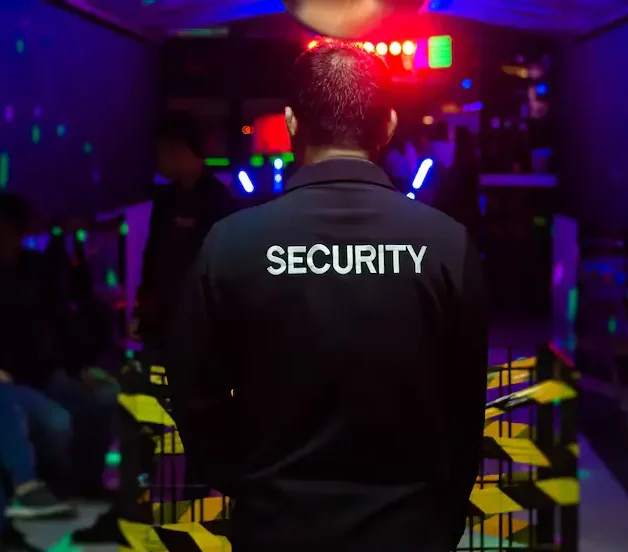

If you are planning to start a career in private security, SIA Door Supervisor Training London can be an important first step. Door supervisors work in a wide range of environments across the capital, including nightclubs, pubs, bars, hotels, events, concerts and other busy venues.
For beginners, the training process can seem unfamiliar. You may have questions about what you will study, how practical training works, what assessments involve and what happens after completing the course.
Understanding what to expect can make the experience much easier.
A door supervisor course is designed to give learners the knowledge and practical skills needed for relevant security work. It also forms an important part of the process for people who want to apply for the appropriate SIA licence.
This guide explains what beginners should know before starting SIA door supervisor training in London.
What Is SIA Door Supervisor Training?
Door supervisor training is security training designed for people who want to work in relevant door supervision roles.
The Security Industry Authority, commonly known as the SIA, regulates the private security industry in the UK.
The required training helps learners understand the responsibilities involved in door supervision.
Depending on the current requirements, training can cover subjects such as:
- Security responsibilities
- Relevant legislation
- Communication
- Conflict management
- Customer service
- Searching procedures
- Emergency procedures
- Physical intervention
- Personal safety
- Incident management
The course is intended to prepare learners for the responsibilities they may face in professional security work.
Why Training Matters
Working as a door supervisor involves responsibility.
You may be required to control access to a venue, deal with difficult situations, monitor customers and respond to incidents.
Without appropriate preparation, a new security worker may struggle to understand how to handle these situations professionally.
Training provides a structured introduction to the industry.
It can help you understand not only what to do but also why professional security procedures matter.
Is Training Suitable for Beginners?
Yes. Door supervisor training is designed to help people enter the security industry, so you do not normally need years of security experience before starting.
Beginners come from many different backgrounds.
You may have previously worked in:
- Hospitality
- Retail
- Customer service
- Events
- Warehousing
- Transport
- Other public-facing jobs
Some of these experiences can provide useful transferable skills.
However, you should be prepared to learn new procedures and responsibilities.
What to Expect on the First Day
Your first day may involve an introduction to the course, the training provider and the subjects you will study.
The trainer may explain the course structure, assessment process and expectations.
You may also begin learning about the role of a professional door supervisor and the wider private security industry.
Do not worry if you are unfamiliar with security terminology.
A good training programme should explain the material clearly and give learners opportunities to ask questions.
Learning About the Security Industry
One important part of training is understanding the role of security professionals.
You can learn about the responsibilities of a door supervisor and the importance of working within legal and workplace requirements.
This can help beginners understand that security work is not simply about dealing with trouble.
Professional security involves prevention, communication, observation, access control and appropriate incident management.
Understanding Legal Responsibilities
Door supervisors operate within a legal and regulatory framework.
Training can introduce learners to relevant legislation and explain how it affects their responsibilities.
Understanding legal boundaries is important.
A security worker should know what they are permitted to do and when they need to involve management, emergency services or other appropriate authorities.
Do not assume that being employed as security staff gives you unlimited authority.
Professionalism means understanding your responsibilities and working within the correct boundaries.
Communication Training
Communication is one of the most valuable skills for a door supervisor.
You may need to speak with customers, colleagues, venue managers and emergency personnel.
Training can help you understand how to communicate clearly and professionally.
The way you speak to someone can influence how they respond.
For example, explaining why a customer cannot enter a venue may be more effective than simply giving a short or aggressive response.
Good communication can prevent many situations from becoming more serious.
Conflict Management
Conflict management is another important area.
Door supervisors can encounter customers who are angry, frustrated or unwilling to follow venue rules.
Training can introduce strategies for dealing with conflict calmly.
The objective is not to dominate the other person.
Instead, you should aim to maintain safety, communicate clearly and prevent unnecessary escalation.
Learning how to remain calm under pressure can be extremely useful when you begin working.
Customer Service Skills
Security and customer service may seem like completely different areas, but they often overlap.
Door supervisors frequently interact with customers.
You may be responsible for checking identification, explaining entry requirements or answering questions.
A professional attitude can improve the customer experience while still maintaining security.
You can be polite and approachable without compromising venue rules.
Searching Procedures
Depending on the course and current requirements, learners may be introduced to searching procedures.
Searching can be an important part of access control at certain venues.
It must be carried out professionally and according to the relevant rules and workplace procedures.
Communication is important during this process.
Customers should understand what is happening and why.
Physical Intervention Training
Physical intervention is another area that can form part of door supervisor training.
Beginners sometimes assume this section is mainly about physical strength.
That is not the right way to approach it.
Training focuses on appropriate techniques, safety and the circumstances in which physical intervention may be required.
Practical exercises should be taken seriously.
Follow the trainer’s instructions and understand that physical intervention should never be used unnecessarily.
Practical Training
Door supervisor training can include practical exercises as well as classroom-based learning.
Practical sessions can help learners understand how certain procedures work in realistic situations.
You may participate in scenarios involving communication, conflict management or physical intervention.
These exercises are designed to build confidence and understanding.
If you are nervous at first, that is normal.
Participating actively can help you become more comfortable with the responsibilities of the role.
What Are the Assessments Like?
Training includes assessments designed to check your understanding.
The exact format depends on the current qualification and training provider.
Some assessments may test your knowledge, while practical elements may assess your ability to apply specific skills.
The best way to prepare is to pay attention throughout the course.
Do not wait until the final day to begin studying.
Take notes, ask questions and review difficult topics.
How to Prepare Before the Course
Preparation can make your training experience easier.
Before attending, confirm:
- Course dates
- Training location
- Start and finish times
- Required documents
- Clothing requirements
- Assessment arrangements
- Any materials you need to bring
Arrive on time.
Being punctual shows professionalism and allows you to start the training without unnecessary stress.
What Should You Wear?
Your training provider may provide specific instructions about clothing.
If practical training is included, comfortable clothing and suitable footwear may be required.
Always follow the provider’s instructions rather than assuming what is appropriate.
You should be prepared for both classroom and practical activities.
How to Get the Most From Training
Simply attending the course is not enough.
Try to participate actively.
Ask questions if something is unclear.
Listen to your trainer.
Take notes.
Practise communication techniques.
Take practical exercises seriously.
You should aim to understand the reasoning behind security procedures rather than simply memorising information for an assessment.
Building Confidence During Training
Many beginners worry about their first practical exercises.
You may feel uncomfortable speaking in front of other learners or taking part in scenarios.
Confidence usually improves with practice.
Use the training environment as a safe opportunity to learn.
Make mistakes, listen to feedback and try again.
Your goal is to develop skills that you can use professionally after completing the course.
What Happens After Training?
Completing the required training is an important stage, but it does not automatically mean you can start working as a door supervisor.
You may need to apply for the appropriate SIA licence and meet the organisation’s other requirements.
The application process should be completed according to the latest SIA guidance.
Once you have the relevant licence, you can begin searching for suitable employment opportunities.
Finding Door Supervisor Jobs in London
London has many different security environments.
After meeting the relevant requirements, you can search for vacancies with:
- Security companies
- Nightclubs
- Pubs
- Bars
- Hotels
- Event-security providers
- Concert venues
- Entertainment businesses
Always check whether a vacancy requires a current SIA licence and whether you meet the employer’s other requirements.
Preparing Your CV
If you are new to security, you may not have much industry experience.
That does not mean your CV has to be weak.
Include relevant transferable experience.
For example, hospitality and retail jobs can demonstrate customer service and communication skills.
Your CV can include:
- Security training
- SIA licence status
- Previous employment
- Customer service experience
- Communication skills
- Teamwork
- Availability
Keep the document clear and professional.
Preparing for Your First Interview
Security employers may ask you about your training, experience and availability.
They may also give you scenario-based questions.
For example, you might be asked how you would respond to an angry customer.
Your answer should demonstrate calm communication, safety awareness and a willingness to follow procedures.
Avoid suggesting that physical confrontation is your first response.
Professional judgement is important.
Working in London’s Nightlife
Many door supervisors work in nightlife venues.
London’s busy entertainment industry can provide a variety of potential opportunities.
Nightclub work may involve:
- Managing queues
- Checking identification
- Controlling access
- Monitoring customer behaviour
- Responding to incidents
- Working with other security staff
The environment can be busy and sometimes stressful.
You should be prepared for late-night and weekend shifts.
Working at Events
London hosts many concerts, festivals and sporting events.
Event security can provide another employment route for trained door supervisors.
The work may involve controlling entrances, monitoring restricted areas and supporting crowd management.
Large events require strong teamwork.
You may also need to follow detailed instructions from supervisors and event management.
Hotel and Hospitality Opportunities
Hotels can provide a different working environment.
Security professionals may support guest safety, access control and event operations.
Customer service can be particularly important in this environment.
If you prefer a more formal setting, hotel security may be worth exploring after you have completed your training and licensing requirements.
Working Hours
Door supervisor work can involve flexible but unusual schedules.
You may be expected to work:
- Evenings
- Nights
- Weekends
- Public holidays
- Special events
Before accepting a job, understand the expected schedule.
Also consider how you will travel home after late shifts.
Travel Around London
London’s size means travel can affect your job choices.
A position may look attractive until you discover that the journey home after a late shift is difficult.
Check transport options before accepting regular work.
Plan your journey carefully and allow enough time to arrive before the shift begins.
Reliability is extremely important in security.
Skills to Develop After Training
Training provides a foundation, but your development should continue after you start working.
Focus on improving:
- Communication
- Observation
- Conflict management
- Customer service
- Teamwork
- Decision-making
- Professional conduct
Experience can help you become more confident.
Listen to experienced colleagues and learn from constructive feedback.
Common Beginner Mistakes
New door supervisors can make mistakes when they are unfamiliar with the industry.
Common problems include:
- Not checking current licensing requirements
- Arriving late
- Ignoring workplace procedures
- Failing to prepare for interviews
- Exaggerating experience
- Poor communication
- Treating customers disrespectfully
- Assuming physical strength is the main requirement
Avoiding these mistakes can help you establish a professional reputation.
What Employers Look For
Employers often want more than a licence.
They may look for people who are:
- Reliable
- Professional
- Calm
- Confident
- Observant
- Team-oriented
- Good communicators
- Willing to learn
If you demonstrate these qualities consistently, you can improve your chances of securing work and progressing in the industry.
Is SIA Door Supervisor Training Worth It?
For people who want to enter private security, appropriate door supervisor training can be a valuable investment.
It provides structured preparation and introduces learners to the responsibilities of the profession.
London also offers a wide variety of potential security environments.
However, you should understand that training is only one part of your career journey.
You will also need to follow the relevant licensing process and develop practical workplace experience.
Building a Long-Term Security Career
Door supervision can be a starting point rather than the final destination.
After gaining experience, you may decide to explore:
- Event security
- Venue security
- Security supervision
- Corporate security
- Security management
- Specialist security roles
Additional training and experience may be required for different positions.
Think about your long-term goals and continue developing your skills.
Final Thoughts
SIA Door Supervisor Training London can provide beginners with an important foundation for entering the private security industry.
The training introduces key subjects such as communication, conflict management, searching procedures, emergency response and physical intervention.
After completing the required training, you must follow the appropriate SIA licensing process before carrying out relevant licensable work.
Once licensed, London offers many potential environments where door supervisors can gain experience, from nightclubs and pubs to hotels, events and concerts.
Take your training seriously, ask questions, practise your skills and approach your first security job professionally.
With the right preparation and attitude, door supervisor training can become the first step towards a wider career in professional security.
Frequently Asked Questions
What is SIA Door Supervisor Training?
It is recognised security training for people who want to work in relevant door supervision roles. It covers important knowledge and practical skills needed for professional security work.
Can beginners take SIA door supervisor training?
Yes. The training is designed to prepare people for the role, including applicants who have no previous security experience.
Do I need an SIA licence after completing training?
If you want to carry out relevant licensable door supervision work, you generally need the appropriate SIA licence. Training is part of the overall licensing route.
What do you learn during door supervisor training?
Training can cover security responsibilities, legislation, communication, conflict management, customer service, searching, emergency procedures and physical intervention.
Is physical intervention part of the training?
Physical intervention can form part of the required door supervisor training. Learners are taught appropriate techniques and safety principles.
How should I prepare for door supervisor training?
Check your course details, arrive on time, bring the required documents and materials, wear suitable clothing and be prepared to participate actively.
Can I work in London after completing the course?
You need to meet the relevant SIA licensing requirements before carrying out licensable door supervisor work. Once appropriately licensed, you can apply for suitable jobs.
Where can a door supervisor work in London?
Potential workplaces include nightclubs, pubs, bars, hotels, concerts, festivals, sporting venues, private events and other entertainment locations.
What skills are important for a door supervisor?
Communication, patience, observation, confidence, teamwork, reliability and professionalism are all valuable.
Can door supervisor training lead to other security careers?
Yes. With experience and suitable additional qualifications, door supervisors can explore areas such as event security, security supervision, corporate security and security management.