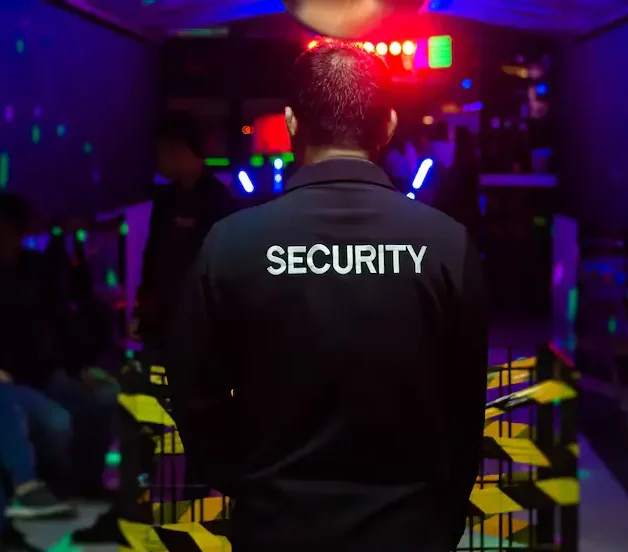

A Door Supervisor Course in London can be the starting point for a career in the private security industry. For people who are interested in working in nightclubs, pubs, events, entertainment venues and licensed premises, gaining the right qualification can provide a foundation for entering the sector.
However, completing a course is only the beginning. A successful career as a Door Supervisor can involve obtaining an SIA licence, finding your first role, gaining practical experience and developing additional skills over time.
The London security industry is broad, which means there can be opportunities for people who are reliable, professional and willing to continue learning.
Starting With a Door Supervisor Course
The first stage is completing the recognised training required for a Door Supervisor licence.
The SIA states that applicants for a front-line Door Supervisor licence need a recognised licence-linked qualification and must complete their training through an approved training provider.
Current requirements can change, so it is important to check the latest SIA guidance before booking a course.
For new applicants, the qualification must meet the current requirements, and applicants must also have the required first aid qualification before undertaking the relevant training.
Getting Your SIA Licence
After successfully completing the required qualification and assessments, the next major step is applying for your SIA licence.
The SIA requires applicants to meet its licensing criteria, which include identity checks, qualification requirements, criminal record checks and, in most cases, the right to work in the UK. Applicants must also be at least 18 years old.
Having the correct licence is essential when working in roles that legally require Door Supervisor licensing.
A qualification alone does not automatically give you permission to work as a licensed Door Supervisor.
Finding Your First Door Supervisor Job
Once you have your qualification and licence, you can start looking for entry-level security work.
New Door Supervisors may consider opportunities at:
- Nightclubs
- Pubs and bars
- Hotels
- Concert venues
- Sporting events
- Festivals
- Entertainment venues
- Licensed premises
- Private events
Your first job may not be your ideal position, but it can provide valuable experience.
Focus on finding an employer where you can learn, develop professional habits and build a strong employment record.
Building Experience in London
Experience is particularly valuable in security work.
When you first start, you may learn how different venues operate and how security teams communicate during busy periods.
You can gradually become more confident with:
- Entry control
- Customer interaction
- Conflict management
- Crowd awareness
- Incident reporting
- Team communication
- Emergency procedures
- Venue security policies
Every shift can provide an opportunity to improve your professional skills.
Developing Strong Communication Skills
Communication can have a major effect on your career progression.
A Door Supervisor may need to speak with customers, colleagues, venue managers and emergency services. Being able to communicate clearly and remain professional during difficult conversations can make you a more valuable member of a security team.
Employers may also look for people who can represent their venue professionally.
Confidence should come from knowledge and experience rather than aggression.
Progressing to More Responsibilities
As you gain experience, you may become interested in positions involving greater responsibility.
Depending on the employer and your experience, career progression could include roles such as:
Door Supervisor → Experienced Security Operative → Senior Door Supervisor → Team Leader → Security Supervisor → Security Manager
The exact job titles and progression opportunities vary between companies.
Some experienced security professionals may eventually move away from regular door work and into supervisory, operational or management positions.
Moving Into Event Security
London hosts a large variety of events throughout the year, making event security another area that may interest experienced Door Supervisors.
Event work can include concerts, festivals, sporting events, corporate functions and other large gatherings.
The environment can be different from a nightclub or pub.
You may be involved in access control, crowd monitoring, queue management, security checks and supporting emergency procedures.
Event work can also help you gain experience working as part of larger security teams.
Working in Nightlife Security
Nightlife remains one of the most familiar areas of Door Supervisor work.
London has numerous licensed venues where security staff may be responsible for entrance control, monitoring behaviour, dealing with conflict and supporting the safety of customers and staff.
Nightlife security can be demanding because of late working hours and the possibility of dealing with challenging behaviour.
It can nevertheless provide useful experience for someone starting a security career.
Developing Customer Service Skills
Security and customer service often overlap.
A Door Supervisor may be the first member of venue staff a customer meets.
Being polite, approachable and professional can therefore make a positive impression.
Strong customer service skills can also help you deal with difficult situations without unnecessarily escalating them.
These skills can become increasingly valuable if you want to progress into supervisory or management positions.
Improving Your Conflict Management Skills
Conflict management is an essential part of professional Door Supervision.
You may encounter disagreements over entry decisions, venue rules or customer behaviour.
Experienced Door Supervisors learn to recognise potential problems early and communicate appropriately.
Developing strong de-escalation skills can help you manage situations more professionally and reduce unnecessary confrontation.
Keeping Your Licence Current
Career development does not stop after obtaining your first SIA licence.
The SIA has introduced refresher training requirements for Door Supervisor licence renewals. The current guidance states that Door Supervisors renewing their licence need the relevant refresher qualification as well as their existing licence-linked qualification.
An appropriate first aid qualification is also required before undertaking the refresher training.
Keeping up with current requirements is therefore an important part of maintaining your career.
Considering Additional Security Training
Once you have experience as a Door Supervisor, you may decide to develop additional security skills.
Further training can help you broaden your knowledge and potentially explore different areas of the private security industry.
The SIA explains that licence-linked training covers the core areas of the role, while additional training can be taken when appropriate or necessary.
Before paying for additional training, research the qualification carefully and check whether it is recognised or relevant to the type of work you want.
Job Prospects for Door Supervisors in London
Job prospects depend on factors such as experience, availability, qualifications, location and employer requirements.
London provides a wide range of security environments, which can give licensed Door Supervisors different types of work to consider.
However, having an SIA licence does not guarantee employment.
Employers may also consider your:
- Previous experience
- Reliability
- Communication skills
- Professional appearance
- Customer service ability
- Conflict management skills
- Availability
- Teamwork
- Knowledge of security procedures
Building a strong reputation can therefore be just as important as obtaining your initial qualification.
What Employers May Look For
Employers generally want security professionals who can be trusted to perform their duties responsibly.
When applying for Door Supervisor jobs, highlight relevant strengths such as punctuality, communication, teamwork and experience dealing with customers.
If you have previous experience in hospitality, customer service, events or other people-facing roles, explain how those skills can transfer into security work.
A professional CV can also help you make a stronger first impression.
How to Improve Your Career Prospects
There are several practical ways to become more competitive in the security industry.
Start by taking your initial training seriously.
After obtaining your licence, build reliable work experience and maintain professional standards on every shift.
You can also improve your prospects by developing communication, customer service, report-writing and leadership skills.
Networking can also be useful. Positive relationships with supervisors, colleagues and employers may help you hear about future opportunities.
The Importance of Reliability
Security companies need people they can depend on.
Arriving late, missing shifts or failing to follow instructions can quickly damage your professional reputation.
On the other hand, being punctual, prepared and dependable can help you build trust with employers.
If you want a long-term career in security, treat every shift as part of your professional reputation.
Can Door Supervision Become a Long-Term Career?
Yes, Door Supervision can become a long-term career for people who enjoy the work and continue developing their skills.
Some people remain focused on Door Supervisor roles, while others use their experience as a foundation for progressing into supervisory or other security positions.
The key is to avoid viewing the first job as the final destination.
Think about where you would like your career to go and identify the skills and experience needed to reach the next stage.
Important Changes to Check Before Training
SIA requirements can change, so always verify the latest information before booking a course.
For example, in July 2026 the SIA updated its guidance concerning BIIAB. The SIA stated that it would no longer accept qualifications granted by BIIAB on or after 10 August 2026, while qualifications granted before that date remain accepted.
This shows why checking current requirements is important when choosing a training provider or qualification.
The SIA also provides a search tool for finding training providers, although it explains that training providers are approved by awarding organisations rather than directly vetted by the SIA.
A Simple Career Roadmap
For someone starting from scratch, the career journey can look like this:
Learn → Train → Pass assessments → Obtain qualification → Apply for SIA licence → Find first job → Gain experience → Develop skills → Take additional training → Progress
Your own route may be different depending on your goals.
Some people may want regular nightlife work, while others may prefer events, hospitality security or eventually move towards supervisory responsibilities.
Frequently Asked Questions
Is a Door Supervisor Course the first step to a security career in London?
For someone who wants to work in a role requiring a Door Supervisor licence, completing the appropriate recognised training is an important first step. You must then meet the SIA’s licensing requirements.
Do I need an SIA licence to work as a Door Supervisor?
Yes, where the role involves licensable Door Supervisor activities, an appropriate SIA licence is required.
Can beginners become Door Supervisors?
Yes. The recognised training and assessment process is designed to provide new applicants with the knowledge and skills required for the role.
Where can Door Supervisors work in London?
Potential workplaces include nightclubs, pubs, bars, events, entertainment venues, hotels and other licensed premises.
Can Door Supervisors progress into management?
With experience and suitable skills, some security professionals progress into senior, supervisory or management positions. The opportunities depend on the employer and individual career development.
Is event security a good option after Door Supervisor training?
Event security can be an option for licensed Door Supervisors who want to gain experience in concerts, festivals, sporting events and other large gatherings.
Do Door Supervisors need refresher training?
Yes. Current SIA rules require relevant refresher training for Door Supervisor licence renewal.
Can I work as a Security Guard with a Door Supervisor licence?
The regulated professions guidance states that a Door Supervisor licence also allows the holder to perform the role of a Security Guard.
What skills can improve my job prospects?
Communication, conflict management, customer service, teamwork, observation, report writing, reliability and leadership skills can all strengthen your professional profile.
Is Door Supervision a good long-term career?
It can be, particularly for people who enjoy security work and continue building experience and professional skills. The role can provide a foundation for broader responsibilities within the private security industry.
Conclusion
A Door Supervisor Course in London can provide the foundation for entering the private security industry, but your career journey does not end when you complete your training.
The next stages involve obtaining the appropriate SIA licence, finding your first opportunity, gaining experience and developing the professional skills employers value.
With reliability, strong communication, good conflict-management abilities and a willingness to continue learning, you can build a career that goes beyond entry-level Door Supervisor work.
Most importantly, always check the latest SIA requirements before booking training or applying for a licence. Current rules and accepted qualifications can change, and using up-to-date official guidance can help you make a safer career decision.