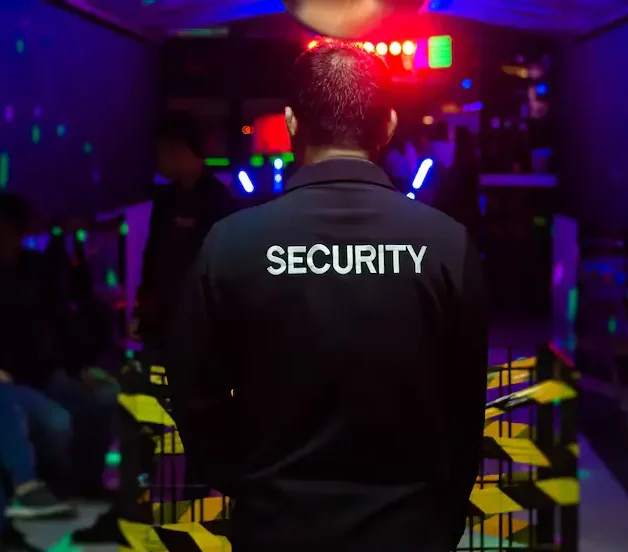

Starting a career in private security can be an attractive option for people who enjoy working with the public, staying alert and taking responsibility for safety. For many new security professionals, a Door Supervisor Course in London is one of the most useful starting points.
Door supervisors work in a wide range of environments, including nightclubs, pubs, bars, hotels, events and licensed venues. However, you cannot simply start working as a door supervisor after completing an ordinary security course. You need the appropriate qualification and an SIA licence before carrying out licensable door supervision work.
The Security Industry Authority (SIA) requires applicants for a front-line licence to complete a licence-linked qualification before applying. The current SIA guidance was updated in July 2026, so checking the latest requirements is particularly important.
What Is a Door Supervisor?
A door supervisor is a licensed security professional who helps maintain safety and security at licensed premises and other venues.
The job can involve much more than standing at an entrance. Depending on the assignment, responsibilities can include checking identification, controlling access, monitoring customers, preventing problems, responding to incidents and communicating with venue management or emergency services when necessary.
Door supervisors need to remain professional even when dealing with difficult or stressful situations.
Why Start With a Door Supervisor Course in London?
London has a large hospitality, entertainment and events sector, making it an important market for private security workers.
A Door Supervisor Course can provide the foundation needed to apply for an SIA Door Supervisor licence. The qualification also has an advantage for people who want flexibility because an SIA Door Supervisor licence can cover security guard work as well as door supervision.
This can allow qualified security professionals to consider different types of assignments rather than limiting themselves to nightlife venues.
What Training Do You Need?
Before applying for a front-line SIA licence, you need to obtain the appropriate licence-linked qualification.
For a first-time Door Supervisor applicant, the SIA currently accepts the relevant Level 2 Award for Working as a Door Supervisor in the Private Security Industry from recognised awarding organisations.
The training is designed to give learners the knowledge and practical skills required for the role.
Topics can include:
- Private security responsibilities
- Relevant law
- Health and safety
- Door supervision
- Conflict management
- Physical intervention
- Professional conduct
- Emergency procedures
The training requirements have changed over time, so older information found online may no longer be accurate.
First Aid Is an Important Requirement
First aid is an important part of the process.
The SIA currently requires learners to have an appropriate first aid qualification before taking the training required for a full Door Supervisor qualification. The first aid qualification must have at least 12 months remaining when the relevant training is taken.
This requirement means you should check the first-aid arrangements before booking your course.
Some London training providers include Emergency First Aid at Work training within their course package, while others may require you to complete it separately. Always check exactly what is included in the advertised price.
What Happens During the Course?
A Door Supervisor Course combines classroom learning, assessment and practical training.
You can expect to study the legal and professional responsibilities of security staff and learn how to deal with situations that could occur during security work.
Conflict management is particularly important. Door supervisors may need to refuse entry, ask someone to leave or deal with disagreements between customers. Learning how to communicate calmly can help prevent situations from becoming more serious.
Physical intervention training is another important component. This focuses on approved techniques and safe procedures rather than simply teaching physical force.
The SIA’s published training information identifies areas including the common security industry unit, door supervisor specialist content, conflict management and physical intervention.
How Long Does the Training Take?
Course length can vary depending on the qualification structure, delivery method and training provider.
SIA guidance has changed the delivery requirements over recent years, and the 2026 changes include updated arrangements for licence-linked training. Training can use a mixture of self-study, virtual classroom and face-to-face learning where permitted by the qualification and provider.
When comparing London courses, look at the complete timetable rather than relying only on a provider’s headline claim about course length.
A very short course is not necessarily better. What matters is whether it leads to a qualification accepted by the SIA and whether the training meets the relevant requirements.
How to Choose the Right London Training Provider
Choosing the right provider can make your training experience much easier.
One important point is often misunderstood: the SIA does not directly approve or vet individual training providers. Training providers are approved by awarding organisations that offer SIA licence-linked qualifications.
Before paying for a course, check:
- Which qualification you will receive
- Which awarding organisation issues it
- Whether the provider is currently approved
- Whether first aid is included
- Course dates and location
- Assessment arrangements
- Resit arrangements
- Total cost
- Whether practical training is included
- What learner support is available
The SIA provides an online search tool for finding training providers offering licence-linked training.
Be Careful With “SIA Approved” Advertising
One of the easiest mistakes for a new learner is assuming that a company advertising itself as “SIA approved” has been directly approved by the SIA.
The SIA specifically warns that it does not approve or vet training providers. Providers are approved by the awarding organisations responsible for the qualifications.
Therefore, check the provider’s awarding-body approval rather than relying only on advertising language.
This simple step can help you avoid paying for unsuitable training.
What Happens After You Pass?
Completing the course does not automatically mean you can start working immediately.
First, you need to successfully achieve the required qualification. The awarding organisation then sends confirmation of your qualification to the SIA. The SIA must receive this notification before you can submit your licence application.
You then apply for your SIA licence and complete the required checks.
For a first-time application, the SIA says the qualification must have been obtained within the previous three years.
Applying for Your SIA Door Supervisor Licence
After obtaining the required qualification, you can begin the SIA licensing process.
The SIA checks applicants as part of the licensing process. Completing training is therefore an important step, but it does not guarantee that a licence will automatically be granted.
You should provide the required information and documents accurately and follow the current application instructions.
Once your licence has been granted, you can seek employment in roles where an SIA Door Supervisor licence is required.
Where Can You Work After Qualifying?
A qualified door supervisor can potentially work in many different environments.
Common examples include:
Nightclubs: Managing entry, monitoring customers and supporting venue safety.
Pubs and bars: Checking identification, controlling access and responding to incidents.
Hotels: Providing security during normal operations, functions and private events.
Concerts: Helping control entrances and maintaining safe areas around event spaces.
Festivals: Supporting crowd management and venue security.
Private events: Providing security for parties, functions and organised events.
Other licensed venues: Supporting safety and access control according to the employer’s requirements.
Your exact duties depend on the employer, venue and assignment.
Skills You Need for a Security Career
A qualification gives you the required foundation, but successful security professionals need practical personal skills too.
Communication
Good communication is essential. You may need to explain decisions clearly, speak with customers, communicate with colleagues and report incidents.
Confidence
A door supervisor needs confidence when making decisions. Confidence does not mean being aggressive. Professional confidence means remaining calm and clear when dealing with difficult situations.
Patience
Security work can involve repetitive tasks and challenging customers. Patience can help prevent unnecessary confrontation.
Awareness
You need to pay attention to what is happening around you. Recognising potential problems early can help you respond before an incident becomes more serious.
Teamwork
Door supervisors often work alongside other security staff, venue employees and management. Good teamwork makes communication and incident management more effective.
Professionalism
Your behaviour matters. Being punctual, respectful and responsible can help you build a strong reputation with employers.
Is Door Supervision a Good Career Choice?
Door supervision can be a useful entry point into the wider private security industry.
The work may suit people who prefer active roles rather than sitting behind a desk. It can also provide experience in communication, customer interaction, incident management and security procedures.
However, it is important to understand that the job can be demanding.
You may work late nights, weekends and holidays. You could spend long periods standing and may occasionally deal with stressful situations.
Anyone considering the career should think about whether they are comfortable with these working conditions before enrolling.
Building Experience After Getting Your Licence
Your first job is an opportunity to develop practical experience.
Try to learn from experienced colleagues and understand the specific requirements of each venue. Reliability is particularly important in security because employers need staff who arrive on time and follow procedures.
As you gain experience, you may discover that you prefer particular areas of security.
Some people continue with door supervision, while others explore event security, corporate security, security guarding, CCTV or supervisory positions.
Additional qualifications and relevant experience can help you work towards your longer-term career goals.
Keeping Your Licence and Training Up to Date
Getting your first licence is not the end of your training journey.
The SIA has introduced refresher requirements for renewing Door Supervisor and Security Guard licences. For Door Supervisor licence renewal, the current rules require the relevant full licence-linked qualification together with the Level 2 Award for Door Supervisors in the Private Security Industry (Refresher).
You also need an appropriate first aid qualification before taking refresher training, with at least 12 months remaining.
Keeping track of these requirements can help you avoid problems when your licence approaches its renewal date.
Important 2026 Training Change
There has been a significant recent change concerning BIIAB.
The SIA states that it is ending its endorsement of BIIAB and will not accept qualifications granted by BIIAB on or after 10 August 2026, although qualifications granted before that date will still be accepted.
This is an excellent example of why learners should check the current SIA guidance before booking training.
Do not rely on an old blog post or social media advertisement when making your decision.
How to Prepare for Your First Security Job
Once you have your qualification and SIA licence, your next challenge is finding employment.
Prepare a professional CV that clearly shows your qualification, licence status, previous employment and relevant skills.
When applying for jobs, highlight qualities that employers value, such as:
- Reliability
- Professional communication
- Customer service
- Conflict management
- Teamwork
- Flexibility
- Good attendance
- Awareness of safety procedures
You should also be prepared for an interview. Employers may ask how you would respond to conflict, deal with a difficult customer or handle an emergency.
Answer calmly and focus on following procedures rather than trying to appear aggressive.
Common Mistakes New Security Applicants Make
New applicants can make avoidable mistakes during the training and licensing process.
One common mistake is choosing a provider based only on price.
Another is failing to check whether the qualification is currently accepted.
Some learners also assume that completing training automatically guarantees an SIA licence. It does not. You must complete the separate licensing process and meet the SIA’s requirements.
Other mistakes include:
- Booking without checking the awarding organisation
- Ignoring first-aid requirements
- Using outdated information about SIA qualifications
- Failing to check assessment requirements
- Not keeping copies of important documents
- Waiting until the last minute to deal with licence renewal
- Assuming all security jobs have identical responsibilities
Researching the process before paying for training can make the journey much smoother.
Is a Door Supervisor Course Worth It?
For someone who wants to enter private security, a Door Supervisor Course can be a valuable starting point.
The qualification provides the training needed for the SIA Door Supervisor licensing route, while the licence can provide access to both door supervision and security guard work.
However, the course should be viewed as the beginning of your career rather than the final step.
Your long-term success will depend on your professionalism, experience, reliability, communication skills and willingness to continue learning.
Final Thoughts
Starting a security career in London begins with choosing the right training route.
A Door Supervisor Course in London can give you the knowledge and practical skills needed to move towards an SIA Door Supervisor licence. The process involves completing the appropriate licence-linked qualification, meeting the first-aid requirement, passing the assessments and then applying for the SIA licence.
The most important advice is to check the current requirements before booking. SIA training rules have changed several times, including important updates in 2025 and 2026.
Choose an appropriate approved training provider, complete your qualification seriously and use your first security job to build experience. With the right approach, door supervision can become the starting point for a wider career in the private security industry.
Frequently Asked Questions
What qualification do I need to become a door supervisor?
You need a current licence-linked Door Supervisor qualification accepted by the SIA. For new applicants, the current route includes the relevant Level 2 Award for Working as a Door Supervisor in the Private Security Industry.
Do I need first aid before taking the Door Supervisor Course?
Yes. You need an appropriate first aid qualification before taking the training for the full Door Supervisor qualification, and it must have at least 12 months remaining.
Does the SIA provide Door Supervisor training?
No. The SIA sets the requirements but does not provide the training itself. Training is delivered by providers approved by relevant awarding organisations.
Can a Door Supervisor licence be used for security guard work?
Yes. A Door Supervisor licence can also allow you to carry out security guard work.
How long is an SIA Door Supervisor licence valid?
An SIA licence is normally valid for three years.
Can I work immediately after completing the course?
No. You must successfully achieve the required qualification and then complete the SIA licensing process before undertaking licensable door supervision work.
How do I find an approved training provider in London?
The SIA provides a training-provider search tool where you can search for providers offering Door Supervisor licence-linked training.
Is the Door Supervisor Course difficult?
The course involves classroom learning, assessments and practical elements. Good preparation, attendance and active participation can make the process easier.
Do I need experience before taking the course?
You generally do not need previous door supervision experience to begin the training route. The course is designed to provide the knowledge and skills needed for the role.
Can door supervision lead to other security jobs?
Yes. Door supervision can give you experience that may help you explore other areas of private security, including security guarding, event security, CCTV and supervisory roles.