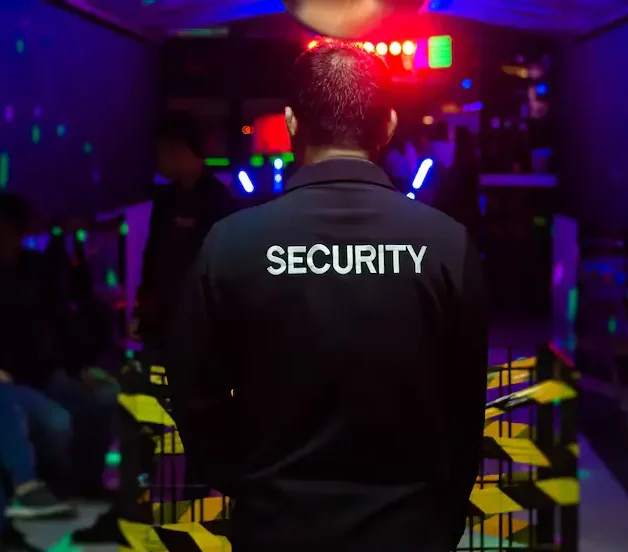
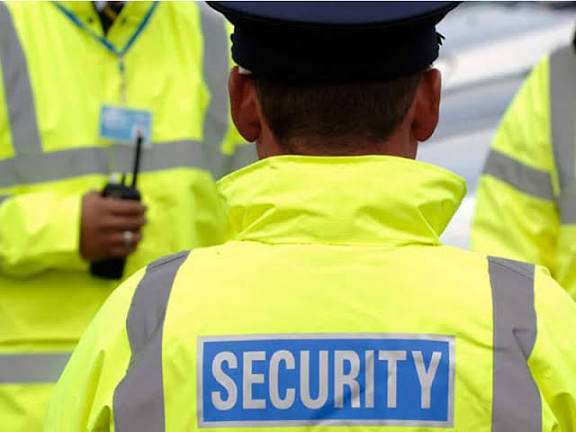
If you want to start a career in private security, a Door Supervisor Course in London can be a practical first step. Door supervisors work in places such as pubs, nightclubs, bars, hotels, events and other licensed venues where security and public safety are important.
To work legally as a front-line door supervisor in the UK, you need the appropriate SIA Door Supervisor licence. Before applying for the licence, you must complete the required licence-linked qualification with an approved training provider.
This guide explains SIA door supervisor training in simple English, including what the course covers, who can take it, how the training works and what happens after you qualify.
What Is a Door Supervisor Course?
A Door Supervisor Course is specialist security training designed for people who want to work as licensed door supervisors.
The training gives learners knowledge and practical skills for dealing with situations that can happen in licensed venues and other security environments. It covers areas such as conflict management, physical intervention, security responsibilities, safety and working within the law.
The qualification is linked to the requirements of the Security Industry Authority, commonly known as the SIA. The SIA sets the standards for licence-linked training but does not directly provide the training itself. Training is delivered by providers approved through the relevant awarding organisations.
Why Choose a Door Supervisor Course in London?
London has a large hospitality, entertainment and events industry. This creates opportunities for people interested in security work.
A qualified door supervisor may find work in:
- Pubs and bars
- Nightclubs
- Hotels
- Restaurants and entertainment venues
- Concerts and festivals
- Sporting events
- Retail and commercial locations
- Private events
- Other licensed premises
One useful advantage of the Door Supervisor licence is that it can also allow the holder to perform security guard work.
This means the qualification can provide more flexibility than choosing a security pathway with a narrower licence.
What Does SIA Training Cover?
The Door Supervisor qualification covers several important areas.
Working in the Private Security Industry
You learn about the role of a security operative, relevant responsibilities and the legal framework surrounding private security work.
Understanding your legal responsibilities is important because door supervisors need to know what they can and cannot do while carrying out their duties.
Working as a Door Supervisor
This part focuses specifically on door supervision.
You learn about responsibilities that can arise when working at licensed premises, including maintaining safety, controlling access and dealing professionally with customers.
Conflict Management
Conflict can happen in busy venues, particularly when people are refused entry or asked to leave.
The course teaches communication and conflict-management techniques designed to help you handle difficult situations professionally and reduce the likelihood of situations becoming more serious.
Physical Intervention
Physical intervention is another important part of the training.
The course teaches approved techniques and explains the circumstances in which intervention may be appropriate. The objective is not simply physical strength. A professional door supervisor needs to understand safety, proportionality and proper procedures.
First Aid
You must have an appropriate first aid qualification before taking the training required for a full Door Supervisor qualification. The SIA states that the first aid qualification must remain valid for at least another 12 months when you take the relevant training.
First-aid knowledge is particularly useful in security because door supervisors may be among the first people to respond when someone becomes injured or unwell.
How Long Is a Door Supervisor Course?
The exact timetable can vary between training providers.
The SIA’s published information explains that the required training for the door supervisor qualification consists of the relevant security, door supervision, conflict management and physical intervention components.
London providers may organise the training across several consecutive days. For example, some providers currently advertise six-day classroom and practical courses.
When comparing courses, do not choose one simply because it is the shortest. Check that the qualification is one currently accepted by the SIA and that the provider is approved by the relevant awarding organisation.
Who Can Take a Door Supervisor Course?
You generally need to be at least 18 to hold an SIA licence. You also need to complete the correct licence-linked qualification before applying for a front-line Door Supervisor licence.
You should also check the training provider’s entry requirements before booking.
It is important to understand that completing training does not automatically guarantee that the SIA will grant a licence. The SIA carries out its own application checks before making a licensing decision.
Choosing an SIA Training Provider in London
Choosing the right training provider is one of the most important decisions you will make.
The SIA provides a search tool that allows learners to find training providers offering licence-linked training in their area. The SIA also makes clear that it does not directly approve or vet individual training providers; providers are approved by the awarding organisations that issue the qualifications.
Before booking, check:
- The qualification being offered
- Which awarding organisation issues the qualification
- Whether the provider is currently approved
- Course dates and location
- Total course price
- Whether first aid is included
- Assessment arrangements
- Resit policies
- What support is offered after training
Avoid choosing a provider solely because its advertisement says that it is “SIA approved.” The SIA itself warns that it does not approve or vet training providers directly.
How Much Does a Door Supervisor Course Cost in London?
Prices vary depending on the provider, course package, location and whether first aid is included.
Current London course advertisements show different prices. For example, some providers currently advertise complete courses at around £350, while other providers advertise different prices depending on the package and whether first aid is included.
Do not judge a course only by its headline price.
A cheaper course may not include everything you need, while a slightly more expensive package could include first aid, assessments or additional support.
Always ask the provider for the complete cost before paying.
What Happens After You Finish Training?
After successfully completing the required qualification, the awarding organisation notifies the SIA of your achievement. You can then proceed with your SIA licence application, provided you meet the other requirements.
The application process includes identity and background checks.
The SIA states that applicants must provide documents proving their identity and information about their address history. You must also be at least 18 to hold an SIA licence.
Once you receive your licence, you can begin looking for suitable licensed security work.
How Long Is an SIA Door Supervisor Licence Valid?
An SIA Door Supervisor licence is normally valid for three years.
However, renewing a licence is not simply a matter of submitting the same application again. Current SIA requirements include refresher training in certain renewal situations.
The SIA currently states that someone renewing a Door Supervisor licence, or someone who held a Door Supervisor licence within the previous three years, needs the relevant full licence-linked qualification together with the Level 2 Award for Door Supervisors in the Private Security Industry (Refresher).
Always check the latest SIA guidance before arranging refresher training because requirements can change.
What Skills Do You Need as a Door Supervisor?
A good door supervisor needs more than a qualification.
Important skills include:
Communication: You need to speak clearly and professionally with customers, colleagues and venue management.
Patience: Busy venues can become stressful. Staying calm can help prevent unnecessary conflict.
Situational awareness: You should pay attention to what is happening around you and identify potential problems early.
Confidence: Door supervisors need to make decisions and communicate instructions without unnecessarily escalating situations.
Teamwork: Security staff normally work as part of a team and need to communicate effectively with colleagues.
Professionalism: Your behaviour represents both you and the company you work for.
Basic first-aid awareness: Being able to respond appropriately to an injury or medical emergency can be extremely valuable.
Where Can a London Door Supervisor Work?
Door supervisors are commonly associated with nightlife, but the role can involve many different environments.
You could potentially work at a nightclub on a busy weekend, at a hotel event, at a concert or at another licensed venue.
The work may involve checking identification, controlling entry, monitoring customers, responding to incidents, communicating with venue management and helping maintain a safe environment.
The exact responsibilities depend on the employer, venue and assignment.
Is Door Supervisor Work Difficult?
Door supervision can be demanding.
You may spend long periods standing, work late evenings or weekends and deal with challenging situations. You may also need to remain alert for long periods.
However, many people are attracted to the role because it can offer flexible working patterns and an opportunity to build experience in the wider private security industry.
Before enrolling, think honestly about whether you are comfortable working with the public, handling conflict and working in busy environments.
How to Prepare for Your Course
You can make your training easier by preparing before the first day.
Read the course information carefully and make sure your identification documents are ready. Confirm the training location and daily timetable so you know where you need to be.
It is also worth improving your communication skills and becoming familiar with basic security terminology.
Most importantly, take the practical parts of the course seriously. Physical intervention and conflict-management training require attention, discipline and participation.
Common Mistakes to Avoid
One common mistake is booking a course without checking the qualification.
Another is assuming that every provider advertising “SIA training” is directly approved by the SIA. The SIA explains that training providers are approved by awarding organisations rather than by the SIA itself.
Other mistakes include:
- Choosing a course only because it is cheap
- Ignoring first-aid requirements
- Not checking the awarding organisation
- Failing to understand the assessment process
- Assuming training automatically guarantees an SIA licence
- Not checking current SIA rules before applying
Taking a little time to research your course can save you money and prevent problems later.
Building a Career After Your SIA Training
Getting your Door Supervisor qualification is only the beginning.
Once you have your licence, you can start searching for entry-level security opportunities. Gaining experience can help you understand different types of security work and decide where you want your career to go.
Some people continue working in door supervision, while others use their experience to move into event security, corporate security, security management or other areas of the private security industry.
Your career progression will depend on your experience, additional qualifications, reliability and the opportunities available through employers.
Final Thoughts
A Door Supervisor Course in London can give you the training needed to begin a career in licensed private security.
The process is straightforward: choose the correct licence-linked qualification, complete your training and assessments, apply for your SIA licence and then search for suitable work.
The most important thing is to choose a legitimate training provider and check the latest requirements directly with the SIA. Current SIA guidance is particularly important because training and qualification rules can change.
If you are ready to explore training options, you can use the SIA’s official training-provider search to find providers offering Door Supervisor training in your area.
Frequently Asked Questions
How long does a Door Supervisor Course take?
The timetable depends on the provider. London providers commonly organise the training across several days, with some current courses advertised as six-day programmes.
Do I need an SIA licence to work as a door supervisor?
Yes. If your work falls within licensed door supervision activities, you need the appropriate SIA Door Supervisor licence.
What qualification do I need for an SIA Door Supervisor licence?
You need a current licence-linked Door Supervisor qualification accepted by the SIA.
Do I need first aid before Door Supervisor training?
Yes. The SIA states that you must have an appropriate first aid qualification before taking the training required for the full Door Supervisor qualification, with the qualification valid for at least another 12 months.
Can I work as a security guard with a Door Supervisor licence?
Yes. A Door Supervisor licence also allows the holder to perform security guard work.
How old do I have to be for an SIA licence?
You must be at least 18 years old to hold an SIA licence.
How long does an SIA Door Supervisor licence last?
An SIA licence is normally valid for three years.
Can I apply for my SIA licence immediately after training?
You need to successfully achieve the required licence-linked qualification first. The awarding organisation then notifies the SIA before you can submit the relevant licence application.
Does the SIA provide Door Supervisor training?
No. The SIA sets requirements and provides information about approved licence-linked training, but it does not deliver the training itself.
Is a Door Supervisor Course worth doing?
It can be a useful route into private security for people who are comfortable working with the public, handling difficult situations and working flexible hours. Your opportunities will depend on obtaining the required licence and finding suitable employment.